
 USD
USD
How Construction Details Elevate Your Apparel Brand

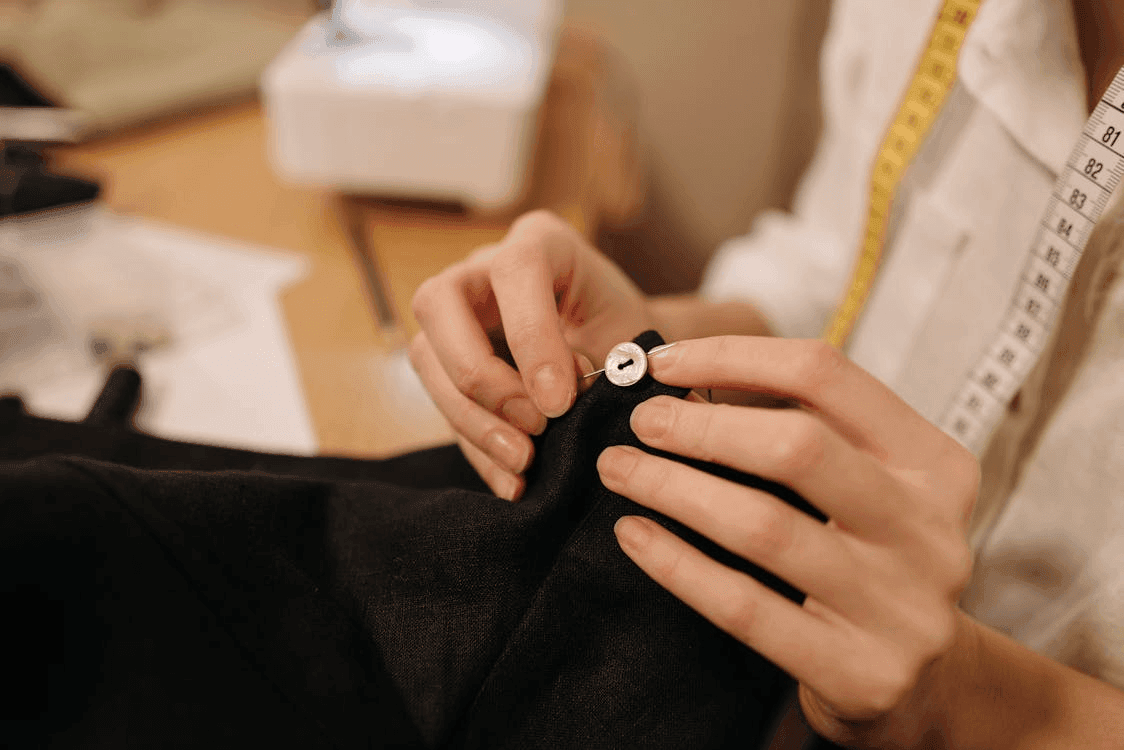
In the visually saturated landscape of the modern apparel market, genuine brand differentiation is no longer achieved solely through eye-catching graphics or innovative design silhouettes. While many factors shape a brand's longevity and perceived value, quality—especially construction quality—remains one of the most decisive. These construction details are not merely technical choices; they are the quiet guarantees of excellence that shape fit, comfort, and durability. When executed with precision, they can directly influence brand perception, reduce returns, and justify premium pricing while driving stronger customer loyalty.
This article explores why construction details matter, which specifications impact performance, and how technical precision translates into measurable commercial gains.
The Unspoken Language of Quality: How Details Convey Brand Value
The concept of "silent quality assurance" centers on the sensory experience a garment provides. Every touchpoint—from the tensile strength of a collar to the smooth glide of a zipper—sends an immediate, non-verbal signal to the consumer about the brand's values. A resilient, flawlessly executed construction detail plants a powerful seed of "intentionality" and "care" in the customer's mind.
This perception is the bedrock of lasting trust. When a garment withstands repeated wear and wash cycles, it validates the customer's initial purchase decision, suggesting that the brand values long-term satisfaction over short-term production expediency. This dedication transforms mere satisfaction into brand loyalty, making customers significantly more likely to become brand advocates who drive organic word-of-mouth promotion. The quality of the stitching, therefore, is not a cost center, but a critical component of the brand's equity.
Comprehensive Analysis of Core Apparel Construction Details
To translate this strategic philosophy into tangible product advantages, apparel brands must exert rigorous control over five key structural areas, recognizing that each detail presents a choice that impacts quality, cost, and brand positioning.
1. Seams and Stitching: The Integrity of the Garment Skeleton
Seams and their corresponding stitch types are the foundational structural elements that determine a garment's strength, comfort, and ultimate lifespan. The precision of the sewing—often measured by Stitches Per Inch (SPI)—is a universal indicator of craftsmanship.
While an Overlock seam is standard, a higher SPI (typically 12-14) on any seam, particularly in top-stitching, is characteristic of meticulous, higher-cost production, reflecting the brand's commitment to longevity.
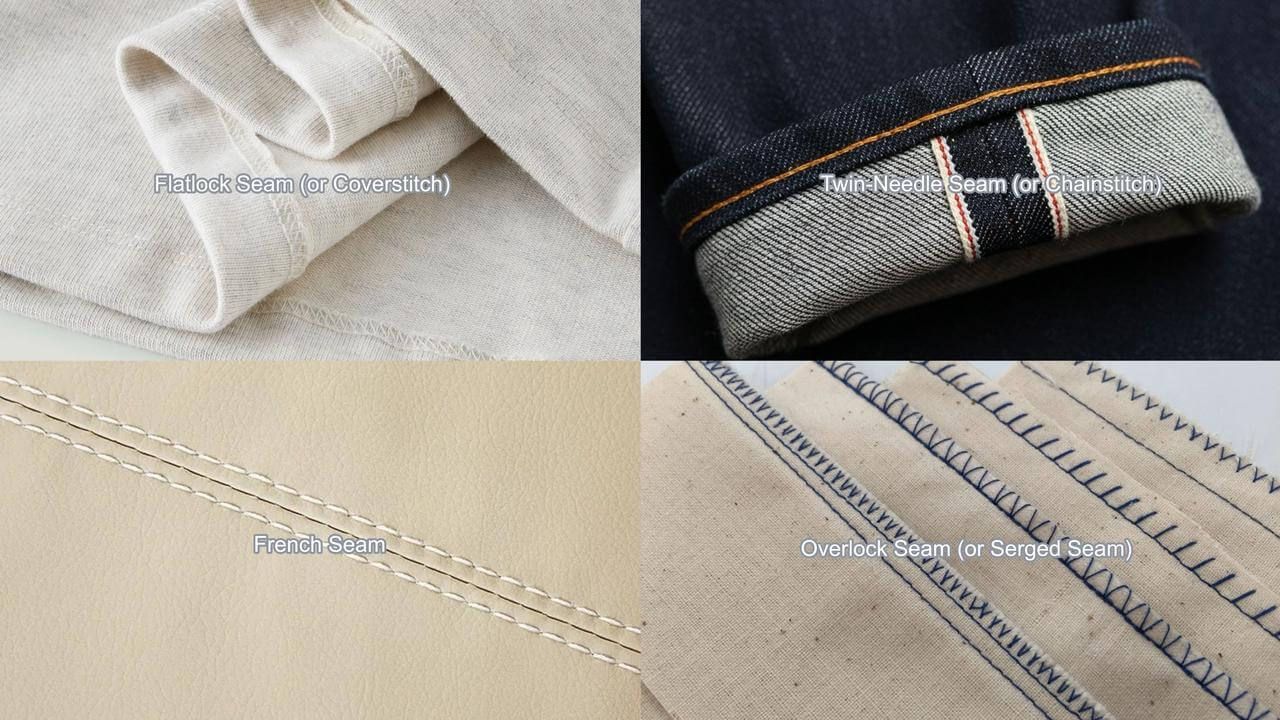
| Seam Type | Quality Tier & Application | Pros | Cons | Cost |
|---|---|---|---|---|
| Flatlock Seam (or Coverstitch) | Premium/Athleisure. Used for side seams and trims on high-quality knitwear, activewear, and heavy hoodies. | Flat finish eliminates friction against skin; extremely durable and highly elastic. | Requires specialized machinery | Higher |
| French Seam | Luxury/Tailored. Used for high-end shirts, blouses, and refined garments where a clean interior finish is paramount. | All raw edges are completely enclosed, resulting in a very clean, refined look. | Labor-intensive and time-consuming (two passes required); adds slight bulk; not suitable for heavy fabrics. | High |
| Twin-Needle Seam (or Chainstitch) | High Durability. Used for reinforcement on woven items like jeans (yokes, inseams) or for sturdy hems. | Exceptional strength and resistance to breakage; visibly signals durability. | Requires precise tension control; can pucker lightweight fabrics if not managed correctly. | Moderate |
| Overlock Seam (or Serged Seam) | Standard/Basic. Used universally for finishing raw edges on internal seams of virtually all garment types. | Highly efficient; prevents fraying and provides necessary stretch for knit fabrics. | Creates a slightly bulky seam allowance; is the minimum standard, not a sign of high quality by itself. | Low |
2. Necklines: Resilience and Aesthetic Longevity
The neckline acts as the structural entry point of the garment, bearing some of the highest stress during dressing, wearing, and laundering. Its construction and execution are vital determinants of the garment's visual longevity, acting as the primary defense against the unsightly "bacon collar" or permanent deformation. The brand's commitment to this detail is a direct reflection of its promise regarding product durability and shape retention.
Ribbing Density and Multi-Needle Construction
In premium knitwear and casual apparel—such as sweatshirts, hoodies, and polo shirts—the neckline and cuff construction are key indicators of craftsmanship. High-density ribbing ensures superior tension retention, allowing collars and cuffs to recover their original shape after repeated wear. This prevents a "bagged out" look and maintains the garment's clean silhouette over time.
Equally crucial is the stitching technique. Double-needle stitching, featuring two parallel rows of seams, reinforces structural stability while keeping a refined appearance. It's widely used in streetwear and everyday basics like T-shirts and sweatshirts, balancing durability and minimalism.
For heavier materials or performance-oriented styles, triple-needle stitching provides enhanced seam strength and tension distribution. This technique is often favored by workwear-inspired, outdoor, and premium streetwear brands seeking longevity and a more constructed aesthetic.
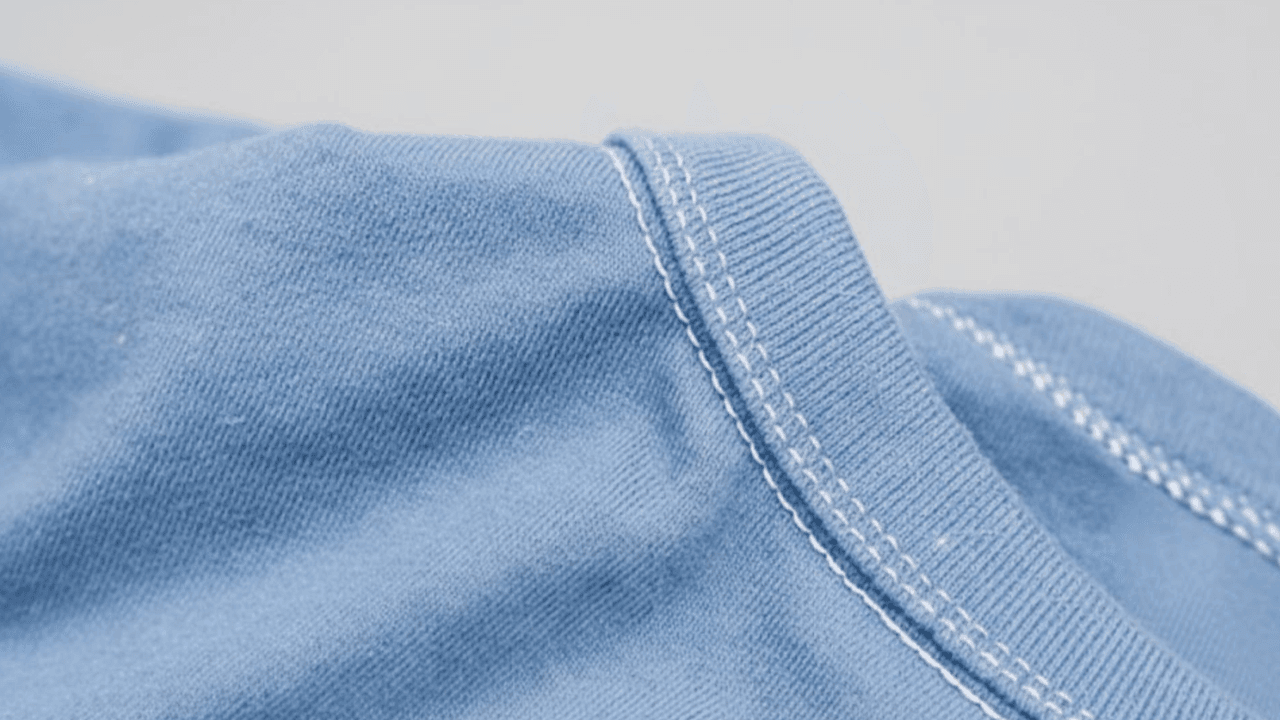
Together, dense ribbing and multi-needle construction transform technical precision into a subtle mark of lasting quality.
Neck Taping and Structural Reinforcement
Neck Taping (often using twill or self-fabric) is a critical quality upgrade that serves a dual purpose: it enhances wearer comfort by covering the raw interior seam edges, and it provides structural stabilization. The tape reinforces the neck and shoulder seams, preventing tearing and over-stretching when the garment is pulled over the head or hung. Its inclusion signals a brand's commitment to durability and hidden craftsmanship, making it a standard feature for reliable, high-end casual basics.
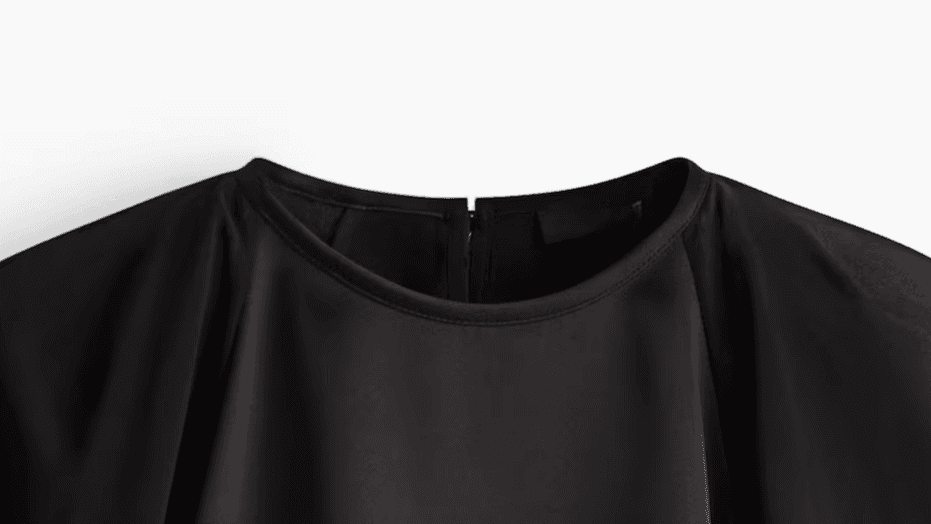
Self-Fabric Binding
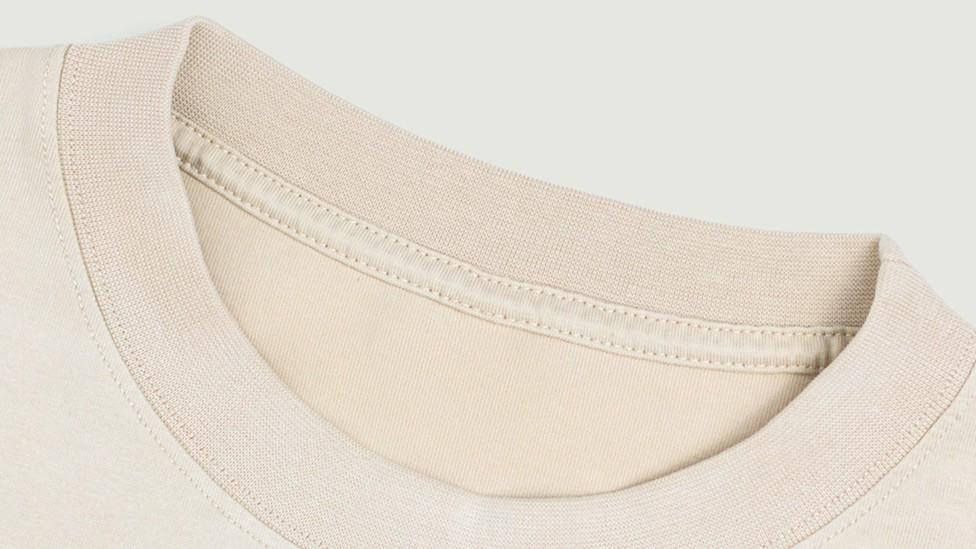
Self-Fabric Binding is often chosen by designers or minimalist brands to achieve a clean, uniform aesthetic where the neck trim matches the body fabric. Since this material is less resilient than ribbing, the area is frequently reinforced with double-needle stitching. These twin rows of high-strength stitching provide the necessary tensile strength and stretch allowance to ensure the neckline maintains its structural shape without puckering, successfully balancing aesthetic continuity with practical durability.
3. Hems and Cuffs: Shape Retention and Consistency
The treatment of cuffs and hems signals a brand's commitment to long-term consistency. For sweatshirts and hoodies, the quality of the ribbing is paramount.
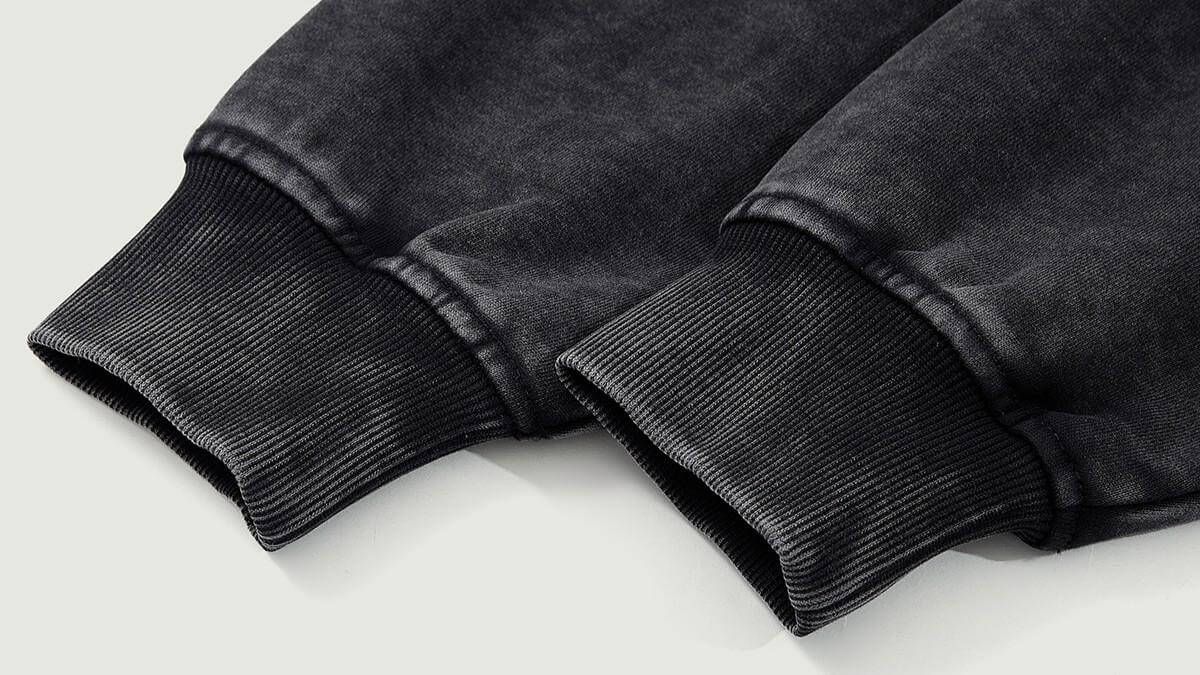
High-Resilience Rib Cuffs
This detail is paramount for heavy knitwear like hoodies and sweatshirts. The key lies in selecting high-density, heavyweight ribbing that possesses exceptional rebound and recovery. This construction prevents the cuffs from becoming loose, stretched out, or "baggy" after repeated washing and wear, which is a common failure point in low-quality apparel. Brands that commit to this detail are signaling their investment in product longevity and their commitment to maintaining the garment's intended fit over time.
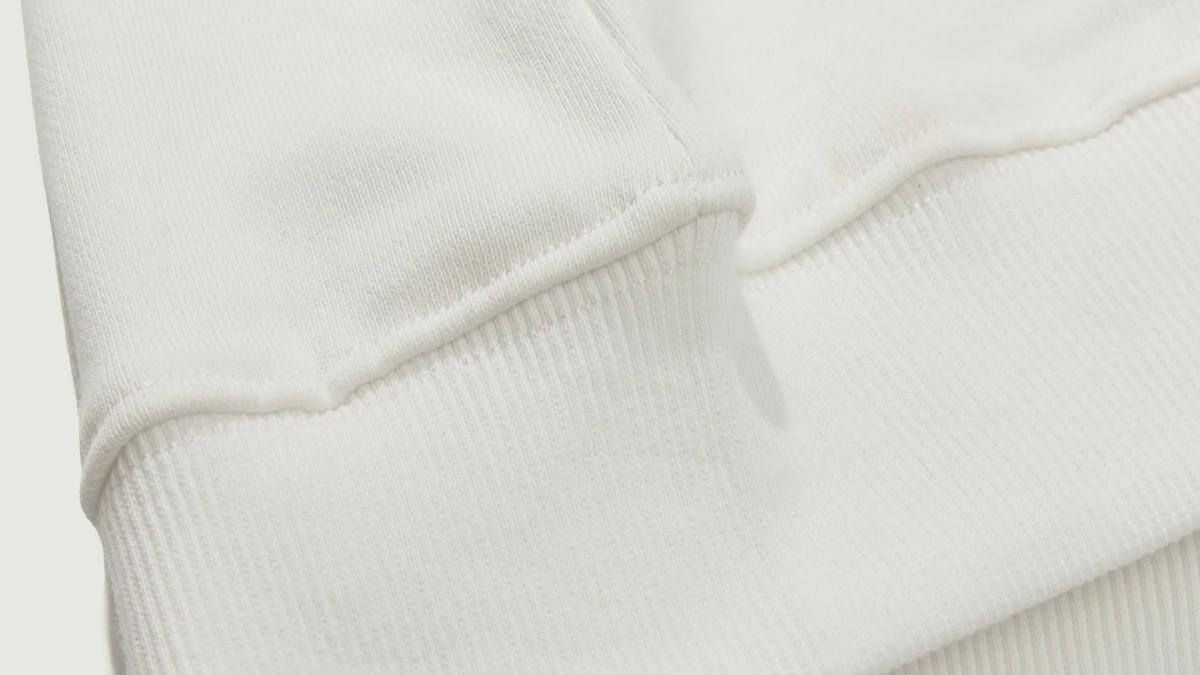
Double-Needle Hem Finish
The Double-Needle Hem is the most widely adopted and durable method for finishing the bottom edge of casual apparel (T-shirts, sweaters, and fleece bottoms). It creates two parallel, high-strength rows of stitching that effectively secure the hem and provide ample elasticity. Crucially, this finish acts as a powerful deterrent against the fabric edge rolling up or "flipping," a primary aesthetic flaw. It represents the industry standard for durability and efficiency in mass-market and mid-tier production.
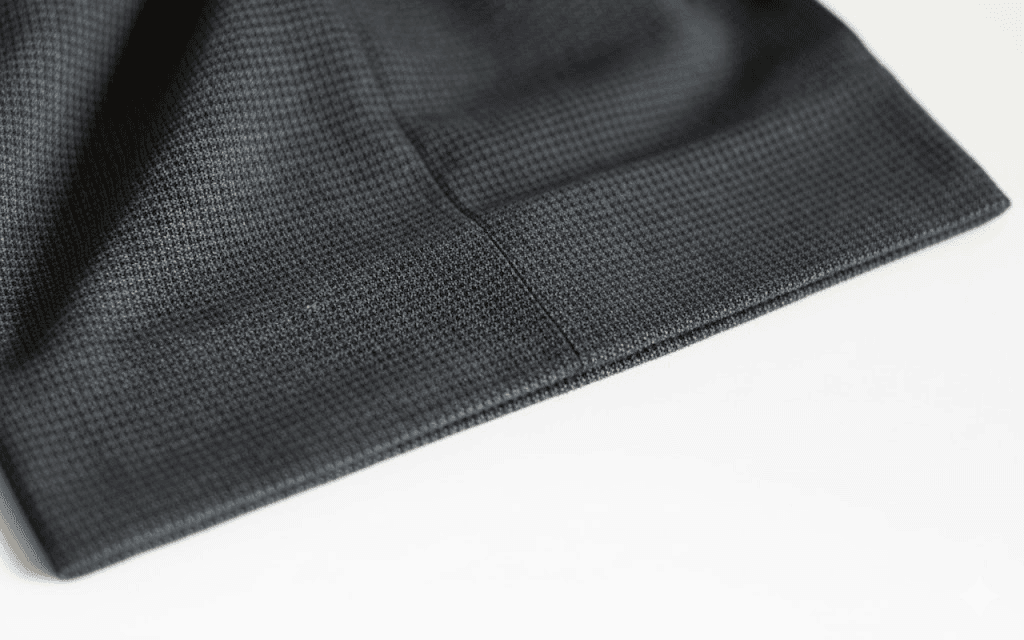
Blind Hem
In contrast to the visible strength of the double-needle stitch, the blind hem is used when a brand prioritizes a fluid, clean aesthetic. This technique involves stitching that is almost invisible from the outside, creating a polished, professional finish. It is often reserved for tailored trousers, skirts, and high-end formal wear. While it may sacrifice some of the tensile strength offered by the double-needle stitch, its primary value lies in its visual elegance and its ability to lend the garment a more expensive, seamless drape.
4. Pockets and Structural Reinforcement
Internal reinforcement is often the hidden difference between a garment built to last and one destined for immediate failure at high-stress points.
Bar Tacking
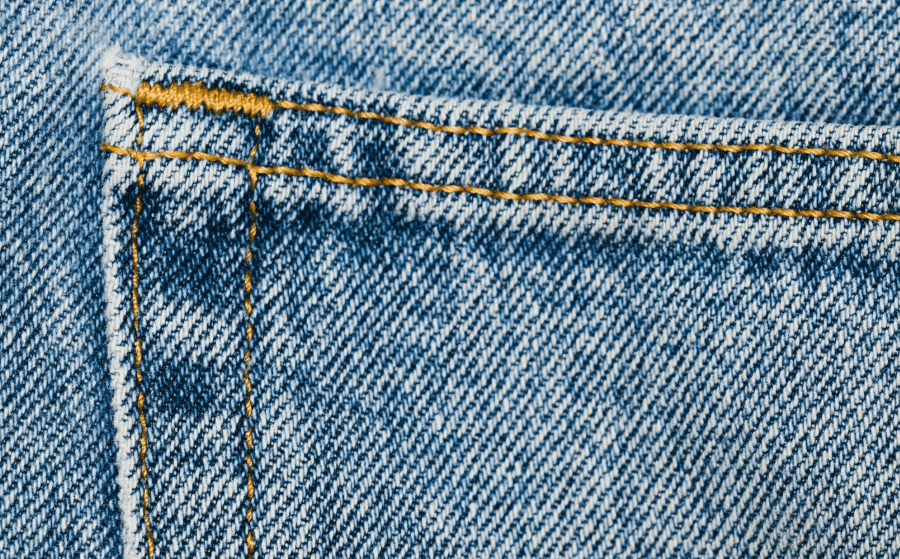
Bar Tacking is a critical reinforcement technique used to prevent garment failure at points of maximum tension, such as pocket corners, the base of plackets, and belt loops. This technique involves creating a dense series of stitches that dramatically increases the fabric's resistance to tearing. Its consistent application signals a brand's investment in extreme durability, making it non-negotiable for workwear, heavy casual apparel, and any garment where pockets are frequently used. Omitting bar tacking is a common cost-cutting measure that leads directly to premature product failure.
Durable Pocket Bag Material
The material used for internal pocket bags serves as a hidden yet essential quality indicator. Premium apparel uses durable fabrics, such as tightly woven twill or the garment's own self-fabric, to line the pockets. This ensures resistance to abrasion and prevents the common issue of pocket bottoms wearing through. In contrast, low-cost options often use thin, fragile synthetic linings that quickly degrade. Selecting a high-quality pocket bag material is a subtle but impactful commitment to the product's functional lifespan.
Hood Lining and Enhanced Drape
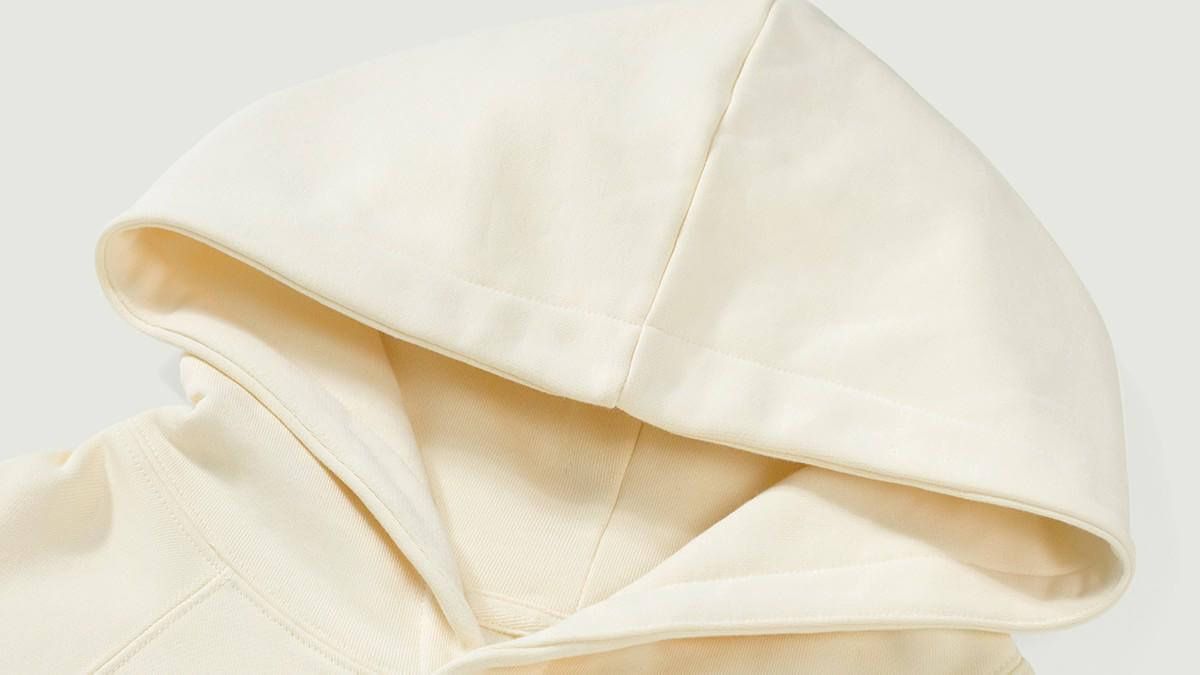
For hooded garments, the presence of a hood lining significantly elevates the product's quality perception. The lining, often made of matching or complementary fabric, adds substantial weight and structure, dramatically improving the hood's drape and overall shape. This intentional layering prevents the hood from collapsing flat, giving it a premium, luxurious feel and finish. It is a key distinguishing feature used by high-end athleisure and street-style brands to enhance the garment's aesthetic volume and tactile experience.
5. Trimmings and Hardware: The Tactile Experience
Hardware components, while small, are the most frequent tactile elements a consumer interacts with, and their failure can instantly negate a positive perception.
Branded Zippers for Reliable Function
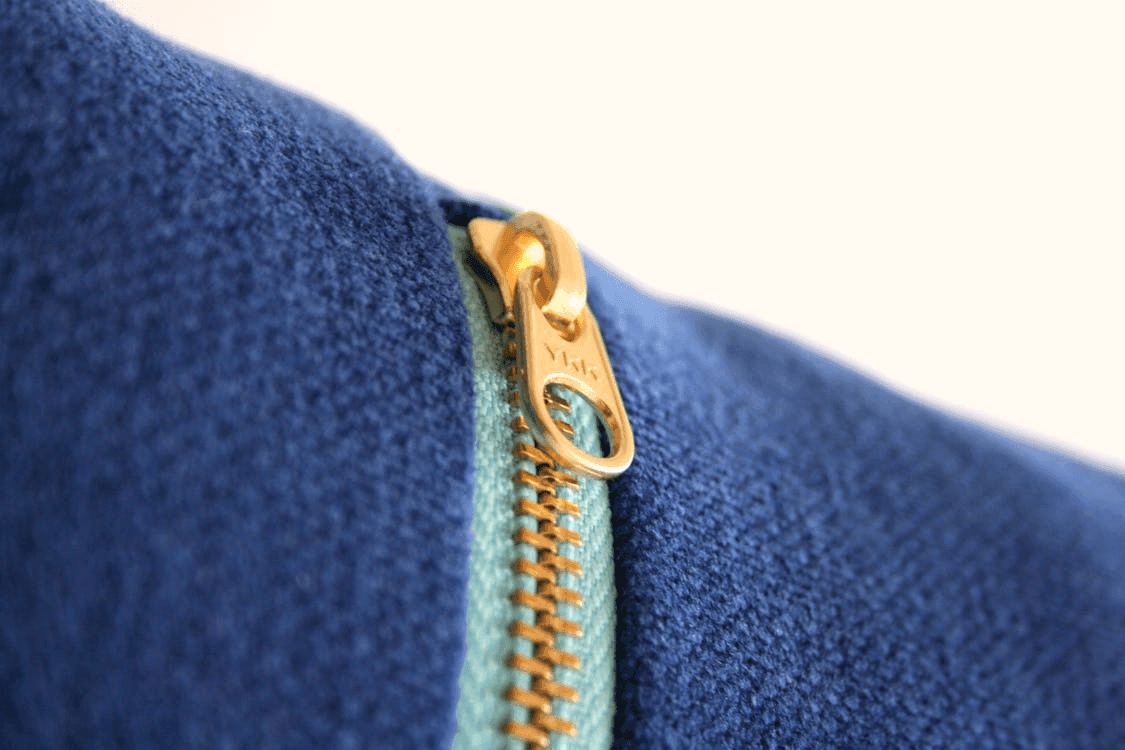
Zippers are the most frequently used hardware component on garments, and their failure instantly erodes brand trust. Premium brands opt for branded zippers (e.g., YKK) renowned for their rigorous durability testing, smooth operation, and longevity. While these come at a higher cost than generic alternatives, the investment ensures reliable, long-term performance. A smooth, snag-free glide provides a continuous positive tactile experience, serving as an external mark of high-quality assurance for outerwear and zippered hoodies.
Premium Button Material
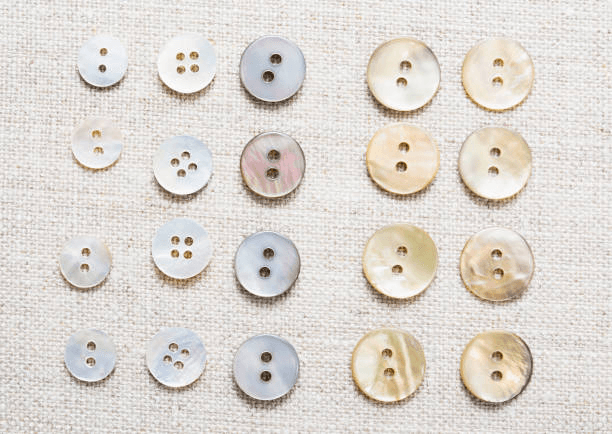
The choice of button material directly influences the garment's aesthetic value and tactile appeal. High-end shirting and polo shirts often feature buttons made from materials like genuine Mother of Pearl (Shell), natural Horn, or high-grade Resin. These materials offer superior visual depth and feel compared to standard plastic. This detail signals a commitment to refinement and supports the brand's ability to justify a premium price point based on the quality of every component.
Secure Button Stitching
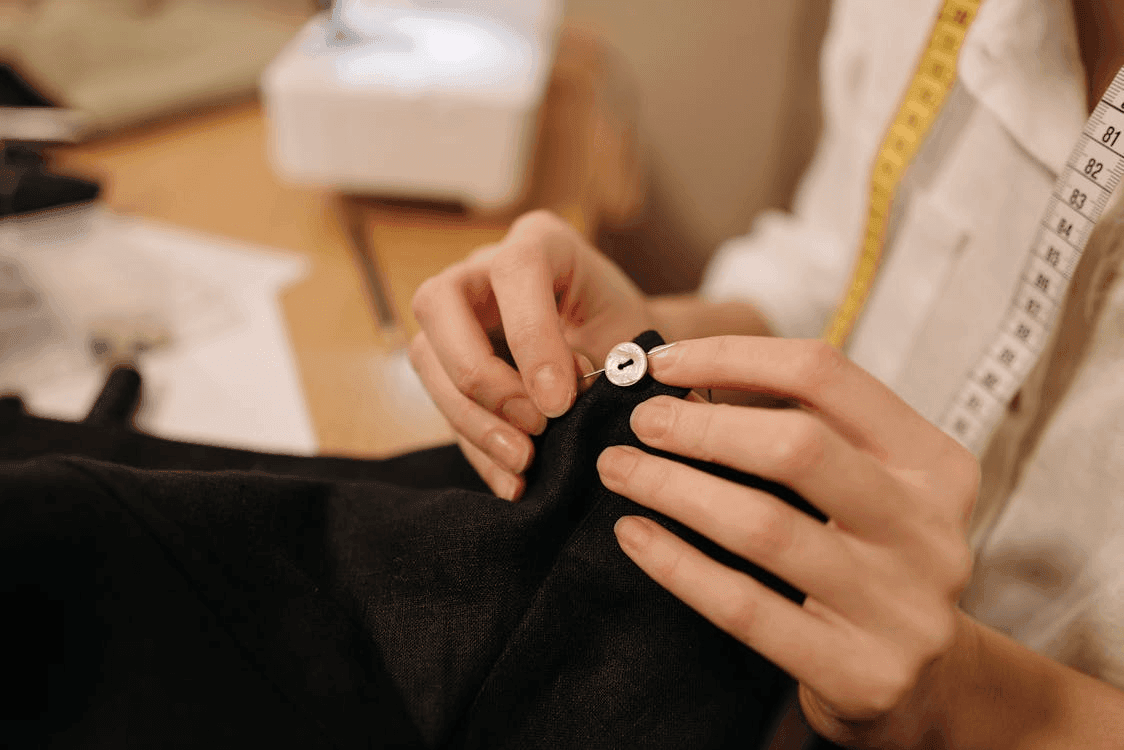
Beyond the material, the security of the hardware's attachment is paramount. For buttons, ensuring secure stitching with high-strength thread prevents the frustrating issue of buttons easily falling off. For drawcords and aglets (the metal or plastic tips on the ends), durability is also key. Premium brands use robust metal aglets or tightly reinforced holes to prevent fraying and slippage, ensuring that even the smallest, functional components convey meticulous craftsmanship and withstand constant handling.
From Quality to Loyalty: The Commercial Returns of Strategic Details
Investing in superior construction details is not just a production imperative—it's a strategic commercial lever that can enhance margins, reduce post-sale costs, and strengthen a brand's market position.
Driving Customer Lifetime Value and Premium Pricing
Quality craftsmanship provides the most credible justification for a premium price point. When a product's superior materials and expert engineering are evident to the consumer, it supports the brand's ability to charge more than competitors. This ability to command a price premium is crucial for maximizing profit margins. Furthermore, this value proposition builds profound brand loyalty. Studies show that customers who are emotionally engaged with a brand will exhibit significantly less sensitivity to cost increases, maintaining high purchase rates even amid price hikes. This loyalty translates directly to a higher Customer Lifetime Value (CLV).
Reducing Operational Costs and Mitigating Risk
High-quality construction details have a profound impact on a brand's supply chain and operational efficiency. By minimizing product defects and ensuring durability, brands can drastically reduce the occurrence of product returns and associated after-sales costs. This focus on process quality management leads to an elevation of customer value "through reduced process variability, leading to better product quality and lower operational costs". In essence, investing up-front in quality is a long-term cost-reduction strategy, mitigating the logistical complexity and financial waste associated with managing returns and unhappy customers.
Conclusion
For apparel businesses, the focus on construction details must be viewed as a strategic imperative, not an incremental cost. In a market where visual novelty is fleeting, the durability and perceived quality of a garment are the fundamental assets that foster long-term customer relationships and market reputation.
The future of apparel retail belongs to brands that successfully integrate impeccable craftsmanship into their core identity. By prioritizing shape retention, strong seam integrity, and high-quality hardware, a brand creates a tangible, reliable product experience. This investment in intrinsic product value is the most powerful tool for elevating a brand image, securing profitable market segmentation, and establishing an enduring reputation among a discerning consumer base. Brands must commit to selecting vendors and partners who adhere to the highest standards of quality control and construction excellence, ensuring that every garment serves as a flawless testament to the brand's premium promise.