
 USD
USD
Best Time to Post on Instagram in 2026


Every year, the same question floods creator communities, brand Slack channels, and ecommerce marketing calls: What’s the best time to post on Instagram? Along with it come recycled charts, universal schedules, and confident claims that Tuesday mornings or Sunday evenings are the difference between growth and irrelevance.
This obsession isn’t naive. It’s reactive. Instagram growth feels unstable. One post drives traffic, the next disappears without explanation, and creators look for something concrete to blame. Posting time becomes the easiest target because it feels controllable. Change the hour, fix the reach—at least in theory.
That theory breaks down fast in practice.
Creators, brands, and ecommerce sellers keep asking this question because they want certainty in a system that doesn’t reward formulas. Instagram isn’t broken. It’s behavioral. And timing advice fails because it treats reach like a scheduling issue instead of a response issue.
Here’s the uncomfortable truth for 2026: timing still matters, but only as a multiplier, not a shortcut. It amplifies what already exists. Strong content posted into the right moment accelerates. Weak content posted at the “perfect” time just fails faster.
This article is a corrective for people tired of chasing surface-level tactics and still wondering why growth feels capped.
Quick Starting Points (If You Don’t Want to Overthink It)
If you’re running an apparel brand, creator account, or POD store and want safe defaults before dialing things in, start here:
- Reels (discovery & reach): 6–9 PM — early evening improves retention and shares
- Product carousels (exploration): 7–10 PM — strongest save and profile-visit behavior
- Static posts (high attention): 12–2 PM or 8–10 PM — when users slow down
- Educational posts: 12–2 PM — midday breaks favor comprehension
- Stories: 7–9 AM and 12–2 PM — consistent touchpoints throughout the day
These aren’t magic hours. They’re behavior-aligned starting points. The rest of this article explains why they work—and when they don’t.
How Instagram Timing Actually Works in 2026
The Shift From Chronological Signals to Early Engagement Momentum Windows

Instagram no longer rewards freshness the way many creators still assume. Posting “recently” matters far less than posting into a moment where people respond quickly and meaningfully.
In 2026, early engagement momentum windows decide distribution. If a post earns saves, shares, and profile taps shortly after publishing, Instagram expands it. If it doesn’t, reach quiets.
Across multiple engagement studies, early interaction within the first hour consistently predicts downstream reach. What’s interesting is how this shows up in real ecommerce data. In PODpartner’s ecosystem—where we see thousands of apparel posts published every month—evening posts routinely earn fewer impressions but significantly higher save rates than morning posts. Those saves are what keep posts resurfacing days later.
This is where brands get it wrong. They expect to arrive later. It doesn’t. Instagram decides early whether your post is worth more attention.
Why the First 30–60 Minutes Now Matter More Than the Exact Hour
The first 30–60 minutes after publishing function like a stress test. Instagram looks at response density, not raw volume. Ten saves from a few hundred viewers often outperform 300 passive likes from a few thousand.
Here’s a pattern we see repeatedly with PODpartner brands. A hoodie carousel gets posted at 8:30 AM because a “best time” chart said so. It earns likes quickly but almost no saves or profile visits. By noon, it’s done. The same design, reposted weeks later during an evening window, earns fewer likes but twice the saves—and continues resurfacing for days.
Nothing about the product changed. The audience’s mental state did.
This is why posts quietly die. Not because the time was “bad,” but because the people who saw it weren’t ready to act.
How Instagram Evaluates Reels, Carousels, and Static Posts Differently
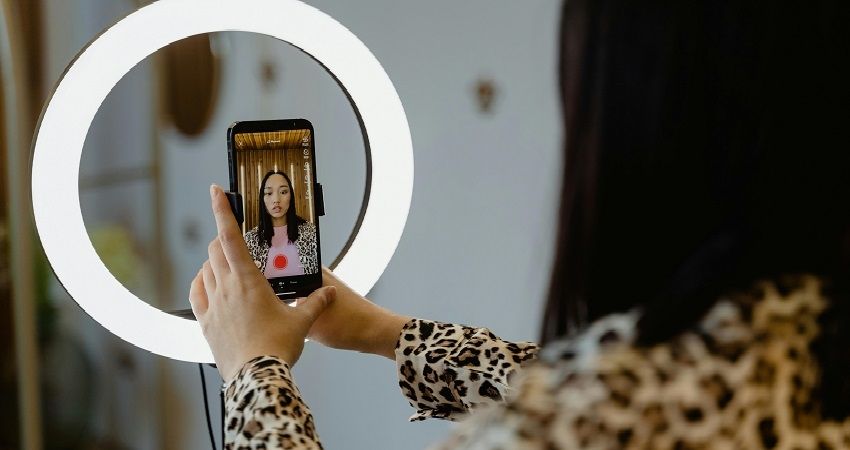
Instagram does not judge all formats equally. Reels are evaluated through retention—watch time, replays, completion rate. If the first seconds don’t work, timing won’t save them.
Carousels depend heavily on saves and swipe depth. Static posts rely on comments and profile taps, which demand even more attention. Each format asks users for a different level of effort, and timing determines whether that effort is realistic.
Among POD brands, this difference is obvious. Reels teasing a drop can survive imperfect timing. Carousels showcasing full designs, embroidery details, or colorways cannot.
Why Content Format Determines Timing Sensitivity More Than the Clock Itself
Reels can survive imperfect timing if the hook is strong. Carousels and static posts are fragile. Post them when attention is shallow, and even well-designed content underperforms.
Strong stance: posting “at the right time” will not save weak content. But posting strong content at the wrong moment can absolutely kill reach. This mistake shows up constantly in apparel ecommerce.
Engagement Windows Matter More Than the Clock
Morning: Passive Scrolling and Low-Commitment Attention
Morning Instagram usage is habitual. People scroll while commuting or getting ready. Attention is fragmented. Likes are easy. Saves are rare.
For POD brands, this is where “looks good but doesn’t sell” posts are born. Attention is spent. Consideration never happens.
Midday: Intent-Based Engagement During Short Breaks
Midday sessions are shorter but sharper. Users are selective. They’ll swipe carousels, read captions, and tap profiles—if value is immediately clear.
We consistently see midday posts from PODpartner brands generate fewer impressions but higher save-to-view ratios, especially for content explaining fabric quality, fit, or embroidery detail.
Evening: Deeper Interaction, Saves, Profile Visits, and Buying Consideration
Evenings are where outcomes happen. Attention slows. Evaluation begins. Saves increase. Profile visits rise. Buying consideration enters the picture.
This is the window where apparel brands see real downstream effects: more product page visits, more design exploration, and stronger conversion intent. Miss this window repeatedly and inventory sits longer—not because the product failed, but because it never earned consideration.
Why These Windows Exist Psychologically, Not Algorithmically
Instagram doesn’t change behavior throughout the day—people do. Energy levels, patience, and intent fluctuate. The algorithm simply mirrors that behavior.
Why Niches Respond Differently
- Ecommerce and POD brands: Performance splits between browsing and buying moments
- Apparel sellers using PODpartner: Posts perform best when users are open to exploring styles, colorways, and embroidery—not just killing time
- Creators and educators: Inspiration works in passive windows; education works in evaluation windows
The Real Question Creators Should Be Asking
Shift From “When Should I Post?” to “When Is My Audience Most Likely to Act?”
This reframing is where growth actually starts. Timing should be measured by action, not visibility.
Among ecommerce brands, this difference is obvious. Posts that earn saves resurface and sell later. Posts that only collect likes burn out fast.
How Timing Affects Type of Engagement, Not Just Reach
Posting time doesn’t just influence how many people see your content—it influences how they interact with it. Shallow engagement trains Instagram to deprioritize you. Deep engagement earns longevity.
How to Find Your Own Best Posting Time Without Obsession
- What to look at in Instagram Insights: saves, profile activity, and external clicks
- How to test timing without breaking consistency: small shifts, same formats, same quality
- Why over-testing slows growth: constant changes dilute signal and kill momentum
Clear framing: reach without action is vanity.
Launch Timing Checklist (For Apparel & POD Drops)
If you’re launching a new product or collection, timing should support consideration, not hype.
- Teaser Reel (2–3 days before): Post in the evening to build saves
- Product carousel (launch day): Post during evening evaluation window with a profile-focused CTA
- Story reminder (next day): Post midday to catch lunchtime browsers
Miss these windows consistently and you don’t just lose reach—you lose memory. People forget you before they ever consider buying.
Conclusion: Timing Is a Lever, Not a Shortcut
Posting time isn’t a growth hack. It’s a lever. It amplifies intent, format, and audience readiness. Used correctly, it accelerates momentum. Used alone, it does nothing.
The creators and apparel brands winning in 2026 don’t design content for clocks. They design for moments. They understand when their audience is open to discovery, evaluation, and action—and they publish accordingly.
No hype. No magic hours. Just pressure-tested clarity.
Further reading

No Order Minimums

No Membership Fees

No Unsold Stock

No Quality Concerns
Only Creativity, Satisfaction, and Profits!