
 USD
USD
70s Dress Style: Niche Market Guide for POD Sellers

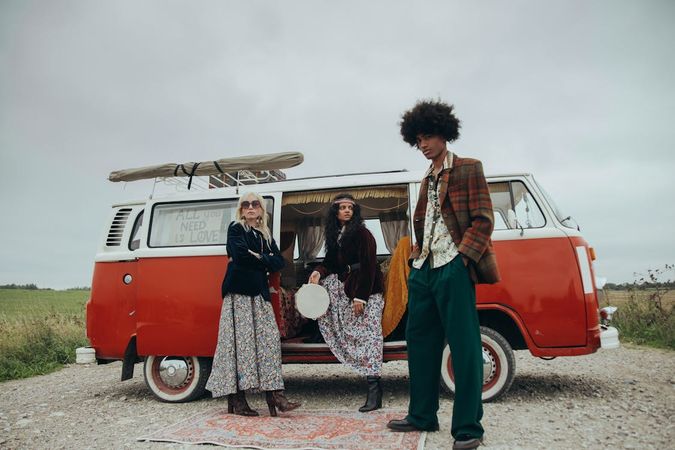
The fashion industry is even today dominated by the trends set by the 1970s fashion. The brands and the print on demand sellers have some amazing ideas to implement through these trends. They will easily be able to turn the amazing ideas such as the flowy boho dresses or the flashy disco dresses into amazing apparel products. The buyers will even love the vintage fashion 70s clothing products.
Vintage fashion 70s is more than just a trend. It is a stable market. Some consumers are looking for trendy yet nostalgic fashion drawn by the bright colors, loose-fitting garments, and unique patterns that made the 1970s so unique. This understanding of what vintage fashion 70s was like and how it felt allows the sellers to apply those components in creating products.
This guide explores why fashion of the 70s was so distinctive, identifies the most popular dress style of the 70s, and reveals ways for POD sellers to capitalize on this fashion for financial success.
What Influenced Fashion in the 1970s?
Fashion in the 1970s was shaped by big changes in culture and society. Music, politics, and how people lived all affected the way they dressed. The rise of counterculture movements encouraged people to express themselves and break free from strict fashion rules.
Music had a big impact. Different styles like folk, rock, and disco each brought their own unique looks. Famous musicians became style icons. Fans loved copying what they wore on stage or in public. Movies and TV shows also helped to set fashion trends by showing bold and fun outfits.
Another important idea that inspired vintage fashion 70s was freedom. People wanted clothes that were comfortable, easy to move in, and felt like their own style. This led to loose-fitting 70s clothes, natural fabrics, and fun combinations of different looks. All these things together created the colorful and creative 1970s fashion that still inspires us today.
Iconic 70s Dress Styles: Key Aesthetics and Silhouettes
The 1970s fashion did not have just one fashion look. It had many different styles that often mixed together. Each style gives great ideas for print-on-demand (POD) sellers who want to reach people who love retro and lifestyle fashion.
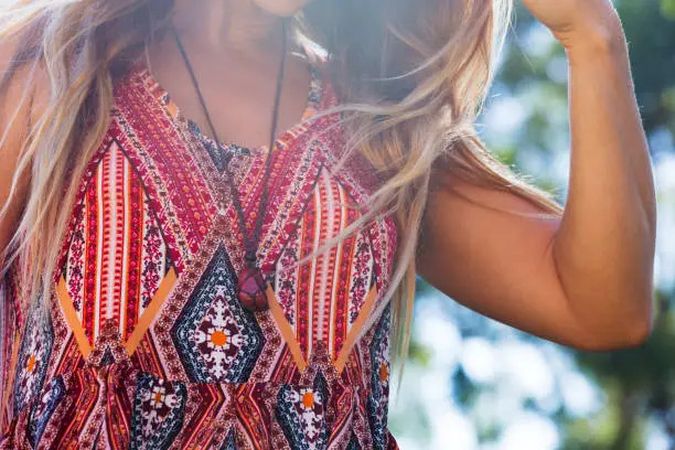
The "Boho-Chic" & Folk Look
The boho look was all about nature, travel, and handmade details. The clothes were loose, flowing, and comfortable. Popular items included long maxi dresses, peasant blouses, and layered outfits.
This style used earthy colors, crochet, and soft fabrics. Embroidery and simple patterns made it feel relaxed and artsy. For POD sellers, this style works great on flowing dresses, oversized t-shirts, and light hoodies that show freedom and comfort.
Disco Glamour & Studio 54
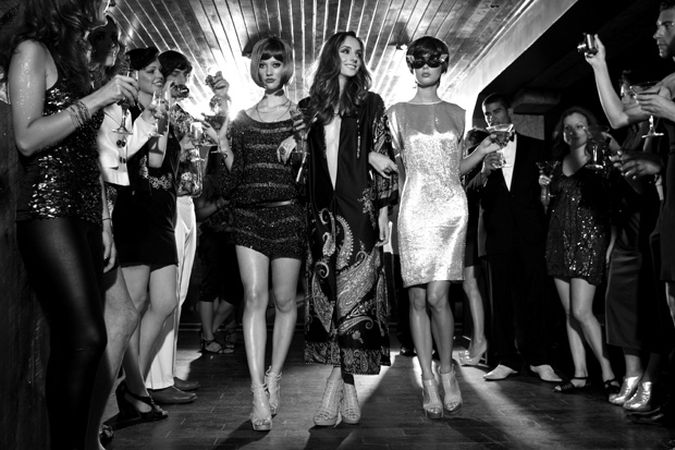
Disco fashion was flashy and bold. It was all about standing out with tight-fitting dresses, deep necklines, and wrap styles.
Shiny fabrics, metallic colors, and strong shapes made disco fashion unique. High-waisted flared pants and sleek tops were popular too. POD sellers can use disco-inspired designs, bold fonts, and shiny colors for eye-catching pieces perfect for nightlife and party collections.
Retro Sportswear & Athleisure
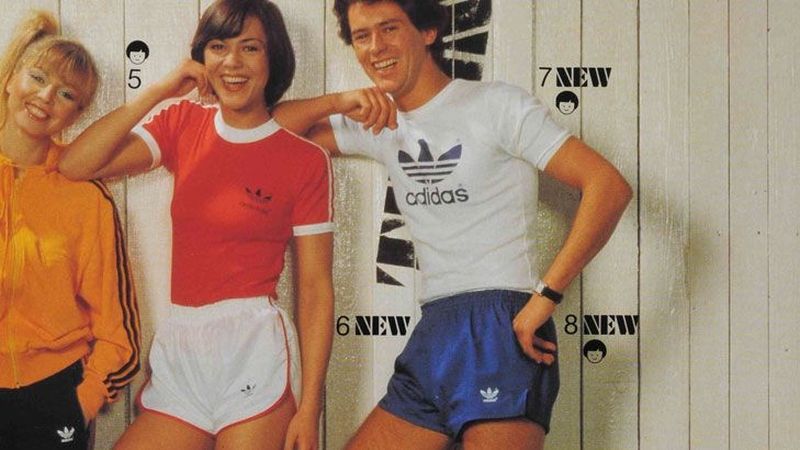
In the 1970s, casual sportswear started becoming everyday clothes. Tracksuits, ringer t-shirts, and clothes with athletic stripes were worn not just for exercise but out and about too.
This style mixes comfort with cool looks which is making it perfect for today's streetwear. Simple graphics, vintage-style fonts, and stripe details work great on print-on-demand clothes. Many 70s sportswear pieces still feel fresh and trendy. This makes them popular with younger shoppers.
Rock & Punk Rebellion
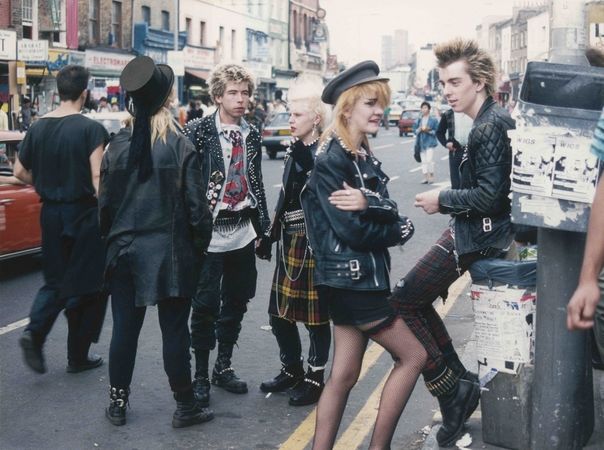
Later in the 70s, fashion got tougher and more rebellious. Rock and early punk styles brought in leather jackets, worn-out fabrics, and bold graphic t-shirts.
Band logos, dark colors, and rough textures became a big part of this look. For POD sellers, this style is perfect for graphic tees and hoodies with strong, edgy designs full of attitude.
Key Characteristics of 1970s Clothing
Knowing the main details of 1970s fashion helps sellers create designs that feel real and not like costumes. These little touches make modern clothes connect with people who want a retro style but still want to look current.
- The Silhouette
70s clothes often had relaxed but thoughtful shapes. Flared pants, wide sleeves, and long hemlines were popular. Dresses either flowed loosely or showed the waist with wraps or belts. This mix of comfort and style made outfits look easy and full of personality.
Designers now can copy this by using loose fits, oversized cuts, and balanced shapes that feel comfortable and stylish. These shapes also fit many body types which will be making sizing less of a worry. - The Color Palette
1970s colors ranged from earthy tones to bright, electric shades. Chocolate brown, mustard yellow, olive green, burnt orange, and rust were common. At the same time, disco fashion brought bold blues, purples, and shiny metallic colors. These colors showed the mood, lifestyle, and music of the time. Even small pops of these colors can make a design instantly look retro. - The Fabrics
Natural fabrics like cotton and denim were very popular in the 70s. Knitwear and crochet added nice texture and warmth, while shiny materials were used for evening and disco clothes. The type of fabric helped show if an outfit was casual or bold.
So, fabric choice is important too if it is about replicating 70s clothes. Soft cotton t-shirts and comfy fabric blends fit the relaxed 70s vibe and appeal to people shopping today. When clothes feel comfortable, buyers are more likely to buy again and leave good reviews. - The Patterns
Patterns in the 70s were big and bold. You would see lots of florals, geometric shapes, stripes, and abstract designs. These patterns were often large and made to be noticed.
So, using big prints and repeating patterns inspired by the 70s can help your products catch the eye online. Strong, clear visuals work great for thumbnails and social media, helping your designs get more attention.
Translating 70s Fashion Trends into Print-on-Demand Designs
The key is to capture the fun and feel of 70s fashion while keeping the clothes modern and easy to wear for print-on-demand sellers. Instead of copying old styles exactly, focus on the inspiration behind them.
- Start with the graphics. Use vintage-style fonts, curved text, and retro color fades. Combine these with modern clothing shapes like relaxed t-shirts, cozy sweatshirts, and casual dresses.
- Choosing the right products is important too. Flowing clothes, oversized fits, and soft fabrics show the comfort and freedom people loved in the 70s. Your designs should feel nostalgic but still fresh and wearable today.
PODpartner makes it easy for you to experiment with retro styles as a seller through the PODpartner platform. You can experiment with designs that are ideal for the 70s without the need to have stock. This happens when you have a lot of clothing and the printing is of good quality. Brands can experiment with the boho style, disco, or the rock style and find out what customers like most through this method.
Conclusion
The vintage fashion of the 70s is still one of the most admired styles of inspiration. 1970s fashion offers print-on-demand merchants with endless ideas to draw on. This is because of the freedom that this fashion portrays.
Suppliers can create designs for 70s clothes that have a genuine and comfortable wearability. This can be achieved by understanding the necessary shapes, colors, textures, and designs of the 1970s.
The niche in this style provides immense creative freedom, adaptability, and long-term popularity for POD vendors. This will be added as a smart choice in becoming a perfect choice to develop your brand.
Further reading

No Order Minimums

No Membership Fees

No Unsold Stock

No Quality Concerns
Only Creativity, Satisfaction, and Profits!