
 USD
USD
Creating a Best-Seller Listing: The Blueprint for High-Converting Product Pages


In the digital marketplace, the product page serves as the "moment of truth." It is where every marketing dollar and click culminates. While many sellers focus on attracting traffic, real growth occurs when that traffic leads to sales. A high-converting product page does more than display information. It acts as a sales funnel that connects curiosity with commitment.
For online consumers, the decision to buy is a constant negotiation between desire and friction. Without the ability to physically interact with a product, the digital experience must rely on visual storytelling, persuasive copy, and technical reliability to build instant authority. Mastering these elements is the fundamental difference between a high bounce rate and a thriving, scalable brand.
Visual Storytelling: Selling the Aspiration
The main challenge of online shopping is the "sensory gap"—the customer cannot touch or feel the product. Visual storytelling helps close this gap. A high-converting product page uses images to show not just what the product is but also how owning it will make the customer feel.
Lifestyle Mockups & Videos
A flat-lay image offers a clear view of the product’s specs, but it often does not lead to a purchase. To convert, you need to pair clear information with emotional appeal. This is where lifestyle mockups and short videos come into play. By placing the product in real-life settings—like a street-style shoot or a cozy home scene—you help customers imagine the product in their lives.
Successful pages use videos to show movement and fit, offering a dynamic perspective that flat images can't provide. The strategy is straightforward: use flat lays for information and lifestyle visuals to appeal to customers' emotional desires.
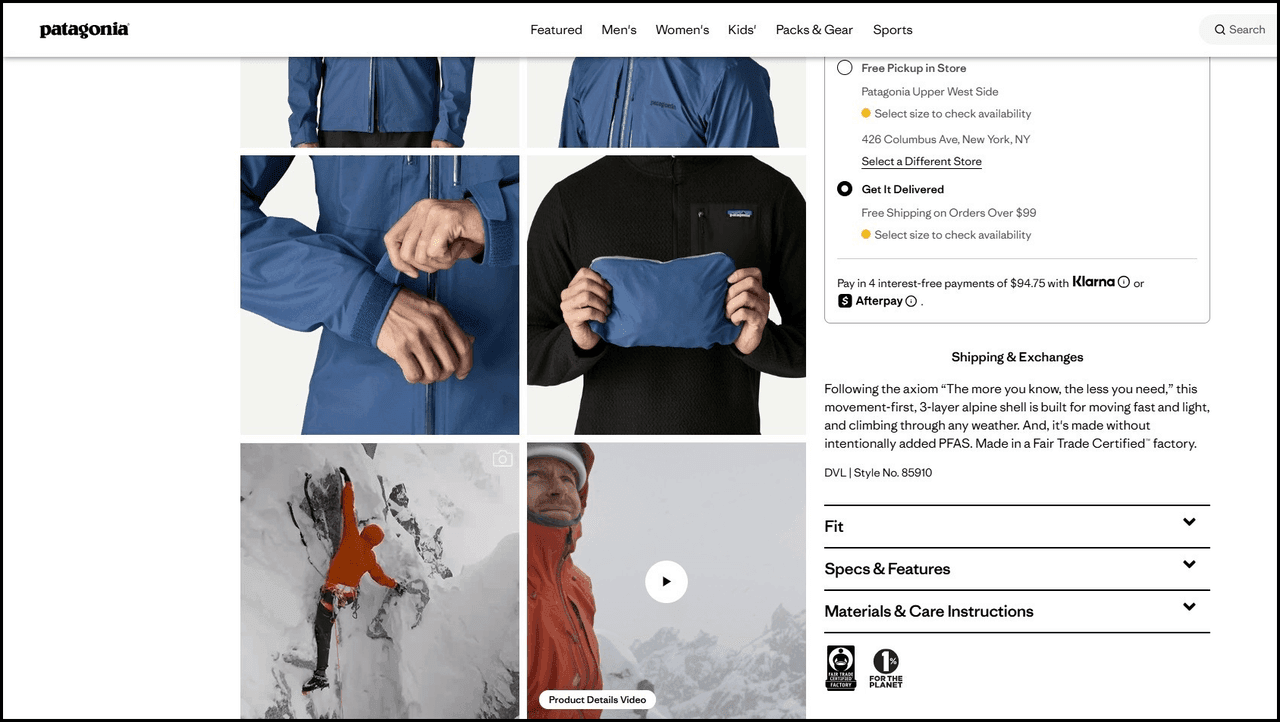
For instance, Patagonia excels at this by featuring outdoor adventure images and videos on their product pages for items like jackets. They showcase real-world use during hiking or climbing to evoke aspiration and a connection to nature.
Close-up Details: Proof of Premium Quality
Trust is built in the details. In a digital environment, shoppers are often skeptical about product quality, worried that the item they receive won't match what they saw online. High-converting pages address this "quality anxiety" with macro photography to highlight skilled craftsmanship.
Macro shots should showcase material texture, stitching precision, and finish durability. Displaying fabric weight or seam crispness visually guarantees longevity. When customers can see the quality up close, the perceived value of the product grows, making the price easier to accept and the "Add to Cart" button harder to resist.
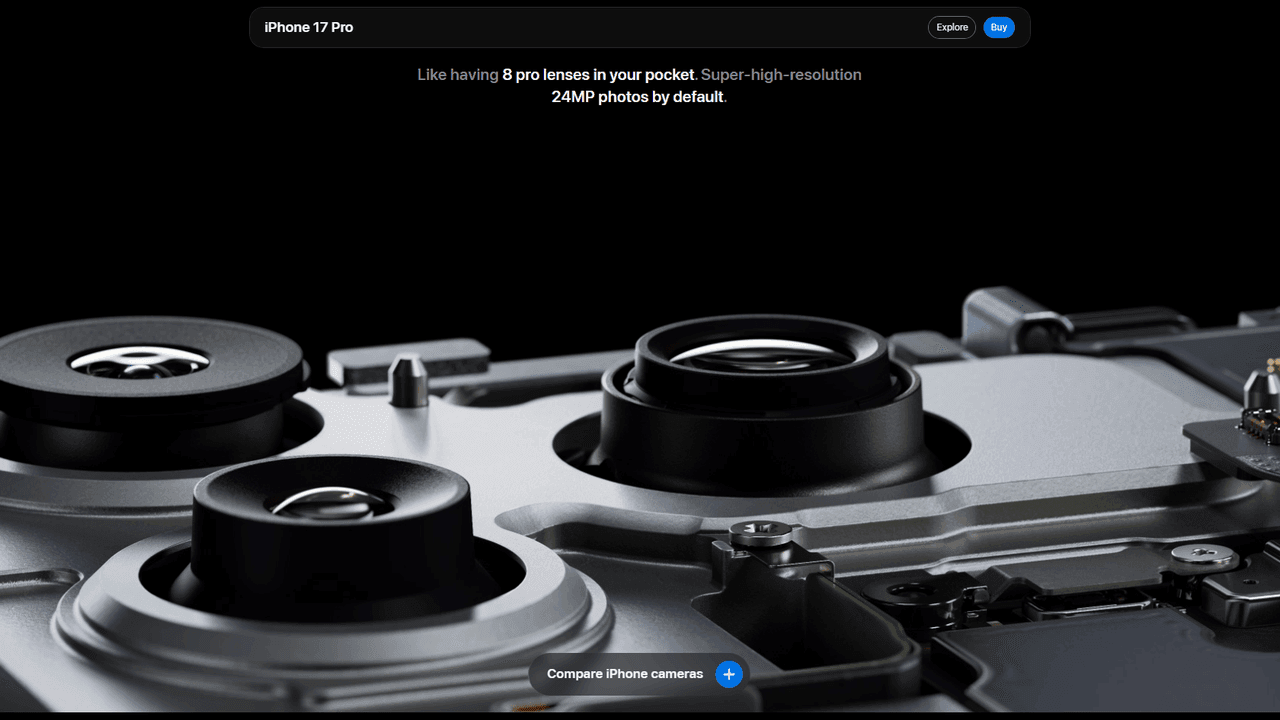
Apple serves as a great example, showcasing high-resolution close-ups of materials like ceramic shields and camera lenses on their iPhone product pages, reinforcing a sense of premium quality.
Strategic Copy: Writing That Compels Action
Effective copy must bridge the gap between search engine logic and human emotion. It doesn't just describe a product; it explains its value. In a world where people have short attention spans, every word should aim to reduce hesitation and create immediate intent.
Golden Title Formulas & SEO Keyword Embedding
A winning title balances SEO indexing with clickability. Use the "Golden Formula": Brand + Core Keyword + Key Attribute + Use Case. This structure signals relevance to both Google’s crawlers and the shopper’s eye.
Example: Instead of a generic "Blue Men’s Ski Jacket," use: "AlpinePeak Pro-Shell Ski Jacket: Waterproof Thermal for Backcountry."
Place your main keywords at the start to catch attention during quick scans, avoiding "keyword stuffing" that disrupts readability.
Transforming Features into Emotional Benefits
Customers don't buy specifications; they buy the feelings those specs evoke. Instead of just listing "100% Combed Cotton," frame it as "the cloud-like softness your daily ritual deserves." High-converting pages apply the "So What?" test to each feature, translating technical facts into emotional or practical benefits. By focusing on experiences like comfort or style, you turn a product into an essential lifestyle item.
The Trust Engine: Removing Friction from the Sale
Trust is crucial in e-commerce. Since online shoppers can't physically inspect products, they look for outside cues to confirm their choices. A high-converting page acts as a "trust engine," addressing hidden doubts and reducing the psychological barriers that lead to abandoned carts.
Interactive Sizing: Solving the Fit Dilemma
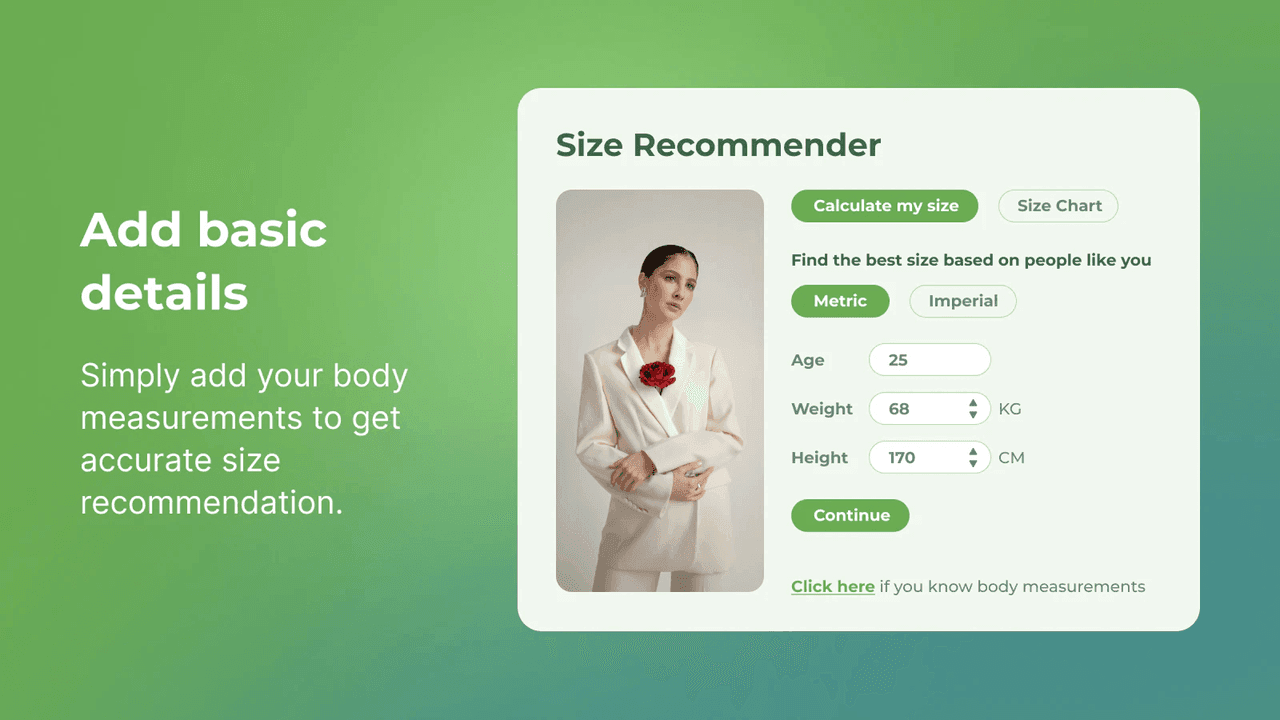
The "Fit Dilemma" remains a significant obstacle for conversions and a common reason for returns. High-converting pages go beyond static size charts by offering interactive size predictors. These tools allow users to input personal data—like height and weight—to receive an instant, algorithm-based recommendation. By replacing guesswork with personalized insights, you provide the certainty needed to finalize a purchase, effectively boosting conversion rates while lowering return rates.
Social Proof: Using Photo Reviews to Build Trust
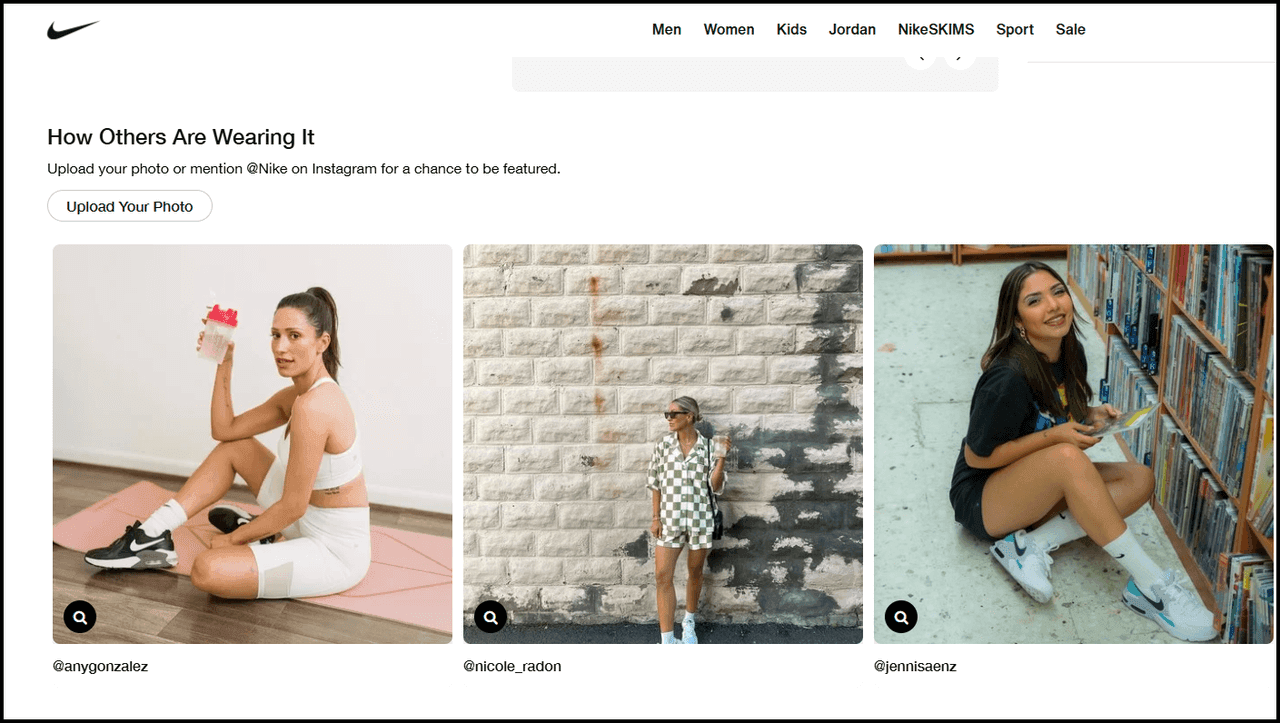
Consumers rely on peer feedback more than brand claims. User-Generated Content (UGC), specifically photo reviews, provides the visual evidence needed to bridge the trust gap. Seeing the product on real people in everyday situations verifies quality, color, and fit better than any studio images. Strategically placing these testimonials near the Call-to-Action (CTA) provides the final social nudge required to turn a browser into a buyer.
Tech & Tactics: Boosting Final Action
Even the most attractive page will fail if the technology behind it creates friction. The "Final Action" is a critical moment; any delay or confusion can make customers reconsider. To maximize revenue, your store must operate smoothly, guiding users to checkout without hassle.
Mobile UX: Frictionless Speed and Navigation
Most e-commerce traffic comes from mobile devices, so a "mobile-first" approach is essential. A high-converting page should be optimized for the "Thumb Zone," placing key buttons like "Add to Cart" easily within reach. Speed is also crucial; every second of loading time can raise bounce rates. By optimizing images and streamlining scripts, you create a smooth transition from browsing to buying.

Strategic Urgency: Incentives and Upsells
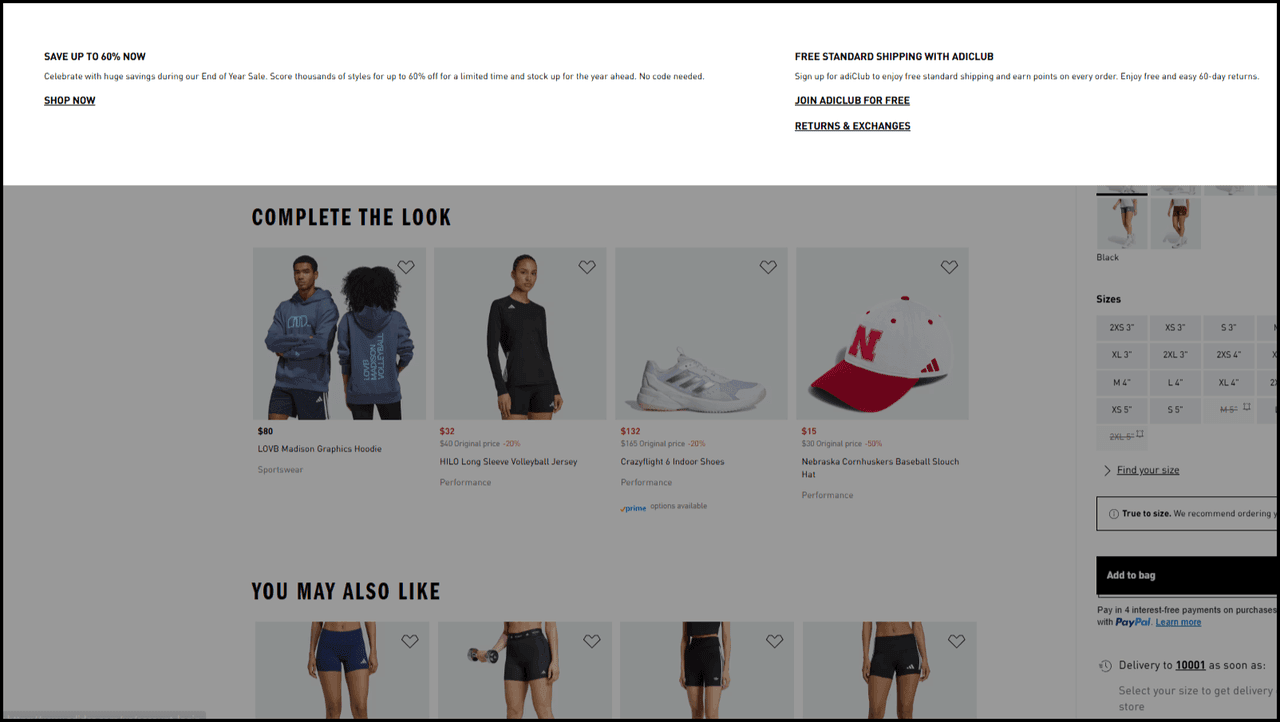
Psychology plays a pivotal role in the final decision. Strategic urgency—like low-stock alerts or time-limited offers—helps motivate customers to act. However, this must be done ethically to maintain trust. To enhance results, integrate smart upsells directly on the product page. By suggesting related items or "Bundle & Save" choices, you can increase the Average Order Value (AOV) while offering customers a more complete solution.
Conclusion
A high-converting product page is the result of continuous testing and refinement. In a competitive market, you can't afford to waste traffic on a page that leaves customers guessing. By aligning your visual assets, copy, and technical setup to focus on the user needs, you can stop losing sales due to hesitation. Every adjustment—from a clearer size guide to a better lifestyle photo—directly impacts your profits.
However, the page is only the promise; the product is the proof. To build a sustainable brand, the physical item must match the digital expectation. Having a reliable supply chain like PODpartner allows you to focus on these high-impact front-end optimizations, with the confidence that the actual quality will back up your brand’s word. Audit your store today: eliminate friction, prove your quality, and start turning browsers into buyers.
Further reading

No Order Minimums

No Membership Fees

No Unsold Stock

No Quality Concerns
Only Creativity, Satisfaction, and Profits!