
 USD
USD
How Much Does It Cost to Sell on Shopify? 2026 Full Guide


Shopify is often sold as “easy to start,” and that’s true in the narrowest sense. You can open a store in an afternoon, pick a theme, and list products without touching a line of code. But most sellers who struggle on Shopify don’t fail because the platform is expensive — they fail because they misunderstand what cost actually means.
In 2026, selling on Shopify isn’t just about paying a monthly subscription. It’s about managing a layered cost structure that includes platform fees, payment processing, apps, fulfillment, marketing, and the operational friction that appears once real customers start placing orders. These costs don’t arrive all at once, which is why many sellers underestimate them.
This guide is not a pricing table or a Shopify sales pitch. It’s a planning document. We’ll walk through the unavoidable baseline costs, the hidden expenses that quietly erode profit, and the scaling costs that only show up after you start selling. With competition higher, ad costs rising, and customer expectations stricter than ever, understanding your true cost structure in 2026 isn’t optional — it’s survival.
Baseline Shopify Costs Every Seller Should Expect
Some Shopify costs are unavoidable. No matter what you sell or how lean you operate, these expenses form the foundation of your store.
Shopify Subscription Plans in Practice
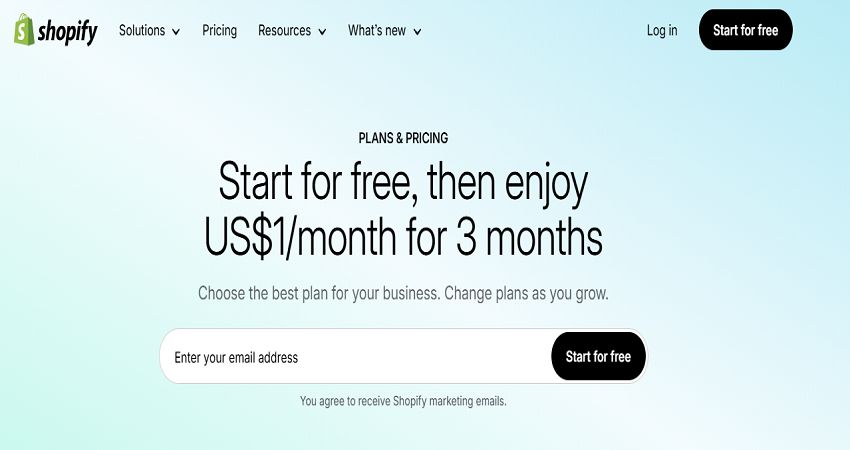
Shopify’s plans are easy to list, but harder to interpret correctly. In practice, each tier is designed for a stage, not a level of ambition.
The Starter plan works for social selling and link-in-bio setups, but it’s not a real storefront. The Basic plan is where most serious sellers should start. It supports full storefront customization, app integrations, and payment processing without forcing unnecessary overhead. The Shopify plan adds staff accounts and better reporting, which only makes sense once operations expand. Advanced is about scale efficiency — not features — and Shopify Plus is a different category entirely, built for enterprises.
The most common mistake sellers make is upgrading too early “just in case,” or staying on a lower plan long after it starts limiting operations. Both decisions cost money — either through wasted fees or lost efficiency.
Transaction and Payment Processing Fees
Subscription fees are predictable. Payment processing fees are not.
If you use Shopify Payments, you avoid additional transaction fees, but you still pay credit card processing on every sale. These percentages seem small until volume increases. At scale, processing fees often become one of the largest single cost categories in a Shopify business.
Using third-party payment gateways adds another layer of fees on top. As revenue grows, these percentages compound quietly, which is why many sellers feel profitable on paper but struggle with cash flow.
A realistic plan assumes processing fees as a permanent margin tax — not an edge case.
Domain and Basic Infrastructure
Domains are inexpensive, but they matter more than sellers realize. A custom domain signals legitimacy. Free subdomains technically work, but they quietly hurt trust and conversion rates.
SSL certificates are included with Shopify, so infrastructure costs stay low here. Still, these small expenses are foundational — they don’t drive sales, but skipping them can prevent sales entirely.
Operational Costs That Quietly Erode Profit
This is where Shopify gets expensive — not because the platform charges more, but because operational decisions compound.
Themes and Storefront Setup
Free themes are attractive, especially for new sellers. But poor UX, slow load times, and unclear product pages cost far more in lost conversions than most paid themes ever will.
A paid theme is usually a one-time expense. A low-converting storefront is a recurring loss. In 2026, where mobile traffic dominates and attention spans are short, clarity beats decoration every time.
Many sellers spend months tweaking a free theme when a clean, well-optimized paid theme would have paid for itself in weeks.
Apps and Integrations
Shopify’s app ecosystem is powerful — and dangerous.
Most stores start with one or two apps. Within months, that stack quietly grows into email tools, upsell apps, review widgets, tracking tools, and automation platforms. Individually, these costs feel small. Collectively, they rival the Shopify subscription itself.
In 2026, typical monthly app spend looks very different by stage:
- Early stores may spend little.
- Growth-stage stores often spend more on apps than on Shopify itself.
- Scaling stores must actively manage and consolidate tools to stay profitable.
“Just one more app” is one of the most expensive habits on Shopify.
Shipping, Fulfillment, and Returns
Shipping labels, packaging, and handling fees are obvious costs. The hidden cost is what happens when fulfillment fails.
Slow delivery increases support tickets. Poor packaging increases returns. Inconsistent quality increases refunds. All of these outcomes cost time, money, and reputation — and none of them appear in Shopify’s pricing.
Fulfillment decisions directly affect customer support costs, which many sellers fail to budget for.
Fulfillment Models and How They Change Your Cost Structure
Your fulfillment model determines not just your margins, but your risk exposure.
Print-on-Demand Costs
Print-on-demand shifts costs from upfront inventory to per-order production. Margins can be thinner per unit, but risk is dramatically lower. There’s no dead stock, no storage, and no bulk ordering mistakes.
For apparel sellers, PODpartner fits naturally into this model. It allows Shopify stores to launch without inventory while maintaining consistent print and embroidery quality. Flexible print placements and reliable production reduce one of the biggest hidden costs in ecommerce: quality-related returns. Many new sellers underestimate how expensive inconsistency becomes once volume increases.
Dropshipping Costs
Traditional dropshipping looks cheap upfront, but often carries long-term costs. Cheap sourcing leads to unpredictable shipping, higher refund rates, and customer support overhead. Suppliers rarely absorb mistakes — sellers do.
The result is a business that looks profitable until refunds, disputes, and ad inefficiencies quietly eat margins.
Hybrid Fulfillment
Some sellers mix POD, dropshipping, and stocked items. This can work, but it increases operational complexity. Each fulfillment model has different timelines, costs, and customer expectations. Without strong systems, hybrid models can increase mistakes instead of flexibility.
Scaling Costs That Appear After You Start Selling
Many Shopify costs don’t exist at launch — but they become unavoidable once sales begin.
Marketing and Customer Acquisition
In most niches, ads are no longer optional. Organic reach alone rarely sustains growth. Customer acquisition costs in 2026 are higher than ever, which forces sellers to think carefully about pricing and retention.
Retention is often cheaper than acquisition, but it still requires tools and effort.
Tools, Analytics, and Automation
Basic Shopify reports only go so far. As volume grows, sellers invest in better analytics, email marketing platforms, and automation tools. These aren’t luxuries — they’re efficiency tools that prevent wasted spend elsewhere.
People, Compliance, and Support
Eventually, time becomes a cost. Customer support tools, accounting software, tax compliance services, and even outsourced help often save money by preventing errors and freeing founders to focus on growth.
Hiring feels expensive until mistakes cost more.
How to Estimate Your Total Monthly Shopify Costs
There is no single Shopify cost — only scenarios.
- A lean starter store may operate with minimal tools and POD or dropshipping, keeping costs low but growth limited.
- A growing store adds ads, a paid theme, and a heavier app stack, increasing monthly spend but unlocking scalability.
- A brand-focused store invests in premium UX, fulfillment quality, and retention tools, trading higher upfront costs for long-term stability.
Profit doesn’t come from revenue alone. It comes from controlling costs at each stage.
Conclusion: Shopify Costs Are Variable — If You Plan for Them
Shopify doesn’t have a single price. It has layers.
Sellers who struggle aren’t usually overspending — they’re under-planning. They treat costs as surprises instead of strategic levers. In 2026, understanding your cost structure early is what turns scaling from stressful into predictable.
Shopify rewards sellers who approach costs with intention, discipline, and realism — not optimism.
Final authority note:
Shopify doesn’t punish mistakes quickly. It lets them compound. The sellers who win are the ones who plan before they pay.
Further reading

No Order Minimums

No Membership Fees

No Unsold Stock

No Quality Concerns
Only Creativity, Satisfaction, and Profits!