
 USD
USD
Is Selling on Etsy Worth It in 2026? An Honest Review


Etsy has always lived in an odd middle ground. It’s not Amazon, and it’s not a personal website either. For years, that gray area worked in sellers’ favor. If you sold something that felt personal, customized, or visually different, Etsy was where buyers went first.
In 2026, that behavior hasn’t disappeared. What has changed is the price of misunderstanding how Etsy actually works.
A lot of sellers still come to Etsy for the same reason they always have: speed. You don’t need to build a site, learn ads, or create an audience from scratch. You can list a product today and, sometimes, get a sale tomorrow. That early traction feels reassuring. It feels like proof.
But that feeling is often misleading.
Many sellers confuse initial visibility with long-term viability. Etsy gives new listings a temporary boost. That exposure fades. When it does, the real test begins—pricing pressure, copycats, rising fees, and algorithmic competition. By that stage, sellers who never understood the economics usually don’t realize they’re losing money until the burnout hits.
This article isn’t here to hype Etsy or scare you away from it. It’s here to explain what Etsy actually is in 2026, and who it realistically works for.
The Reality of Selling on Etsy in 2026
You Don’t Own an Etsy Business — You Rent One
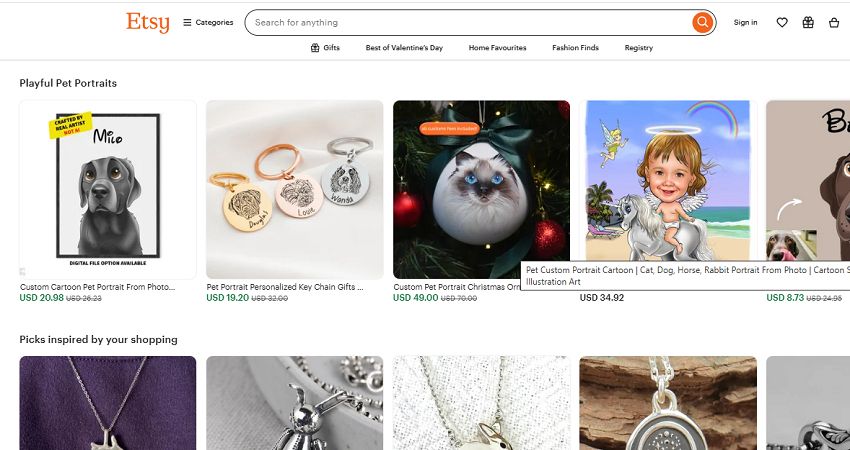
This is the part most sellers learn too late.
An Etsy shop looks like a business. It has branding, reviews, analytics, and weekly deposits. But structurally, it’s closer to renting a booth inside a mall you don’t control. Etsy decides how traffic is distributed, how disputes are handled, which listings are allowed, and how fees evolve.
That doesn’t make Etsy bad. It makes it predictable.
Etsy optimizes for buyers and platform revenue. Sellers benefit when their interests align with those priorities. They lose leverage the moment they don’t. The sellers who last understand this early and build with caution. The ones who don’t usually grow fast and then stall hard.
Who Etsy Buyers Actually Are Now
Today’s Etsy buyer isn’t romanticizing craftsmanship. Most are solving a problem quickly. They’re buying gifts, personalized items, or something that feels thoughtful without requiring much thought.
What they respond to isn’t the story of how something was made. It’s clarity. Clear options. Clear timelines. Clear expectations. When something goes wrong, they want it fixed fast.
That’s why convenience-driven sellers often outperform artists who design purely for self-expression.
What “Handmade” Means on Etsy in 2026
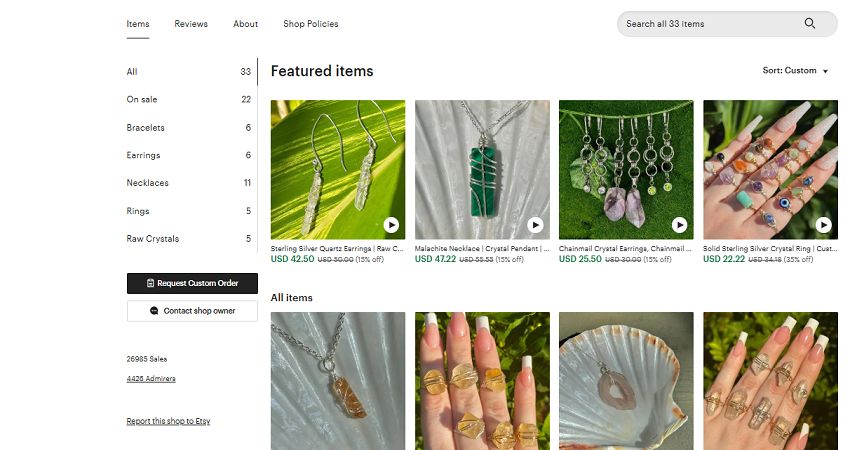
Etsy still uses the word “handmade,” but the meaning has shifted. It’s no longer about whether one person physically made every item. It’s about whether a product feels non-mass-market.
Original design, personalization logic, and visual distinction matter far more than production method. This is why print-on-demand, digital products, and semi-automated personalization dominate many categories now.
Sellers who fight this evolution usually feel frustrated. Sellers who accept it quietly build profitable shops.
Saturation Isn’t the Problem — Commoditization Is
Yes, Etsy is crowded. But crowded niches still produce winners.
Listings fail when they’re interchangeable. They succeed when they’re framed around a specific moment, use case, or emotional trigger. Etsy’s algorithm doesn’t punish competition—it punishes listings that don’t convert.
In 2026, being clear beats being clever.
Costs, Margins, and Profitability on Etsy
How Fees Actually Erode Profit
Etsy’s fees rarely feel painful on their own. The problem is how quickly they stack. Listing fees, transaction fees, payment processing, and offsite ads all come out before you’ve paid for production or fulfillment.
Many sellers underprice early to gain traction and never fully reset. Sales go up. Profit quietly disappears.
The “Optional” Costs That Aren’t Really Optional
In competitive categories, Etsy Ads aren’t about scaling—they’re about staying visible. Shipping expectations push many sellers into absorbing costs just to remain competitive. Third-party tools become necessary to manage listings and research efficiently.
None of this is mandatory in theory. In practice, it’s the cost of playing seriously.
Why Cheap Products Struggle
Low-priced items look attractive until the math kicks in. Fees don’t scale down. Customer service time doesn’t scale down. Fulfillment problems don’t scale down.
This is why many Etsy shops show impressive revenue screenshots while the owner is barely breaking even.
What Sustainable Margins Look Like
Profitable sellers price defensively. They assume refunds, delays, and inefficiencies will happen. They prioritize contribution margin over volume and accept that good pricing often feels uncomfortable.
Etsy is profitable when pricing reflects reality. It bleeds money when sellers try to fix weak positioning with ads.
Fulfillment Is No Longer Just Operations
Fulfillment directly affects visibility. Late shipments and inconsistent quality hurt reviews, which hurt rankings. That’s why many sellers rely on stable production partners, including dependable print-on-demand providers like PODpartner, to reduce variability. Predictability protects reviews. Reviews protect revenue.
When Etsy Helps — And When It Hurts
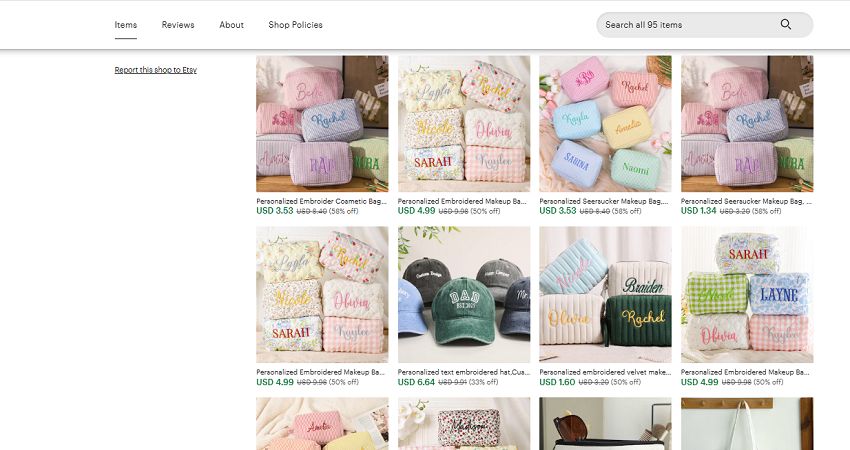
Etsy still shines at discovery. It lets sellers test demand faster than building a standalone site and lowers technical barriers significantly.
It works well for:
- giftable products
- personalization-driven items
- visually distinctive designs
Where it struggles is control. Successful listings attract copycats. Customer relationships belong to the platform. Policy changes are unavoidable. Shipping speed and responsiveness aren’t optional—they’re survival requirements.
Who Etsy Is Actually For in 2026
Etsy works best for sellers who understand unit economics, accept platform dependency, and design products that resist commoditization. It rewards operators who think in systems, not creators who expect effort alone to compound.
It’s a poor fit for sellers who want ownership, predictability, or brand control from day one.
This is why experienced sellers treat Etsy as a channel, not a company. It’s a source of demand, not a foundation of security.
Etsy vs Shopify: Discovery or Ownership
Etsy offers discovery with constraints. Shopify offers ownership without built-in demand. Strong businesses don’t argue about which is better. They understand what each tool is for—and never confuse one for the other.
Conclusion: Is Selling on Etsy Worth It in 2026?
Etsy isn’t dead. It isn’t generous either.
It rewards sellers who understand margins, design for buyers, and accept platform risk without denial. It punishes those who mistake traction for safety or assume visibility equals control.
Most Etsy failures aren’t caused by Etsy itself. They happen when sellers expect the platform to be something it was never designed to be.
Final takeaway:
Etsy works best as a strategic tool, not a long-term foundation. Use it deliberately. Extract value while it serves you. Never confuse rented access with owned security.
That distinction is what separates sellers who last from those who burn out.
Further reading

No Order Minimums

No Membership Fees

No Unsold Stock

No Quality Concerns
Only Creativity, Satisfaction, and Profits!