
 USD
USD
Private Label Suppliers: How to Find and Vet Top Partners


A profitable ecommerce brand involves the use of the supplier as its main foundation since it allows selling items in your name without having to handle the production process yourself. In the case of most sellers, it is with the variation of private labeling where a store ceases to resemble a reseller and becomes more like an actual brand delivering constant margins and returning customers.
This tutorial talks about the nature of the private label suppliers, the advantages and drawbacks and how to select trusted partners that will help your brand succeed in the future because the choices to collaborate with suppliers are usually made in the early years of business and define the success in the long run.
What Do You Mean by Private Label Suppliers?
The suppliers of the private label produce or source products under your brand and not theirs, with custom labels, packaging or inserts. This provides you with control over the experience of your product to the customers and makes otherwise generic products into brand assets.
In contrast to generic dropshipping, the priority of private labeling is differentiation and consistency. It is more set up but enables the brands to be different, gain trust and in many cases, charge more due to the perceived value as opposed to just competition.
Pros
With the private label suppliers, you have the entire control of the branding, the packaging and presentation of its products such that your products may appear professional and planned as opposed to generic.
Compared to unbranded products, it is more difficult to compete on price, and it assists in the maintenance of your margins.
Powerful branding helps you to sell at a higher rate and therefore you have more room to invest in advertising, customer services and expedited deliveries.
Regular quality and packaging will lead to improved customer experience, which will build trust and subsequent purchases in the long run.
Cons
Scaling is usually not possible before upfront costs are incurred in branding fees, samples or minimum order quantities in order to conduct the personal labeling.
Your brand is reliant on the performance of suppliers and thus delays or quality matters affect customer satisfaction.
The shipping and production schedule tend to be more lengthy than in generic dropshipping; therefore, the production and shipping schedule needs to be planned and organized better.
Classifications of Private Label Suppliers
There are various types of suppliers who have their own labels and therefore the appropriate one depends on your business level. Manufacturers would make products directly under your brand and are best suited to scale, but need to be managed and planned, as errors are expensive at larger quantities.
Sourcing partners and intermediaries assist in connecting to the factories, quality checks, and fulfillment which is of help when producing overseas. This has a downside in the form of less direct control and clear communication and accountability is necessary.
Where to locate Private label Suppliers
The sources of the private label suppliers are available in a variety of channels, with varying degrees of riskiness. It is easy to start with online supplier platforms and initially it may appear that the listings are better than the reality since it is easy to compare, however, listings are often presentable, which is why it is necessary to conduct proper vetting.
In niche private label providers, the processes are more specialized because providers are targeting a particular category, such as coffee or beauty. PODpartner, a print-on-demand platform also can be useful because it does branding and fulfillment, and it eliminates inventory management.
Popular Private Label Suppliers to Consider
PODpartner
PODpartner is a print-on-demand private label supplier focused on apparel and accessories, with branding features like custom labels and packaging plus direct-to-customer fulfillment. For sellers who want branded merchandise without inventory risk, this is one of the more practical models because it reduces operational friction while keeping the brand experience intact.
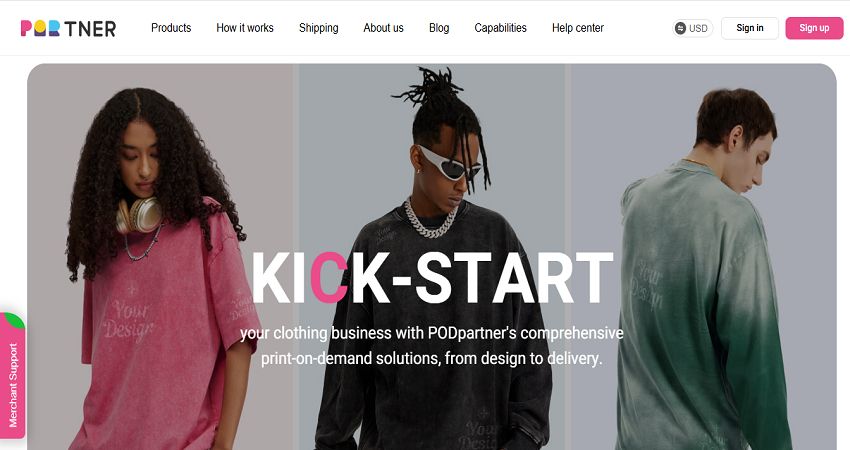
The tradeoff, like any POD setup, is margin pressure compared to bulk manufacturing. That said, brands that position well can still build healthy profits, because POD is often about speed-to-market and consistency rather than the absolute lowest unit cost.
Key features:
- Print-on-demand production for apparel and accessories
- Custom branding options including labels and packaging
- Automated order fulfillment and direct shipping
- Integration with major ecommerce platforms
- Real-time inventory sync for blank product availability
PODpartner is best when you prioritize reliability and scalability over complexity. If your goal is to launch quickly, test designs, and still look like a real brand, it’s a strong option.
Dripshipper
Dripshipper focuses on private label coffee, allowing sellers to create branded coffee products without holding inventory, with orders fulfilled as they come in. This model works well for niche content-driven brands because coffee is easy to market through lifestyle positioning, and the customer understands repeat purchases naturally.
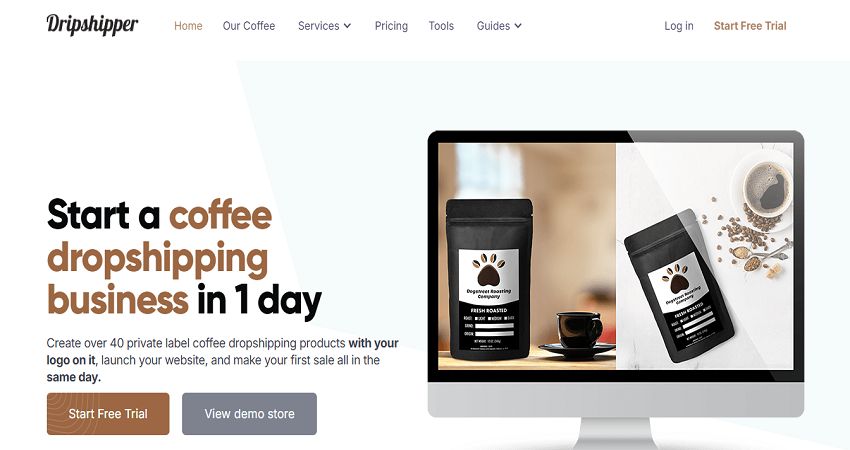
Key features:
- Private label coffee products sourced and roasted in the US
- Custom branding on packaging, including labels and logos
- Automated order fulfillment with direct-to-customer shipping
Because Dripshipper controls the workflow end-to-end, quality consistency is typically more predictable than “random supplier of the week” models. The tradeoff is that your brand strategy has to commit to that niche rather than using coffee as a temporary product test.
PrintKK
PrintKK offers private label apparel and accessories with customization options such as labels and packaging, plus integrations that support automated fulfillment. This appeals to sellers who want breadth—multiple product categories and designs—without managing inventory.
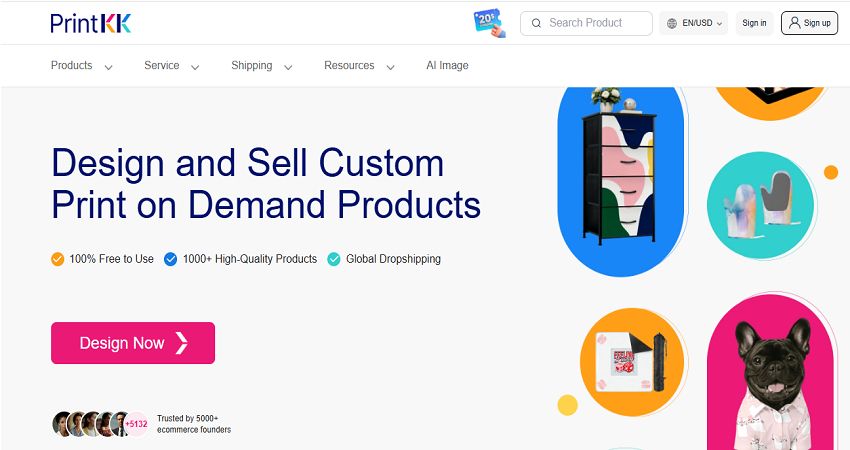
Key features:
- Apparel and accessory catalog covering multiple product categories
- Private label options such as custom neck labels and packaging
- Worldwide shipping coverage
PrintKK can be a solid choice when variety matters, but it rewards sellers who track performance and tighten their catalog to the SKUs that deliver the most consistent customer experience.
Pravada Private Label
Pravada focuses on personal care and cosmetics private labeling, including packaging, formulation, and compliance assistance.This is a significant concern since beauty is a controlled area where careless sourcing might expose legal and brand risk as well as consumer complaints rather than only complaints.
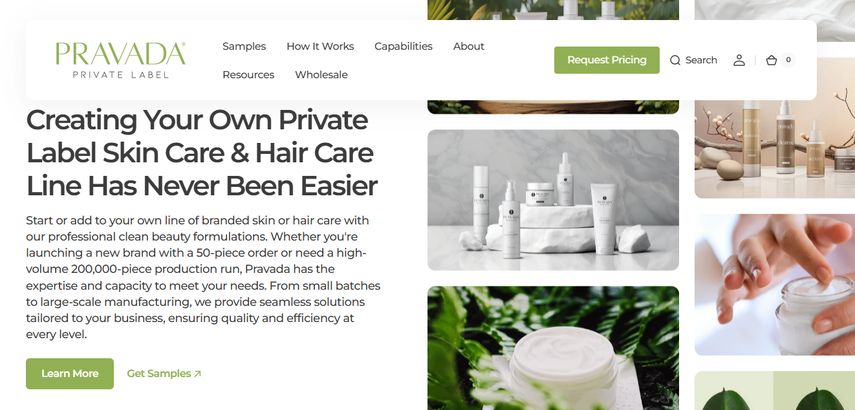
Key features:
- Custom formulation for beauty and personal care products
- Private label packaging and branding support
- Compliance guidance for cosmetic regulations
Pravada is best when you’re committed to the category and prepared to invest. If your plan is “test a product and see,” you’ll likely find the process heavier than you want.
NicheDropshipping
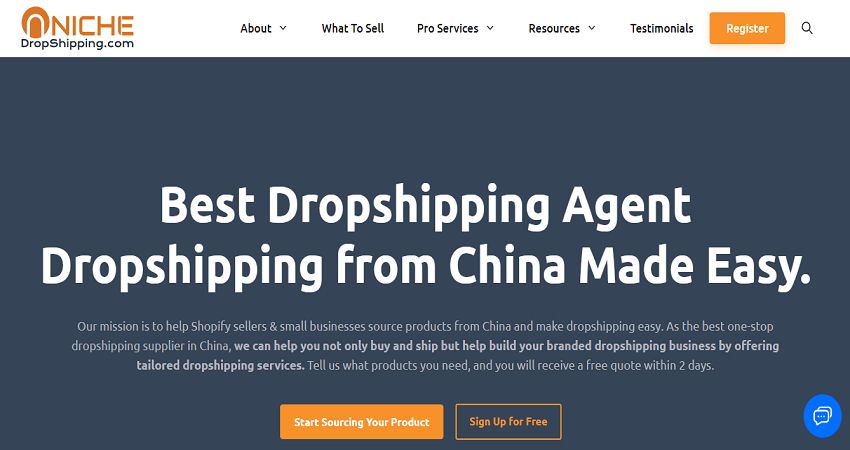
Rather than a typical supplier, NicheDropshipping functions more like an behind-the-scenes buddy.Especially if you want flexibility across several product categories without having direct interaction with manufacturers, they help you locate suppliers, handle product customizing, and oversee logistics.
Key features:
- Custom sourcing across multiple product categories
- Private label branding and packaging services
- Supplier vetting and quality inspection support
This model can be powerful, but only if you operate it like a business system, not a casual arrangement. Clear specs, written agreements, and repeatable processes are what make it work.
Alibaba
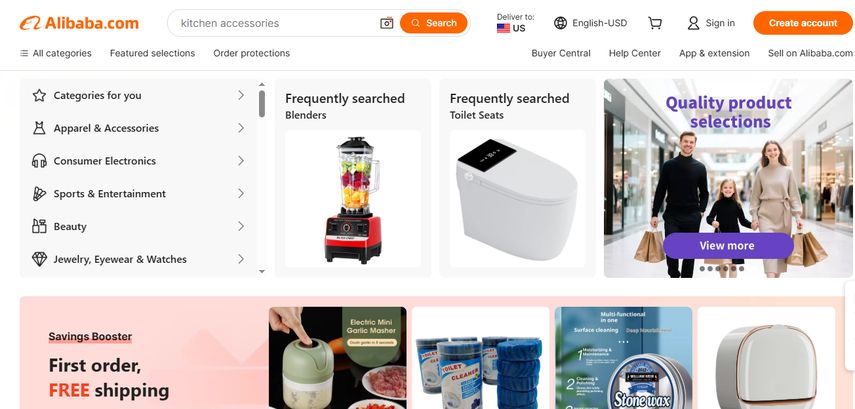
Alibaba gives you direct access to manufacturers for private label production and remains one of the most flexible options for bulk sourcing and customization. It’s where many private label brands eventually go once they want stronger margins and deeper control.
Key features:
- Direct access to global manufacturers
- Deep customization options for products and packaging
- Competitive pricing for bulk orders
If you use Alibaba, sampling and verification aren’t “nice to have.” They are the cost of entry. Anyone who tells you otherwise is selling you optimism, not a process.
How to Evaluate Private Label Suppliers
Start by ordering samples. Listings and photos don’t reveal real quality, so you need to inspect materials, print, packaging, and shipping durability yourself. Review past performance and supplier policies as well as the way issues are handled is more important than promises of perfection.
Important Issues to Discuss Before Working Together
Check production and delivery timelines as well as how delays are managed.Indicate which design decisions are under scope, which ones cost extra, and how over time quality consistency is preserved.
Typical Errors to Avoid
Skipping samples to speed up launch sometimes causes refunds and quality problems.Scaling ahead of a supplier proves reliability can rapidly transform minor issues into significant operational mistakes.
Conclusion
The proper source helps your brand, not only your purchases.Whether dealing with vendors, sourcing partners, or systems like PODpartner, careful investigation and explicit expectations help you to create a company ready to grow with assurance.
Further reading

No Order Minimums

No Membership Fees

No Unsold Stock

No Quality Concerns
Only Creativity, Satisfaction, and Profits!