
 USD
USD
The Superfan Economy: A Guide to High-Value POD Merchandise


Introduction: Your Fans Don't Want a Cheap T-Shirt; They Want a Badge of Honor
In today's content-saturated world, every creator and IP is vying for user attention. However, once traffic is gathered and a fan community is formed, a deeper question arises: how do you convert this love and support into sustainable business value? For many, the first step is creating merchandise. And so, a flood of t-shirts, tote bags, and phone cases emblazoned with logos appears.
This "logo-selling" model is simple and direct, but it's also incredibly basic. It might satisfy a fan's superficial need for "ownership," but it quickly gets lost in a sea of homogenized products. You must understand that your "superfans"—the core group who knows your content by heart, actively participates in your community, and sees your IP as a part of their identity—want far more than a cheap t-shirt with a logo.
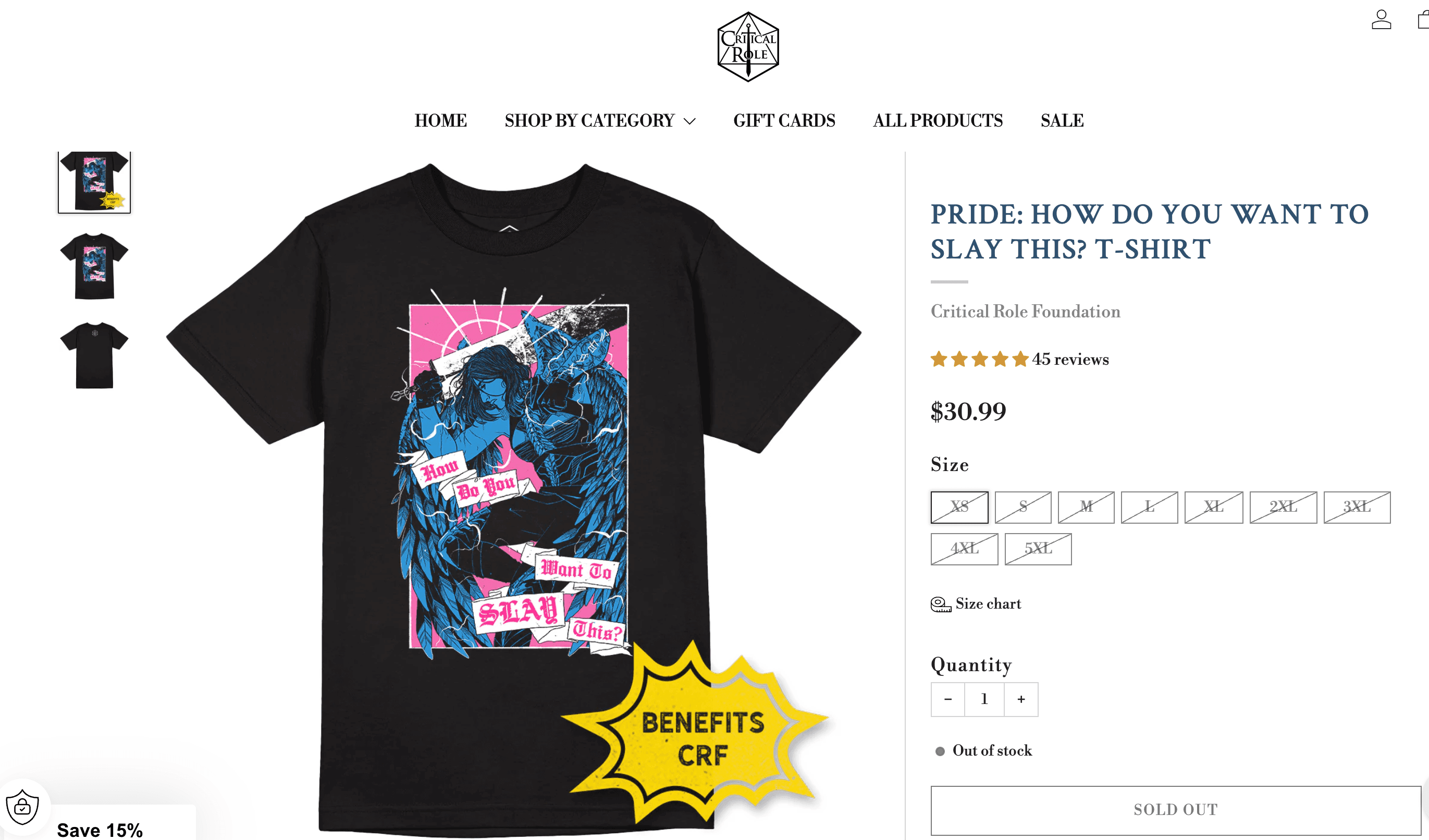
What they truly crave is a badge of honor that signals their identity, carries shared memories, and is rich with emotional meaning. Just look at the fans (or "Critters") of the popular tabletop RPG show Critical Role. They don't just buy shirts with the "CR" initials; they rush to buy shirts printed with "How do you want to do this?"—the Dungeon Master's classic line. This "in-joke" is their badge.
This article will guide you on how to move beyond the limitations of "logo-selling" by starting from the heart of your superfan base, using deep strategy and fine craftsmanship to build a POD (Print-on-Demand) merchandise line that they will go crazy for, be proud of, and willingly pay a premium for.
I. Fan Psychology Insight: From "Identity" to "Social Currency"
To get fans to willingly open their wallets, you must first understand their hearts. As noted in a study on fan culture, fan purchasing is a form of deep emotional investment and identity construction.
The Core Psychological Needs of Superfans:
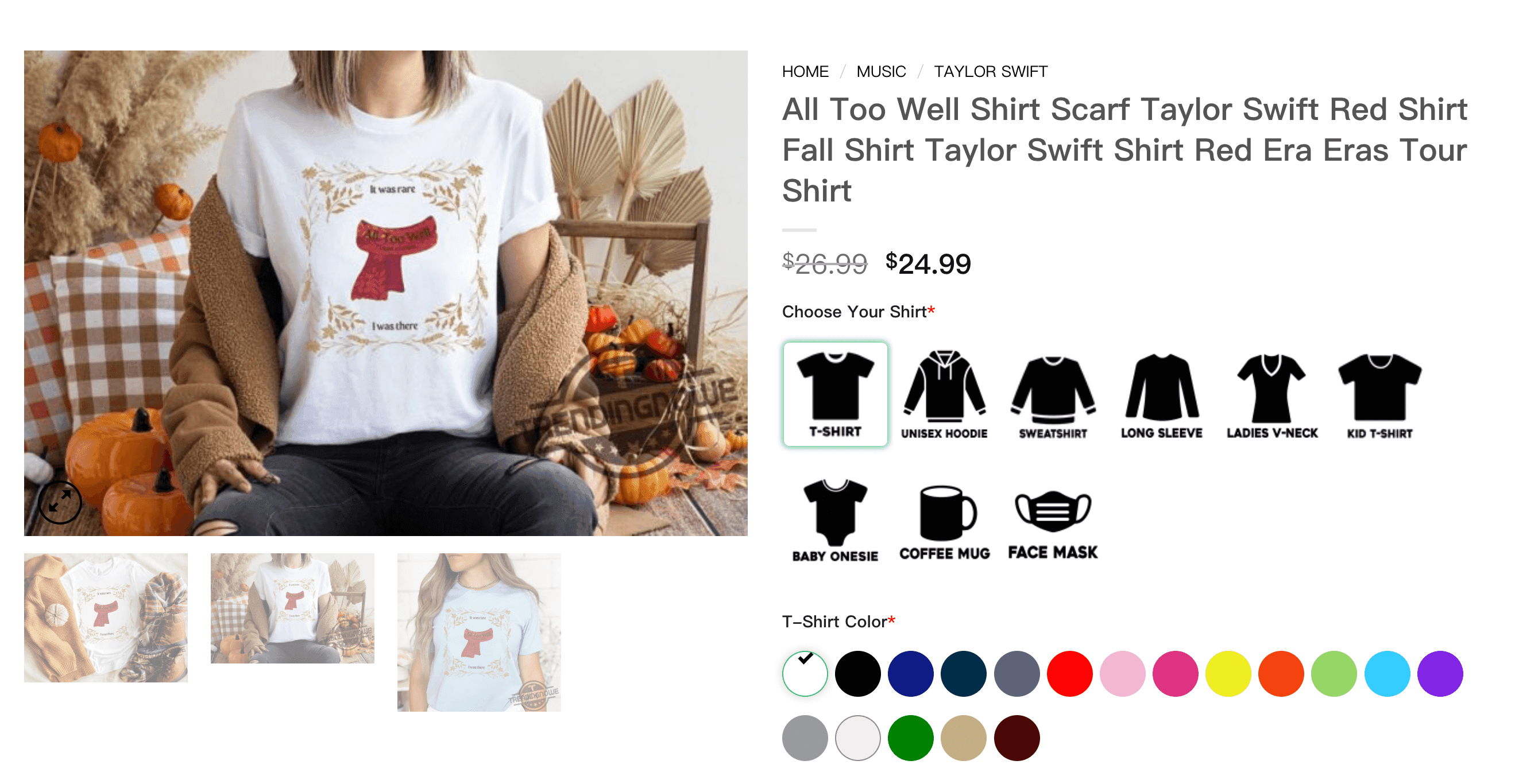
1. A Craving for Uniqueness and Deep Connection: A simple logo isn't "potent" enough for them. They desire credentials that prove they are "in the know." Taylor Swift is a master of this. Her merchandise doesn't just feature her portrait; it showcases imagery of the iconic "red scarf" from All Too Well or a deep-cut lyric from a fan-favorite album track. This unspoken understanding is the deepest connection between a fan and an artist.
2. The Quest for Community and Status: A fan community is a "tribe" built on shared passion. Within this tribe, everyone wants their "senior" status recognized. A well-designed piece of merchandise, rich with cultural subtext, acts as a tribal totem. Wearing it is a declaration: "I am a member of this community, and a dedicated one at that." It helps fans instantly recognize fellow members in a crowd, sparking a silent, knowing conversation.
The Core Strategy: Design "In-Jokes," Not Just Logos
With this understanding, our strategy becomes clear: stop selling crude logos and start designing the "in-jokes" that resonate with your inner circle.
- Mine the "Lingo" and Inside Jokes: What are the recurring catchphrases, classic roasts, or internal jokes that only your fans understand? Turn them into design elements. The product immediately transforms from a piece of clothing into a ticket to a secret club.
- Symbolize Core Scenes and Emotional Moments: Which scene made your fans cry? Which visual is their "hall of fame" moment? Distill these moments into abstract symbols or artistic patterns, not direct screenshots. This subtlety sparks a desire for interpretation and sharing.
- Give Products the Power of "Social Currency": When a fan wears this "in-joke" t-shirt on the street and is recognized by another fan with a knowing smile, the product has fulfilled its ultimate mission. It's no longer an object but "social currency" that unlocks social interaction and signals identity.
II. The Path to Added Value: Creating Desire with Scarcity and Participation
With a design concept that hits home, we need business strategies to amplify this desire to its peak.
Elevate with Craftsmanship: Create "Collectibles," Not "Consumables"
A regular t-shirt is a consumable. Our goal is to create a collectible. Tech review giant Linus Tech Tips (LTT) is a prime example. They weren't satisfied with basic t-shirts, so they invested heavily in developing high-quality screwdrivers, backpacks, and heavyweight hoodies. Fans aren't just buying the brand; they're buying into LTT's commitment to "artisan-level" quality. This dedication to quality allows their merchandise to command a premium far above competitors.
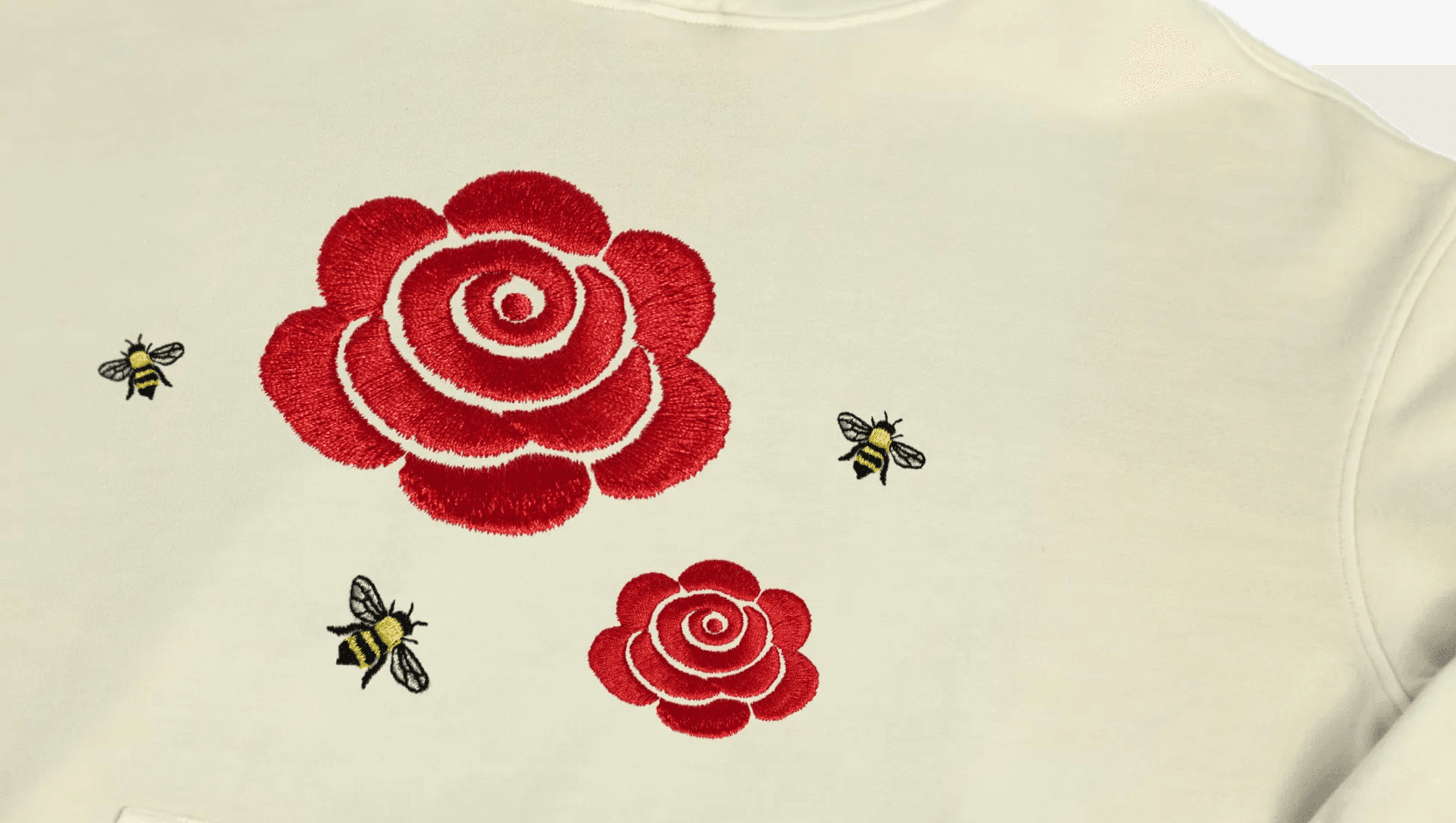
- Embroidery: Compared to printing, embroidery has an unmatched texture and three-dimensional feel. An exquisite embroidered detail can instantly make a standard hoodie feel "premium."
- Special Washes (e.g., Snow Wash, Distressed): These processes give garments a unique, vintage, or trendy look, with each piece being slightly different. This "one-of-a-kind" attribute perfectly matches the superfan's desire for uniqueness.
- Diverse Printing Techniques: Beyond standard printing, techniques like flocking, puff print, glow-in-the-dark, and reflective prints can add surprising fun and distinction to a design, making it stand out.
Co-Create with Your Community: Turn the "Development Process" into a "Marketing Event"
Transforming fans from "consumers" to "co-creators" is the ultimate weapon for igniting their passion. As an article in the Harvard Business Review notes, involving customers in the value creation process dramatically increases their loyalty and satisfaction.
- Open Up Voting: At key design stages—like deciding on a final colorway or slogan—run a poll for your core fans on Discord or Patreon. This not only ensures the final product meets market expectations but also gives fans a sense of pride and ownership.
- Host Design Contests: Mobilize the creativity of your community by launching a public contest for merchandise ideas. Turn the winning designs into actual products and share the revenue with the creator. This is a massive marketing event in itself.
- Tease and Tell the Story: Don't wait for the product to launch to start promoting it. Share behind-the-scenes stories throughout the development process: the design inspiration, the choice of materials, the prototyping failures and successes. Fans who follow this journey will be emotionally invested and eager to own the final "masterpiece."
III. The PODpartner Empowerment Toolkit: Providing the Craftsmanship for Your Creativity
Does achieving "LTT-level" quality and "Critical Role-style" creativity require a huge team and budget? Not anymore. For most creators, Print-on-Demand (POD) service providers are the "empowerment toolkit" to make it all happen.
As explained in Shopify's guide to POD, the model allows you to sell first and produce later, eliminating inventory risk. Advanced providers like PODpartner offer the key capabilities needed for high-value merchandise:
- A Diverse Selection of Crafts: They integrate dozens of techniques, from HD digital printing to the embroidery, special washes, and unique printing methods mentioned above. You can easily achieve complex combinations without sourcing factories yourself.
- Flexible, One-Piece-Minimum Production: The POD model means you don't have to pre-order stock, drastically reducing financial risk. This makes launching "limited editions" or "commemorative" items incredibly simple.
- Branded Customization Services: They offer full branding solutions, from custom neck labels and hangtags to packaging. A premium, branded unboxing experience is the "last mile" in justifying a high price point.
By leveraging these tools, creators can focus their energy on what they do best—creating content and engaging with their community—while leaving the complex manufacturing to a professional platform.
Conclusion: The Best Fan Merchandise Is the "Our Story" You Create Together
At its core, the fan economy has always been about emotion, not objects. A successful piece of merchandise is the physical embodiment of the emotional bond between a creator and their fans—a tangible testament to the laughs, tears, and experiences they've shared.
So, abandon the lazy mindset of just "selling logos." Dive deep into your community, listen, and unearth the "in-jokes" and stories that truly move them. Think like Critical Role. Obsess over quality like LTT.
Remember, the best fan merchandise isn't something you sell to them; it's the "our story" that you create with them. When a product carries enough story and emotion, its value is no longer defined by its price—because it has already become priceless.
Further reading

No Order Minimums

No Membership Fees

No Unsold Stock

No Quality Concerns
Only Creativity, Satisfaction, and Profits!