
 USD
USD
TikTok Shop Setup Guide: Start Selling POD Products Fast


Introduction
TikTok Shop has rapidly become one of the most powerful and fastest-growing eCommerce channels thanks to its blend of viral content, entertainment-driven discovery, and seamless in-app purchasing. Unlike traditional marketplaces where users must search for items manually, TikTok triggers purchases directly through short videos, livestreams, and trend-driven content. Users can watch, discover, and buy without leaving the app, creating a frictionless shopping journey that dramatically increases conversion rates.
This environment is especially effective for apparel sellers. Clothing items such as hoodies, t-shirts, sweatshirts, long sleeves, tank tops, shorts, and pants perform extremely well on TikTok because they integrate naturally into creator content. Outfit transitions, styling videos, and aesthetic-driven trends make apparel both discoverable and desirable. Print-on-Demand (POD) is particularly well-suited for TikTok's pace: it requires no inventory, supports rapid design experimentation, and lets sellers capitalize on emerging style trends with low financial risk.
Why Sell POD Products on TikTok Shop?
TikTok's algorithm favors creativity, visual appeal, and trend participation—making it ideal for apparel brands that rely on style expression. Unlike traditional eCommerce buyers, TikTok users often make purchasing decisions based on how clothing appears in motion, how it fits an aesthetic, or how a creator styles it in a video.
Short-form videos ignite impulse buying because:
- Outfit content shows apparel in real context
- Lifestyle visuals create emotional connection
- Micro-trends (streetwear, cozycore, minimal aesthetic, retro) influence buyer decisions
- Viewers trust recommendations from relatable creators
TikTok Shop's integrated product tagging boosts conversions by placing the "Buy" option directly inside the content.
Step 1: Set Up Your TikTok Shop Account

To begin selling, you'll need a TikTok Shop Seller Center account. The setup typically includes:
- Verifying your identity or business registration
- Providing tax and payment information
- Selecting "apparel & fashion" as your product category
- Enabling TikTok Shop features in the app
Once approved, you can access:
- Product tagging in videos
- The in-video purchase button
- Livestream shopping features
- Your dedicated Shop tab on TikTok
Step 2: Connect TikTok Shop to Shopify
Shopify acts as a robust backend for product management and order organization. To connect it to TikTok Shop:
- Install the official TikTok app in Shopify
- Connect your TikTok for Business account
- Sync selected Shopify products to TikTok Shop
- Activate catalog syncing and in-app checkout
This integration ensures you can operate from a single dashboard without duplicating product entries or orders.
Step 3: Choose the Right POD Supplier
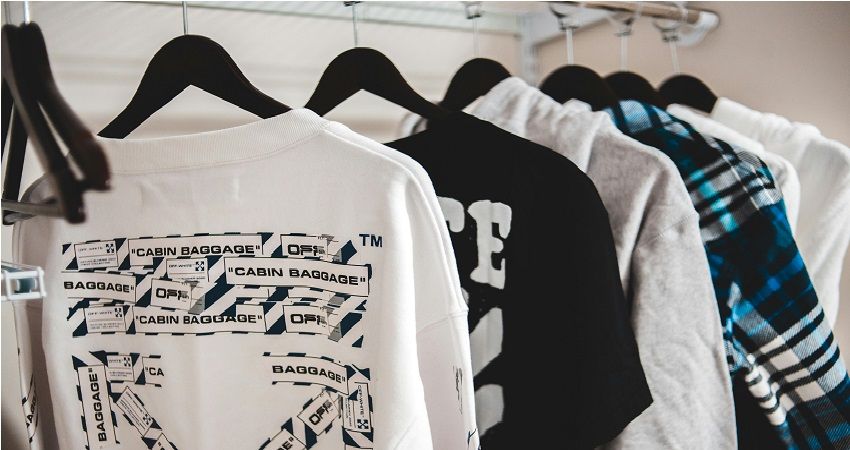
Selecting a POD supplier determines your apparel quality, shipping reliability, and overall customer experience. Major platforms often evaluated by sellers include:
- Printful
- Printify
- Gelato
- Other POD apparel providers
When choosing, consider:
- Available apparel types (hoodies, tees, sweatshirts, etc.)
- Print methods (DTG, DTF, screen transfer, embroidery)
- Available color ranges
- Shipping times and regions
- Branding add-ons (labels, pack-ins, tags)
- Cost structure and profit margins
Choosing a supplier that specializes in apparel or offers high print consistency is essential for TikTok audiences, who pay close attention to garment quality in try-on videos.
Step 4: Design Your TikTok-Friendly POD Products
Apparel categories that consistently perform well on TikTok include:
- Hoodies
- T-shirts
- Long sleeves
- Sweatshirts
- Tank tops
- Shorts
- Pants
Designs that succeed on TikTok often incorporate:
- Bold, eye-catching graphics
- Streetwear, cozycore, or minimal aesthetic trends
- Retro or nostalgic visual themes
- Motion-friendly visuals that look great in outfit videos
- Before-and-after design reveals
Creators typically design using tools such as Canva, Photoshop, Illustrator, and Procreate. The key is ensuring your designs stand out quickly, since engagement often occurs within the first two seconds of a video.
Step 5: Add Products to TikTok Shop
After syncing products from Shopify, optimize each listing with:
- Short, compelling descriptions
- Multiple lifestyle mockups
- Video demonstrations of the apparel
- Accurate size guides
- Aesthetic visuals aligned with TikTok styles
TikTok users respond far better to product videos than images, so including real-person clips is essential.
Fulfillment workflows vary depending on your supplier and technology stack. Sellers typically route orders through Shopify, where they are forwarded manually or processed using automation rules if available.
Step 6: Create High-Performing TikTok Content
Successful apparel sellers consistently produce engaging video content. Strong ideas include:
- Try-on hauls
- "Watch me design this hoodie" tutorials
- Embroidery or print detail close-ups
- Behind-the-scenes creation
- Aesthetic outfit transitions
- Trending-sound outfit videos
Tips for viral potential:
- Hook viewers within the first 2 seconds
- Showcase the apparel early
- Use trending sound effects or music
- Add personality, humor, or storytelling
- Stay authentic and unpolished—TikTok rewards realness
Step 7: Promote Your Products
Promotion strategies that work well on TikTok Shop include:
- Partnering with affiliate creators
- Boosting high-performing organic videos with Spark Ads
- Running Showcase Ads for apparel discovery
- Collaborating with micro-influencers in niche fashion communities
- Launching limited-edition drops for urgency
Scarcity and trend alignment significantly increase conversion rates.
Step 8: Manage Orders & Fulfillment
TikTok Shop sends orders directly into Shopify for centralized management. While not all POD suppliers currently support automated TikTok fulfillment, orders can still be processed manually through Shopify or routed via existing order forwarding methods.
To maintain a strong seller rating, make sure to:
- Respond promptly to customer messages
- Monitor shipping times
- Handle returns and cancellations professionally
- Keep track of performance metrics that affect your shop placement
Step 9: Optimize Your Shop Using Analytics
TikTok Shop analytics provide essential data, including:
- Product views
- Click-through rates
- Conversion rates
- Top-selling apparel categories
- Refund reasons
- Trend-based performance
Since TikTok trends can shift weekly, sellers should update designs frequently and release new items that match emerging styles.
TikTok Shop POD Success Examples (Non-Identifying)
Here are conceptual examples that align with policy:
- A streetwear-style seller promoting oversized embroidery hoodies
- A minimalist apparel brand showcasing pastel oversized tees
- A fitness creator selling motivational tank tops
- A cozy lifestyle account launching aesthetic sweatshirts
These examples illustrate how apparel adapts well to niche TikTok communities.
Common Mistakes to Avoid
- Launching too many designs instead of testing winners
- Not ordering samples
- Relying solely on product photos instead of video content
- Ignoring trending sounds and aesthetics
- Using POD suppliers with slow turnaround
- Not optimizing sizing, descriptions, or fit visuals
Conclusion
Selling POD apparel through TikTok Shop involves setting up the seller account, connecting Shopify, choosing a POD supplier, designing apparel, optimizing product listings, producing engaging video content, and scaling using analytics. Apparel thrives on TikTok because the platform blends style discovery, social proof, and instant shopping. With rapid trend cycles and visually driven buying behavior, sellers who release high-quality designs and compelling content can grow quickly.
Further reading

No Order Minimums

No Membership Fees

No Unsold Stock

No Quality Concerns
Only Creativity, Satisfaction, and Profits!