
 USD
USD
How to Use UI/UX Design to Create a Memorable Brand Experience


A website is more than just a website. It's the first stage where people meet your brand. The look, the flow, and the way it responds create a silent story about who you are. That story is your brand experience.
UI is the visual layer. It's what people see at first glance—colors, images, fonts, and layout. UX is the behavior underneath. It's how buttons react, how smooth the checkout feels, and whether the words match your values. When UI and UX align, they create a memorable website experience that encourages visitors to stay.
UI/UX is the Silent Spokesmodel of the Brand
Every brand has a face. Online, your website plays that role. Design choices in UI and UX act like a silent spokesmodel; always speaking, even when no words are written.
UI: The Brand's "Visual Language"
Colors, fonts, and imagery are more than decoration. They speak for you before a single word is read. A bold black-and-white theme can suggest strength and minimalism. Soft pastels suggest warmth and approachability. This visual language is what people remember when they think of your site.
Example: A print on demand fashion store using streetwear visuals can give an edge of exclusivity. Sharp typography, full-width images, and bold colors convey to shoppers that this brand has attitude.
UX: The Brand's "Behavioral Logic"
Good UX is the smooth flow between actions. It's where a button sits. How long checkout takes. Whether the copy feels human or robotic, all these choices shape the buyer's journey and define the brand experience.
Example: An online store using PODpartner makes it easy to connect visuals with behavior. Imagine bold streetwear designs showcased in a clean layout. The buttons stand out, the process is quick, and the tone feels personal. That's how UI and UX together create a memorable website experience.
Five Steps to Create Memorable Website Experiences
Here are the five steps you can take to achieve a memorable website experience:
1. Start with a Clear Brand Identity
If your brand doesn't know what it stands for, your website will show it. The design ends up looking like a mix of random choices instead of a clear statement. Before you play with layouts, lock down the basics—colors, fonts, tone, and overall vibe. These are the things people will associate with you after they leave the page. Take a print on demand store for example. If you're selling streetwear, bold contrasts and oversized fonts make sense.
2. Design Intuitive Navigation
A good website doesn't make people think too hard. If the visitors cannot determine where to click, they will merely abandon ship. Good UX's backbone is clear navigation. Make menus short, keep your stock logically ordered, and keep the core actions—such as the "Add to Cart" or "Checkout"—clear. Even a little addition, even something as little as a properly positioned search bar, simplifies customers' lives.

3. Use Interactive Elements with Purpose
Animations, hover effects, and transitions can be fun, but too many of them, and your site starts to feel like a video game. These details' job is to tip the visitor, rather than distract the visitor. Picture the following scenario. You're shopping for a collection of T-shirts. You point over something, and the back design comes up immediately. That little bit of interaction saves clicks, is pleasing, and holds the customer's attention. It's small, yet it gives the brand experience a little bit of a lift.
4. Optimize for Speed and Accessibility
This one's simple: if your site is slow, you lose people. It doesn't matter how great your designs are, or how clever your UX is. If the page takes too long to load, buyers won't wait. Compress your images, test your site on mobile, and keep things lightweight. A fast site feels modern and trustworthy. Accessibility is just as important. Strong color contrast, readable text, and alt tags for images aren't "nice to have," they're necessary. They make your store usable for everyone, and that inclusiveness becomes part of your memorable website experience.

5. Test and Iterate Regularly
A website isn't something you finish and forget. The brands that grow are the ones that treat their site as a work in progress. Test different button colors. Try new layouts. Ask customers where they get stuck. If you're in print on demand, this is where tools like PODpartner really help. You can experiment with different product mockups and packaging designs to see which ones resonate your brand more. Overtime, these things will shape how your brand will tune with the audience.
Bonus: Introducing PODpartner— Your Print On Demand Business Partner
A strong design doesn't stop at the website. The way a product reaches the customer is part of the brand experience too. Think about unboxing. It's the final step of the journey and the moment when your digital design becomes a physical memory. If the packaging feels cheap, the whole impression weakens. If it feels thoughtful, the experience becomes memorable. This is where PODpartner makes a difference for sellers in the print on demand space.
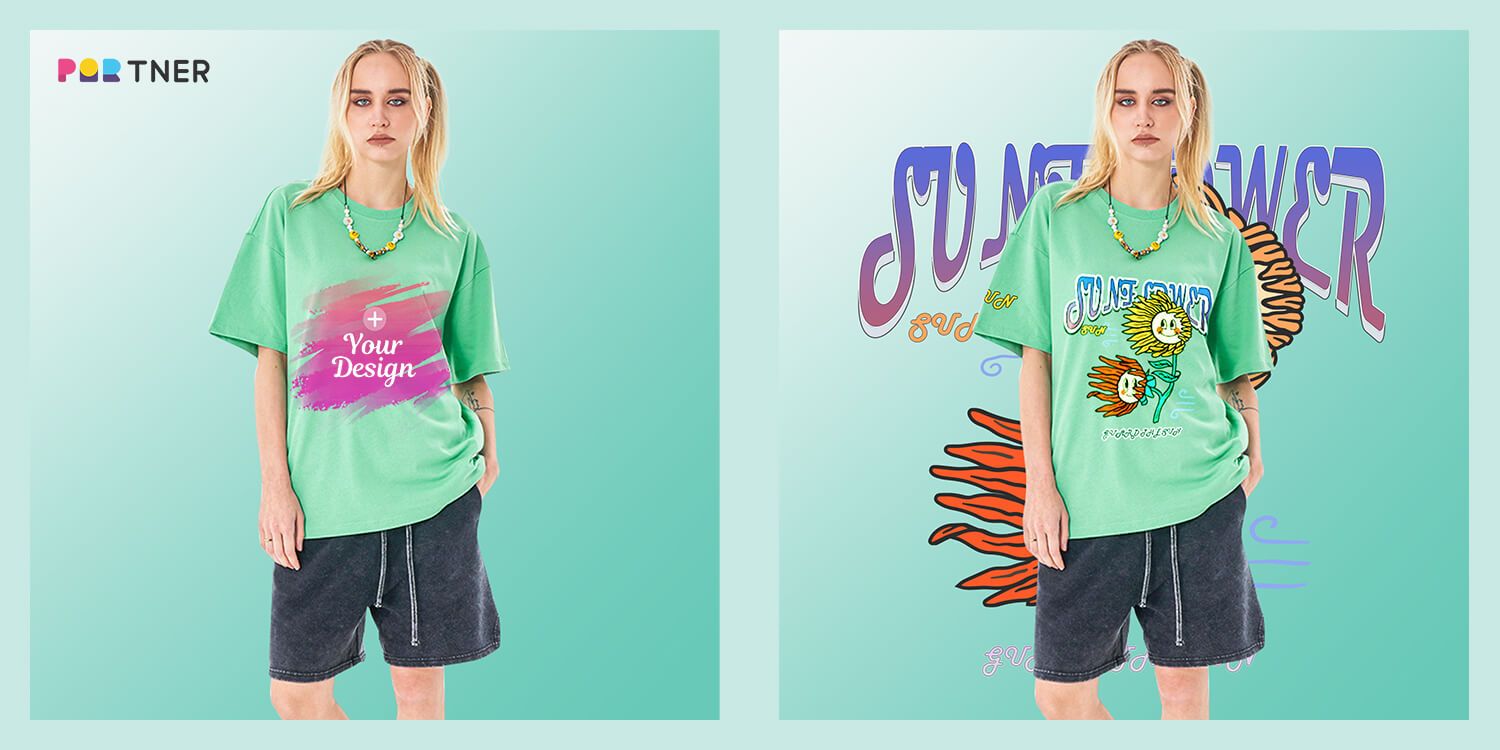
Key Features:
- Custom Packaging and Labels: Your logo on the bag, your brand colors on the tag. These details make the package feel like it came from a premium brand, not a generic warehouse. It strengthens the connection between your UI and UX choices online and the way the product is received offline.
- Streetwear-Inspired Catalog: Trends shift quickly. PODpartner leans into designs that match current demand, especially in streetwear. That makes it easier to align your online UI with the products themselves, so the digital look and the physical item feel like one. They also offer 18 different design zones so you have the freedom to design how you like.
- No Upfront Costs: Many new sellers hesitate to invest in bulk orders. With PODpartner, there's no need to stockpile inventory. You design first, and production only happens when someone buys. This lowers risk while letting you focus on building a memorable website experience.
- Global Shipping: A brand shouldn't be limited by borders. PODpartner ships worldwide, giving even small stores the ability to serve customers across continents. Plus, you can choose Express Delivery for faster delivery with a small additional cost.
Together, these features help small brands act like big ones. They let you link your online design with a physical outcome that feels cohesive. The site looks polished. The purchase flow is smooth. The product arrives in packaging that feels on-brand. That end-to-end process is what turns a one-time visitor into a long-term customer.
Wrapping it Up!
Good design is invisible when it works. Visitors don't stop to think, "That's great UI," or "That's smart UX." They simply feel the flow. They remember how easy it was to buy. They recall how good the product looked when it arrived. And that memory shapes how they talk about your brand to others.
That's the core of building a brand experience through UI and UX. One without the other creates gaps. A beautiful interface without smooth interaction can be frustrating to people. A smooth interaction without strong visuals leaves no impression. But when both align, they create a memorable website experience that lasts beyond the first click.