
 USD
USD
Virgil Abloh: The 3 percent approach

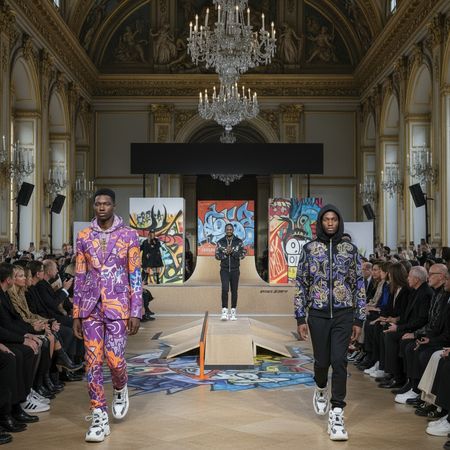
Streetwear really has always captured the youth; it's loud, it's fast, it's unapologetic. After years of luxury fashion dismissing it as too casual or even disruptive. That was a table turner when Virgil Abloh stepped in. Abloh was born in Illinois to Ghanaian parents. He studied engineering first, then architecture, before turning to fashion. His vision stood out; he refused to divide high and low culture, choosing instead to merge them into one style.
From launching Off-White to leading Louis Vuitton menswear, Abloh marked one breakthrough after another. He was the first Black artistic director at the house. These wins went beyond personal success. They showed streetwear had earned its place in luxury, with Abloh as the figure who bridged both worlds.
3% Rule: How Minor Changes Reshape Fashion Rules
At the core of Virgil Abloh's work was what he called the "3 Percent Approach." The idea was straightforward. Shifting just three percent of a design could be enough to create a fresh piece. This way of thinking challenged fashion's obsession with constant reinvention. Instead of discarding what came before, Abloh kept the base intact. He worked with familiar shapes and styles but altered them slightly—through typography, bold graphics, new fabrics, or subtle construction changes. Those small adjustments gave classic silhouettes a different edge and made them feel modern to a new audience.
Take his work with Nike as an example. In "The Ten" sneaker line, the goal wasn't to invent a shoe from nothing. Abloh kept the originals recognizable. What he added were sharp, deliberate tweaks—exposed stitching, handwritten text, and see-through materials. These details were small on paper but had a huge impact. That slight shift was enough to transform everyday sneakers into prized collector's pieces. At Louis Vuitton, Virgil carried the same vision forward. He respected the brand's roots but added his own edge: bold prints, new textures, and streetwear-driven collaborations. His work at Off-White showed the same philosophy. Quotation marks, zip ties, and slight graphic changes turned into a visual language that felt playful yet distinct.
This idea became known as the "3 Percent Approach." It wasn't just about design—it doubled as a business strategy. Virgil believed that even small, intentional changes could spark cultural conversations. These moves built hype, sparked demand, and kept the work real. It proved fashion could grow without losing its foundation.
The Brands That Showcased the 3%
Nike became his canvas for classics. He took well-known sneakers and broke them down with subtle deconstruction, letting small changes create something entirely new. At Louis Vuitton, he treated luxury in a distinctive way. The house's traditional designs stayed intact, but he added a modern streetwear voice—fresh textures, bold patterns, and cultural references that made the brand feel current without losing its prestige.

Off-White followed the same path. Everyday objects were redesigned through typefaces, industrial tags, and unexpected details. These elements weren't random—they built a language that made ordinary pieces instantly recognizable. Virgil's philosophy was clear. Tradition didn't need replacing. It needed reshaping. By reworking instead of rejecting, he moved fashion away from the idea of exclusivity and toward a space people could actually connect with.
Integrating Street Culture into Luxury Brands
Streetwear is about earning cultural credibility, not about limited drops. Fashion houses began to see that Street culture wasn't a passing trend. It was a global movement with real influence and economic power. He mixed the raw edge of street style with the polish of luxury fashion. The result was a new look that joined both worlds. Youth finally saw themselves in places that once shut them out. At the same time, traditional luxury clients discovered new ways to interact with culture through design.
You may also interested in Building a Culture of Participation Through Customization
The Commercial Value of Virgil's Designs
Virgil's impact wasn't just creative. It was also deeply strategic. His work gave younger buyers a sense of ownership. When they purchased his pieces, they weren't only buying clothes. They were buying into a cultural statement.
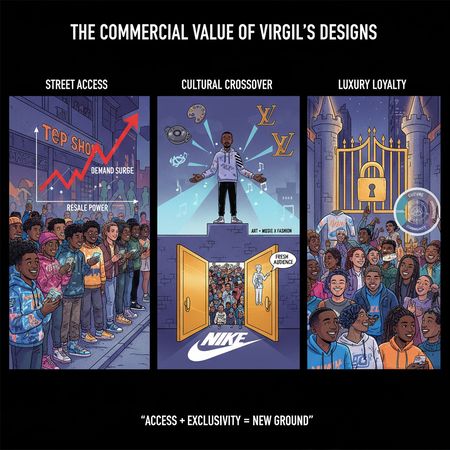
Luxury brands found this phenomenal success under this model:
- Demand surged, and resale markets showed the staying power of his designs.
- Partnerships with art and music opened new doors for fashion.
- Fashion houses built loyalty by connecting with fresh audiences.
Streetwear has always stood for access and openness. Luxury, on the other hand, has meant exclusivity. Abloh pulled the two together, creating a middle ground where culture and business could thrive side by side.
Legacy Continues: The Era-Defining of the 3% Theory
Virgil passed away in 2021, but he is still an influential part of fashion. The "3 Percent Approach" remains his signature idea. Many designers now follow it, choosing minor adjustments over complete reinvention.
Brands worldwide, from luxury houses to independent labels, apply this method:
- Slight changes to classic designs to keep them relevant.
- Typography-driven branding, especially in print-on-demand spaces.
- Limited-edition drops that spark hype and fuel cultural conversations.
For the PODpartner community, his philosophy feels especially fitting. In POD, creators rarely redesign the garment itself. Instead, they add graphics, textures, or minor twists. This is the 3 percent approach in practice—changing perception without starting from scratch.
Virgil's legacy lives on not only through the clothes he made but through the mindset he left behind. He showed that fashion is more than product. It is an ongoing cultural conversation.
Implementing the 3% Theory
For creators in streetwear and the PODpartner community, the 3 percent approach can be transformative. The idea isn't about starting from scratch. Virgil Abloh proved you don't need to start from zero to make a solid hundred. Small, sharp changes—The 3 percent approach—were enough to bend fashion's rules. With it, he put Street culture on the luxury map. The same principle can guide anyone starting out today.

With PODpartner, you don't need ateliers in Paris or a global supply chain. You only need ideas. The platform lets you design pieces—hoodies, tees, jackets, or accessories—that carry your own mark. Each item is produced when ordered, so you never sit on unsold stock.
Think of the possibilities:
- A classic sweatshirt reworked with your typography twist.
- A T-shirt stamped with a graphic that speaks to your community.
- Accessories that echo Virgil's "everyday into luxury" ethos, but on your own terms.
Key PODpartner Advantages:
- No Upfront Investment — designs only get made once customers buy.
- Wide Appeal Range —hoodies, T-shirts, and more.
- Custom Branding Options — tags, labels, and packaging made to fit your style.
- Global Delivery — Direct-to-customer shipping, with express options available.
- Creative Flexibility — 18 print zones and generous sizing for embroidery and DTG.
Virgil's legacy proves that design is about perspective, not resources. With PODpartner, you can channel that same energy—transforming a few percentage points of change into a collection that feels original, current, and true to you.
The Closure!
Virgil Abloh changed fashion with the "3 Percent Approach," proving minor tweaks can shift entire industries. By merging street and luxury, he showed the value of staying real. From Off-White to Louis Vuitton, his work showed that design doesn't need to begin from scratch. A subtle shift can create relevance, spark hype, and build lasting value.
For today's designers, especially in POD and streetwear, his method serves as both guide and inspiration. Graphics, typography, and material choices can all follow this philosophy—innovation through intention. Virgil's legacy is more than fashion. And as long as creators apply his approach, that legacy will live on in every piece that carries culture forward.
Further reading

No Order Minimums

No Membership Fees

No Unsold Stock

No Quality Concerns
Only Creativity, Satisfaction, and Profits!