
 USD
USD
11 White Label Business Opportunities to Start in 2026


Let’s get one thing straight before we talk about “opportunities.”
White label is not passive income. It’s not a shortcut. And it’s definitely not a business model for people who want results without responsibility.
White label works because it removes one very specific risk: product invention. You’re not guessing whether the product should exist. You’re betting on how well you can package, position, and distribute something that already sells.
In 2026, that matters more than ever. Customer acquisition costs are up 20–40% compared to just a few years ago. Attention is fragmented. Platforms punish inconsistency. And the brands that survive aren’t the most creative — they’re the most disciplined.
White label gives founders leverage, but only if they understand the tradeoff. You’re not competing on novelty. You’re competing on execution. And execution is where most people quietly fail.
This article isn’t about flashy ideas. It’s about white label categories that behave well economically — the kind that survive bad ad weeks, tolerate operational mistakes, and still compound over time.
What Actually Makes a White Label Business Worth Building in 2026
Here’s the uncomfortable truth most “business idea” articles won’t tell you:
Most white label businesses fail because the founder chose a product they personally liked, not one that works commercially.
A viable white label opportunity in 2026 needs to pass four hard filters.
First, the product must tolerate imperfection. Apparel, accessories, and lifestyle goods forgive small variations. Electronics, gadgets, and “smart” products don’t. That’s why apparel return rates hover around 8–12% when done well, while gadget categories routinely exceed 20% and destroy margins.
Second, branding must materially change perception. If your product looks interchangeable with twenty others on the first scroll, you’re competing on price whether you like it or not. White label only works when branding creates distance from generic alternatives.
Third, repeatability must exist — even indirectly. A customer may not buy the same hoodie twice, but they’ll buy another colorway, another drop, or a seasonal version. One-time novelty products die quietly after the first spike.
Finally, the product must work inside modern content ecosystems. If it doesn’t photograph well, doesn’t spark comments, and can’t anchor short-form video, you’ll bleed money trying to advertise it.
This is why execution matters more than the product itself. The product only determines how hard execution will be.
Where White Label Actually Works in 2026 (And Why)
Apparel Isn’t Saturated — It’s Poorly Positioned
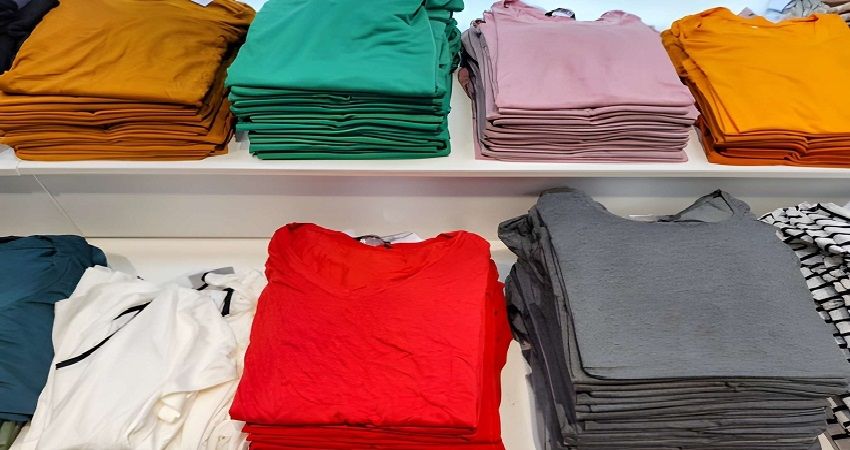
People love to say apparel is “too competitive.” That’s lazy thinking.
What’s saturated is undifferentiated apparel.
The white label apparel brands making real money right now aren’t doing anything revolutionary. They’re doing a few boring things exceptionally well. They launch small. They stick to a tight aesthetic. They price with confidence instead of apology. And they understand that fewer SKUs executed well beat endless catalogs.
Embroidery has quietly become one of the biggest margin levers in apparel. An embroidered hoodie that costs only slightly more to produce can sell for 30–50% more than a print-only equivalent — with fewer wash complaints and lower perceived “cheapness.”
This is where execution infrastructure matters. Platforms like PODpartner give apparel founders an edge because they control both garment manufacturing and decoration. When you can combine printing and embroidery on the same piece, use multiple placements, and maintain consistent quality across runs, you stop selling “merch” and start selling products.
That difference shows up in reviews, repeat orders, and lifetime value — not just unit margins.
Emotional Products Beat “Smart” Products Every Time
Some of the most profitable white label categories aren’t logical at all. They’re emotional.
Personalized gifts, keepsakes, and commemorative apparel don’t compete on specs. They compete on meaning. A customer buying an embroidered sweatshirt with a child’s name isn’t price shopping. They’re deadline shopping. They’re emotion shopping. They’re buying reassurance that they won’t mess this up.
That’s why these products support higher prices and tolerate lower conversion rates. Intent is stronger. Refund rates are lower. And perceived value far exceeds production cost.
Pet products behave the same way. Pet owners don’t act like rational consumers. They act like caretakers. A niche pet brand with a clear personality routinely outperforms broader lifestyle stores with far less traffic.
The mistake most founders make here is being generic. “Cute pet stuff” blends in. Focused pet brands — breed-specific, lifestyle-specific, humor-driven — convert faster because relevance compresses the sales funnel.
Fitness, Sustainability, and Hobby Niches Still Work — If You Pick a Side

Fitness apparel continues to work because demand is repeat-based. People replace items. They upgrade. They rotate outfits. That repeat behavior lowers acquisition costs over time and stabilizes revenue.
What doesn’t work anymore is being vague. “Activewear for everyone” is a losing proposition. “For runners,” “for lifters,” or “for yoga-first lifestyles” gives customers a reason to choose you over the generic alternative.
Sustainability follows the same rule. “Eco-friendly” is meaningless in 2026. Customers are allergic to vague claims. Brands that explain specifics — recycled cotton percentages, low-water dye processes, plastic-free packaging — earn trust and pricing power.
Hobby-based products convert well because explanation isn’t required. Gardeners don’t need convincing that a gardening-themed product should exist. They only need to like your version of it.
How Founders Actually Choose the Right White Label Opportunity
Here’s the question most people avoid asking themselves:
If you removed the logo, the copy, and the story — would anyone still choose your product?
If the answer is no, that’s not a dealbreaker. But it means branding has to do heavy lifting, and you need to be honest about that before spending money.
The strongest white label founders don’t chase categories. They chase advantages:
- Existing audience access
- Design taste others don’t have
- Operational discipline others avoid
- Or the patience to build trust slowly
They validate early with small launches. They obsess over refund reasons. They kill underperforming products without emotional attachment.
Most importantly, they focus. One product executed well builds momentum. Five products executed poorly dilute it.
Turning a White Label Idea Into a Scalable Business

White label businesses don’t collapse overnight. They erode slowly through small execution failures.
Partner selection matters more than squeezing the lowest unit cost. Inconsistent quality destroys trust faster than marketing can rebuild it. Branding must be intentional — name, tone, visuals, and messaging should reinforce each other, not compete.
Fulfillment reliability determines whether growth feels exciting or exhausting. Late shipments and inconsistent results quietly kill lifetime value.
Launch strategy should be conservative and test-driven. Start where your audience already exists. Validate with real purchases before expanding channels. Scaling happens through repeat products, bundles, and structured drops — not endless SKU expansion.
For apparel-focused white label founders, PODpartner removes many traditional friction points by combining in-house clothing manufacturing with advanced printing and embroidery. That operational control allows brands to differentiate through quality, multi-placement designs, and branded materials — without holding inventory or gambling on bulk orders.
That’s not a shortcut. It’s leverage.
White Label Rewards Builders, Not Tourists
White label isn’t passive income. It’s a builder’s model.
It rewards people who like refining systems, tightening positioning, and shipping the same product better every month. If you’re addicted to novelty, you’ll hate it. If you enjoy compounding improvements, it’s one of the most reliable ways to build a brand in 2026.
Opportunity is everywhere.
Execution is still rare.
And that’s why white label continues to work — not because it’s easy, but because most people quit before it compounds.
Further reading

No Order Minimums

No Membership Fees

No Unsold Stock

No Quality Concerns
Only Creativity, Satisfaction, and Profits!