
 USD
USD
Ultimate Guide to 1990s Fashion & Styling for Gen Z

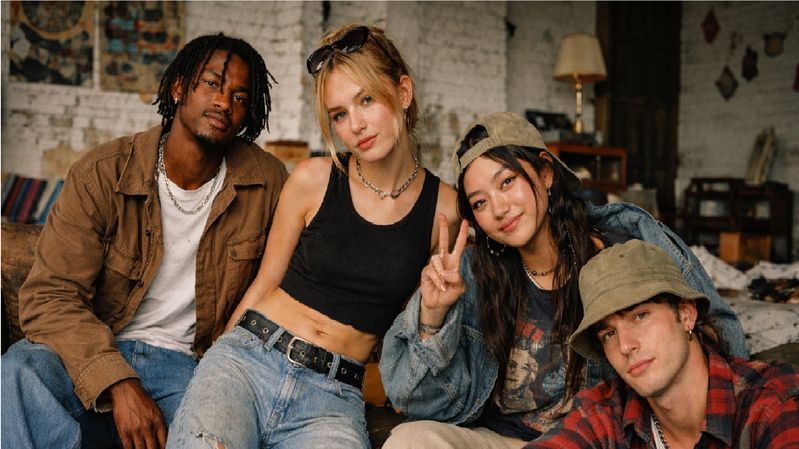
Gen Z’s obsession with 1990s fashion isn’t accidental, and it isn’t just recycled nostalgia passed down through family photo albums. It’s the result of a cultural feedback loop accelerated by TikTok, Instagram, and archive culture, where old aesthetics aren’t simply revived—they’re pulled apart, reinterpreted, and rebuilt in public.
What makes this wave different is distance. Gen Z didn’t live through the 90s, which gives them creative freedom. They aren’t emotionally invested in recreating the era “correctly.” Instead, they treat it as source material. They extract fragments—baggy jeans, cropped tanks, thrifted graphics, workwear jackets—and remix them into something that feels relevant now.
This is why Gen Z isn’t copying the 90s. They’re reframing it.
In an era dominated by hyper-curation, filters, and algorithm-approved sameness, 90s fashion feels refreshingly human. It looks imperfect. It feels lived-in. And most importantly, it prioritizes expression over polish. The appeal isn’t just aesthetic—it’s philosophical.
That’s also why this guide isn’t a trend list or shopping checklist. The 90s were never about ticking boxes. They were about attitude, comfort, and identity. The goal here is to help you understand how 90s style works, so you can use it as inspiration rather than imitation.
What Made 1990s Fashion Different — And Why It Still Resonates
Fashion as Self-Expression, Not Polish
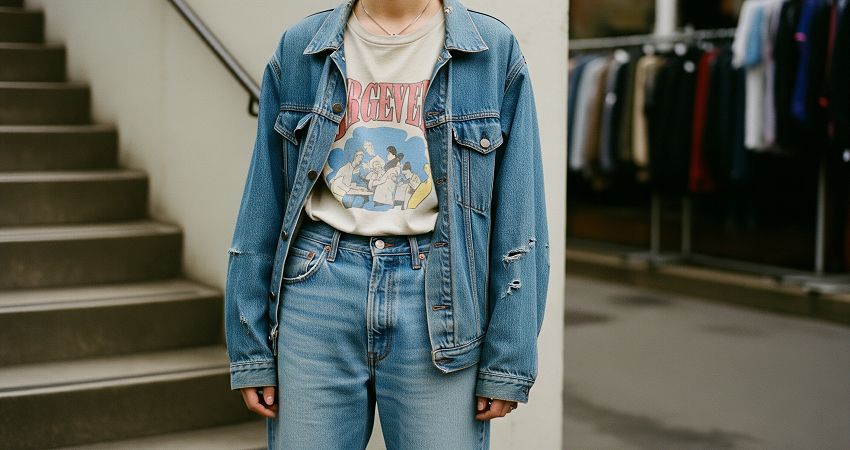
The defining characteristic of 1990s fashion wasn’t a specific silhouette, brand, or designer. It was an attitude. The decade pushed back against the excess and perfectionism of the 1980s and replaced it with something more grounded and personal.
Outfits didn’t aim to look expensive or refined. They aimed to look real.
Clothes were worn hard. Tees faded after countless washes. Denim loosened over time. Jackets slouched instead of sitting perfectly on the shoulders. That visible wear wasn’t a flaw—it became part of the style itself. Clothing acted as a record of lived experience rather than a polished display.
For Gen Z, this rejection of perfection feels especially relevant. In a digital environment where everything can be edited, filtered, and optimized, visible imperfection signals honesty.
Anti-Trend Culture and the Freedom to Mix
Although trends existed in the 90s, the culture surrounding fashion was deeply anti-trend. People mixed aesthetics instinctively, not strategically:
- Skate culture collided with hip-hop
- Grunge coexisted with minimalism
- Thrifted finds sat comfortably next to designer pieces
There was no pressure to optimize an outfit for universal approval. Looking slightly off, mismatched, or unfinished often meant you were doing something right.
This freedom to mix without explanation is one of the most powerful elements Gen Z has carried forward.
Culture Shaped Style — Not the Other Way Around
Music, film, and local street scenes shaped fashion organically. Artists dressed for stages, basements, sidewalks, and skate spots—not for sponsorships or social feeds. Movies and TV shows captured people as they actually were, not as aspirational avatars.
That rawness is exactly why 90s fashion still resonates today. In a hyper-curated era, it feels honest.
The Silhouettes, Textures, and Visual Language Gen Z Keeps Bringing Back
Oversized Fits as the Foundation
Modern 90s-inspired looks almost always start with silhouette. Oversized, baggy, and relaxed fits form the base of most outfits:
- Loose denim that sits low and moves freely
- Boxy tees that drape rather than cling
- Slouchy hoodies and jackets with dropped shoulders
These shapes create space—physically and visually. They reject tight control in favor of comfort and movement, aligning naturally with Gen Z’s preference for ease and authenticity.
Contrast Through Cropped and Fitted Pieces
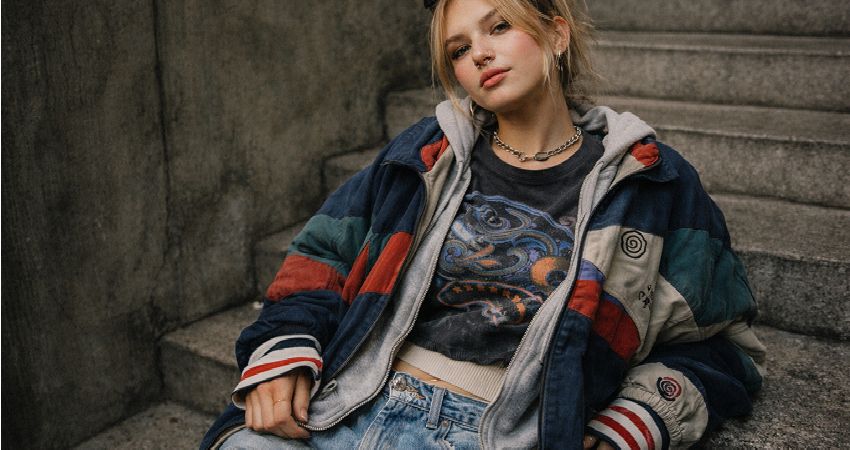
What keeps modern styling from feeling shapeless is contrast. Cropped tanks, fitted tops, and body-conscious pieces are layered into loose silhouettes not for sex appeal, but for balance.
The tension is intentional:
- Baggy pants paired with a cropped tank
- Oversized jackets worn over fitted tops
This interplay keeps outfits dynamic and visually grounded.
Layer-First Styling
Layering is central to the 90s visual language. Tees over long sleeves. Tanks under hoodies. Windbreakers thrown over everything. Layers add depth and make outfits feel adjustable, lived-in, and personal.
They also allow for variation. The same core pieces can be styled differently day to day, which is part of the aesthetic’s longevity.
Graphics, Texture, and Detail
Visually, Gen Z leans into what made the 90s bold:
- Loud graphics and text-based prints
- Stripes, swirls, and abstract patterns
- Embroidery, patches, and tactile details
Even minimalist outfits usually include one deliberate visual anchor that signals intent.
Color Stories That Feel Worn, Not Loud
Color is expressive but restrained. Washed-out denim, faded blacks, and earthy neutrals like brown, olive, and beige dominate. Neon appears sparingly, often as an accent rather than the main focus.
This balance keeps outfits expressive without tipping into costume.
Why This Visual Language Works Today — And How It’s Being Recreated
This aesthetic translates so well into modern streetwear because it invites customization, experimentation, and variation. That’s exactly how 90s fashion worked in real life—no two outfits were identical, even when people were drawing from the same cultural influences.
That reality is one reason many modern brands recreating authentic 90s-inspired looks rely on platforms like PODpartner. Unlike traditional apparel production that forces rigid silhouettes and limited options, PODpartner is built around flexibility. Oversized garments, relaxed fits, and evolving color palettes make it easier to recreate the slouchy, worn-in feel that defined the decade.
Details matter just as much. Multiple print placements, larger print areas, and the ability to combine printing with embroidery allow brands and creators to build pieces that feel layered and expressive rather than flat. This mirrors how 90s clothing actually functioned—graphics weren’t just decoration, they were statements. Embroidery, patches, and text-based elements added texture, personality, and intent.
Because PODpartner owns both its printing and clothing manufacturing factories, styles and colors can be updated quickly without locking brands into long production cycles. That speed aligns naturally with Gen Z behavior, where aesthetics are tested, remixed, and refined in real time rather than planned seasons in advance.
The goal isn’t mass replication. It’s a controlled variation. And that production mindset fits seamlessly with why 90s fashion still feels relevant today.
How Gen Z Styles 90s Fashion Differently Today
Remixing, Not Recreating
Gen Z approaches the 90s as inspiration, not a rulebook. Vintage aesthetics are mixed with modern streetwear cuts, updated footwear, and contemporary proportions.
A thrifted tee might sit next to modern cargos. A 90s-inspired hoodie might be paired with sneakers that didn’t exist five years ago. Accuracy isn’t the goal. Relevance is.
Gender-Neutral Silhouettes and Comfort-First Fits
Oversized shapes and relaxed tailoring naturally blur traditional gender boundaries. Clothes are chosen for how they feel and move, not for how they categorize the body.
Comfort becomes part of confidence rather than a compromise.
Everyday Wear, Not Nostalgia Cosplay
The strongest Gen Z looks are wearable. They’re designed for real life—school, work, casual nights out—not for one-off photos or costume moments. This practicality keeps the aesthetic grounded and sustainable.
TikTok as a Remix Engine, Not a Rulebook
TikTok accelerates trends, but Gen Z doesn’t treat it as a style authority. Creators remix, reinterpret, and discard ideas quickly. Irony, confidence, and sincerity coexist.
Wearing something intentionally awkward or “ugly” only works when it’s backed by self-awareness.
Conclusion: Making 90s Fashion Your Own
The biggest mistake people make with 90s fashion is treating it like a formula. The decade works best as inspiration, not instruction. When you chase accuracy—specific brands, exact silhouettes, rigid references—you lose the spirit that made the era powerful.
Gen Z’s most compelling looks prioritize personal style over trend obedience. Confidence, comfort, and expression matter more than historical precision.
At its best, 90s-inspired fashion feels lived-in, not staged. It leaves room for experimentation. And it reminds us that style doesn’t need to be optimized to be meaningful.
That’s why the 90s endure—not as a rulebook, but as a mindset.
Further reading

No Order Minimums

No Membership Fees

No Unsold Stock

No Quality Concerns
Only Creativity, Satisfaction, and Profits!