
 USD

How Much Does a T-shirt Weigh? Buyers & Sellers Guide

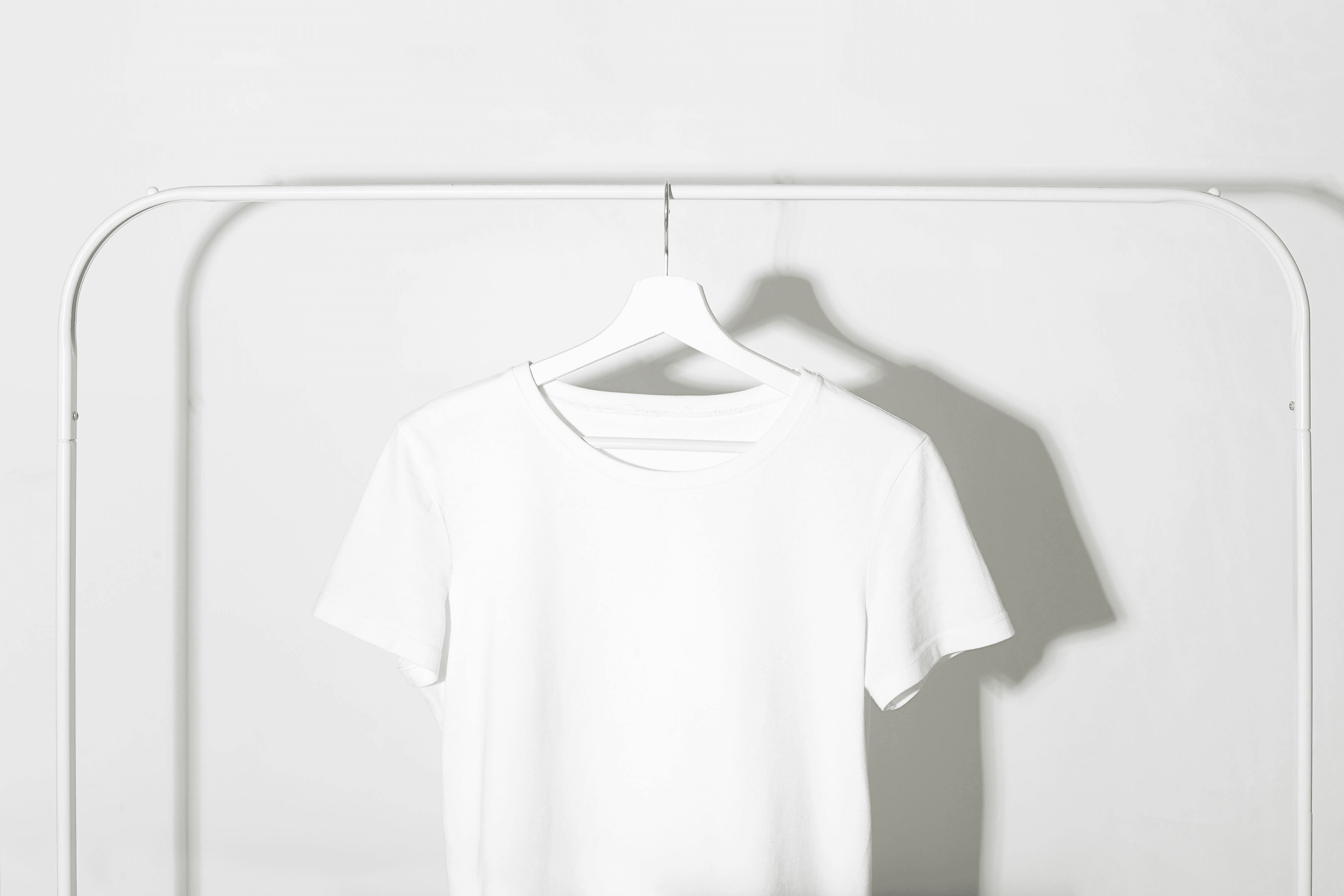
T-shirts are a must-have for almost everyone but not all tees are the same. One big difference is how heavy the fabric is. The weight of the fabric affects how the shirt feels, how long it lasts, and even how much it costs to ship.
Weight is measured in two ways in the clothing world:
- GSM (grams per square meter)
- Ounces per square yard (oz/yd²)
GSM is used more around the world. While ounces are common in the U.S. Both mean the same thing; how heavy the fabric is for a certain size.
This simple T-shirt weight guide will explain why fabric weight matters, Average weight of a T-shirt, and help buyers and sellers pick the best one. We will also show how services like PODpartner make it easy to find the perfect tee for your brand.
Why the Weight Matters?
When people ask How much does a T-shirt weigh or What is the average shirt weight, it is not just a random question. It actually matters for real reasons. Both buyers and sellers think about T-shirt weight in different ways.
Buyers Care About Weight Because:
- Feel and Comfort
A lightweight shirt feels soft and airy, great for warm weather. A heavyweight shirt is thicker and sturdier which is better for cooler days. The weight you choose changes if the shirt feels light and breezy or strong and structured on your skin.
- Climate Suitability
Lightweight shirts work best if you live somewhere hot and humid. Heavier shirts keep you warmer in colder places. Picking the right weight for your weather makes the shirt more comfortable and useful. - Style
Some people like the loose and relaxed feel of a light shirt. While others want the sharper and more solid look of a heavier one. The weight helps decide if the shirt looks casual or more put-together.
Sellers Care About Weight Because:
Sellers think about T-shirt weight for a few important reasons:
- Durability
Heavier fabrics usually last longer. They don't stretch out as much and keep their shape even after many washes. This means happier customers and better reviews over time. - Perceived value
People often think heavier shirts are higher quality. This can help you charge a bit more and make your brand feel more premium. - Shipping Costs
Lighter shirts cost less to ship in large amounts. While heavier ones can be more expensive to send. However, heavier shirts sometimes attract buyers looking for something special. Sellers need to find the right balance between shipping costs and what customers expect.
In short, the weight of a T-shirt affects how comfortable it is, how good it feels, and how your business makes money. That is why understanding these numbers really matters.
Three Weight Categories of T-shirts
T-shirts usually come in three weight groups. These include lightweight, midweight, and heavyweight. Each feels different, is used for different things, and costs differently. Here is a simple breakdown with the average weight of a shirt in each category. So, you can understand your choices better.
Lightweight T-Shirts (120–150 GSM / 3.5–4.4 oz)
Lightweight tees are thin, soft, and breathable. They are often made from fine cotton or cotton blends that feel light on your skin. They are perfect for summer, hot weather, or wearing under jackets because they don't hold in much heat.
- For buyers: Lightweight shirts are comfy and casual. They are great for everyday basics, workout clothes, or giveaways when you want to keep costs low. However, they might wear out faster and lose their shape more easily.
- For sellers: Lightweight tees usually cost less, weigh less for shipping, and are popular in warm places. The downside is some customers might think they feel too thin and not very durable.
Midweight T-Shirts (150–190 GSM / 4.5–5.3 oz)
Midweight tees are the perfect mix of comfort and durability. This is the most common T-shirt weight and what most people mean when they ask about the average shirt weight. The fabric feels strong but not too thick, and it works well all year round.
- For buyers: Midweight shirts are soft but also hold their shape nicely. They are great for everyday wear, printing cool designs, or work uniforms. They last a long time and still feel breathable.
- For sellers: Midweight tees are a safe bet if you want to reach lots of people. They are easy to find, cost-effective for printing, and give good value to customers.
This weight is especially popular for brands launching their first T-shirt collection.
Heavyweight T-Shirts (180 and above GSM / 5.3 oz or more)
Heavyweight tees are thick, sturdy, and made to last. They feel more solid when you wear them, keep their shape longer, and don't stretch easily. Many people see them as premium or high-quality shirts because of this.
- For buyers: Heavyweight shirts are perfect for cooler weather, layering, or if you like a tougher, more rugged look. They last a long time if you take care of them but can feel warm in hot weather.
- For sellers: Heavyweight tees let you charge more because customers often see them as premium products. They are great for streetwear, work clothes, or collections that want to show off quality.
The downside is they cost more to make and ship than lighter shirts.
Finding Your "Sweet Spot" T-shirt Weight on PODpartner
The important question for sellers is not just How much does a Tee shirt weigh. However, it is which weight is best for my brand and customers. Some people love light and airy summer shirts. While others want strong and thick streetwear. That is why it is good to offer different types of T-shirts.
This is where PODpartner helps. They have a big selection of T-shirts in all weights from lightweight basics to heavy and sturdy streetwear. Whether you want midweight tees for everyday designs or premium heavyweight shirts for a special collection, PODpartner has you covered.
Even better, PODpartner offers both on-demand printing and embroidery. So, you can choose any design from a full-color print to a small embroidered logo and match it to the fabric weight you pick. You can find the perfect balance of comfort, durability, and profit for your store. This can be done by trying out samples in different weights.
If you want to turn your creative ideas into real products without keeping stock, PODpartner makes it easy and reliable.
FAQ:
What GSM stands for?
GSM stands for grams per square meter. It tells you how much a piece of fabric weighs in a certain size. This helps you know how thick and strong the fabric is.
What GSM is Good for T-Shirt?
Midweight t-shirts (150-190 GSM) are popular for everyday T-shirts. Lightweight shirts (120-150 GSM) are great for hot weather or wearing under other clothes. While Heavyweight shirts (180+ GSM) are best for premium styles or colder weather.
Conclusion
T-shirt fabric weight might sound like a technical detail. However, it really affects comfort, how long the shirt lasts, and the price. Think about how the shirt feels, how it falls on your body, and if it is right for your weather if you are buying.
On the other hand, consider how strong the shirt is, how it fits your brand's image, and how the weight affects shipping costs if you are selling.
Checking the fabric weight (called GSM) is one of the best ways to understand the value of shirt whether buying or selling. Always look at the GSM before you buy or order blanks. It helps you to pick the right shirt for your climate, style, or brand.