
 USD

The Evolution of Balenciaga's Streetwear in the Last Decade


In the past, Balenciaga wasn't famous because of hoodies, sneakers, or any kind of streetwear. For the major years of the 20th century, it was the kind of label people spoke about in hushed tones. It was a Parisian couture house built on precision-based tailoring and magnificent elegance. Cristóbal Balenciaga himself was called "the master of us all" by none other than Christian Dior. This can imply how much weight this brand name carried.
Fast forwarding it to the present. The picture is still the same. However, its perspective has shifted to chic streetwear. The person behind this transformation is Demna Gvasalia. He converted Balenciaga from a heritage brand of Spain to a name that dominates streetwear fashion. Want to know more? Read this article to find out.
The Rise of a New Aesthetic
Balenciaga's revamping is studied to this day. The thought behind breaking down the core representation of the brand to something unexpected is truly genius. That's the main reason this change made a massive breakthrough for the brand. Let's discuss the details of the new aesthetic that suddenly became the talk of the town.
The Shift in Creative Direction
When Demna arrived, the contrast with his predecessor, Alexander Wang, was immediate. Wang's work was clean, minimal, and polished, just like the original Balenciaga theme. Demna, on the other hand, chose something completely opposite: streetwear. He knew streetwear would change how fashion is perceived. He introduced shapes that felt deliberately oversized. Baggy shoulders that looked borrowed from another body. Plus, most of all, nothing is occasional. All the pieces he designed were something you'd prefer wearing every day. To some, it looked like a parody. To others, it was refreshing. Either way, it got people talking.
Key Design Elements
One of Demna's first signatures was the proportions of the clothes. Balenciaga's clothes stopped tracing the body like leather. Instead, they began to overwhelm the body. Hoodies looked more like blankets. The coats? They were stretched wide across the shoulders. The joke? If there was any, it was solely intentional, which is why it is called a genius marketing strategy. Balenciaga's collections were surprisingly dynamic and chic.
They often mixed in fabrics you wouldn't expect to see on a Paris runway. Fabrics like nylon, neoprene, and even rubber came into the spotlight. The effect was unsettling but new. And most of all, it made the clothes stand out from their rivals. Instead of quiet branding, Demna put "Balenciaga" at the front and center. The logo ran across T shirts, hoodies, and sneakers. For younger buyers, this turned out to be more like a nonchalant branding that they truly liked.
Balenciaga's Streetwear Hits
Here are some notable hits of Streetwear by Balenciaga:
Few products capture this era of Balenciaga like the Triple S. It was chunky and nothing sleek. Yet it sold out repeatedly. Critics called it ugly, while kids called it cool. The design combined all three elements that a shoe must have, like basketball, track, and running shoes. The Balenciaga chunky sneakers became less about comfort and more about status. Spotting them on the street meant that the person wearing them has nonchalant yet expensive taste in fashion.
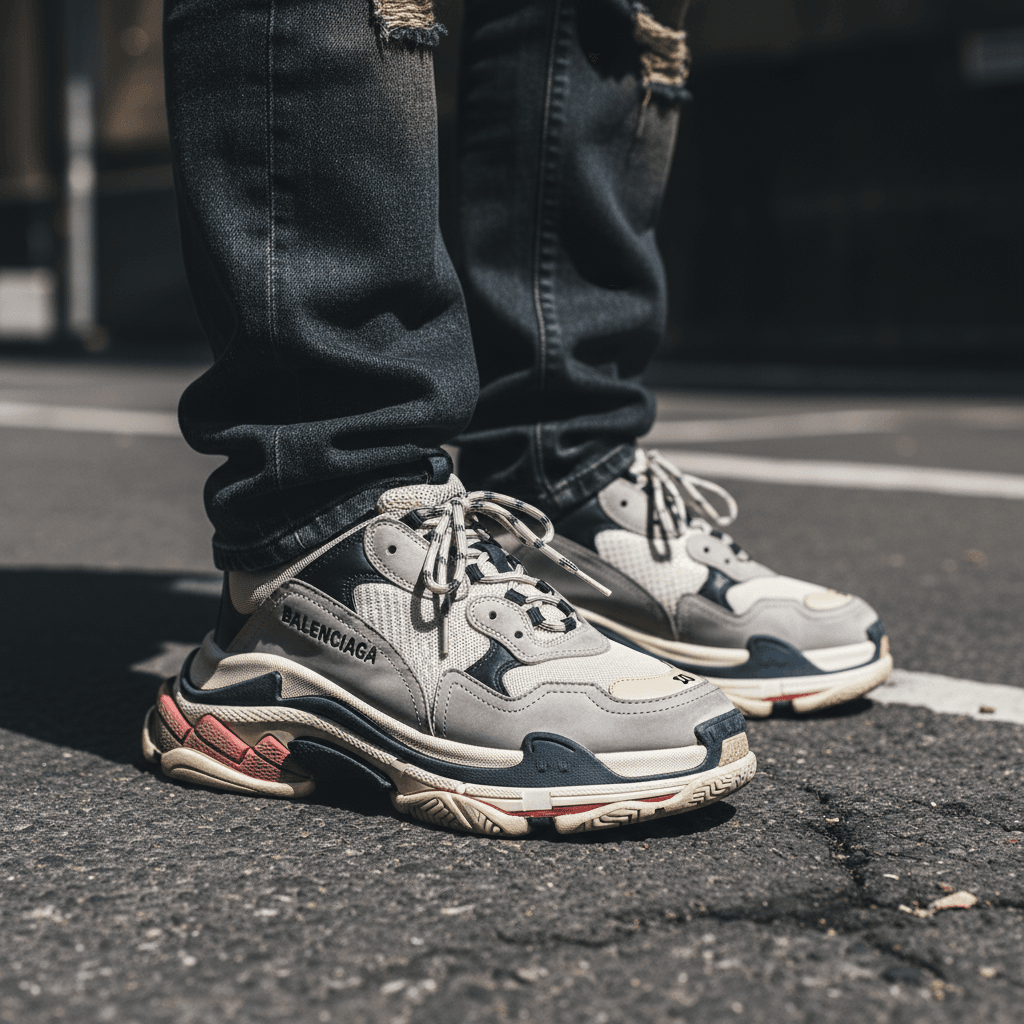
Then came the Speed Trainer, or Sock Sneaker. Sleek where the Triple S was bulky, it was a knit upper attached to a sculpted sole. Comfortable, yes, but also futuristic in a way that made it instantly recognizable. It became another go-to for those who wanted luxury that didn't look like traditional luxury.
Perhaps Demna's most playful move was taking things people see every day and turning them into runway statements. Crocs with giant platforms. Shopping bags reworked in leather. Jackets styled to mimic security uniforms. These items blurred the line between joke and high fashion, and that was the whole point.
Why It Resonates with Young People
Balenciaga's fashion evolution wasn't about doing the opposite. What truly mattered to them was to connect with the modern generation that saw fashion differently from others. For younger generations, ironic fashionwear isn't just humor. It's a language they communicate in. Balenciaga tapped into that instinct by turning ordinary objects into status symbols. A platform Croc isn't just footwear; it's a dark joke disguised as people will wear anything if it's branded and trendy. This made the Balenciaga iconic and trendy.
Demna understood that clothes alone don't build hype anymore. Every show or drop had to create a moment. If you check out their collection, you'll notice that each piece's presentation was built to go viral. Instagram posts of Balenciaga t shirts or TikTok clips of the Balenciaga chunky sneakers became effortless advertising. Oversized hoodies and exaggerated coats are a theme to stand out. Young buyers saw Balenciaga as a way to reject traditional ideas of elegance. Wearing it said: I don't care about fitting into the old codes of luxury, and I'll wear whatever I want.
From Inspiration to Creation: Streetwear POD
Balenciaga's rise under Demna proves how powerful a strong design language can be. And it's high time you do the same. But how? The good news is you don't need a factory or warehouse to start. Print on demand has changed the game. Platforms like PODpartner make it possible to create and sell without carrying any stock.
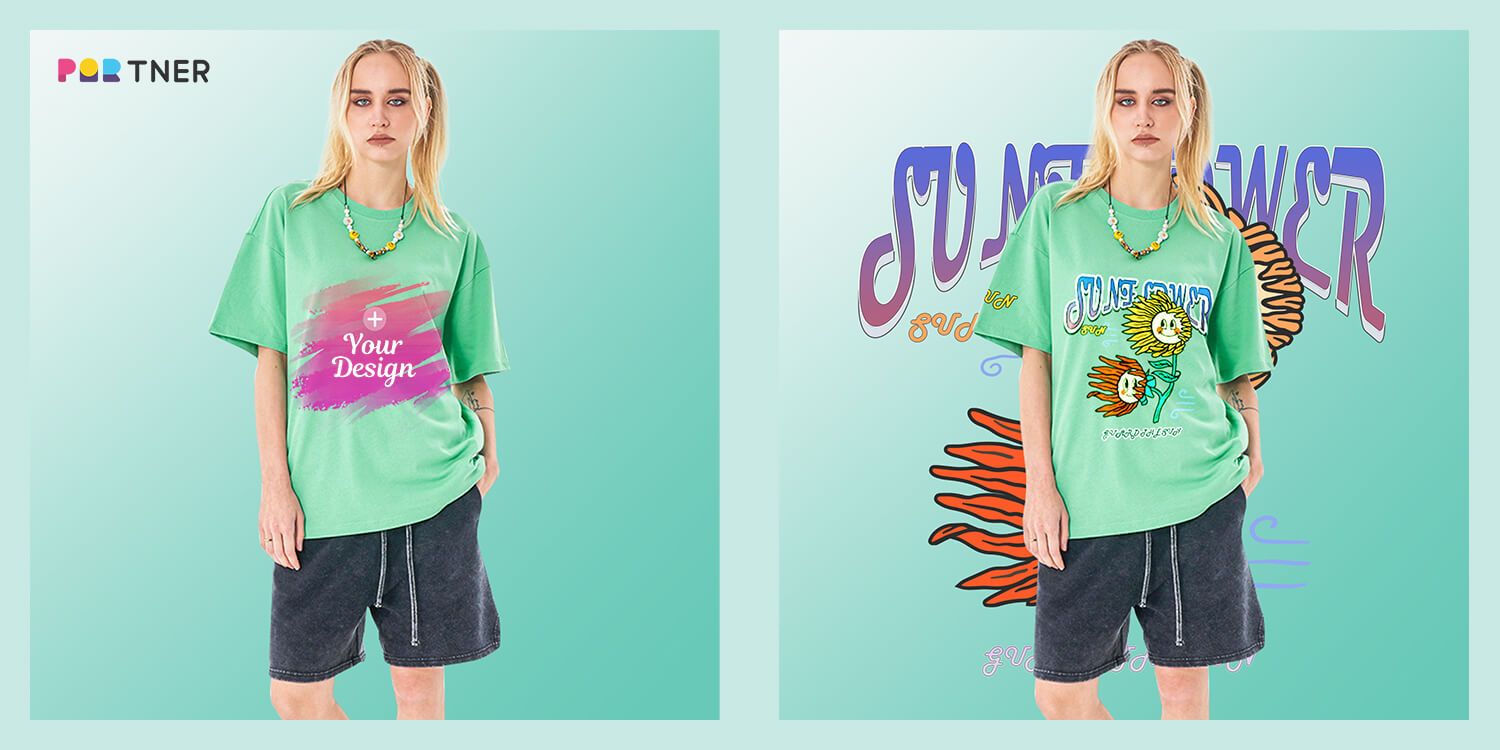
Think about the elements that define Demna Gvasalia's Balenciaga:
- Oversized pieces that changed how luxurious clothes were perceived.
- Logos so bold and prominent that they became impossible to ignore.
- Everyday items turned into luxury.
You can borrow from those principles when building your own line. A hoodie with an oversized print. A T-shirt with a logo that plays with consumer culture. Accessories that twist familiar shapes. PODpartner gives you the tools to put those ideas into real products.
Key Features of PODpartner
- No Upfront Cost Needed: You can design items to your liking. But they'll only be manufactured when customers order them.
- Wide Range of Appeal: They offer a variety of clothing, including hoodies, t-shirts, sweatshirts; you name it, they have it.
- Custom Branding: They help you build a premium brand by offering full customization. You get to personalize everything. You can create custom labels, hang tags, packaging, and even bags for each order. With print-on-demand packaging, your brand will be ready to stand out in the market.
- Global shipping: Orders go straight to customers anywhere in the world. This saves you from the trouble of contacting distributors. Plus, you can choose express delivery to deliver faster with a small additional cost.
- Pricing Model: The pricing model of PODpartner is pay-as-you-go, with no membership or setup fees required.
- Built-in Design Tools: PODpartner offers you 18 intuitive design zones, where you can create designs freely. Their largest DTG zone is 16" x 21", and their largest custom embroidery size is 12" x 12".
- Creative freedom: With PODpartner, you can add your designs to 18 different areas. This way, you aren't limited to the minor customization that other print-on-demand brands give.
For an aspiring designer, that freedom is gold. Balenciaga may be playing on the highest stage, but with tools like PODpartner, you can bring the same spirit of experimentation into your own corner of street style.
Wrapping it Up!
Balenciaga's evolution to luxury streetwear is truly worth praising. It tells you how bold and problematic ideas can work in your favor. Trust me, you can do that too! The opportunity that PODpartner holds for aspiring designers is remarkable. You can use it to design clothes and become the next Demna Gvasalia Balenciaga of the fashion industry.
Further reading

No Order Minimums

No Membership Fees

No Unsold Stock

No Quality Concerns
Only Creativity, Satisfaction, and Profits!