
 USD
USD
13 Best Things to Sell Online Right Now (High Profit)


In e-commerce, “high profit” is one of the most misunderstood phrases in the industry.
Most people hear about it and think of the high price. Others think of viral products. Neither definition survives contact with reality for very long. A $200 product with high returns and constant customer support issues can be far less profitable than a $30 product that sells every day with minimal friction.
Real profit is a function of three things working together: margin, demand, and repeatability. If any one of those breaks, the business starts leaking money. Product choice affects everything downstream — how expensive it is to acquire customers, how often they come back, how many refunds you process, and whether your brand has any defensible edge at all.
That’s why the most profitable categories in 2026 aren’t gimmicks. They’re products that blend branding, utility, and emotional value in a way that keeps customers buying without constant reinvention.
Evergreen Everyday Products with Consistent Demand
Why boring products quietly make the most money
Evergreen products don’t rely on trends. Demand doesn’t spike and crash — it simply exists. This stability makes forecasting easier, advertising more efficient, and cash flow predictable.
1. Graphic T‑Shirts
If you had to choose just one product to sell online, a graphic T-shirt would be the smartest bet. Not because it’s flashy, but because it’s reliable. People don’t debate buying T-shirts—they replace them, over and over again.
T-shirts win because the economics are in your favor. They’re inexpensive to produce, easy to ship, and endlessly adaptable. One base product can support trends, niches, or evergreen designs without changing the supply chain. With a strong design and solid branding, a shirt that costs little to make can comfortably sell in the $25–$40 range. Just as important, T-shirts are forgiving—minor flaws are tolerated, which dramatically reduces refunds, chargebacks, and support friction.
2. Hoodies
Hoodies are where apparel brands start seeing real profit. They increase average order value without adding operational headaches, and customers already expect to pay more for them. The price resistance simply isn’t there.
Seasonality works in your favor—cold weather does much of the selling. As temperatures drop, conversion rates rise. Hoodies also carry more physical presence, which makes branding feel deliberate and premium. Logos, embroidery, and high-quality prints land with more impact. For many successful brands, hoodies quietly become the top revenue driver, even when T-shirts attract most of the traffic.
3. Sweatshirts
Sweatshirts are the underrated workhorse of apparel stores. They don’t scream for attention, but they sell consistently across seasons and demographics. For minimalist and lifestyle brands, sweatshirts often outperform trend-driven items.
They’re versatile enough for layering, comfortable enough for daily wear, and neutral enough to avoid style fatigue. From a business perspective, they offer dependable margins and steady demand without relying on winter-only sales spikes.
4. Caps & Beanies
Caps and beanies rarely lead a store, but they quietly increase profits at checkout. Once a customer is ready to buy, adding a $15–$25 accessory feels easy. They’re affordable to make and ship, fit most customers, and make a brand feel complete. Over time, these add-ons deliver strong profits with minimal extra marketing.
5. Seasonal Apparel Drops
Seasonal drops aren’t about new products—they’re about timing. Holidays, back‑to‑school moments, and winter collections give customers a reason to buy now, not later.
Scarcity does the heavy lifting. Limited availability creates urgency without discounts, which protects margins. When paired with print‑on‑demand, seasonal drops generate revenue spikes without the inventory risk that kills traditional retailers.
Customizable & Personalized Products Command Premium Pricing
Why “this was made for me” beats “this looks cool”
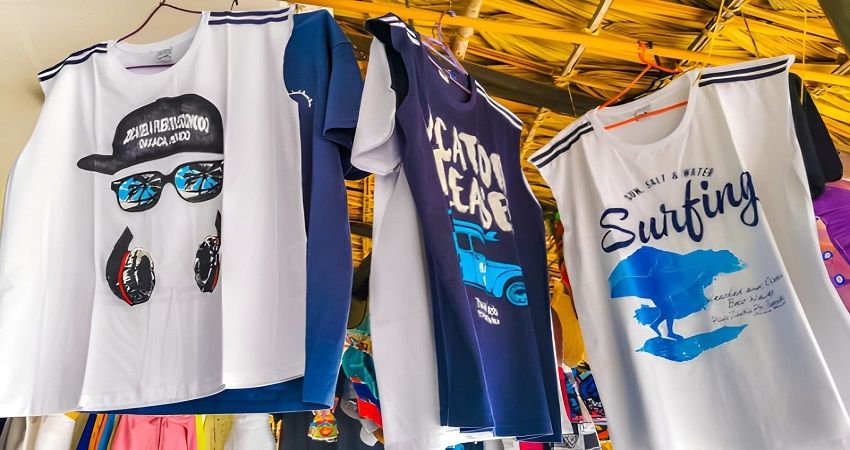
If there’s one lever that consistently increases profit without increasing ad spend, it’s personalization. The moment a product feels personal, price sensitivity drops. Customers stop comparing options and start justifying the purchase emotionally.
Generic products compete on price. Personalized products compete on meaning — and meaning always wins.
6. Custom Embroidered Apparel
Custom embroidery gives apparel a premium feel and instantly elevates its perceived value. Even basic garments appear more durable and intentional when enhanced with stitched details, making higher pricing feel justified. Simple elements like a name, date, or small symbol on the chest or sleeve can turn an ordinary hoodie or sweatshirt into something personal and meaningful.
Because these items feel like keepsakes rather than impulse purchases, refund rates tend to stay low. Brands that use embroidery sparingly and with purpose often achieve stronger margins without relying on aggressive marketing.
7. Personalized Gifts & Keepsakes
Personalized gifts don’t sell because they’re useful. They sell because they mean something. Names, anniversaries, locations, inside jokes — these details create emotional weight that no generic product can replicate.
From a business perspective, this category is powerful because customers aren’t shopping rationally. They’re shopping emotionally. That emotional context makes them far less price-sensitive and far more forgiving.
Sellers who succeed here focus on moments, not products. Birthdays, relationships, milestones — when the product aligns with a specific emotional trigger, conversion becomes almost automatic.
8. All-Over Print Apparel
All-over print apparel isn’t for shortcuts. It demands real design intent, but when executed properly, it commands attention immediately. In overcrowded feeds where subtlety disappears, bold, full-coverage designs stop the scroll. When artwork flows naturally across the garment, it no longer feels factory-made—it feels deliberate, custom, and worth paying more for.
This category is unforgiving to weak execution, but it strongly rewards brands that take quality seriously. Done right, all-over prints become statement products that define a brand’s visual identity. With platforms like PODpartner supporting multiple print positions and print-plus-embroidery combinations, brands can increase perceived value and margins without carrying inventory risk.
Niche & Audience‑Driven Products Convert Faster and Refund Less
Why relevance beats reach
Broad audiences feel safe, but niche audiences buy faster and complain less.
9. Pet-Related Apparel & Accessories
Pet-related apparel doesn’t sell on logic—it sells on emotion. For pet owners, animals aren’t accessories; they’re family. That emotional connection makes this category far more durable than most brands realize, even when trends shift.
The products that perform best don’t chase broad humor or generic designs. They go specific—breed pride, quirks, and references only other pet owners immediately recognize. These items aren’t just clothing or accessories; they’re statements of attachment. When a product feels personal, price resistance drops and refunds follow.
10. Hobby & Passion Niche Apparel
Hobby niches work because they have culture, not just interests. Gamers, skaters, gardeners, cyclists, and creators all share inside language, frustrations, values, and humor that outsiders miss completely. That shared context is what gives niche apparel its power.
When a design taps into one of those unspoken truths, it stops feeling like merchandise and starts feeling like identity. That’s why niche products often outperform mass-market designs with smaller audiences and less ad spend. The brands that win here don’t chase trends—they listen relentlessly, design with intention, and let relevance do the work.
11. Fitness & Performance Wear
Fitness and performance wear has a structural advantage most categories lack: repeat demand. People train consistently, wear items down, and replace or upgrade gear as their routines change. That natural cycle creates momentum.
Over time, this repeat behavior compounds profitability. Acquisition costs shrink, lifetime value increases, and revenue becomes more predictable. Performance wear also benefits from clear utility—customers justify higher prices because the product supports a goal, not just a look. When quality delivers, margins stay protected and loyalty follows.
12. Eco-Friendly & Sustainable Apparel
Sustainable apparel doesn’t win because it sounds good—it wins because it’s believable. Today’s consumers are informed, skeptical, and quick to spot empty sustainability claims. Performative messaging doesn’t just fall flat; it actively erodes trust.
When eco-friendly positioning is clear, specific, and honest, the response changes. Customers become more patient, more loyal, and more willing to pay a premium—not because they’re being convinced, but because the brand aligns with their values. The strongest sustainable brands don’t lecture. They focus on execution and let the right customers choose them.
Digital and Hybrid Products Multiply Profit Without Multiplying Work
Why scalability changes the math completely

13. Digital Products & Hybrid Bundles
Digital products rewrite the profit model in ways physical goods simply can’t. Once they’re built, there’s no manufacturing, storage, shipping, or returns—revenue scales without added complexity.
On their own, assets like guides, templates, and tutorials already deliver exceptional margins. Their real power shows up when they’re paired with physical products. Hybrid bundles raise perceived value without increasing fulfillment costs. The smartest brands don’t treat digital products as a side project—they use them to deepen relationships, expand lifetime value, and create scalable revenue. That isn’t just profit; it’s leverage.
How to Choose Products That Won’t Just Sell — But Earn
The biggest mistake new sellers make is chasing what’s popular instead of what’s profitable. Popularity is visible. Profitability is structural.
Before committing to any product, experienced operators run it through a simple internal filter:
- Does demand exist consistently, or only during spikes?
- Are production and delivery costs predictable?
- Can pricing flex without killing conversion?
- Will customers come back for something related?
The sweet spot is products you can brand and position so customers prefer yours over the average seller’s. That’s where margin protection lives.
The smartest approach in 2026 is not diversification for its own sake. It’s focus. Start with one core category, validate demand with real sales data, then expand into adjacent products that serve the same audience. That’s how profitable stores are built — not by selling everything, but by selling the right things well.
Further reading

No Order Minimums

No Membership Fees

No Unsold Stock

No Quality Concerns
Only Creativity, Satisfaction, and Profits!