
 USD

How to Build a Clothing Brand That Creates Emotional Connections


Scroll through any fashion marketplace today and the reality becomes obvious: choice is everywhere. Consumers can compare fabrics, prices, and delivery speed in seconds. What they cannot easily replace, however, is the feeling a brand leaves behind. A hoodie or T-shirt that speaks to someone’s values, identity, or memories will often win over cheaper or faster options. That is why emotional connection is not just a nice-to-have in clothing—it is a serious business asset.
Brands that manage to create this resonance consistently see customers who buy more often, stay longer, and tell others. They enjoy pricing power and goodwill that advertising budgets alone cannot buy. This article explores why emotional connection matters so much in fashion, how it is built, and where customization offers an especially powerful path forward.
Why Emotional Connection is the Core Asset of a Clothing Brand
The commercial upside of emotion is well-documented. Customers who feel a genuine bond with a brand tend to spend more, return more often, and actively recommend it to others. In clothing, the effect is amplified: apparel is not just functional, it is a signal.
Think about Patagonia. People don’t pay premium prices only because the jackets are durable. They buy because wearing Patagonia signals an alignment with environmental responsibility. Or take Supreme: functionally, a Supreme hoodie is just another hoodie, but owning one marks you as part of a cultural community. In both cases, price sensitivity fades because the purchase is about identity, not utility.
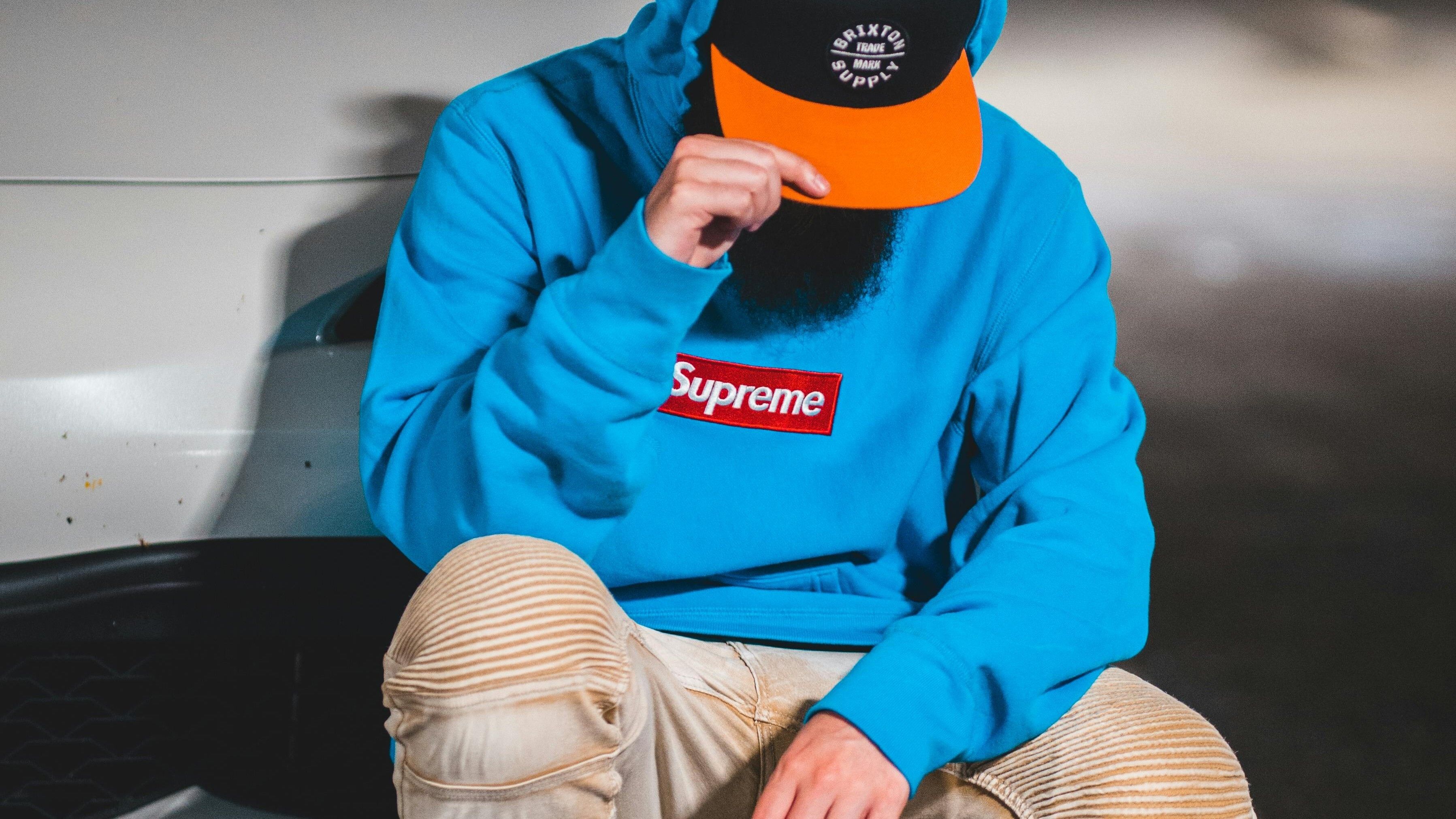
For smaller or emerging clothing brands, the same principle applies. If a brand manages to stand for something clear—whether it is sustainability, heritage, or creativity—customers will often pay more, buy again, and bring friends with them. Emotional connection, then, becomes a multiplier for loyalty and profitability.
Key Pathways to Building Emotional Connection
Brands typically cultivate these bonds through what consumers receive passively and how customers actively engaged.
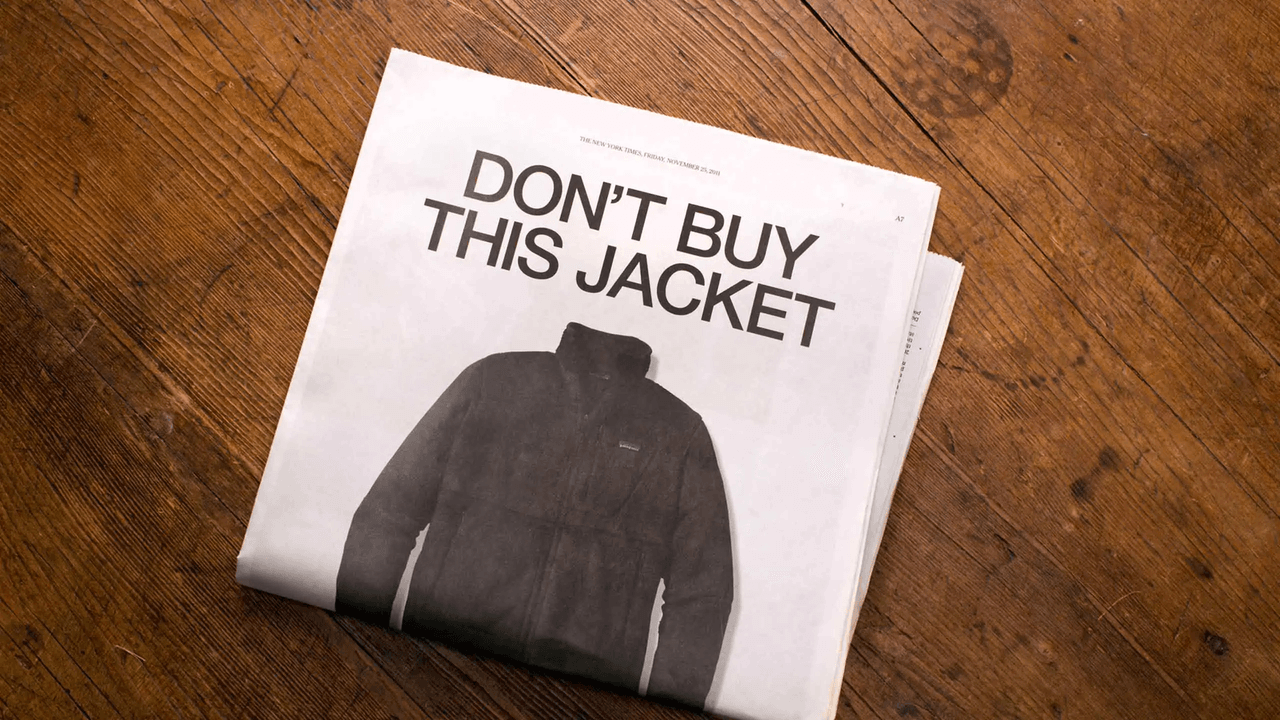
On the passive side, storytelling is essential. Consumers today are quick to spot manufactured narratives. A story only works when it feels real—whether it is a founder's struggle, a community cause, or a belief consistently backed by actions. Patagonia's famous "Don't Buy This Jacket" ad worked because it was credible; it came from a brand that had already made sustainability its core.
Design, too, functions as storytelling. A streetwear label might rely on oversized cuts and bold graphics to signal rebellion and community, while a minimalist brand might use clean lines and muted tones to project refinement. Customers notice these cues, consciously or not. The same applies to consistency. If a brand promises inclusivity but its imagery or customer service tells another story, the emotional connection breaks. Consistency across website, social media, product, and even packaging reassures customers that the brand’s identity is coherent.
Active customer engagement, however, goes further. When customers are invited into the process, they stop being just buyers and start feeling like partners. One of the most direct ways to achieve this is through customization: allowing people to add their own text, graphics, or design choices makes the product feel uniquely theirs. Community-building efforts—special drops, niche references, local events—reinforce this sense of belonging. User-generated content extends it further: when customers share photos of how they style or personalize a piece, they weave the brand into their own narrative while amplifying its reach. Even structured feedback matters. A voting system for new designs or an early access program signals that the brand listens and adapts, which deepens trust.
Customization as a Catalyst of Emotional Connection
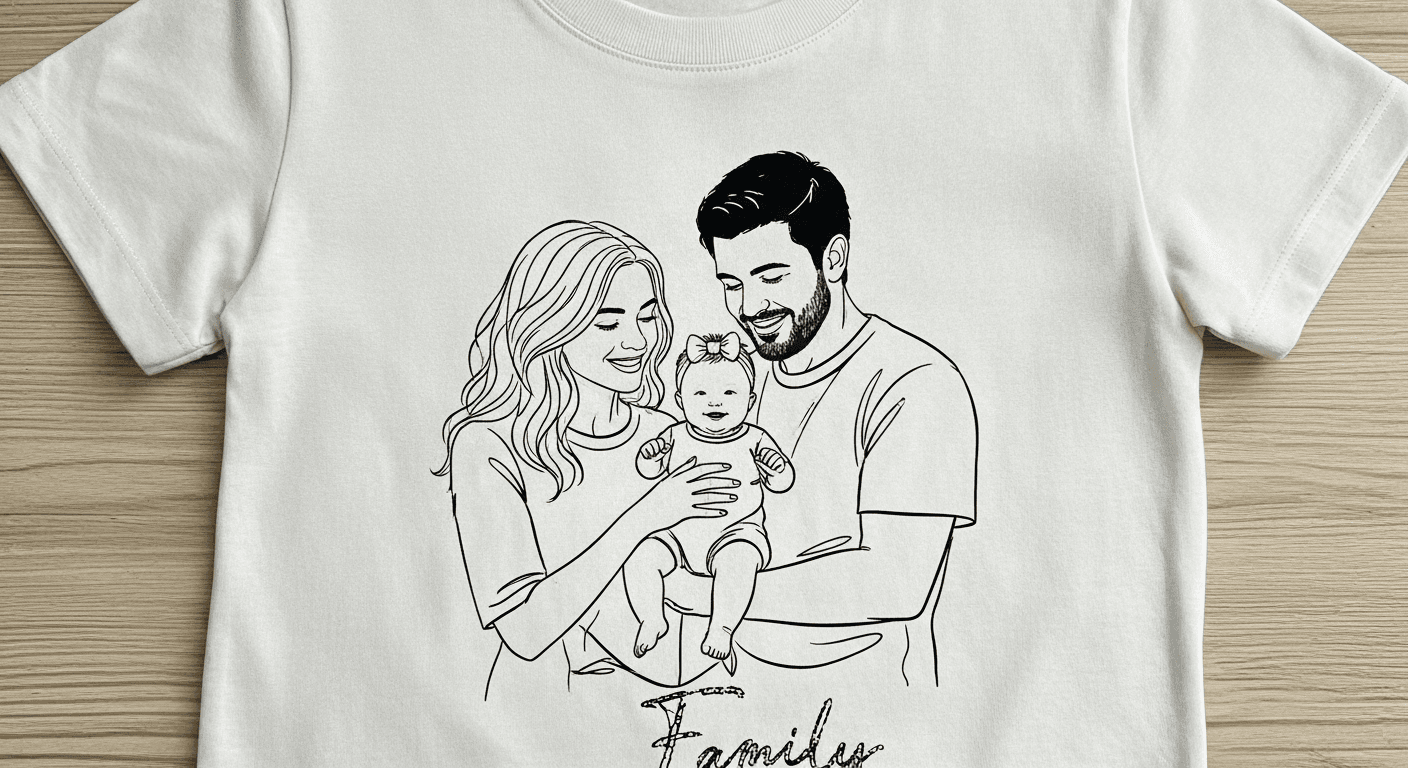
As mentioned earlier, among all methods to strengthen emotional ties, customization stands out. Allowing customers to shape a product—by adding a personal detail, choosing colors, or uploading artwork—turns the relationship from transactional to creative.
Psychologists have long observed a phenomenon known as the- "IKEA effect", named after the Swedish furniture company IKEA, whose products often require customers to assemble the furniture themselves. Research found that people tend to place a higher value on items they have invested effort in building or creating. This effect highlights how personal involvement increases attachment and perceived worth. The same logic applies in clothing: a personalized hoodie or T-shirt is more than apparel; it is an expression of self. Customers who co-create are more invested, more proud to share the result, and less likely to return it.
Industry examples underline the point. Nike's "Nike By You" line shows how design participation increases both attachment and repeat sales. Deloitte research adds context: since 2022, the number of brands adopting personalization strategies has risen by over 50%, reflecting both demand and results.
Other leading brands provide additional proof that personalization is more than a trend. Tailored Brands, by integrating scalable customization (more fabric choices, linings, etc.), saw incremental sales rise by about 30% after improving their custom offering.
Customization, then, is no longer a gimmick. It is fast becoming table stakes for building meaningful relationships in fashion.
PODpartner's Customization Capabilities: Enabling Emotional Connection at Scale
The challenge, of course, is execution. Many brands want to offer customization but worry it might dilute their core identity or become too complex to manage. PODpartner resolves this tension by ensuring that customization is always anchored in the brand’s own design framework. Customers personalize within boundaries that protect the brand’s visual language, so the result feels authentic to the label while still unique to the buyer.
On the front end, the experience is intuitive: shoppers can add text, upload images, or make design adjustments without professional skills. On the back end, automated production delivers each order with the same consistency and quality as standard products, at scale.
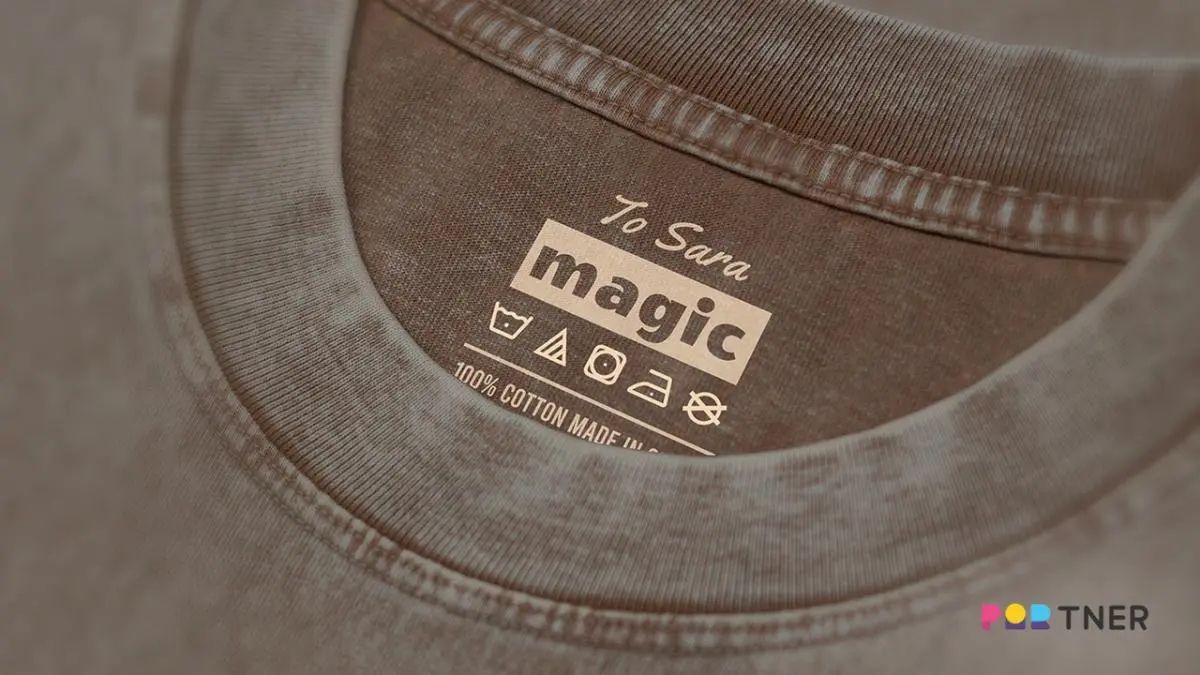
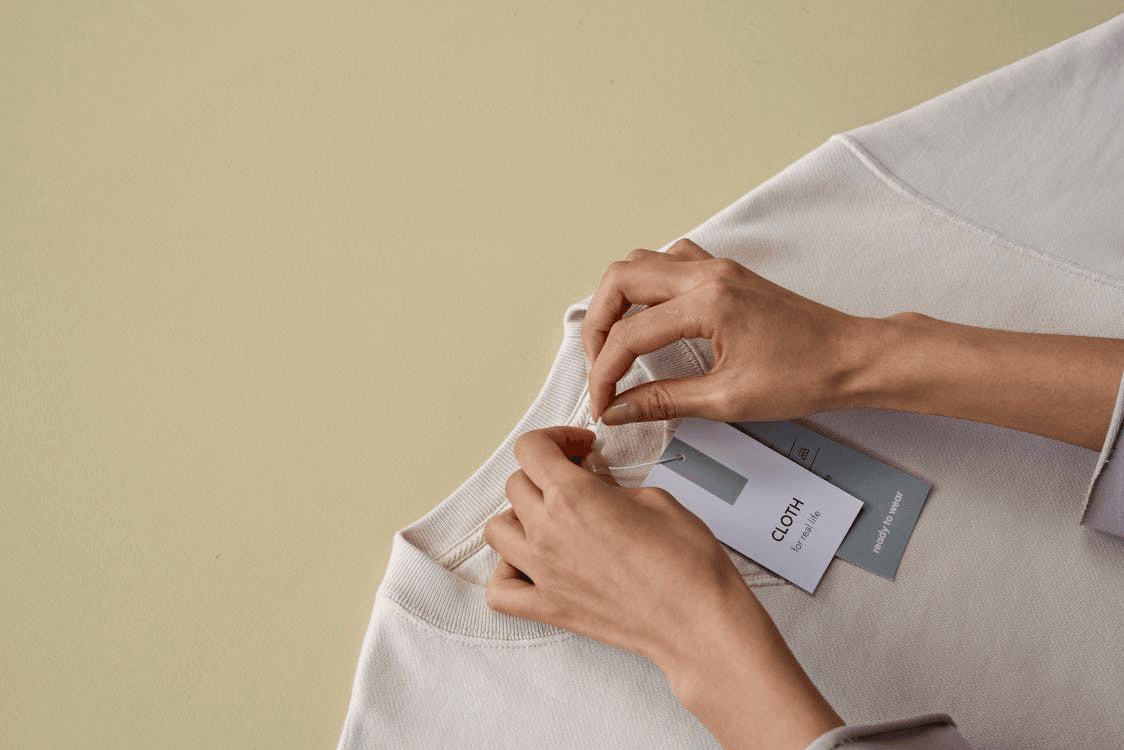
Because these customization optionsextend -from T-shirts and hoodies to neck labels and packaging, brands can build emotional connections at every touchpoint. A design that starts with personal expression is reinforced when it arrives in packaging that reflects the same brand story, turning a single purchase into a cohesive and memorable journey.
Beyond Customization: Continuously Building Brand Identity
Customization is powerful, but it is not enough on its own. The strongest brands build emotional capital by sustaining engagement long after a purchase.
Open communication is vital. Regular surveys, responsive customer service, or even casual social media interactions show that the brand values its customers’ voices. Recognition also matters—spotlighting customer stories, reposting user photos, or celebrating milestones keeps the relationship warm. Packaging can reinforce this bond as well. A thoughtful unboxing experience, whether through customized designs or small personal touches, turns a routine delivery into a memorable event, one often shared online.
Social media deserves special mention. When managed as a community platform rather than just a marketing channel, it becomes a space where customers reinforce each other’s attachment to the brand. Hashtags, contests, or behind-the-scenes content all invite participation and make customers feel part of something larger than themselves.
Conclusion
In fashion, products may spark the relationship, but emotions sustain it. Emotional connection is not an accessory—it is capital, powering loyalty, advocacy, and long-term value.
Customization is one of the fastest ways to deepen that bond, turning buyers into co-creators. Yet it works best when paired with authentic storytelling, community, and consistent brand experiences. Brands that integrate these elements move beyond selling clothes to shaping identities and fostering belonging.
For those ready to take the next step, PODpartner makes customization simple—with intuitive tools, automated fulfillment, and branded packaging that carry your story to every customer. It is where emotional strategy meets practical execution.

No Order Minimums

No Membership Fees

No Unsold Stock

No Quality Concerns
Only Creativity, Satisfaction, and Profits!