
 USD
USD
Custom Clothing Labels: Design, Customize, and Brand in 2026

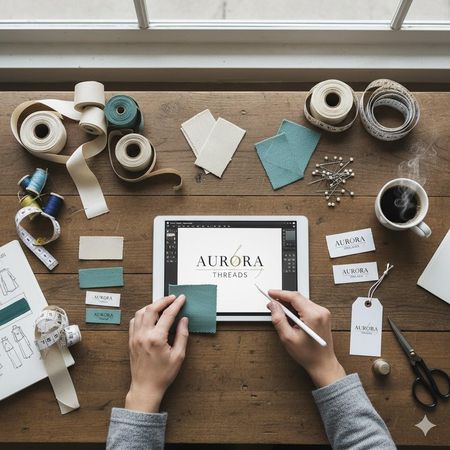
In previous years, clothing labels used to be just an afterthought. A tiny tag inside a collar. Totally out of sight, and everyone barely noticed it. Now they've become something bigger. In 2026, clothing labels speak for brands before the garments do. Every stitch and fold tells something about your work. It's not just about a name or a logo anymore. The label is part of your story. It's what turns a simple T-shirt or jacket into something recognizable — something yours. Whether you run a small studio or an emerging label, custom clothing labels are what bridge craftsmanship and identity.
The Role of Clothing Labels in Branding
A label does more than show a size or care instruction. It's often the first detail someone notices after they've touched the fabric. That tiny woven strip can tell a lot about how a brand sees itself. A clean clothing label in soft cotton or satin feels personal and refined. It gives a sense of effort and intention. For a buyer, it's a small and silent assurance that the brand is conveying. It gives them the cue that the garment is worth keeping.
In a crowded market, where everyone sells something similar, labels quietly separate amateurs from professionals. They make small brands look ready for the world. Good branding doesn't have to shout. Sometimes, a subtle tag in the right corner can do the work of a full campaign. It stays there, attached to the product for its entire life. That's quiet marketing at its best.
How to Create Custom Clothing Labels for Your Brand
Designing a label doesn't mean you need a design degree. You just need to know what your brand stands for. Here's how to start a clothing label:
Start with Your Story
Are you aiming for something minimal or handcrafted? Do you want your label to look bold or understated? The answers decide everything that follows.
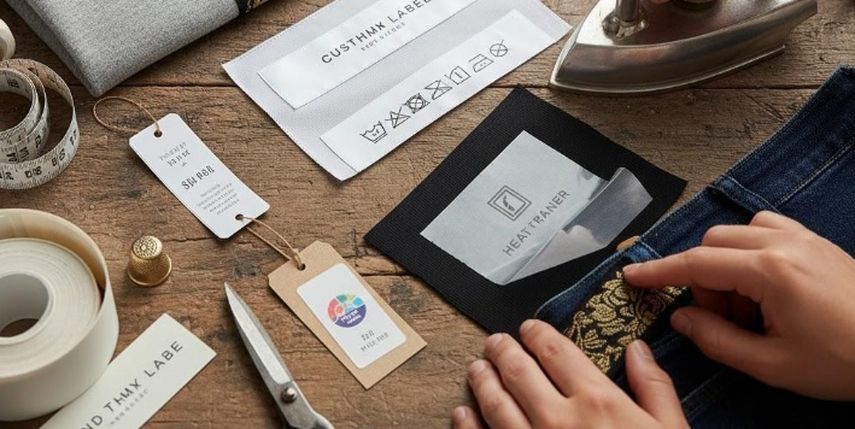
Choose a Format that Fits
- Woven labels for depth and texture.
- Printed ones for fine details and lighter garments.
- Heat-transfer labels for a smooth, tag-free finish.
Each gives off a different mood. Woven says luxury. Printed says creative and flexible. Heat transfer feels sleek and modern.
Pick the Right Fabric
Cotton works well for handmade items. Satin gives a polished finish. Polyester and damask last longer and hold color better.
Decide on the Placement
Labels inside the neck are classic. Outer hem labels are bolder and more fashion-forward. The whole point behind this discussion is to make sure that the label feel like part of the design. Not an afterthought, you merely included.
Keep it Clear
The text should be readable and crisp. Don't crowd your logo or use colors that blend into the fabric. Simplicity looks good and prints well.
When done right, custom made clothing labels turn into your calling card. People might forget where they bought the garment, but not how your label felt between their fingers.
Types of Clothing Labels — Woven vs. Printed Options
There's no universal rule that tells you which type of label is "best" or "which one will sell well." It comes down to your choice of material. The price point and the tone you want your clothing to carry.
Woven Labels
Woven labels add more details. They are made by weaving threads together to form your logo and or the text of your choice. What makes them special is that they last longer and never peel or fade. They're ideal for designer wear, outerwear, and long-lasting fabrics. The downside? You can't fit in very small text or overly complex logos.
Printed Labels
Printed labels use ink on a flat surface. They allow for bright colors and sharp designs. They're light, flexible, and work perfectly for soft clothes like tees, babywear, or gym apparel. But since they're printed, they might fade over time with repeated washing.
Heat Transfer Labels
A modern favorite. The design is transferred directly onto the fabric using heat and pressure. It leaves no tag — just your logo on the inside or back of the shirt. Soft, seamless, and smooth against the skin, they're often used in sportswear and lifestyle clothing.
The rise in clothing labels custom designs has made it easier to combine these styles. Some brands mix woven for branding and heat transfer for washing instructions — practical and stylish at once.
Best Practices for Optimizing Clothing Labels
Even a beautiful label can fall flat if it's not practical. The best ones balance design with function. Here's how you can optimize your personalized clothing labels:
Use Good Materials
A cheap tag that frays after one wash ruins the experience. Go for sturdy fabrics like damask or satin that feel smooth but hold their shape.
Place it with Care
Necklines are standard, but not the only choice. Many designers now place small logo tags on side seams or cuffs for a subtle mark of identity.
Keep the Message Simple
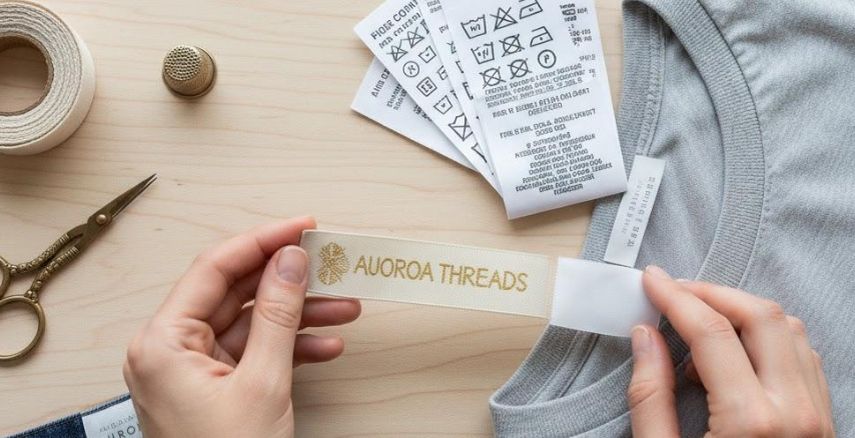
People don't read long text on labels. Keep it short — brand name, size, and a few care symbols.
Mind the Comfort
No one wants a scratchy label. Soft edges and clean stitching make a big difference.
Follow Care and Safety Rules
If you sell globally, make sure your clothes washing label meets local regulations. Include fiber content and care instructions clearly.
Professionalism shows through details like this. That's what makes your clothing feel finished, not just made.
Made-to-Order Clothing Labels
Today, you don't need to order thousands of tags to look professional. Made-to-order services (customize labels, hangtags and packaging), allow you to buy small batches at a time — perfect for new designers or independent brands. This change has opened up possibilities. You can test different label styles before committing. One collection might use woven labels, the next printed or heat transfer. The flexibility helps you experiment without waste.
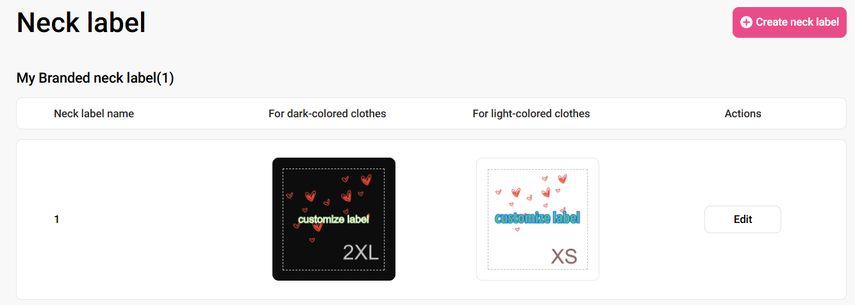
Many online suppliers let you upload your logo, pick the material, and preview the result before production. They even match your packaging, giving your brand a unified look. Platforms like PODpartner focus on this end-to-end service. They specifically allow sellers to focus on design freedom and quality without burdening themselves with inventory. Now, small local artisans and even online boutiques now use custom made clothing labels, hangtags and packaging from PODpartner to create identity without the bulk inventory that once held them back. It's an era where you can design your own label, order 50 pieces, and look like a full-scale brand.
Customers remember repetition. When they see your brand name, your color scheme, and your label style repeated across every piece, it builds recognition. Whether it's a minimalist line of linen shirts or a streetwear drop under your black label clothing brand, consistency is what makes it look established.
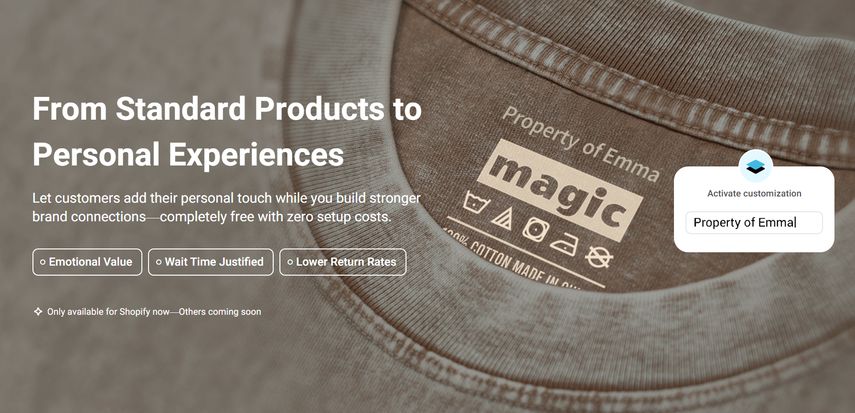
Last, PODpartner provides free customization feature which can also apply on your branded labels.
Wrapping it Up!
A label might be small, but it carries weight. It holds your brand's name, reputation, and values. So when you design yours, treat it as more than a tag. It's your handshake to the customer. Your signature in fabric form. Whether you're using woven, printed, or made-to-order labels, make them your own. Make them say something real. If you're focused on a streetwear brand, ensure you partner up with a reliable print-on-demand service like PODpartner. In a world full of fast fashion, authenticity stitched inside a collar can still stop someone in their tracks. And that's the power of a good clothing label.
Further reading

No Order Minimums

No Membership Fees

No Unsold Stock

No Quality Concerns
Only Creativity, Satisfaction, and Profits!