
 USD
USD
Colorfastness Testing: PODpartner's Commitment to Durable Prints

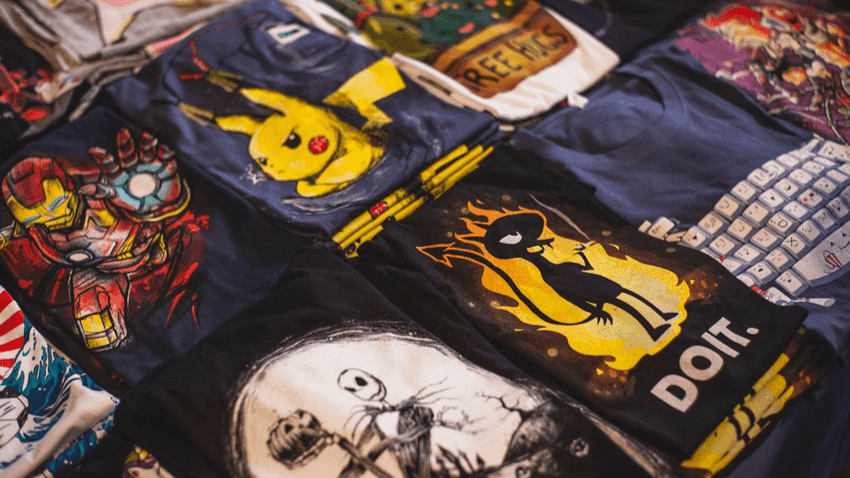
Fading prints are more than an aesthetic issue — they're a business risk. When prints lose saturation, bleed, or transfer onto other garments, the result is negative reviews, customer returns, costly replacements, and, most insidiously, long-term erosion of brand trust.
With e-commerce return rates for apparel already elevated (industry estimates put online apparel return rates in the low-to-mid 20% range), even a small share of returns caused by poor colorfastness has an outsized operational and reputational cost. Brands and manufacturers that treat colorfastness as a technical afterthought expose themselves to measurable financial and brand damage; those that invest in robust, standards-based testing and material controls can sharply reduce complaints and returns.
This article focuses specifically on the rigorous quality control required for Direct-to-Garment (DTG) printing, a core technology widely adopted across the Print-on-Demand apparel industry.
What Is Colorfastness and Why Does It Matter
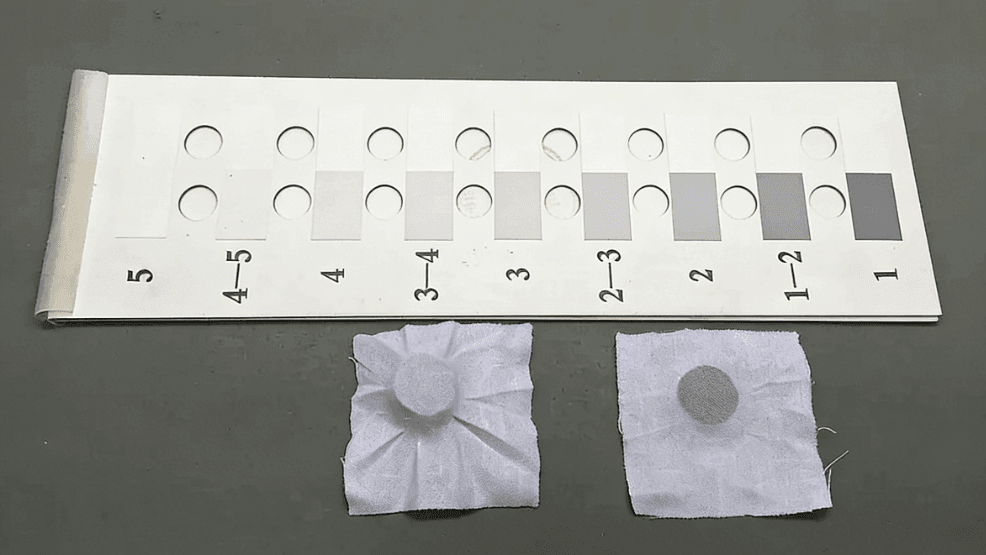
Colorfastness is the objective measure of a textile’s resistance to losing color when exposed to real-world stresses: washing, friction (rubbing/crocking), perspiration, light, and more. In practice, laboratories quantify color change and staining on standardized grey scales and pairing fabrics, producing a grade — typically 1 (poor) to 5 (excellent) — that correlates with consumer experiences after repeated wear and care cycles.
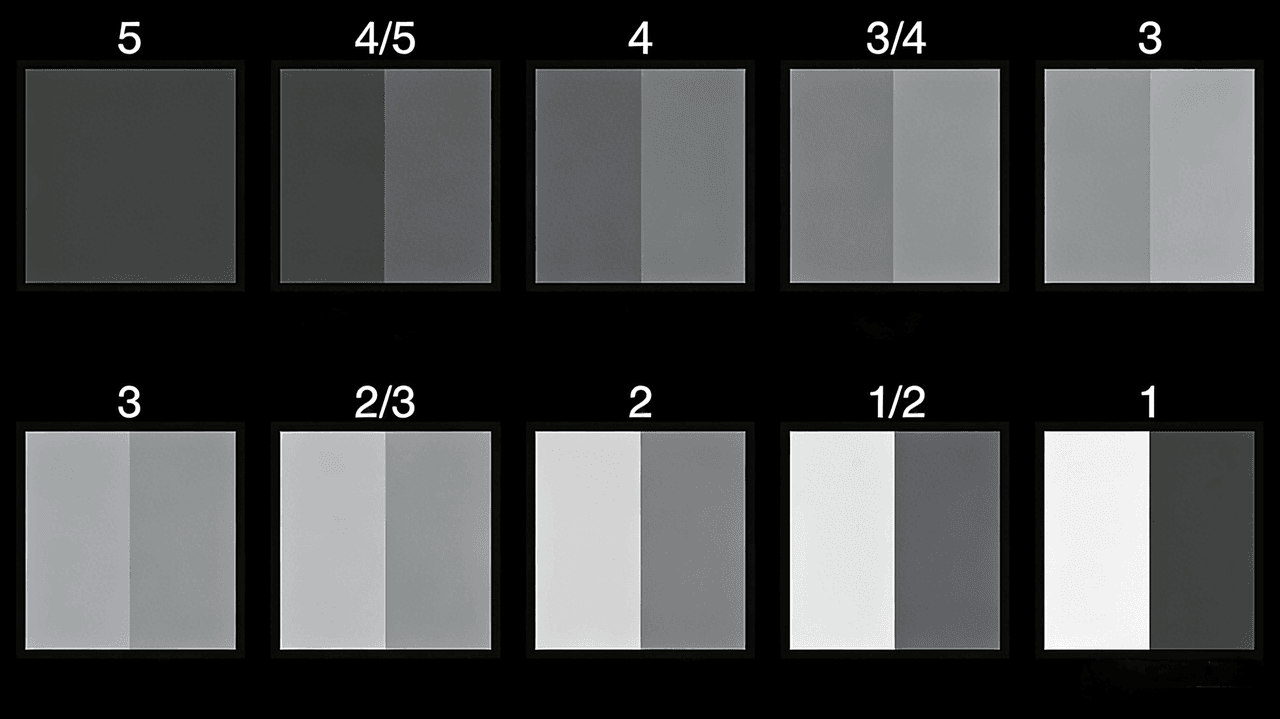
For consumer apparel, aiming for grades of 4–5 in key tests is a practical industry benchmark: lower grades correlate directly with visible fading, staining of adjacent garments, and customer dissatisfaction. Standards-based evaluation allows brands to translate technical measurements into business decisions: accept, rework, or reject batches before they reach consumers.
Factors Influencing Print Longevity
Three technical pillars determine how a print will age:
- Substrate (fabric) composition and ground color. Natural fibers (cotton) absorb reactive and pigment inks differently than synthetics (polyester). Dark or colored grounds, or printing over a colored base with white(s) involved, require different chemistries and pre-treatment to avoid bleeding or loss of vibrancy. Global material flows and fiber mixes (and the prevalence of blended fabrics) complicate a “one-size-fits-all” approach — pretesting each fabric type is essential.
- Ink chemistry and certification. Different ink systems (pigment, reactive, disperse, sublimation inks) have distinct adhesion and washfastness profiles. High-performance pigment and reactive inks engineered for textiles and certified by recognized programs (such as OEKO-TEX® Standard 100 or ECO PASSPORT) give brands two advantages: improved technical performance and verified chemical safety for end users (important for intimate apparel and children’s wear). Examples from manufacturers of textile pigment inks demonstrate claims of superior washfastness and eco certification — a useful procurement signal for quality.
- Printing & fixation processes. Proper printer calibration, controlled curing temperatures/pressure, and validated fixation profiles are critical. Under-cured prints may look acceptable off the line but fail the first few wash cycles. Conversely, over-curing can damage fibers or cause hand (feel) degradation. Production control and documented process windows reduce variability between batches.
3 Universal Tests that Anchor Colorfastness claims
The textile industry relies on standardized laboratory methods to simulate consumer use and measure durability. Three tests are especially integral to print quality evaluation:
1. Colorfastness to Washing (Washing Fastness)
This test simulates the wear and tear of a product's life cycle through repeated, accelerated domestic or commercial laundering.
- International Standard: ISO 105-C06 (Colorfastness to domestic and commercial laundering) and AATCC TM 61 (Colorfastness to Laundering, Home and Commercial: Accelerated).
- The Process: Fabric samples are washed repeatedly at specified high temperatures (often 49℃/120℉ for accelerated testing), using standardized detergents. The print's appearance is then compared against a Grey Scale to measure the degree of color change.
PODpartner Target: We routinely test to ensure prints achieve a minimum of Grade 4 for change in color, meaning minimal to negligible fading over the product’s projected lifespan.
We routinely test to ensure prints achieve a minimum of Grade 4 for change in color, meaning minimal to negligible fading over the product’s projected lifespan.
2. Colorfastness to Rubbing/Crocking
This standard tests the print's resistance to physical abrasion, which occurs during daily wear, packaging, and shipping.
- International Standard: ISO 105-X12 (Colorfastness to rubbing) and AATCC TM 8 (Colorfastness to Crocking: Crockmeter Method).
- The Process: A specialized machine called a Crockmeter rubs a piece of standardized white cotton cloth against the printed area. This is done under two conditions:
- Dry Rubbing (Dry Crocking): Testing abrasion resistance.
- Wet Rubbing (Wet Crocking): Testing if wet ink particles transfer when damp (e.g., during rain or after sweating).
- The Importance: High rubbing fastness is crucial for graphic areas (like large back prints) that constantly rub against seats, bags, or other clothing. Low wet rubbing fastness can lead to dye transfer onto other garments.
3. Colorfastness to Perspiration (Sweat Fastness)
Crucial for activewear, sports apparel, and any garment worn close to the skin, this test determines how a print reacts to human sweat.
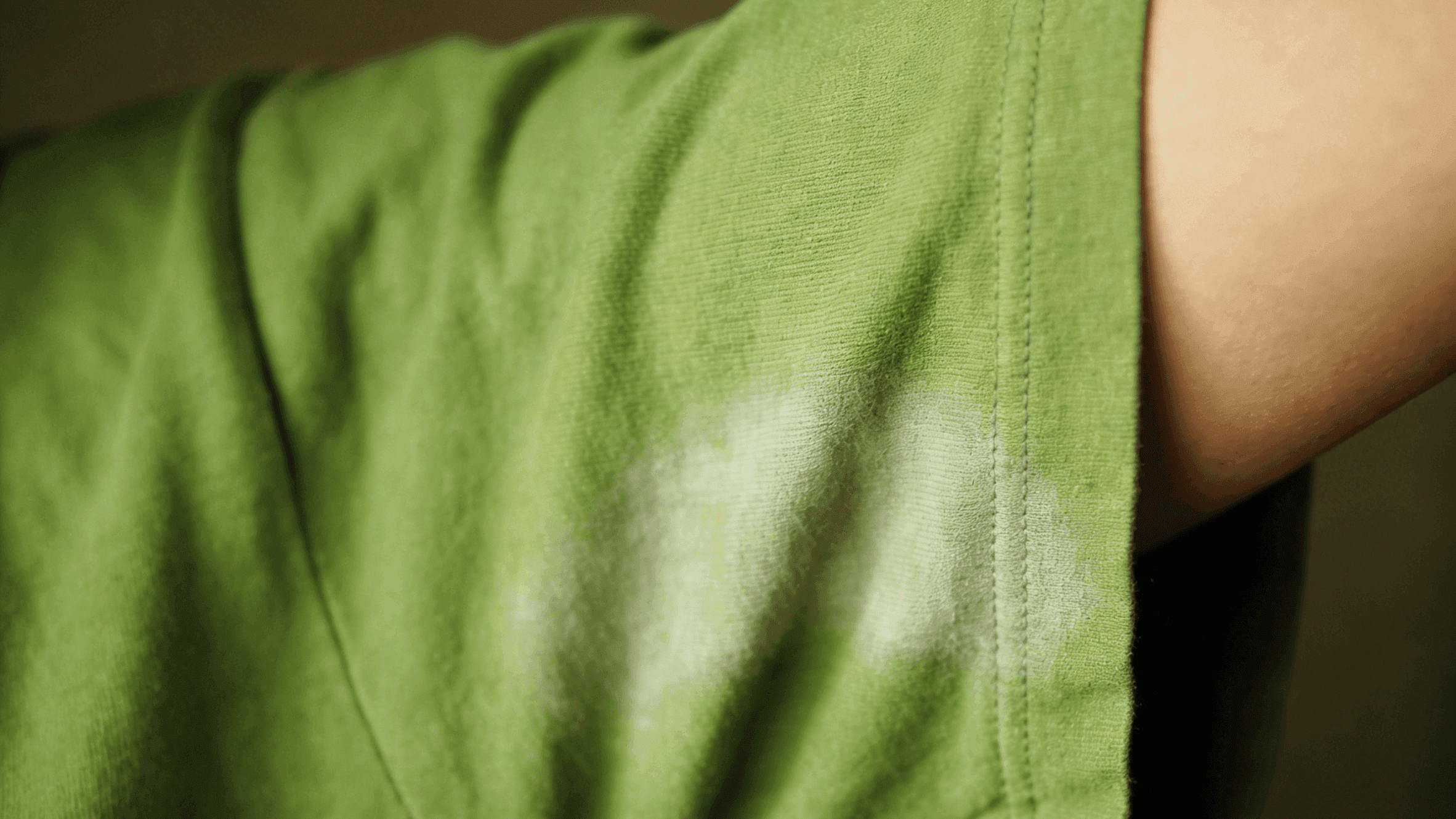
- International Standard: ISO 105-E04 (Colorfastness to perspiration) and AATCC TM 15 (Colorfastness to Perspiration).
- The Process: Print samples are placed in contact with standardized "adjacent fabrics" (unprinted cloth) and soaked in two different simulated human sweat solutions:
- Acidic Solution: Simulating fresh sweat (pH 5.5-6.0).
- Alkaline Solution: Simulating older, stale sweat (pH 8.0).
The samples are then compressed under specific pressure in an oven. The final assessment measures both the change in the print color and the degree of staining on the adjacent white fabric. Achieving high grades here is non-negotiable for high-performance apparel brands.
PODpartner's High-Standard QC Process: From Source to Print
Our commitment to superior colorfastness is embedded in a two-phase quality control system that far exceeds the industry average, enabling us to consistently deliver Grade 4/5 prints that minimize your customer complaints.
Phase 1: Raw Material Assurance
Before the ink even touches the fabric, we ensure the foundational components meet the highest global standards for chemical stability and longevity.
a. Ink & Consumable Selection: OEKO-TEX Compliance
We exclusively partner with ink suppliers whose products carry the OEKO-TEX® ECO PASSPORT certification. This certification ensures the ink is free from harmful chemicals, prioritizing human health and the environment. High-quality, certified inks possess superior pigment concentration and binder technology, which chemically translates directly to better wash and friction resistance (e.g., achieving Grade 4.5/5.0 in independent AATCC 61 tests).
b. Fabric Pre-treatment Optimization
While our focus is exclusively on high-grade 100% cotton apparel, the substrate properties still vary significantly by weight (GSM) and yarn count. These differences alter the cotton's absorption profile and surface texture, necessitating a dynamic approach to pre-treatment.
We implement a rigorous pre-testing protocol for every new cotton variant, managing the full spectrum of substrates from premium lightweight tees to heavy-duty fleece. We calibrate the fabric’s specific optimal pre-treatment formulation (concentration and application density) to ensure maximum fiber reactivity and compatibility with the DTG pigment ink. This guarantees the strongest molecular bond and optimal color vibrancy and wash fastness across all counts and weights.
Phase 2: Production & Calibration
The stability of the final product is guaranteed through meticulous, routine checks performed on the production line.
a. Print Qualification Testing for New SKUs
In line with ISO 9001 principles for quality management, our rigorous colorfastness verification is performed as a proactive qualification test for every new garment style or blank SKU introduced. When a new product (e.g., a specific GSM hoodie or a new cotton supplier) is approved, samples are immediately pulled.
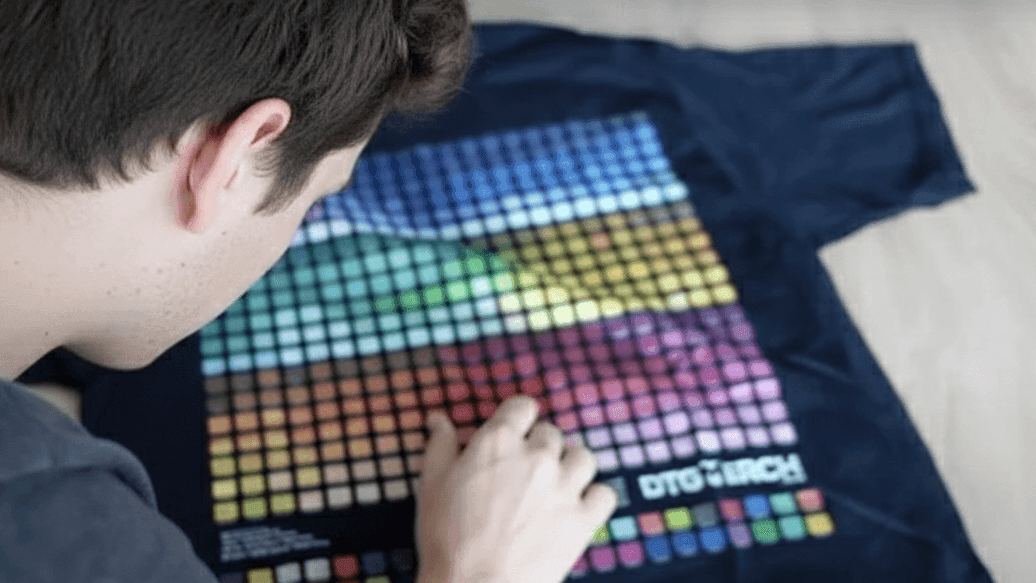
These samples are subjected to the full, accelerated battery of colorfastness tests (Water, Rubbing, Perspiration). This one-time, comprehensive testing establishes the quality benchmark and approved printing parameters for that specific style, ensuring that all subsequent production runs meet the certified standard.
b. Curing Equipment and Color Management Calibration
The most common cause of poor durability is inconsistent curing. Our process eliminates this variability:
- Thermal Precision: We utilize industrial-grade tunnel dryers and heat presses with continuous temperature monitoring systems. This ensures the precise, manufacturer-recommended curing temperature (often between 160℃ and 180℃) is maintained across the entire print area for the exact duration required to fully polymerize the ink binder.
- Pressure Uniformity: For white-ink underbases (on dark garments), proper heat press pressure is essential to set the foundation. Our equipment is routinely calibrated to ensure uniform pressure distribution, which maximizes the ink’s adhesion and prevents future peeling or cracking.
Frequently Asked Questions about Colorfastness
Q: What is a good colorfastness grade for DTG prints?
A: The industry standard uses a Grey Scale from 1 (poor) to 5 (excellent). PODpartner targets a minimum of Grade 4 for washing fastness, ensuring minimal to negligible fading over the product’s lifespan, significantly reducing customer returns.
Q: What standards does PODpartner use for wash testing?
A: We adhere to international standards like ISO 105-C06 and AATCC TM 61. These tests simulate repeated domestic laundering at accelerated rates to verify that the ink bond holds up under real-world conditions.
Q: Does PODpartner use safe, certified inks?
A: Yes. We exclusively use inks with OEKO-TEX® ECO PASSPORT certification. This ensures the inks are free from harmful chemicals and safe for end-users, while also providing superior pigment concentration for better wash resistance.
Q: What is the 'Crocking' test?
A: Crocking refers to color transfer through rubbing. We perform both Dry Rubbing (abrasion resistance) and Wet Rubbing (sweat/rain resistance) tests using a Crockmeter, following ISO 105-X12 standards to prevent dye transfer onto other garments.
Q: How do you ensure consistency across different fabric types?
A: We implement a rigorous pre-testing protocol for every new cotton SKU. Whether it's a lightweight tee or a heavy fleece, we calibrate the specific pre-treatment formulation to match the fabric's absorption profile, ensuring optimal ink bonding.
Conclusion
Colorfastness is far more than a technical metric—it is a business safeguard. Faded prints often lead to poor reviews, returns, and long-term damage to brand credibility. By implementing rigorous testing across materials, inks, preprocessing, and final print stages, PODpartner focuses on high-quality control for DTG, minimizes these risks and ensures that every garment maintains visual integrity wash after wash.
Strong durability standards directly reduce operational costs and support higher customer satisfaction and repeat purchases. For brands, this means less time spent resolving complaints and more time focusing on growth.
With an industry-leading approach to colorfastness and quality control, PODpartner helps apparel brands protect their reputation, deliver consistent product experiences, and build trust with every order.
Further reading

No Order Minimums

No Membership Fees

No Unsold Stock

No Quality Concerns
Only Creativity, Satisfaction, and Profits!