
 USD

A Detailed Guide to Cotton Fabric: From Fiber to Garment


One of the most famous clothing materials across the globe is cotton cloth. It is soft, breathable and comfortable all around since it is made of natural fibers harvested in cotton plants. Cotton can be used throughout the year, and it is applicable to T-shirts, shirts, dresses, home textile, etc. It has a moisturizing effect, it is skin friendlier and easily washed. This manual will help you perceive all of the aspects starting with characteristics of cotton fabrics to suitable applications.
Part 1: The Journey of Cotton – From Field to Fabric
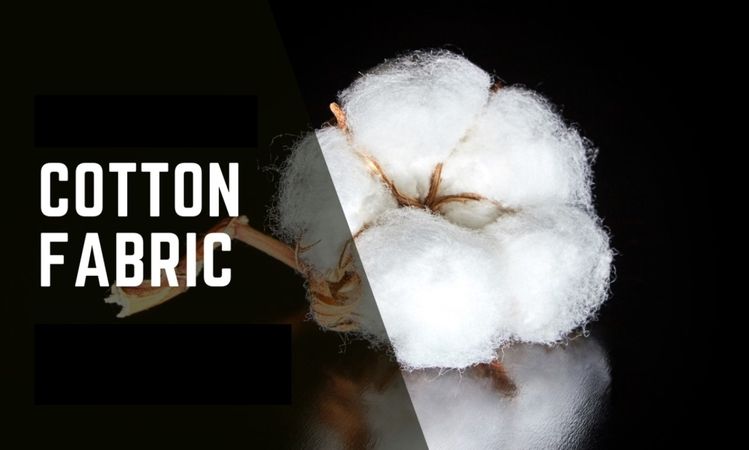
Cotton starts its process in a field where cotton blossoms into a lily white fuzzball. Cotton is collected by farmers, transported to the factory, and washed there. The strands are made into threads, woven or knitted into tissues, with processes that can also influence fabric elasticity depending on the weaving method. Thereafter, the textile is dyed, printed, or finished to be worn as clothes and other products. Cotton is subjected to numerous pleasant procedures, turning simple field plants into the fabric that we wear.
Origin of Cotton Fabric
Cotton consists of fluffy fibers that are present around cotton seeds. Vegetable plants are cultivated in areas where there is mild weather including India, China and the United States, Brazil and most of the African nations. Thousands of years ago, cotton was in use and it has been found in the traces that various types of cotton fabrics were used in ancient Egypt and India.
Production of Cotton Fabric
Production of cotton cloth is carried out in a number of processes. To start with, once cotton has been harvested off the plant, washed, spun and woven, then that process is finished as a material to be turned into clothing and other articles.
- Harvesting: Cotton can be picked off the plant either manually or using machines.
- Ginning: The seeds are processed by taking the harvested cotton to a cotton gin and removing the seeds and the fibers.
- Cleaning: To tenderize the fibers, cleaning is done to drive off the dirt, leaves and the small particles.
- Spinning: Fibers undergo cleaning then are spun into yarn or thread.
- Weaving or Knitting: the various techniques of fabrication are involved that involve yarn and convert it into a fabric.
- Finishing: treatment, dyeing or printing of the fabric prepares it to enter a garment or other product.
Depending on the processing, weaving, and the amount of processing the cotton undergoes, very different textures and weights can be produced with cotton fabric.
Part 2: Cotton Fabric Construction and Weight
The makeup of the cotton fabric can be termed as the process of weaving or weaving the thread into cloth. Cotton weight is gauged as GSM which shows how thick and thin the fabric is. Cotton is light and comfortable to wear during summer clothes. Medium cotton is best used as everyday wear while heavy cottons are warm and sturdy. Knowing structure and weight enables you to select the right cotton fabric to be used according to needs like comfort and style.
Fabric Construction
Cotton fabric is usually made in two ways - knitting or weaving fabric. The appearance, touch and elasticity of the fabric differ depending on the manufacturing method. The woven cotton is soft and elastic, while the woven cotton is robust, smooth and has the characteristics to maintain its shape.

Knit
Knitted fabric is made by knitting the thread in a loop shape and is soft and elastic. Many T-shirts use knit cotton because of their comfort, fit and easy movement. Therefore, it has become a popular material as casual and everyday wear.
Woven
A fabric is a fabric that is woven by intersecting threads alternately up and down. Woven cotton is stronger than knitted cotton and has better ability to maintain shape, but has little elasticity. Shirts, trousers and sheets are often made from woven cotton.
Weight and GSM
The weight of the fabric is an important factor in the touch and performance of cotton. The weight is measured in GSM. This indicates the weight of the fabric per area.
In simple words: GSM shows how thick or thin the fabric is.
GSM and Thickness
The greater GSM usually equates to a heavyweight and dense material. For example:
- Low GSM (100-150): Airy, light and fits summer best.
- Medium GSM (160-180): This is ideal as all round wear in majority seasons.
- GSM of 190-250 (High): Thicker and warmer and suitable in lower temperatures or higher quality clothes.
Your understanding of the GSM can help you select the appropriate T-shirt or garment that fits the kind of weather that may be prevailing, your degree of comfort, as well as the durability of your cloth.
Part 3: Printing, Dyeing, and Garment Types
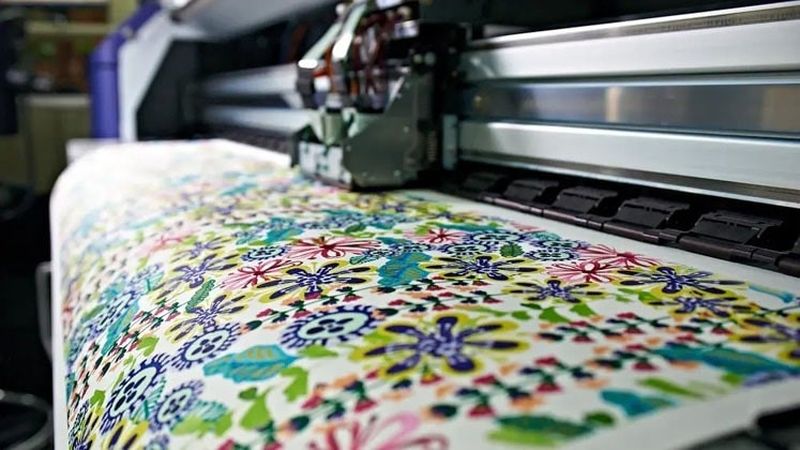
Cotton fabric has a wide application in tailor made clothes since it can easily be dyed and printed. Cotton fabric achieves colorful deep shades through the process of dyeing. Clear and detailed designs on the fabric can be printed using printing technology. There is numerous clothing like a high-quality tee shirt, shirts, dresses and children dresses made of cotton. Since cotton takes up the color, the design is always fresh and bright even after several washings, and therefore it is the most suitable material when it comes to making fashion and casual dressings.
Part 4: Why Premium Clothing Uses Cotton Fabric
High-end clothing brands favour cotton because it is so nice, durable and versatile. Among others, the causes are:
- Comfort: Cotton is soft and cozy to wear on the skin.
- Breathability: It permits air flow, it cools the body.
- Durability: Good quality cotton can stand the passage of time and remain long-lasting if cared well.
- Style: Cotton looks perfect in two types of style; casual as well as in formal style.
- All-purpose: It is versatile that it can also be used for printing high quality T-shirts, shirts, dresses and so much more.
Cotton is sometimes the go-to fabric when a brand wants to make clothes that you can feel good about and also lasts long.
Bonus: 100% Cotton Clothing in Custom Designs
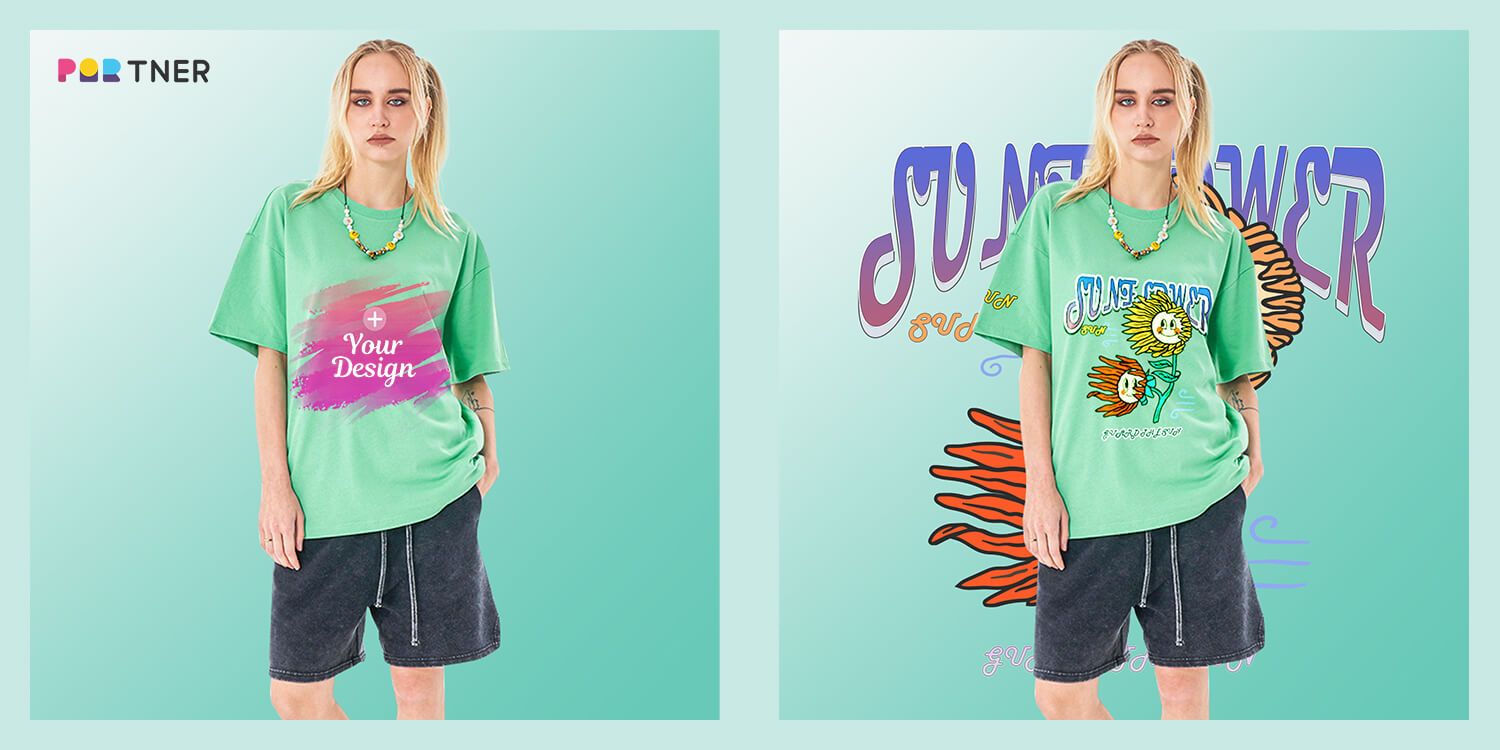
At PODpartner, we offer a wide variety of high-quality cotton clothing, including different styles, colors, and sizes to suit your needs. Whether you're looking for plain cotton tees, a custom print run, or branded merchandise, we handle all the hard work for you.
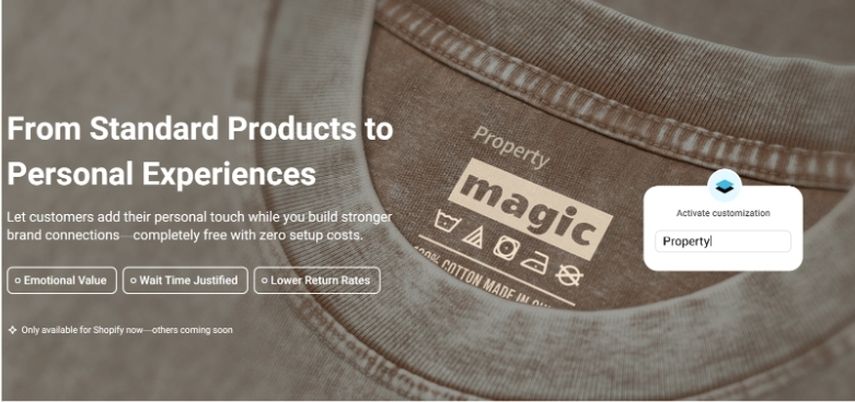
One standout feature of PODpartner is our free customization. We empower your customers to add their own text or images to your branded clothing, creating a deeper connection with your brand. This personalized touch not only enhances customer satisfaction but also strengthens brand loyalty.
PODpartner's Features:
- Wide range of cotton T-shirts in different GSM weights.
- Multiple colors and sizes available.
- High-quality printing methods like DTG for clear designs.
- Custom embroidery with 15 colour.
- Easy online design tools to upload your own logos or text.
- Reliable quality control so every shirt meets the same standard.
- Suitable for personal use, events, or retail.
PODpartner's service makes it simple to create custom high-quality T-shirts that look good, feel comfortable, and last a long time.
FAQs about Cotton Fabric
Q1: What makes cotton fabric a good choice for clothing?
Cotton is softy, breathable and comfy. It can be used all year round, it is easy to wash, and it can be used long if proper care is done.
Q2: What does GSM mean in cotton fabric?
GSM will be used to define the thickness of the fabric. GSM refers to Gram per square meter. Low GSM is thin, medium can be worn every day, high GSM thick, warm.
Q3: Can cotton T-shirts be customized?
Yes, cotton T-shirts can be printed or designed with their own logo, text or image. PODpartner offers tools that make it easy to create high quality custom T-shirts.
Conclusion
Cotton is a very comfortable and handy material in the world. Breathable and refined into formats that can be used in a variety of solutions in the farm-to-finished-product process. Moreover, in case you require a customized high-level T-shirt, it has a solution on how you can obtain the products of your interest with ease at PODpartner.
Further reading

No Order Minimums

No Membership Fees

No Unsold Stock

No Quality Concerns
Only Creativity, Satisfaction, and Profits!