
 USD

Cotton vs Polyester: Choosing Fabric for Prints & Embroidery

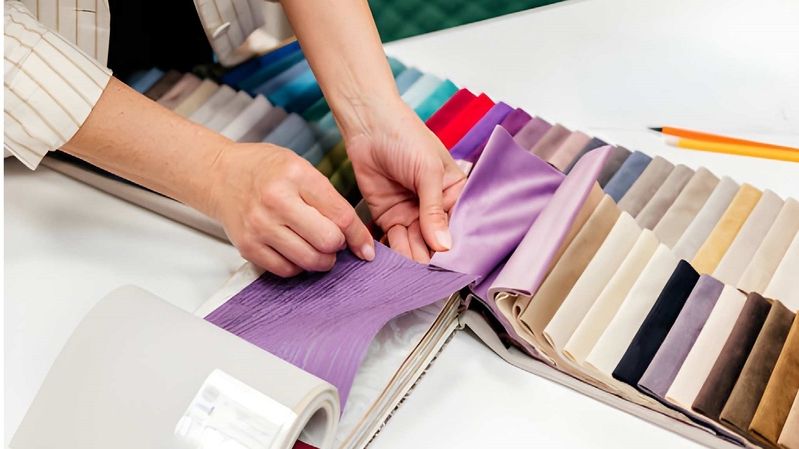
In apparel, bad designs are obvious. Bad fabric decisions are subtle—and that’s why they’re more dangerous.
A customer rarely says, “This fabric choice ruined the product.” Instead, they say the shirt feels cheaper than expected. The embroidery doesn’t sit right on the chest. The print looks tired after a handful of washes. Or worse, they don’t say anything at all—they just don’t buy again.
What many brands miss is that these reactions usually have nothing to do with the artwork itself. They come from a mismatch between the design method and the fabric it was applied to. Fabric is not a passive backdrop. It dictates how ink spreads, how stitches sit, how a garment ages, and whether a product feels intentional or accidental.
This is especially true in print-on-demand and small-batch apparel, where there’s little margin for error. You don’t get infinite samples. You don’t get endless revisions. If the fabric fights the process, the customer pays the price—and so does the brand.
This guide focuses narrowly on cotton and polyester as they relate to printing and embroidery, not comfort myths or fashion trends. The goal is to help apparel sellers and POD brands choose materials that support the design instead of quietly undermining it.
How Cotton and Polyester Behave Once Production Starts
Ink Absorption vs Color Hold
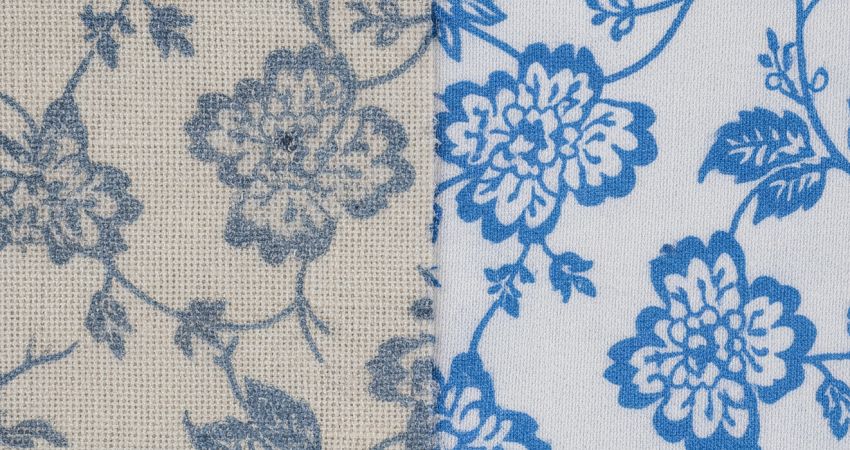
Cotton and polyester differ most at the fiber level, and production exposes those differences immediately.
Cotton is a natural, absorbent fiber. When ink hits the surface, it penetrates into the fabric rather than sitting fully on top. This is why cotton prints feel soft and integrated. The design becomes part of the garment instead of a layer on it. That quality is exactly what lifestyle and streetwear brands value.
The downside is control. Absorption softens edges and limits how intense colors can appear. Bright reds, deep blacks, or high-contrast gradients often lose punch unless the printing process is tightly managed. Cotton rewards restraint and punishes excess.
Polyester behaves differently. Ink bonds closer to the surface, which preserves vibrancy and edge definition. Colors stay bold longer, especially after repeated washing. This is why polyester dominates performance apparel and sportswear.
But this surface-level hold comes with trade-offs. The print can feel less organic, and inconsistencies show up quickly if heat or pressure isn’t dialed in precisely.
Surface Texture and Print Clarity
Texture matters more than most sellers realize. Cotton’s natural irregularity diffuses ink slightly, creating a softer visual finish. Polyester’s smoother surface allows sharper edges and cleaner lines.
This difference directly affects how detailed designs translate from screen to garment. Fine lines, micro-text, and photographic elements behave very differently depending on surface consistency.
Stitch Behavior Under Embroidery
Embroidery turns fabric behavior from a theory into a problem—or a strength.
Cotton stretches and flexes under stitch tension. On heavier cotton, this movement is manageable. On lighter cotton, dense embroidery can pull the fabric inward, causing puckering or distortion around the design. This isn’t a machine issue. It’s a material reality.
Polyester resists that movement. Its structural stability allows stitches to sit cleanly and evenly, which is why complex embroidery often looks sharper on synthetic fabrics.
Shrinkage, Wash Cycles, and Time
Time reveals everything. Cotton can shrink slightly after washing, altering how prints and embroidery sit on the garment. Polyester maintains its shape more consistently, preserving alignment.
The core lesson is straightforward: fabric behavior determines production outcomes, not just how a shirt feels when it’s folded on a shelf.
Cotton vs Polyester for Printing: Where Expectations Usually Break
Why Cotton Still Owns the Graphic Tee Market
Cotton remains the default for graphic tees for a reason. It delivers softness, breathability, and authenticity—qualities customers associate with everyday wear and premium casual apparel.
When printing on cotton, ink absorption creates a matte, lived-in finish that aligns perfectly with streetwear, vintage aesthetics, and minimalist branding. Cotton excels when the design is meant to feel worn, not flashy.
This is why cotton works best for:
- Graphic tees built around illustration or typography
- Streetwear drops where texture matters more than brightness
- Brands positioning themselves as “soft,” “premium,” or “timeless”
Where cotton fails is when brands ask it to do a job it’s not designed for. Highly saturated colors, sharp gradients, or photo-heavy designs often lose impact. Without disciplined curing and realistic color expectations, wash fading becomes a real risk.
In production, cotton printing most often breaks down when sellers chase screen-perfect colors instead of fabric-appropriate results.
Where Polyester Excels—and Where It Undermines Brands
Polyester thrives in environments where color intensity and durability matter more than tactile experience. Prints remain bold, edges stay crisp, and degradation over time is minimal. This makes polyester ideal for performance apparel, sportswear, and visually aggressive designs.
However, polyester introduces its own risks. Heat sensitivity can cause inconsistencies during printing, and the synthetic hand feel can clash with brands selling softness or craftsmanship. When polyester is chosen purely for vibrancy without considering brand positioning, customers notice the disconnect immediately.
The Complicated Reality of Blends
Blends attempt to balance softness and color retention, but they add variability. Different ratios behave differently under heat and ink, making testing non-negotiable. When blends outperform both cotton and polyester, it’s because they were selected intentionally—not because they’re a shortcut.
Embroidery Is Where Fabric Mistakes Become Expensive
Fabric Density Determines Stitch Results
Embroidery magnifies every fabric decision. Heavy cotton supports embroidery beautifully, delivering a classic, textured look that aligns with premium branding. Lightweight cotton increases risk, especially with dense stitch patterns.
Polyester’s stability allows embroidery to remain clean and precise, which is why it performs better for intricate logos or high stitch counts.
Why Digitizing Is Half the Equation
Fabric alone doesn’t determine embroidery quality. Stitch density, underlay, pull compensation, and file format all play critical roles. This is where many POD sellers lose money without understanding why.
Platforms like PODpartner support advanced embroidery workflows, including JPG and DST file formats and high color-count embroidery. Given that all PODpartner products are crafted from 100% cotton, their professional in-house digitizers optimize stitch density and placement specifically for this material to ensure the result looks intentional—not just acceptable.
This expertise becomes especially important when brands want embroidery to signal quality, not mass production.
Choosing Fabric Based on Product Type and Brand Positioning
Matching Material to Product Intent
Fabric selection should follow product purpose.
- Everyday graphic tees benefit from cotton’s softness.
- Premium embroidered apparel requires heavier cotton to support stitch density.
- Streetwear relies on weight and texture to feel authentic.
- Performance apparel prioritizes durability and color stability, where polyester dominates.
Brand Positioning Sets the Rules
Fabric communicates brand identity before a word is read. A “soft and premium” brand aligns naturally with cotton. A “bold and durable” brand can lean into polyester. Problems arise when fabric choice contradicts the story being told.
Consistency Is What Allows Brands to Scale
As brands grow, inconsistency becomes expensive. Switching fabrics to cut costs introduces quality drift that customers feel immediately.
Apparel-focused POD platforms with in-house garment manufacturing and printing control, like PODpartner, help maintain consistent results across cotton-based garments—especially when combining print and embroidery on the same piece. Control over fabric sourcing, digitizing, and production quality reduces surprises from sample to scale.
Let the Fabric Work for the Design, Not Against It

Cotton versus polyester is not about choosing a winner. It’s about choosing the right material for the job.
Printing and embroidery demand different fabric behaviors. Smart brands select materials based on design method, product purpose, and customer expectations—not convenience or trends.
The apparel brands that last don’t design first and troubleshoot later. They engineer from the fabric up. That’s why their products still feel right after the tenth wash—not just the first unboxing.
Further reading

No Order Minimums

No Membership Fees

No Unsold Stock

No Quality Concerns
Only Creativity, Satisfaction, and Profits!