
 USD

Print on demand Copyright: Basics for Designers

The internet has made it easier than ever for designers to share, sell, and spread their creative work. Print-on-demand (POD) platforms let anyone turn an idea into a T-shirt, hoodie, or tote bag in just a few days. However, there comes a big challenge with this quick and easy access. This includes protecting your designs from being stolen and making sure you don’t accidentally copy the work of someone else. Copyright is very important here. If you are a designer starting a clothing line or launching a brand with a POD partner, understanding copyright is not just legal stuff. It is about keeping your design production safe and avoiding costly problems. Copyright for designers also help in building trust with your customers. In this guide, you will learn the basics of copyright for designers, simple steps to protect your work, and how to avoid copying others in digital distribution. We will also explain why print on demand copyright awareness is extra important when using POD platforms.
What Is Copyright?
As per copyright definition, copyright is a legal right that belongs to people who create original work. For designers, this includes things like:
- Graphic drawings
- Prints and patterns on clothes
- Photos used in designs
- Fonts, you have made yourself
A digital file is automatically protected by copyright as soon as you create something original and save it in that file. You don’t have to fill out any forms for this basic protection.
Still, many designers choose to officially register their important work with their local copyright office. This is because of multiple copyright registration benefits. The key ones include:
- Registration gives stronger proof if someone copies your work.
- It helps you ask for money or take legal action if needed.
Why it matters?
Others can copy your designs with little consequence without proper design copyright coverage. However, you have a clear way to protect your work with copyright registration.
How Designers Can Protect Their Work?
Simple habits can really help to protect artwork copyright. Here are some easy steps to follow:
Create Original Files
Always save your layered files like PSD, AI, or Procreate. These show you made the design and when. Keeping originals also makes it harder for someone else to say they created it first.
Save Timestamps
You should prefer to use cloud storage or backup services that record the date automatically. Taking screenshots or keeping project histories also helps prove when you made something. This will be easier to show the design is yours when you have more records.
Register Important Design Pieces
Official copyright registration gives you stronger legal protection. This is especially useful when you register designs that you plan to sell a lot or that are very valuable. It might feel like extra work. However, it is worth it if your work gets popular.
Steps to Register Your Graphic Designs for Copyright
Registering your graphic designs for copyright might seem tricky. However, it is actually pretty simple. Here is an easy guide to help you through the process:
- Firstly, you have to gather your materials. Collect everything related to your design like digital files, sketches, and any documents that show your work.
- Find your copyright office. Go to the website of the copyright office for your country or region. There, you will find the forms and instructions you need.
- Now you have to fill out the application. Complete the application form with clear and accurate details about your design. Be ready to pay any fees required.
- Send in your application. Submit your completed form and all your supporting materials. Make sure you follow any rules about file types or sizes.
- Get your copyright certificate. Once your application is reviewed and approved, you are going to get a certificate indicating your ownership of the copyright.
It is important to remember that rules may be somewhat different depending on your location. You must ensure that you are doing everything well by checking with your local copyright office or consulting a legal professional.
Contracts & Licensing
You need to have clear contracts on who is the work owner, its use, and payment. This is a practice to consider whenever you are working with the clients or other artists. Even a short contract can prevent problems and keep things professional.
Add Subtle Protection with Watermark and Metadata
Watermarks, hidden signatures, or metadata can help you to stop theft and prove the design is yours. They might not stop every copy. However, they can give you extra security if you need it.
Following these steps makes it easier to protect your designs and your creative work.
Avoiding Copyright Infringement
One should learn the difference between taking inspiration and copying the work of someone else. These are some of the easy ways to ensure that you would not violate copyright and ensure making your own designs:
- Learn about copyright laws
You must understand what is copyright and how it relates to graphic design. This will assist you in not committing any violations. Many people think they can use copyrighted material because of fair use myth. However, this is often misunderstood. Fair use is very limited and usually does not apply to products you sell like print-on-demand items. - Create your own work
You should always attempt to come up with unique designs using your own ideas and abilities. Taking inspiration is great but copying others is not good. It is important to understand that the regulations of AI-created artwork are not yet clear. It is better to use AI created content carefully until AI design copyright laws are clearer. You should only use a design if you are sure about the fact that you have permission to use it. - Use licensed materials
Make sure they come from sources that give you permission if you use images, fonts, or other design parts from others. Read the rules of licensed design resources carefully to know what you can and can’t do. - Give credit when needed
Always credit the creator as the license says if you use the work of someone else. Sometimes, giving credit allows you to use their work legally. - Change and transform
You should make big changes to create something new if you take inspiration from existing work. Just small tweaks might not be enough to avoid copyright trouble. So, you must be careful. Keep good records
Save your sketches, drafts, and notes about your inspiration. This helps prove your work is original and that you tried to avoid copying.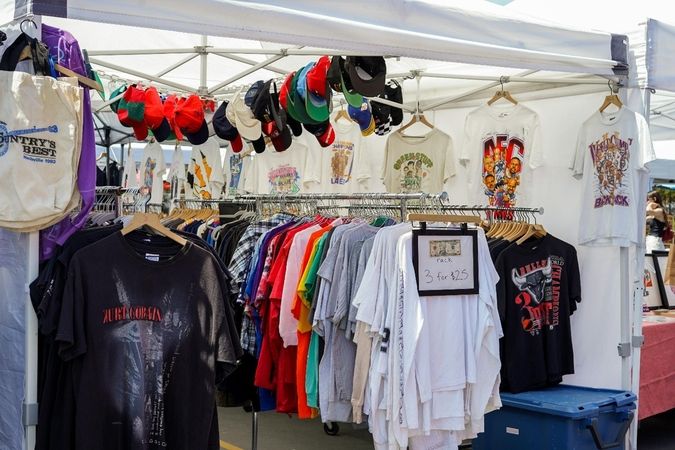
Copyright & Print-on-Demand (POD) Specifics
POD platforms like POD partner let designers quickly launch products without keeping stock. However, this easy setup also means more chances for copyright problems. Here are some risks for POD sellers that you need to know:
- Someone might copy your design and upload it as their own.
- Your online store could be taken down if someone files a copyright complaint.
- You could face legal trouble if you accidentally use copyrighted work.
You must try these tips to stay safe as a POD designer:
- Keep clear records of when and how you made your designs.
- Register important designs that are key to your brand.
- Use only fonts, images, and graphics that you have permission to use.
- Work with others only if you have a written agreement.
POD partner Tip: You must check out POD partner’s Intellectual Property Policy before you publish any design. Following their rules helps you avoid takedowns and problems.
Final Thoughts
Copyright might seem confusing. However, it is really about keeping your ideas safe and respecting the work of others as a designer. If you are selling with POD partner, understanding copyright helps you grow with confidence. Simply, protect designs and follow copyright best practices to make original work that your customers will love.
Further reading

No Order Minimums

No Membership Fees

No Unsold Stock

No Quality Concerns
Only Creativity, Satisfaction, and Profits!