
 USD
USD
DTF vs DTG Printing — Which Method Is Best for Apparel POD?

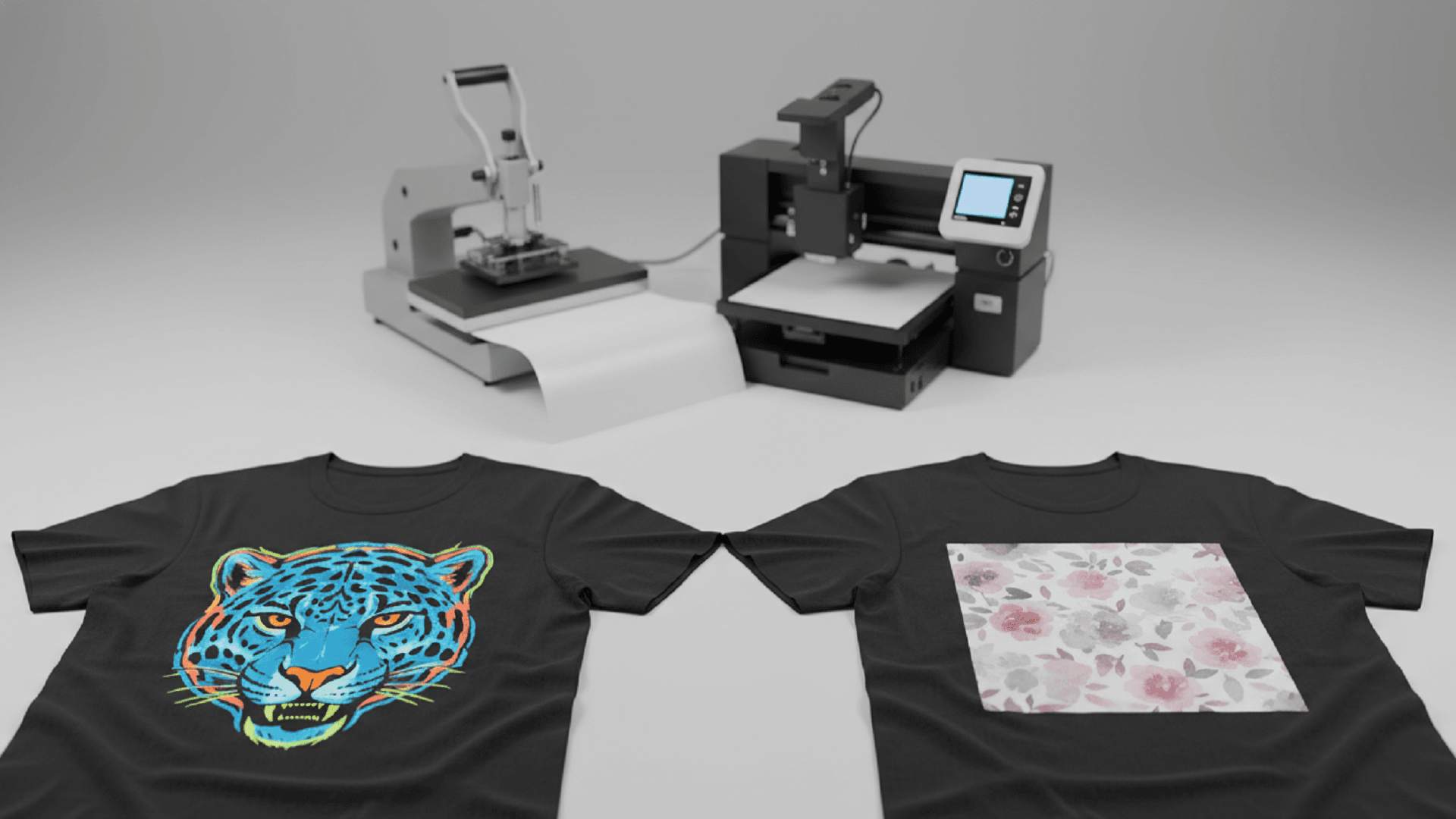
Choosing the correct printing method is one of the most important decisions for anyone selling apparel through Print-on-Demand. The print technique you select affects how a hoodie feels when a customer wears it, how vibrant a t-shirt design looks when photographed, and how long a graphic on a sweatshirt lasts after multiple washes. It also shapes how shoppers perceive your brand—premium, artistic, bold, durable, or low-quality. Two printing methods are discussed more than any others in the POD industry: DTG (Direct-to-Garment) and DTF (Direct-to-Film). While they are often compared side-by-side, they serve different purposes, work better on different apparel types, and produce different visual results. Understanding these differences helps sellers make smarter decisions for hoodies, t-shirts, long sleeves, sweatshirts, tank tops, shorts, and pants.
DTF vs DTG Printing — Which Method Is Best for Apparel POD?
What Is DTG Printing?
DTG (Direct-to-Garment) uses a precision textile printer that sprays ink directly into the fibers of the garment. For dark apparel, pretreatment is required to ensure color accuracy and longevity. After printing, garments are heat-cured to permanently bond the ink.
Strengths of DTG
DTG is valued for its ability to create:
- Soft, lightweight prints that blend naturally with the fabric
- Smooth gradients and tonal transitions
- Detailed illustration effects similar to hand-drawn shading
- A premium, artistic look suitable for fashion apparel
DTG is ideal for creators who want soft-feel, artwork-first apparel that looks elevated and modern.
Limitations of DTG
While powerful, DTG has a few considerations:
- Performs best on 100% cotton fabrics
- Requires perfect pretreatment, especially on dark garments
- Moderate durability in high-friction areas like sleeves or pockets
Typical DTG Use Cases
- Washed vintage artwork
- Subtle illustration graphics
- Sketch-style hoodies
- Photo-based prints
- Neutral-toned fashion designs
DTG excels wherever natural texture, soft hand-feel, and visual artistry matter most.
What Is DTF Printing?
DTF (Direct-to-Film) prints artwork onto a film, applies adhesive powder, cures it, and heat-presses it onto the garment. The ink sits on top of the fabric rather than bonding into it.
Strengths of DTF
- Works on cotton, polyester, blends, fleece
- High durability with strong wash resistance
- Sharp edge detail
Limitations of DTF
- Heavier feel, especially on large prints
- Less suitable for premium minimalist or fashion-focused apparel
- Rubberized texture may reduce perceived value in luxury niches
Typical DTF Use Cases
- Bold streetwear graphics
- Large front prints
- Jerseys or uniforms
- Multi-color emblem patches
DTF is typically chosen for bold, graphic-heavy designs where feel is not a priority.
DTG vs DTF: Side-by-Side Comparison
| Category | DTG Printing | DTF Printing |
|---|---|---|
| Print Quality | Soft gradients, natural blending | Very saturated, bold |
| Detail Handling | Excellent for artistic shading | Excellent for sharp edges |
| Durability | Moderate; fabric-integrated | Very high; surface bonded |
| Fabric Compatibility | Best on cotton | Works on many fabrics |
| Hand Feel | Soft, natural | Heavier, rubberized on large prints |
| Color Vibrancy | Muted, natural | High-contrast, bright |
| Print Placement | Best on flat chest/back | Works well on sleeves, sides |
| Large Print Areas | Soft but less abrasion-resistant | Very strong |
| Ideal Styles | Illustration, vintage, artistic | Streetwear, logos |
| Order Efficiency | Great for small runs | Good for any volume |
| Overall Use Case | Premium artistic apparel | Durable graphic-heavy apparel |
Which Method Is Best for Apparel POD?

There's no single winner — the right method depends on your brand aesthetic.
Choose DTG if you want:
- Soft, fashion-quality prints
- Artwork that blends into the fabric
- Subtle gradients, illustrations, or photos
- Premium feel for streetwear, minimalist brands, or creators
- Higher perceived value for apparel buyers
Choose DTF if you need:
- High durability above all
- Bold, graphic-forward designs
- Large multi-placement prints
- Compatibility with synthetic fabrics
How PODpartner Approaches Printing Quality
Important clarification:
- DTG printing (optimized for premium apparel)
- Embroidery
- Print + embroidery combinations
- Factory-level apparel manufacturing
Because PODpartner manufactures its own apparel, creators benefit from unmatched consistency in:
- Fit accuracy
- Stitching quality
- Fabric weight and durability
- Color availability
PODpartner also supports:
- Up to 18 print locations (front, back, sleeves, hood, sides)
- Embroidery using JPG or DST files
- Up to 15 thread colors
- Branded labels, hangtags, and packaging — per order, no pre-purchasing
This gives POD sellers a highly professional, brand-ready product line that feels like retail apparel, not generic POD.
Best Use Cases for Each Method in Hoodies & Apparel
DTG Best For (industry-wide, but fully compatible with PODpartner):
Soft Minimalist Hoodies
- Tone-on-tone graphics
- Small chest logos
- Aesthetic subtle prints
Illustration Hoodies
- Hand-drawn art
- Watercolor or gradient shading
Vintage Hoodies
- Faded graphics
- Washed visuals
- Retro color palettes
Photo-Based Hoodies
- Scenic landscapes
- Lifestyle imagery
- Artistic portraits
DTF Best For general industry:
- Bold graphic streetwear
- Slogan hoodies
- High-contrast emblems
- Durability-demanding apparel
How to Choose the Right Method for Your Brand
Your Niche
- Artistic / lifestyle brands → DTG
- Bold slogan streetwear → industry typically uses DTF
- Minimalism → DTG
Artwork Style
- Gradients, shading, subtle tones → DTG
- Flat logos, high-contrast graphics → DTF (industry)
Fabric Requirements
- 100% cotton → DTG
- Performance blends → DTF (industry)
FAQs
Which method lasts longer?
DTF is more durable, but DTG offers better comfort and softness.
Which method works best on hoodies?
DTG produces premium-feel artistic and minimalist hoodies.
Does DTG work well on dark garments?
Yes — if pretreatment is controlled, which PODpartner manages internally.
Does DTF crack or peel?
Industry-wide, properly applied DTF is durable — but PODpartner does not offer DTF.
Which method is best for beginners?
DTG, because it produces premium results with minimal technical setup.
Conclusion
Both DTG and DTF have strengths — but each serves a different apparel vision.
- DTG delivers premium softness, artistic expression, and a fashion-forward feel.
- DTF is more rugged and bold but less suited for premium apparel.
Because PODpartner manufactures its own garments and specializes in DTG and embroidery, creators gain:
- Higher consistency
- Premium brand feel
- Advanced print placements
- Professional embroidery support
- True retail-quality apparel
Further reading

No Order Minimums

No Membership Fees

No Unsold Stock

No Quality Concerns
Only Creativity, Satisfaction, and Profits!