
 USD
USD
The Fascinating History of Embroidery

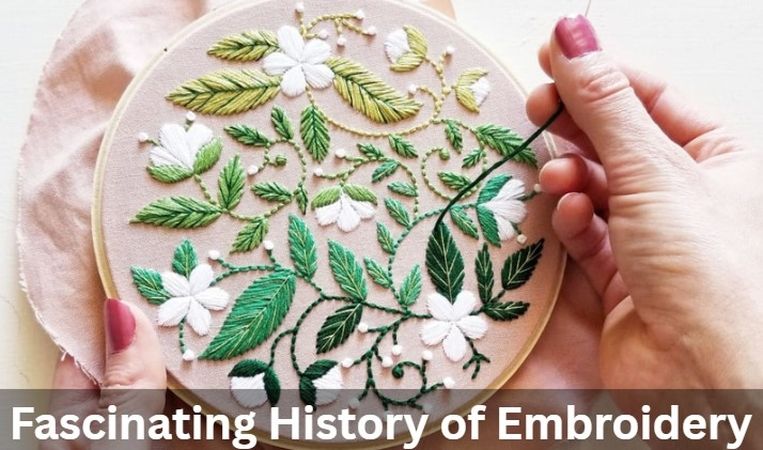
Embroidery is not only a decoration of the fabric. It is artful work which tells stories, cultures and identities through the generations. The embroidery history stretches back thousands of years and has been practiced worldwide to mark clothing, create art, and show status. Embroidery has shaped culture, from homemade stitching to the detailed patterns worn by the wealthy. Nowadays embroidery holds an honorable place in art and fashion. This article explores the history of embroidery, growth, and role in society today.
Early Beginnings of Embroidery
Embroidery is one of the oldest forms of handcraft in human history. It was mainly used to make fabric stronger and to show a person's rank or status. The embroidery history begins thousands of years ago, with needles and threads being part of everyday life.
The First Stitches on Fabric
Archaeological discoveries have shown that the oldest embroidery was used to repair clothes and enhance seams. Over time, simple designs were added to make them look more attractive. In the beginning, threads were made from natural fibers such as wool, silk, and linen.
Embroidery as a Social Skill
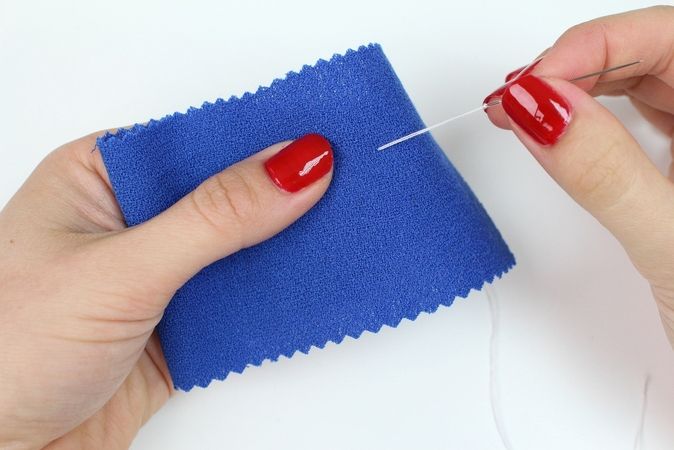
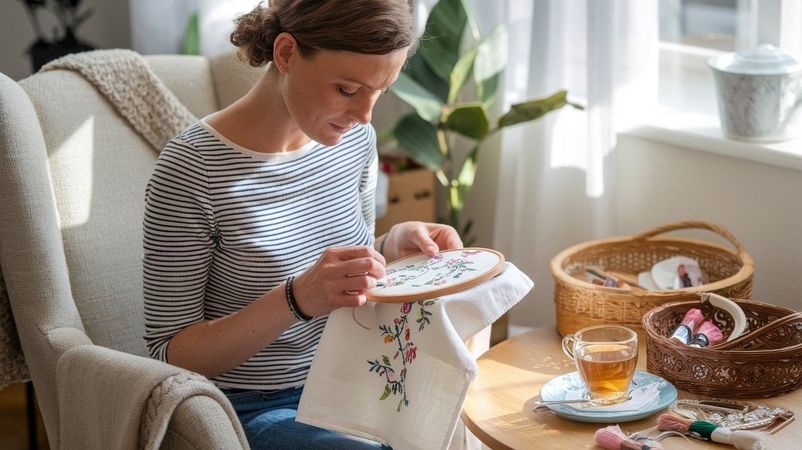
In many ancient societies, embroidery was considered as an important home skill. Women learned embroidery from childhood and created designs for clothing and household items for families. In other cultures, men embroidered too, usually ceremonially or religiously.
Meaning Behind the Patterns
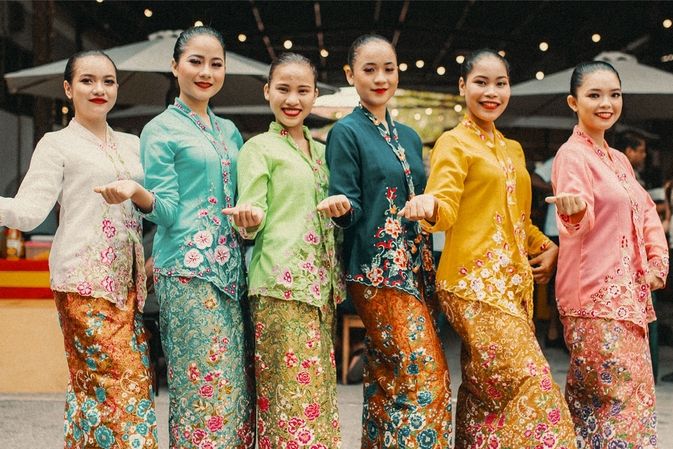
Forms, patterns and repetitions were used to display religion, culture and social identity through embroidery. To take an example, there were some designs relating to safety, wealth or admiration.
Techniques That Survived Time
The embroidery history shows that stitches such as chain stitch and satin stitch were invented in these early years. It shows that these techniques were useful and adaptable even in ancient limited tools.
Egypt
Egyptian embroidery was closely connected to fashion and tradition. Egyptians were thorough in taking care of the details regarding their traditions, and embroidery became a factor of great consideration. Wonderful garments were manufactured in linen, which was abundantly manufactured in Egypt, and embellished with colored threads.
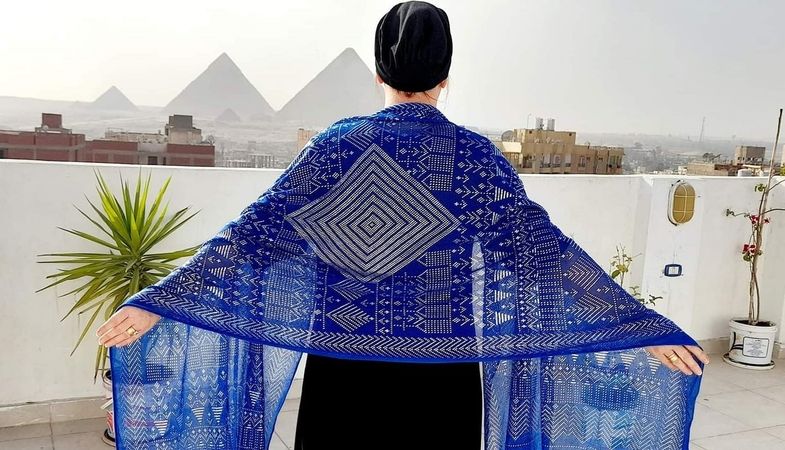
The embroidery was also found in religious events. Embroidery was used in some fabrics that were applied in temples and burial garments. Archaeologists unearthed delicately embroidered garments in the cemetery, showing that there was both a spiritual and a social connotation of embroidery in the Egyptian life.
China
China also contributed heavily to embroidery history. The oldest and most detailed embroidery samples are found in China. Chinese also practiced embroidery to make additions to clothing, wall decorations and ornate decorations.
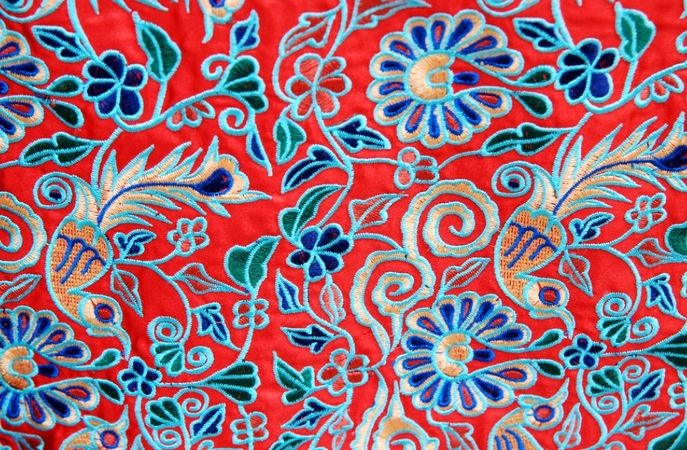
Silk embroidery is one of the most renowned Chinese embroideries. Since China was the source of the silk, embroidered silk costumes came to serve as a status symbol of classiness. Special designs of embroidery have evolved in China.
Europe and the Middle Ages
During the Middle Ages, embroidered cloths were used in the church, monasteries, and Royal families. The religious dresses had gold threads to decorate them, and the robes and banners used embroidery of saints and biblical narration.
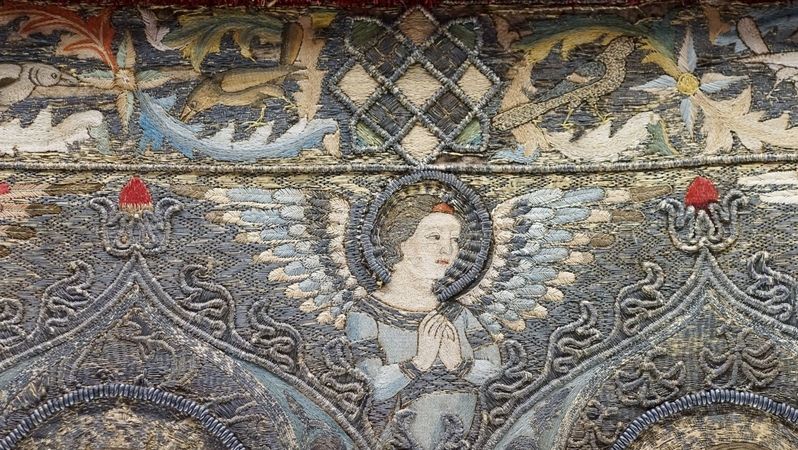
It is also seen that European women contributed much to the legacy of embroidery. Women in noble families also contributed to embroidery history by practicing and passing the craft across generations. In this era powerful embroidery techniques existed and further uprose.
The Renaissance and Beyond
Renaissance was a period when art, culture and creativity grew tremendously in Europe. It was also during this period when embroidery was more advanced using bright colors with new techniques and designs according to the artistic era. The embroidery stitches do not only act as mere adornments, but also act as meanings, style and identification.
1. Embroidery in the Renaissance Era
Embroidery was a significant attribute of a taste and the culture of the period of the Renaissance. In prosperous families, the embroidery was applied on clothing, curtains and furniture cover. This employed the use of silk, gold and silver threads, resulting in detailed colorful and lustrous designs [that were striking].
2. Embroidery as Part of Home Life
By this time, embroidery was not anymore restricted to churches and royal family. Affluent households adorned their cushions, tablecloths and hanged walls with embroidered designs.
- Cushions, walls and tablecloths were decorated with flowers, animals and symbolic designs.
- Each pattern contained meaning - roses symbolized love, vine plants symbolized power and unity.
- Embroidery became a treasure of the family and was passed down from generation to generation.
3. Growth of Embroidery in the 18th and 19th Centuries
In the 18th and 19th centuries, embroidery spread further. Pattern books are printed and people can now refer to existing designs. Hand embroidery was still respected, but machine embroidery appeared, and embroidered fabrics became more accessible.
4. The Industrial Revolution and Embroidery
The Industrial Revolution reshaped embroidery history. With the advent of the machine, embroidery design fabric can be produced in large quantities. Hand embroidery kept value with detailed finishes and personal touches, but mechanical embroidery allowed more people to enjoy embroidered clothes and daily necessities.
Embroidery in Modern Days
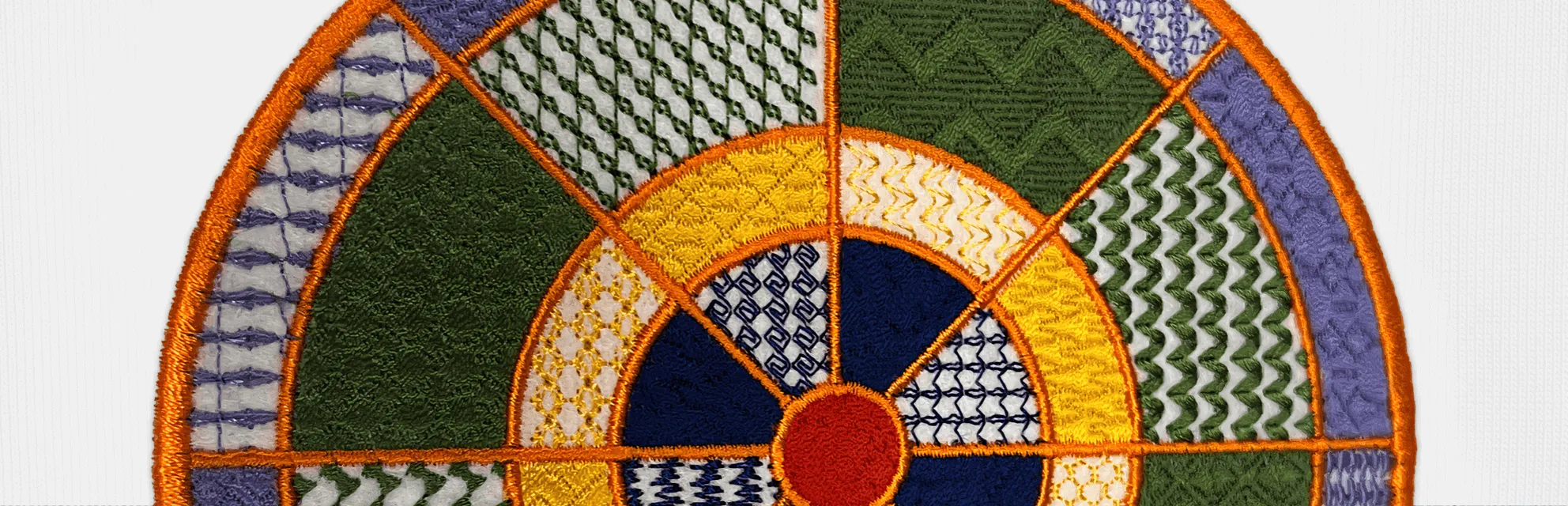
Nowadays, embroidery remains to be adored worldwide. It is being employed as a fashion, interior decoration and even a hobby. Contemporary machines are capable of designing embroidery very fast and accurately. Digital embroidery, which needs DST files, plays an important role in both personal creativity and commercial business.
Embroidery on Demand Business – PODpartner
On-demand embroidery services are an excellent choice for those who want to sell embroidery products. Without the need to purchase machines or store large quantities of stock, simply upload the design and the service will do the rest. One of the popular services in this field is PODpartner. PODpartner allows you to create embroidery designs for shirts, sweatshirts, hoodies, shorts, etc. When the customer orders, the product is embroidered and shipped directly to the customer.
Key Features of PODpartner
- Providing free customization for your customers, where they can add their own design on your branded clothes.
- Embroidery did not need much cloth and heavy equipment. The artisans commonly put materials readily available into use.
- The completed product was well constructed, disseminated swiftly and brought delight to recipients of the product.
- The makers could make any form of designs, whether basic stitching or complicated patterns.
- The high-quality material and the well-done job enabled the clothes to last long and retain their charm to be used in the future generation.
FAQs about the History of Embroidery
Where did embroidery first start?
The embroidery history goes back thousands of years, with roots in Egypt, China, and other regions. Each culture shaped its own techniques.
Was embroidery always used for decoration?
No, initially, embroidery was put to strengthen garments and cover used structures. Eventually it started to have a decorative and significant purpose, in demonstrating social standing, culture and tradition.
Is hand embroidery still popular today?
Yes, even nowadays machine embroidering is popular with hands. Many individuals take it as a hobby and practice it as a form of getting a unique handmade product which cannot be fully replaced by the machine.
Conclusion
The embroidery history is long and rich, beginning with simple stitches used to repair fabrics and later turning into detailed designs worn by kings, queens, and rulers. The PODpartner is one of the services supporting the idea that the idea of embroidery remains the core of creativity yet serves contemporary requirements. The history of embroidery shows us how a simple stitch became a lasting expression of human culture, identity, and art.
Further reading

No Order Minimums

No Membership Fees

No Unsold Stock

No Quality Concerns
Only Creativity, Satisfaction, and Profits!