
 USD

A Comprehensive Fabric Guide: Choosing the Right Fabric for Your Needs

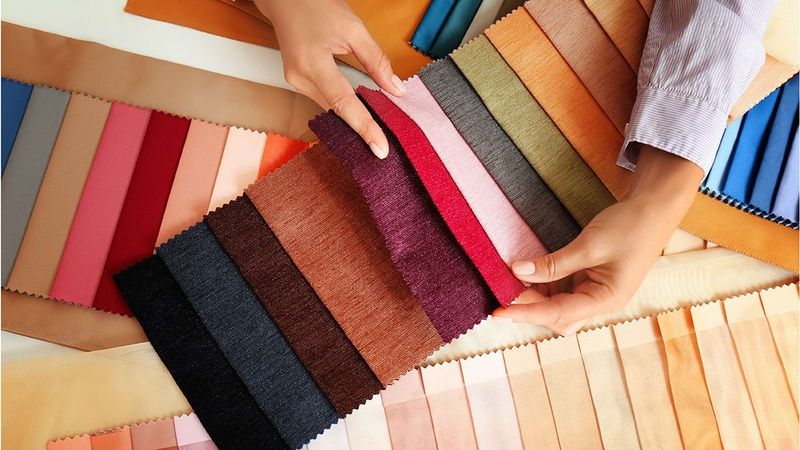
Cloth is the basic material of clothing and many other household items. Woven and knitted fibers can be natural, artificial, or synthetic. All fabric can be touched and observed, which helps us sort it further, as one example will not fit all. The choice of fabric is very important for comfort, especially when selecting the best option for household clothing or high quality T-shirts. While some materials are soft and cool, others are thick, warm, and durable.
Part 1: Natural Fibers – Ultimate Comfort
The materials that come from animals and plants are called natural fibers. They are soft, comfortable, and breathable, giving a cool and refreshing feel. Because they are so gentle, they can be worn daily and are often used in clothing, including high quality T-shirts. Common examples include cotton, hemp, silk, and wool. With proper care, these fibers last long and are easy to maintain.
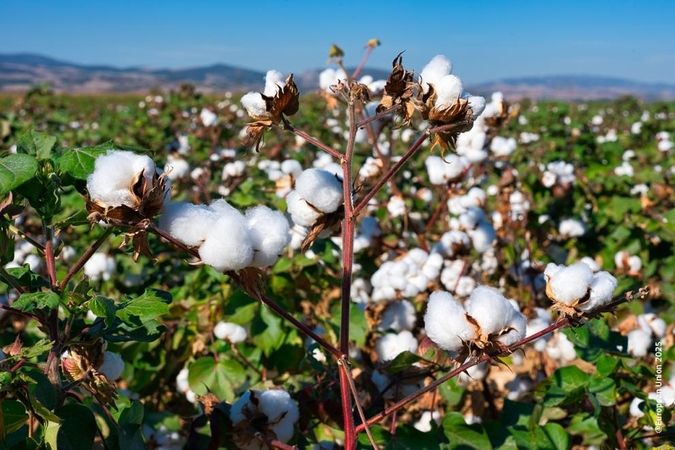
Cotton
When writing about popular fabrics with cotton, it appears in the first row. Cotton is soft and breathable with characteristics of high moisture absorption. While it is prone to abrasion, it has a soft surface that tends to wear well and can be comfortably used every day.
Care Tips: I recommend washing in cool or warm water and no very hot drying; you can Iron on medium heat.
Linen
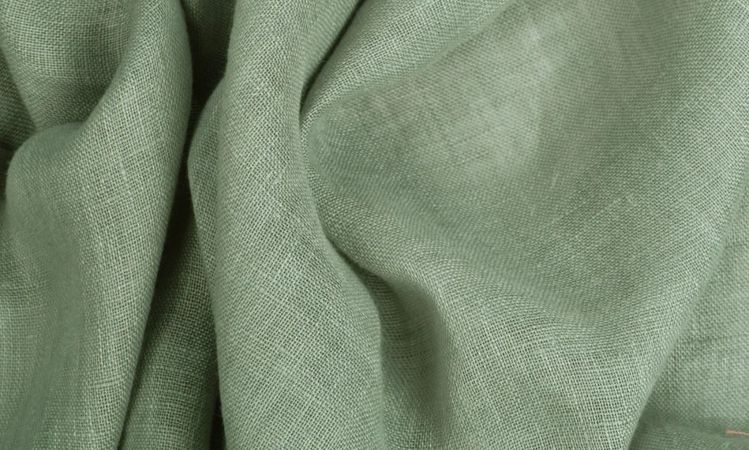
Linen is a first product from the family‘s flax plants. Breathable, lightweight and fast drying the perfect summer shirts, dresses and pants. It has an ever-so-slightly coarse texture which gets softer each time you wash it.
Care Tips: Cold wash, hang dry if you can and iron it damps.
Hemp
Hemp dough is made from hemp plant stems. Durable while still being breathable and softer over the year's hemp is naturally resistant to mound and UV. It is used in t-shirts and trousers as well as an eco-friendly alternative to your household goods.
Care Tips: Machine warm wash, tumble dry low, remove promptly.

Silk
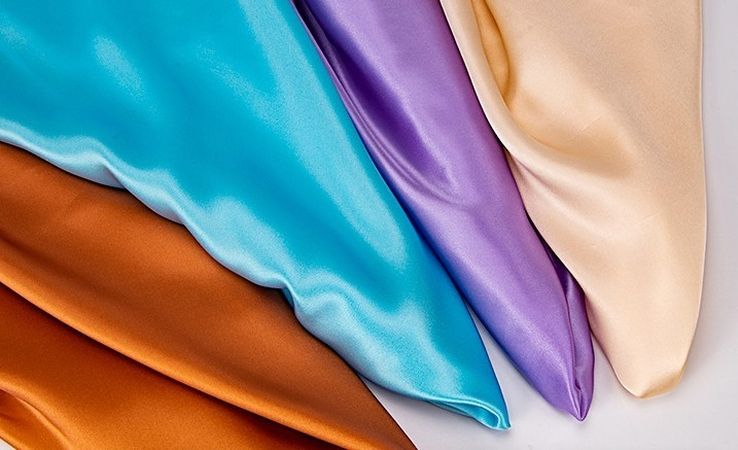
Silk is produced out of the cocoon of silkworm. Slick, silky, plush. Dress, scarf, tie, luxury bedding, etc. helps to keep cool in summer, warm in winter.
Care Tips: Wash or soak in cool water, do not tumble dry, do not dry in sunlight, cool iron.
Wool
Sheep fur is used for wool. This is because wool is warm and breathable as well as naturally wrinkle-resistant. Great for sweaters, jackets, and winter blankets. It is also moisture absorbent and quickly drying, thereby keeping the body dry.
Care Tips: Wash with cold water or dry cleaning. Avoid hot water. Please keep it folded.
Cashmere
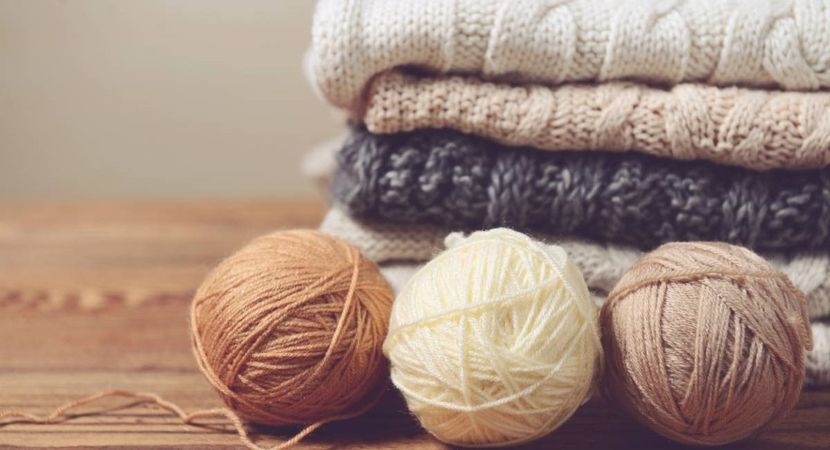
Cashmere refers to a goat fleece set of an animal known as Cashmere goat. Its softer and lighter than your regular wool and is very insulating as a material. Sweater, Shawls and Mufflers are made of Cashmere.
Care Tips: Hand wash in cold water with mild soap, dry flat, and store folded in a cool, dry place.
Part 2: Man Made Fibers – Blending Technology and Nature
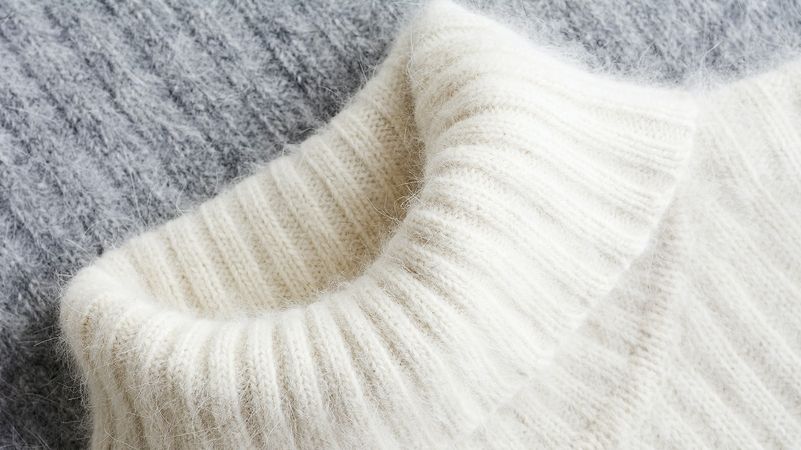
Artificial fibers come from natural products like wood pulp and plant fiber, but they are treated chemically to change their structure. This process gives the material special qualities such as high strength, softness, elasticity, or shine. These fibers can be made to suit specific needs and are widely used in clothing, home textiles, and other products. They are also blended with other fabrics to create high quality T-shirts that are durable, comfortable, and better performing than some natural fibers.
Viscose or Rayon
Rayon or viscose is a wooden pulp product. It is as smooth as silk but as breathable as cotton is. It is applied on dresses, blouses and lightweight trouser.
Care Tips: Machine wash on a cool water setting, Do Not Twist, Do Not Pleat and Dry Flat.
Modal
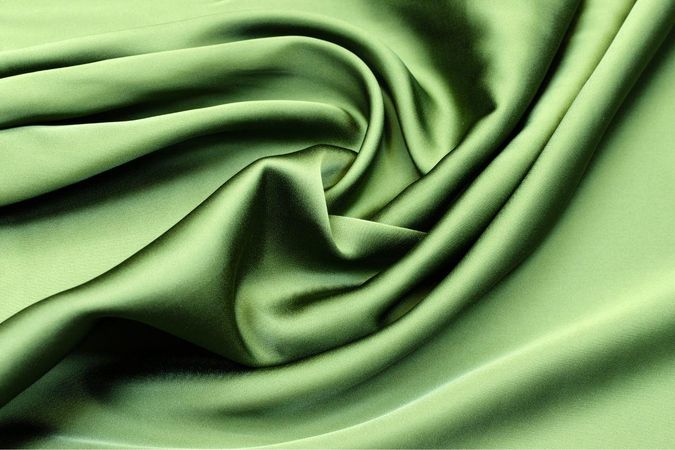
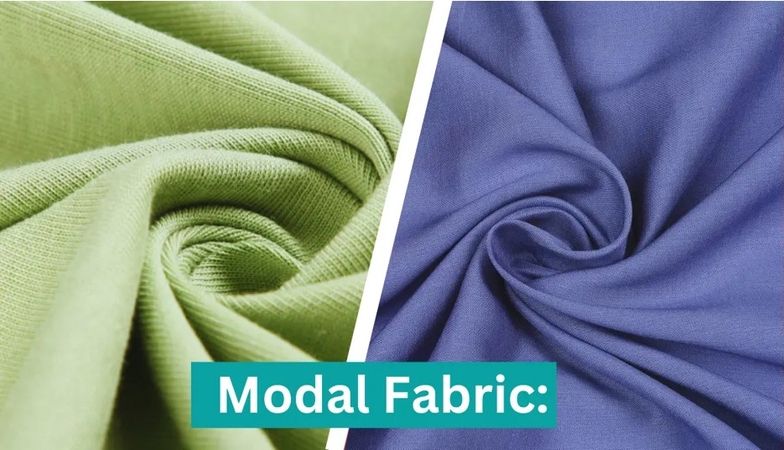
Beech tree pulp is what constitutes modal. It is airy, free to breathe, and comfortable. Modal retains colors and it is not easy to shrink. It appears, particularly, in T-shirts, undies, and sports clothing.
Care Tips: To be washed on hand with warm or cold water and tumble dried on a low heat.
Lyocell or Tencel
Tencel which is branded as Lyocell is produced from sustainable wood pulp. It is soft, comfortable & strong. Also, it resists wrinkles and moisture absorption. Shirts, dresses and bed sheets are a few of the common uses for cotton fabric.
Care Tips: Wash in cool water. No harsh detergents. Iron on low heat.
Part 3: Synthetic Fibers – The Power of Performance
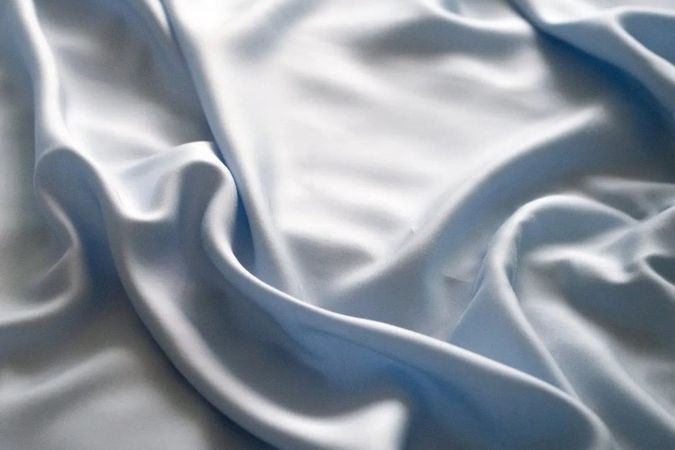
Artificial fibers are man-made materials created from chemicals, often made using petroleum. They are not natural fabrics like cotton or wool. Because they are strong and durable, these fibers have become popular. They are comfortable to wear and suitable for daily use. Many clothes, sportswear, and furniture materials are made from synthetic fibers because they last long, are easy to wash, and keep their shape. They are also used in making high quality T-shirts that stay looking good for a long time.
Polyester
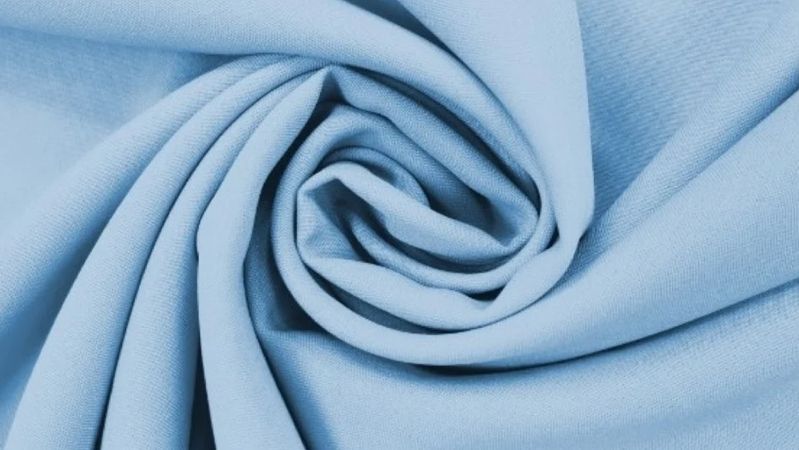
Polyester is tough, lightweight, resistant to shrinking and wrinkles and dries fast. It is commonly mixed with other fibers and used as sportswear, jackets, day clothes, etc.
Care Tips: Warm water wash, low tumble dry and no high heats of ironing.
Nylon
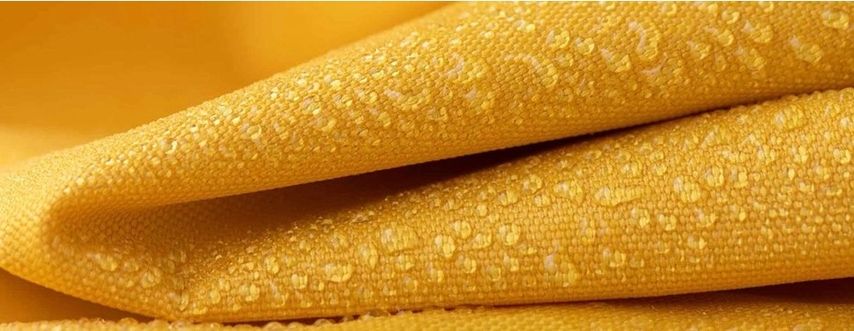
Nylon is highly tough and elastic. They are applied to sportswear, stockings, jackets, activewear etc. They are wearing and dry resistant.
Care Tips: Wash using cool water, do not put in high heat and dry it naturally.
Spandex or Lycra
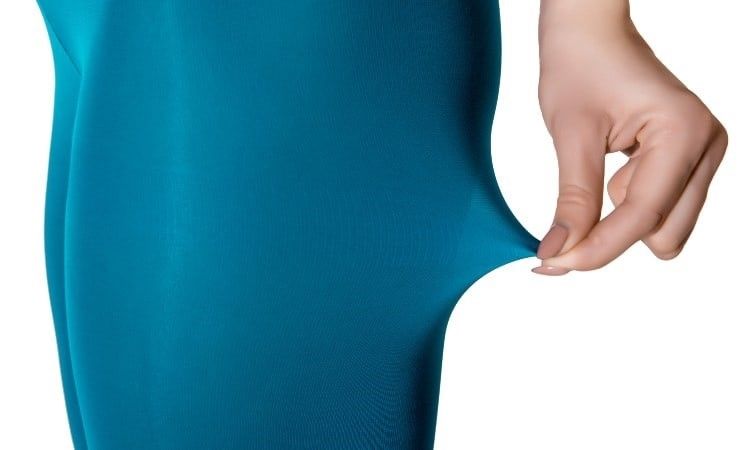
Spandex (or Rikla) is of an elastic nature. It is applied in sport wears, leggers, swim wear, fit clothes, etc. It will help hold the shape of the clothes and provide ease of movement.
Care Tips: Wash in cool water, avoid bleach, and air dry.
Part 4: Blended Fabrics – The Best of Both Worlds
Blended fabric is made by combining naturally grown materials (cotton, wool, etc.) with man-made materials (polyester, nylon, etc.). This mix highlights the best qualities of both. The natural fiber makes the fabric breathable, soft, and comfortable to touch, while the synthetic fiber adds strength, elasticity, and durability. Because of their good look, feel, and long life, blended materials are often used to make high quality T-shirts and many other types of garments.
Polycotton
Polycotton is a mix of polyester and cotton. It is strong, less likely to wrinkle, and still comfortable. It is used for shirts, uniforms, and bed sheets.
Care Tips: Wash in warm water, tumble dry on low, and iron on medium heat.
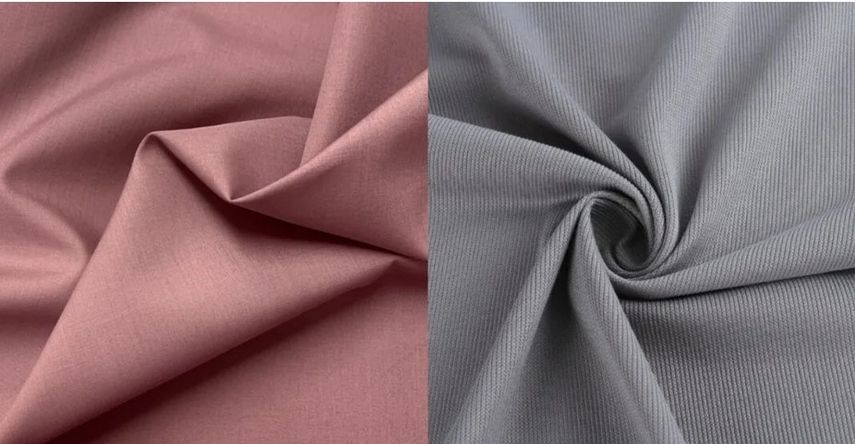
Wool Blend
Wool blends incorporate an addition of polyester, nylon or acrylic to the wool to make it lighter, less-itchy and generally convenient to maintain. These are done in suits, coats and sweaters.
Care Tips: Wash as indicated on the label and some blends are machine washable whereas others require dry cleaning.
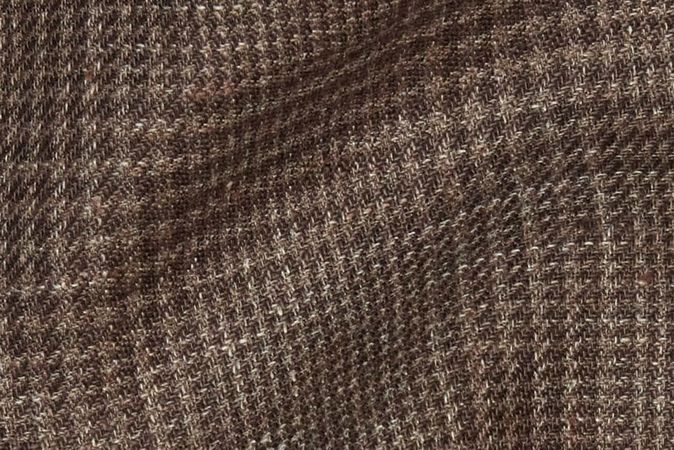
Bonus: How to Customize a T-Shirt in Full Cotton Fabric
A 100% cotton T-shirt just feels comfy, enables breathing and is awesome for casual wear. You can also make it personalized by your own design, logo or text. In this case, T-shirt becomes individualized and fits your style whether you are looking for personal or something for gift, even business promoting.
Recommended PODpartner
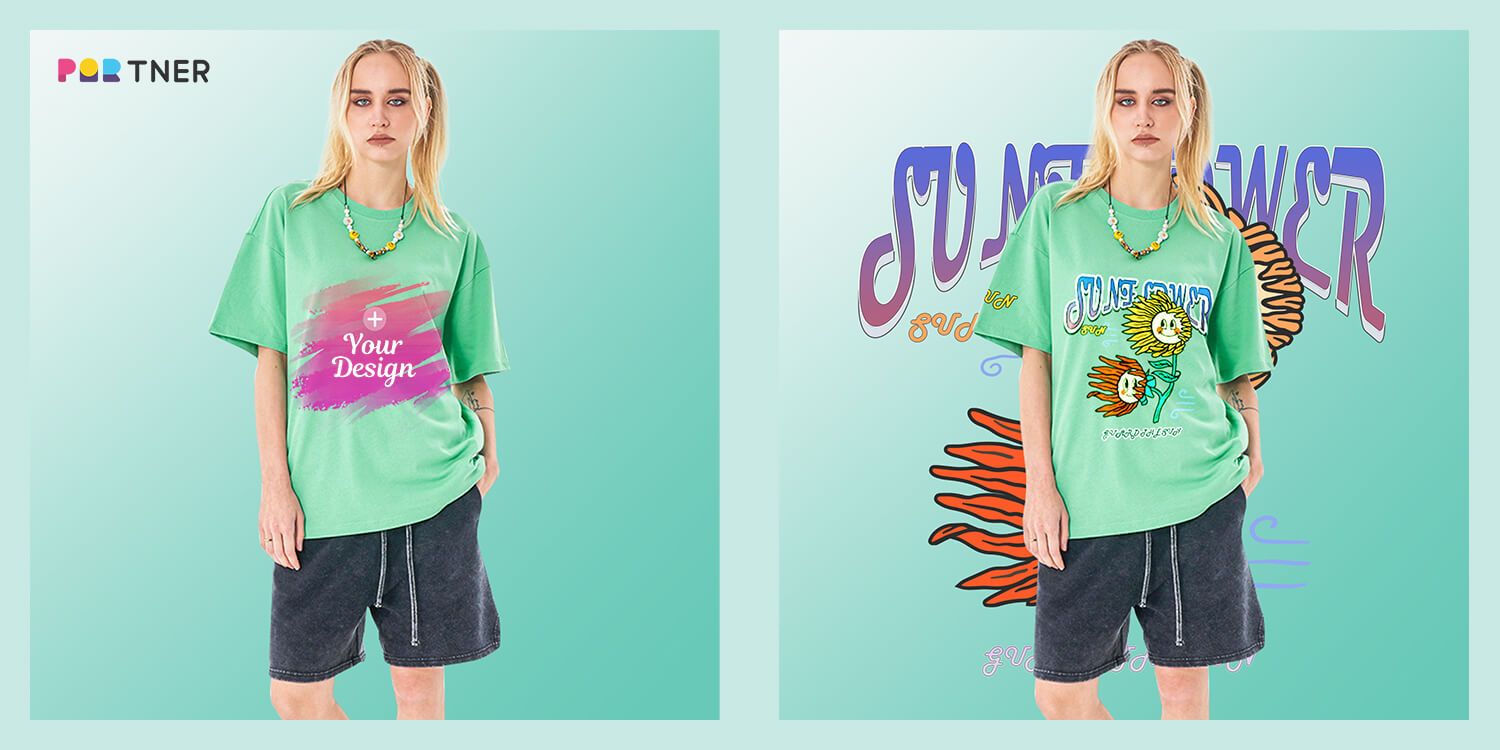
PODpartner makes it easy to design your own cotton T-shirt. There are many sizes, colors, and styles to choose from, so you can create designs that match your needs. The process is simple and quick, as you can add your design, logo, and text directly on the site. Whether for personal use, special events, or brand promotions, PODpartner provides tools to create high quality T-shirts that look great, feel comfortable, and meet your style preferences.
PODpartner’s Feature
- Free customization feature: give your customers places to add their story in your branded design.
- Outstanding custom embroidery techniques.
- Options in 100 percent cotton to be comfortable and long lasting.
- Simple online design program to add or create artwork.
- Top DTG printing techniques used in durable results.
- Fast shipping and ordering.
FAQs about Fabric
Q: What is the best fabric for shirts?
The most popular in terms of the type of shirt material is cotton due to the breathable and soft texture. Another good alternative when durability is to be in focus is polycotton mixes.
Q: Which fabric is best for hot weather?
Linen and cotton are ideal to wear during the hot season as they are breathable and capable of absorbing moisture.
Q: Which fabric is best for winter wear?
Wool, cashmere, fleece, and down are the best fabrics for winter, as they provide warmth while staying breathable.
Q: Are synthetic fabrics bad for the skin?
All the synthetic fibers are harmless, whereas the natural fibers are breathable and compatible with sensitive skin.
Conclusion
The selection of the proper fabric is important for comfort, style, and durability of garments. Cotton and wool are natural, breathable, and soft fibers. Artificial materials like viscose and modal are smooth, while synthetic ones like polyester and spandex are strong and elastic. Blended fabrics combine these advantages. By understanding each material’s qualities and caring for them properly, you can keep clothes in good condition. For custom high quality T-shirts, PODpartner offers a simple and reliable way to get what you need.