
 USD
USD
Hoodie Fabric Showdown: French Terry vs. Brushed Fleece

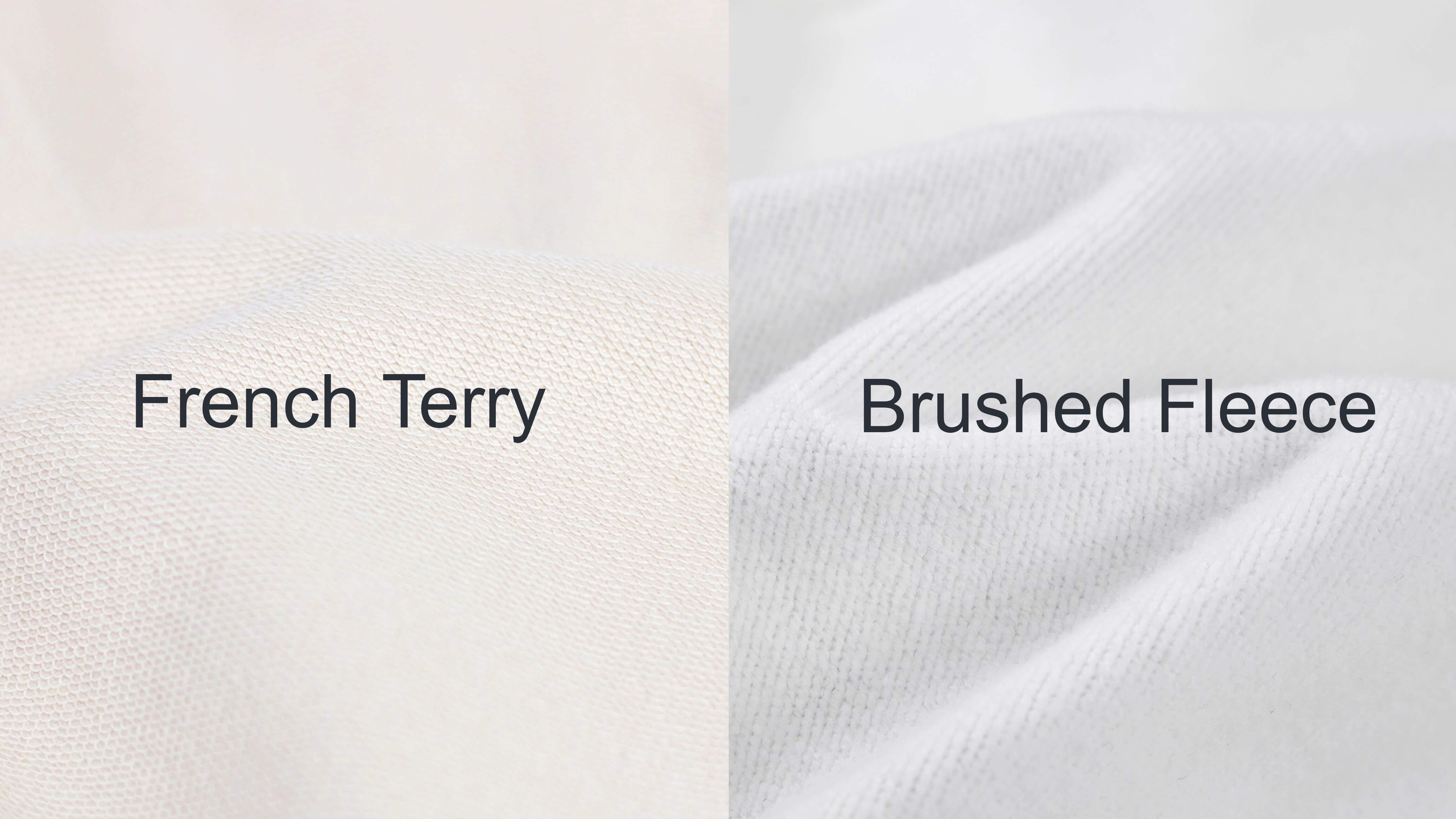
When launching a clothing brand, selecting the right hoodie fabric is a critical step in product development. While the exterior appearance often attracts a customer’s initial interest, the interior texture plays a significant role in their long-term satisfaction. For many e-commerce brands, the tactile experience of the fabric's lining is a key factor that influences whether a buyer perceives the product as high-quality or decides to initiate a return.
In the clothing industry, we mainly talk about two types of fabric: French Terry and Brushed Fleece. Each one feels different and looks different on the body. This guide explains the facts so you can choose the right one for your store.
French Terry: The Architectural "Bones"
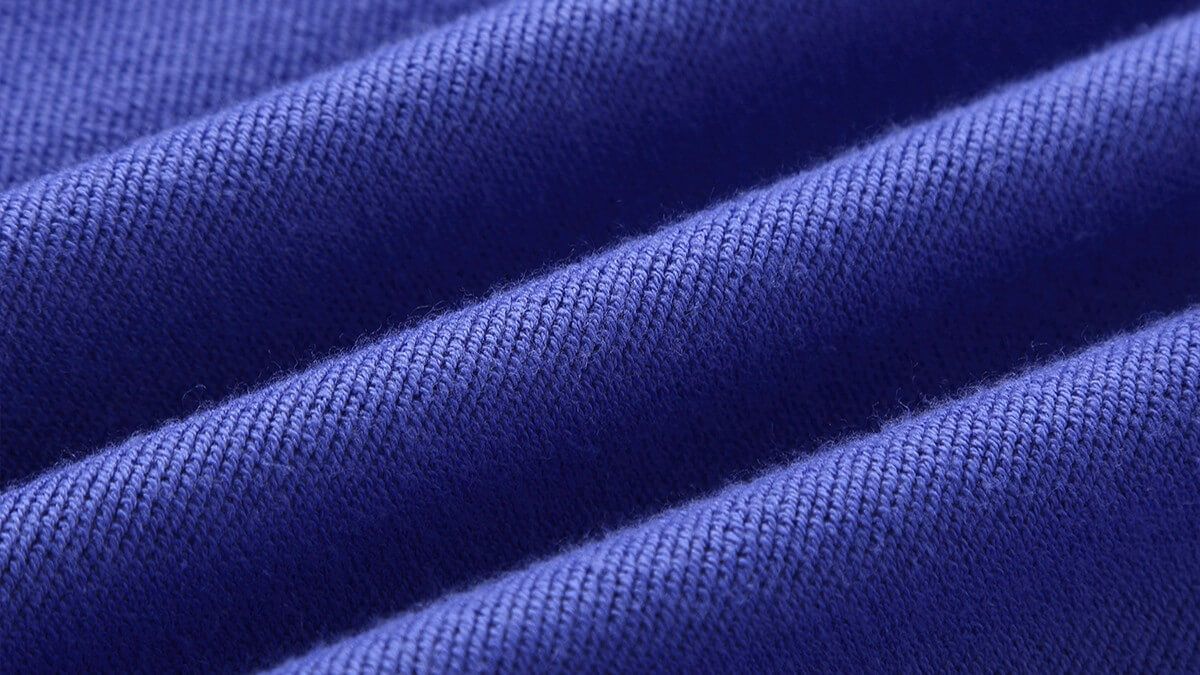
French Terry is a knit fabric. If you look at the back of the cloth, you will see many tiny loops of thread. These loops look like fish scales.
How it Feels and Looks
The Inside: The loops create a textured, dry surface with light resistance, often described as a “dry hand.”
The Outside: The front of the fabric is very flat and smooth. It provides a clean visual backdrop that enhances the clarity of prints or embroidery.
The Fit: This fabric typically offers greater rigidity for superior shape retention, helping a hoodie maintain its structure. If you want a "boxy" look where the shoulders stay wide, use French Terry.
Why Customers Like It
French Terry is great for "active" people. The loops create a small gap between the fabric and your skin. This allows air to move through the shirt. This structure helps pull moisture away from the body. This makes it suitable for transitional seasons and light physical activity.
Brushed Fleece: The Soft-Focus "Skin"
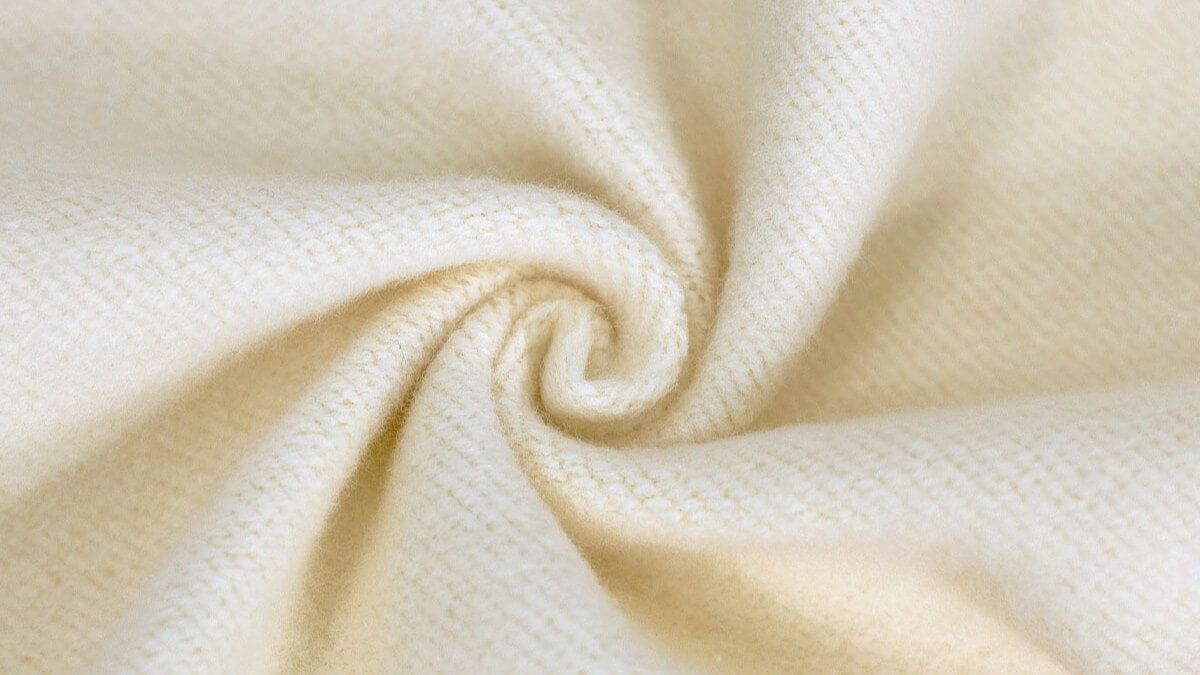
Most fleece fabrics begin as a specialized knit construction featuring floating yarns on the back. A mechanical process called "napping" or "brushing" then takes place. During this step, rotating cylinders with fine metal wires graze the fabric surface. Instead of cutting the yarn, these wires gently lift the individual fibers from the back-loops to create a soft, fuzzy nap.
How it Feels and Looks
The Inside: It feels extremely soft, similar to high-quality fleece blankets used in home textiles. This is often called "buttery soft."
The Outside: The fabric looks thicker and bigger. It has more "loft," which means it takes up more space.
The Fit: The brushing process increases fabric drape. It lacks the "stiffness" of Terry, meaning it follows the natural contours of the wearer's body. This creates a "relaxed" or "cozy" look.
Why Customers Like It
The appeal of Brushed Fleece lies in its tactile reward. Market data suggests that consumers increasingly prioritize "sensory comfort" and materials that provide a sense of well-being. The plush interior offers a cozy, protective feeling that is highly valued in comfort-focused apparel lines.
The Impact of Washing Over Time
A brand’s value is defined by the post-purchase experience. While any hoodie can look refined upon arrival, the true test of quality is its appearance after six months of regular use. Understanding the natural "evolution" of French Terry and Brushed Fleece allows brand owners to communicate more transparently with their audience about fabric longevity.
1. Brushed Fleece Gets a "Vintage" Look
Over time, the interior of a brushed fleece garment will undergo a natural transformation. Because the brushing process mechanically lifts individual fibers to create that signature soft nap, the fabric surface has a higher concentration of exposed fiber ends. During regular wear and laundering, these loose fibers experience friction, which causes them to gradually mat or "clump" together.
This transition from a "velvet-smooth" texture to a "pebbled" or "granular" surface is a physical result of the fabric's construction rather than a product defect. For brands targeting a vintage or "thrifted" aesthetic, this evolution is a strategic advantage. This specific texture provides "Vintage Wash" hoodies with their authentic, lived-in character. By educating customers on this natural progression, brands can frame the fabric’s aging process as a unique feature of heritage-style apparel.
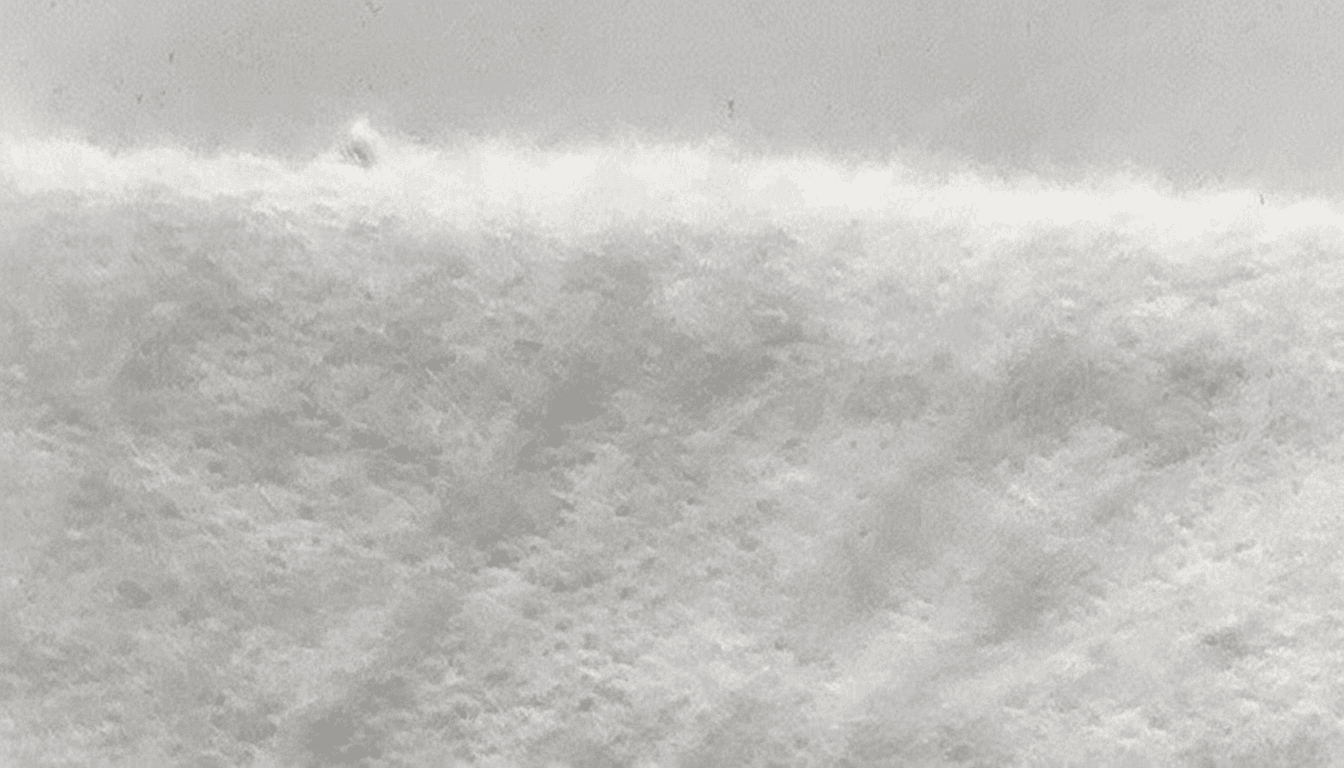
PODpartner utilizes combed long-staple cotton for our brushed fleece collections. Because long-staple fibers are more uniform and extend deeper into the yarn core, fewer fiber ends are exposed on the surface. This structural advantage not only results in a notably smoother, silkier hand-feel against the skin but also ensures the fabric maintains its integrity longer. Our fleece experiences significantly less clumping compared to industry-standard carded short-staple fibers.
2. French Terry Stays the Same
French Terry behaves differently. The loop structure remains stable during washing. Loops may flatten slightly, but they rarely break. Even after extensive washing cycles, the loop structure remains largely intact.
The hoodie continues to look “new” for longer. For minimalist and premium brands, this stability reinforces perceptions of quality control and reliability.
PODpartner utilizes heavyweight French Terry at weights up to 440 GSM, far exceeding the market standard of 200-300 GSM. This higher weight translates to increased stitch density, meaning more yarns are packed into every square inch to ensure a substantial "hand feel" and a rich, fluid drape. This tightly knit construction provides the structural integrity needed to resist stretching and sagging, transforming the garment into a durable, long-term investment that maintains its intended silhouette wash after wash.
Strategic Fabric Selection
The choice between French Terry and Brushed Fleece should not be treated as a simple either-or decision. For most growing brands, fabric selection works best as a portfolio strategy rather than a single permanent choice. Different customer groups, usage scenarios, and seasons often require different material solutions. Relying on only one fabric may limit product flexibility and market coverage.
A brand may release French Terry versions of their core hoodies during the Spring and Summer seasons to highlight breathability. In the Fall and Winter cycles, they may switch to Brushed Fleece to offer a sense of plushness and volume that aligns with cooler weather.
Brands often use both fabrics to distinguish their product categories: a Core Streetwear Line may utilize high-GSM French Terry to provide a crisp, structured look that maintains its shape over time, while a Lounge or Wellness Line might feature Brushed Fleece to prioritize a soft, cloud-like sensation for customers seeking maximum comfort during travel or home use.
If your brand emphasizes silhouette consistency and long-term visual stability, French Terry should be your primary fabric. If your main selling point is tactile comfort and emotional appeal, brushed fleece becomes more suitable.
Comparison Summary
| Feature | French Terry | Brushed Fleece |
|---|---|---|
| Primary Style | Streetwear, Sharp Lines, Minimalist | Loungewear, Relaxed Fit, Heritage |
| Tactile Experience | Dry, Breathable, Crisp | Soft, Plush, Cloud-like |
| Interior Visual | Organized Loops | Fuzzy Nap |
| Shape Retention | High (Maintains silhouette) | Moderate (Fluid drape) |
Conclusion
Ultimately, the choice between French Terry and Brushed Fleece is a strategic decision based on product utility. French Terry provides a refined, structured, and crisp experience, while Brushed Fleece offers a soft, fluid, and comfortable embrace.
For brand owners, the most effective strategy is often to offer both options. This allows you to cater to the customer who wants a structured, durable "statement piece" as well as the customer seeking a soft, relaxed "lifestyle essential." By understanding these technical differences, you can build a more diverse and resilient product collection.
Further reading

No Order Minimums

No Membership Fees

No Unsold Stock

No Quality Concerns
Only Creativity, Satisfaction, and Profits!