
 USD
USD
Gen Z Fashion: Navigating the Multi-Aesthetic Landscape

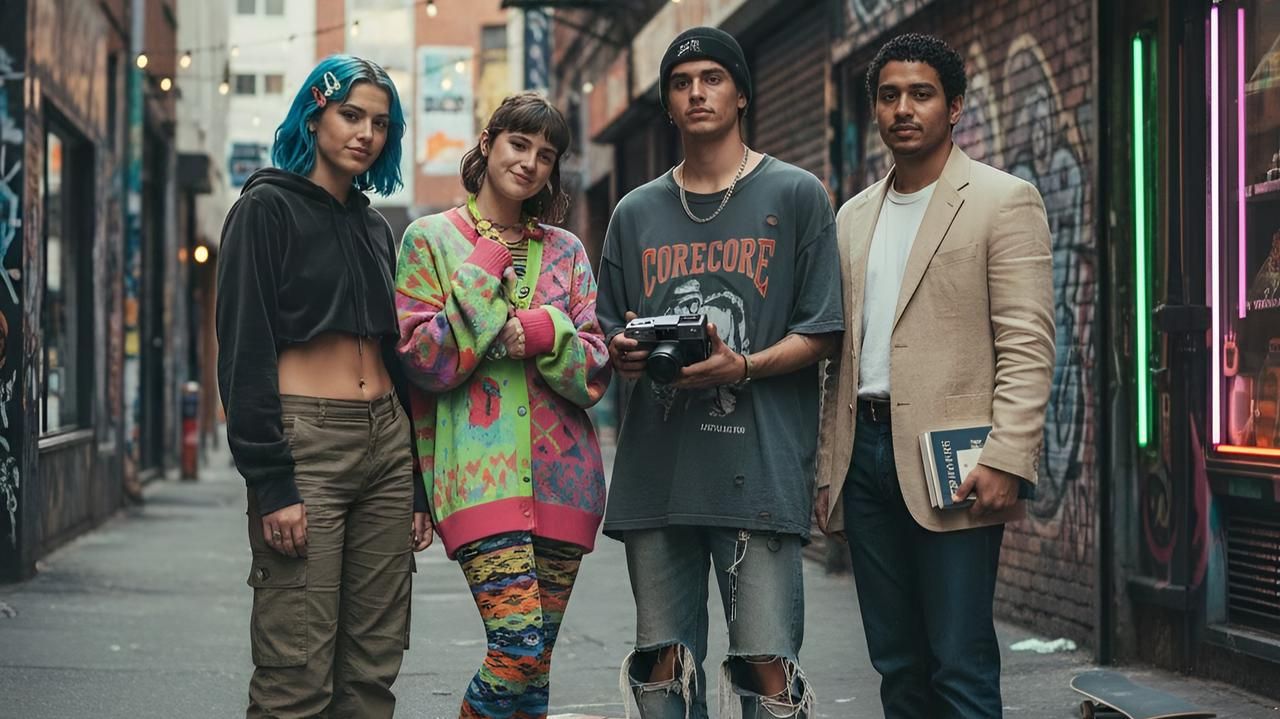
The fashion world is currently undergoing a massive "vibe shift." For decades, we followed a top-down ruleset: luxury houses decided what was "in," and the rest of us followed suit. But Gen Z just flipped the script.
Today, fashion isn’t about committing to one signature look for life. It’s a flexible, mood-based language. One day it’s vintage prep; the next, it’s digital chaos. For brands, survival in 2026 isn't about chasing a single trend—it's about learning to speak a dozen different visual languages at once.
Exploring Key Aesthetics Trends in Gen Z Fashion
To understand where fashion is headed, we have to look at the "cores" and subcultures currently dominating our feeds.
Y2K
The Y2K aesthetic is one of the most recognizable Gen Z fashion revivals, pulling directly from the late 1990s and early 2000s—a period defined by early internet culture, pop stardom, and optimistic futurism. Visually, Y2K favors low-rise silhouettes, glossy fabrics, playful accessories, and overt references to early pop culture—baby tees, velour tracksuits, butterfly clips, and chunky sneakers.
Brands with genuine roots in the era, such as Hollister, have successfully reactivated Y2K cues. Rather than ironic reinterpretation, these collections lean into emotional familiarity, tapping into nostalgia that feels “borrowed but personal” to Gen Z consumers.
Dopamine Dressing
More than color, Dopamine Dressing is a psychological aesthetic: bright hues, bold prints, and playful layering intended to spark joy and positivity. Originating from the idea that clothing affects mood, this trend gained traction as Gen Z navigated pandemic-era stress, using fashion as emotional expression.
In 2025, bold, vibrant pieces became social media staples, with neon accents and statement accessories featured heavily in street style and influencer content. Harvard-educated trend analysts suggest that color psychology plays a central role in how this aesthetic appeals to Gen Z’s desire for both visibility and self-reinvention.
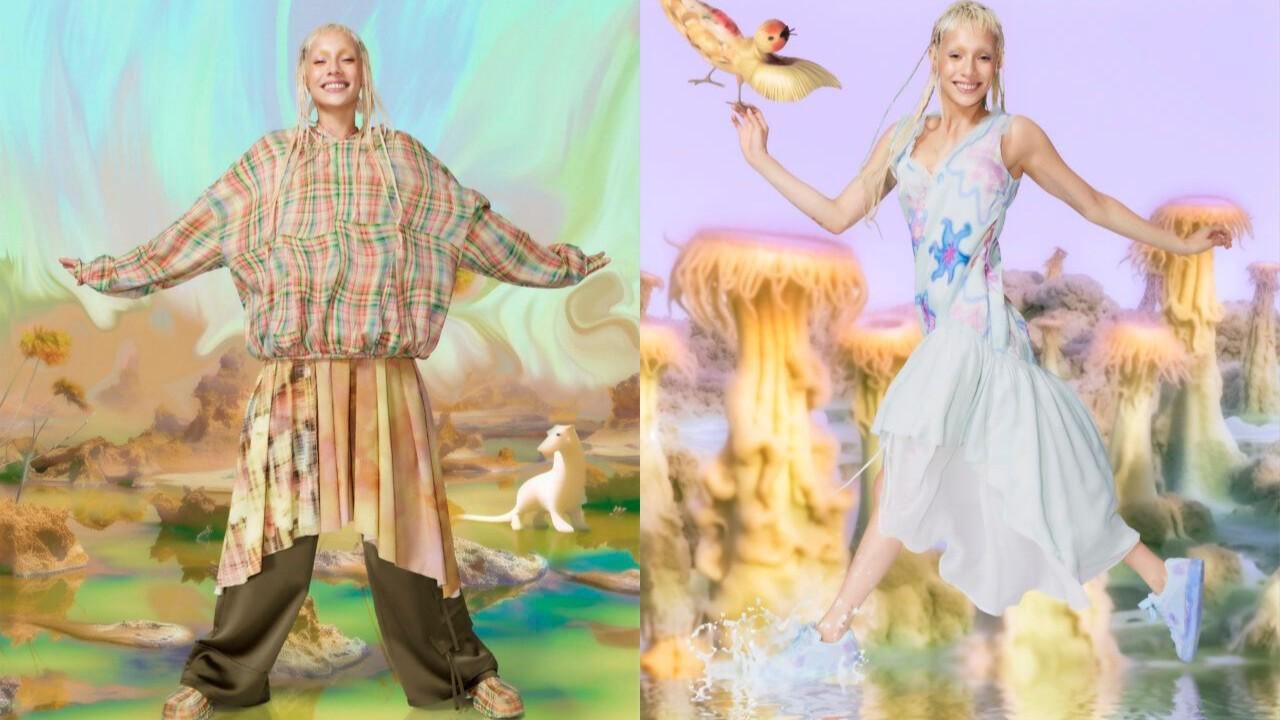
Brand Case: Collina Strada uses playful prints and unexpected palettes to merge optimism with sustainability, resonating strongly with Gen Z’s desire for emotional expression without irony.
Corecore
Corecore originated from Gen Z’s video-editing and meme culture rather than traditional fashion spaces. Visually, it embraces glitchy edits, fragmented imagery, and intentionally mundane references.
Rather than serving aspiration, Corecore operates as commentary. It reflects fatigue with hyper-curated aesthetics and algorithm-driven trends, using awkwardness and repetition to reject conventional ideas of beauty and desirability.
Brand Signal: Balenciaga’s distressed sneakers and deliberately “ugly” silhouettes echo Corecore’s logic, challenging value and taste rather than offering polished appeal.
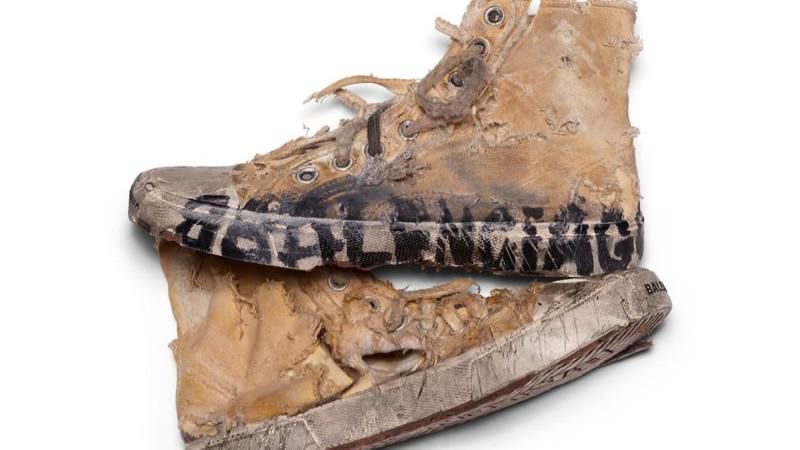
Source: Balenciaga
Normcore
Normcore reframes everyday clothing—plain tees, straight-leg jeans, neutral sneakers—as a conscious style choice rather than a lack of taste.
What once read as “boring” is now interpreted as confident restraint, aligning with Gen Z’s skepticism toward over-branding and fashion excess.
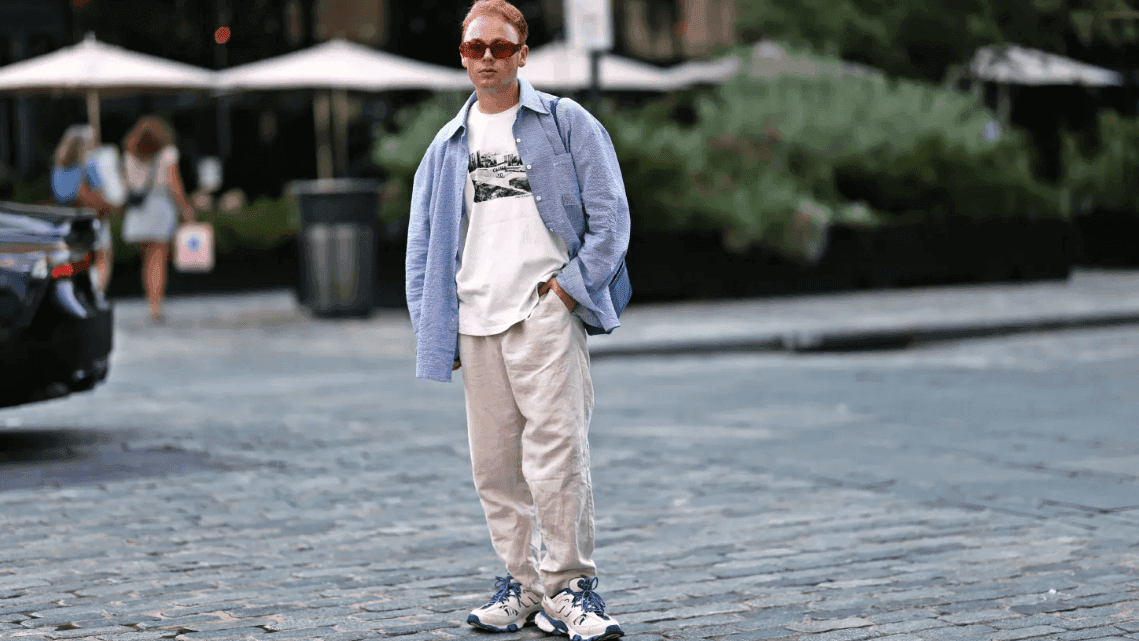
Brand Case: New Balance’s shift from “dad shoe” to cultural staple illustrates Normcore’s appeal. By emphasizing function, comfort, and heritage, the brand gained relevance without abandoning its identity.
Dark Academia
Melding preppy, literary visuals with moody tones, Dark Academia evokes a romanticized intellectual aesthetic: tweed blazers, turtlenecks, pleated skirts, and vintage leather accessories. Its roots in online communities, literature, and art history reflect Gen Z’s affinity for narrative-rich fashion worlds.
This aesthetic also dovetails with adjacent niches like Old Money, where muted palettes and classic tailoring suggest timeless refinement over fleeting trends.
Industry Influence: Brands like Ralph Lauren and Brooks Brothers have seen renewed interest from younger demographics by leaning into "heritage" storytelling.
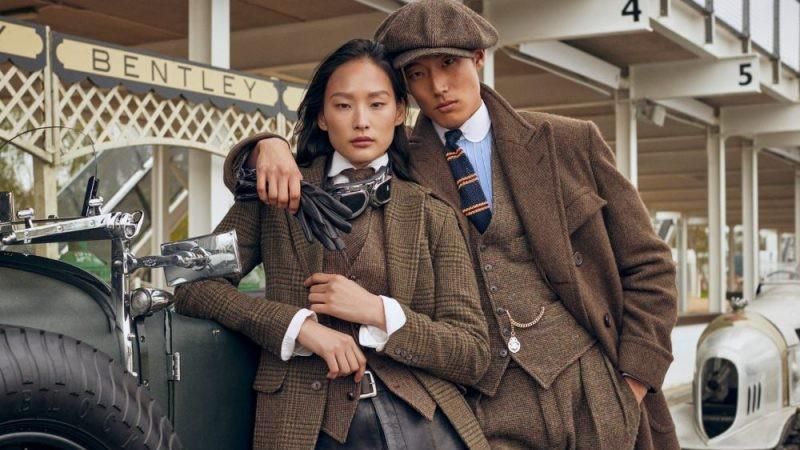
Source: Ralph Lauren
Indie Sleaze
Flash photography. Dimly lit venues. Sweat, blur, and imperfect outfits caught mid-movement. Indie Sleaze revives the chaotic energy of late-2000s youth culture, when style was documented rather than curated.
As an aesthetic, Indie Sleaze pushes back against today’s polished influencer visuals. It celebrates disorder, irony, and deliberate messiness—mixing thrifted pieces, low-rise denim, band tees, and distressed textures into looks that feel spontaneous rather than styled. The appeal lies in its refusal to look intentional.
For Gen Z, Indie Sleaze functions as a form of rebellion—not against fashion itself, but against constant optimization and aesthetic performance. Chaos becomes cultural currency.
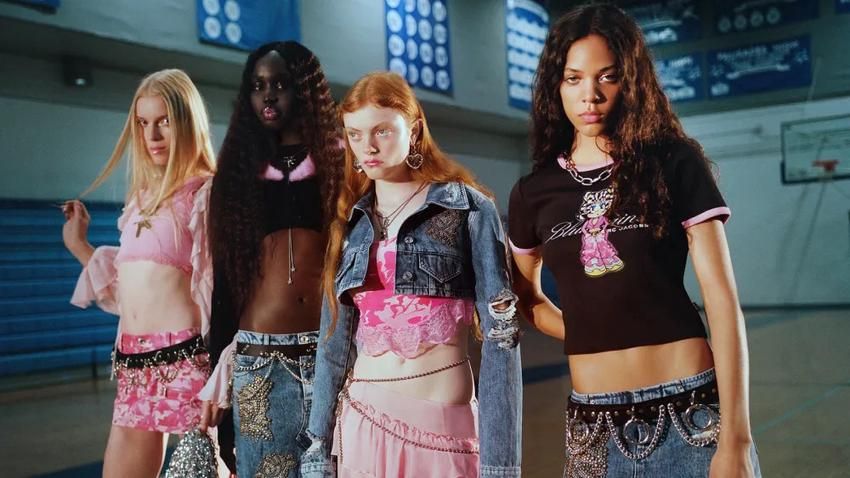
Brand Case: Diesel’s recent runway shows and Heaven by Marc Jacobs have leaned fully into Indie Sleaze energy, using raw casting, distressed materials, and unapologetically imperfect styling to position chaos as relevance rather than risk.
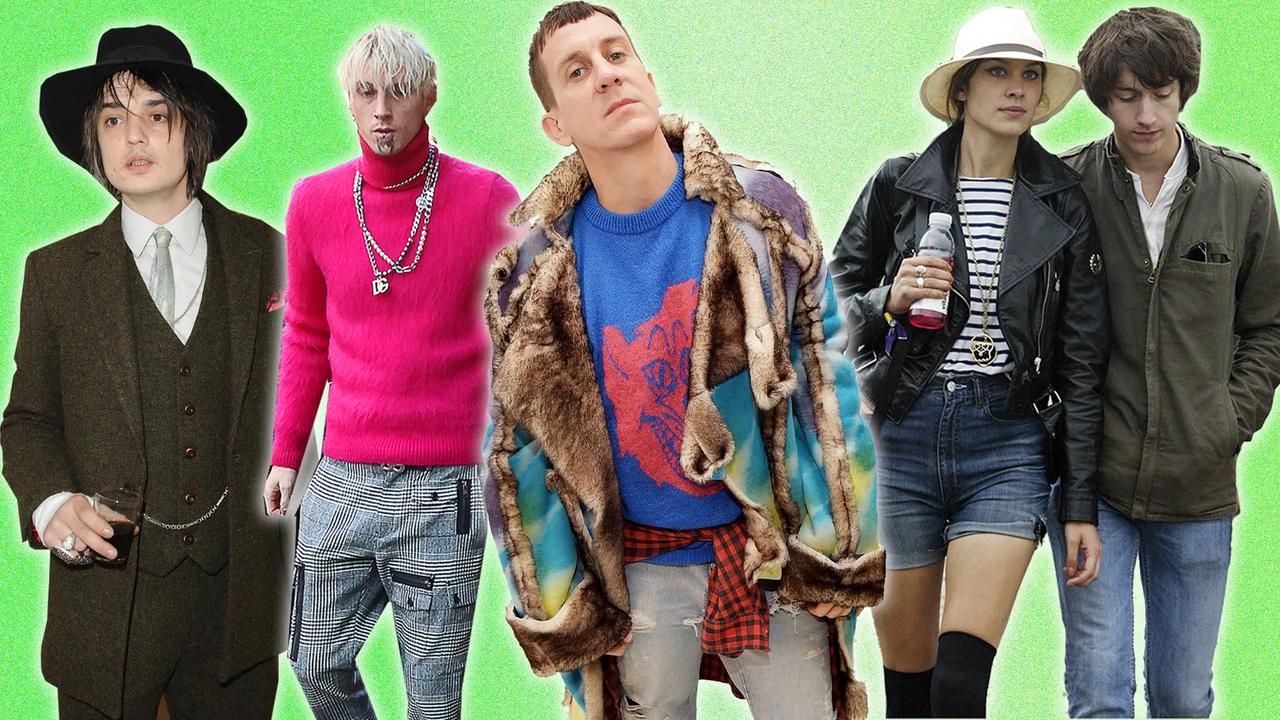
Source: GQ Magazine
Grandmillennial
In contrast to fast-moving micro-trends, the Grandmillennial aesthetic offers something slower and emotionally grounding. Coined in 2019, it emerged as a reaction against sterile minimalism and digital coldness, favoring familiarity, comfort, and visual warmth.
The aesthetic draws from florals, crochet, cardigans, gingham patterns, and layered textures commonly associated with earlier generations. Rather than feeling dated, these elements are reinterpreted through modern styling, creating a look that feels nostalgic yet intentional.
For Gen Z, Grandmillennial is less about age and more about emotional reassurance. It challenges the assumption that youth culture must always look new, instead embracing continuity, memory, and inherited taste.
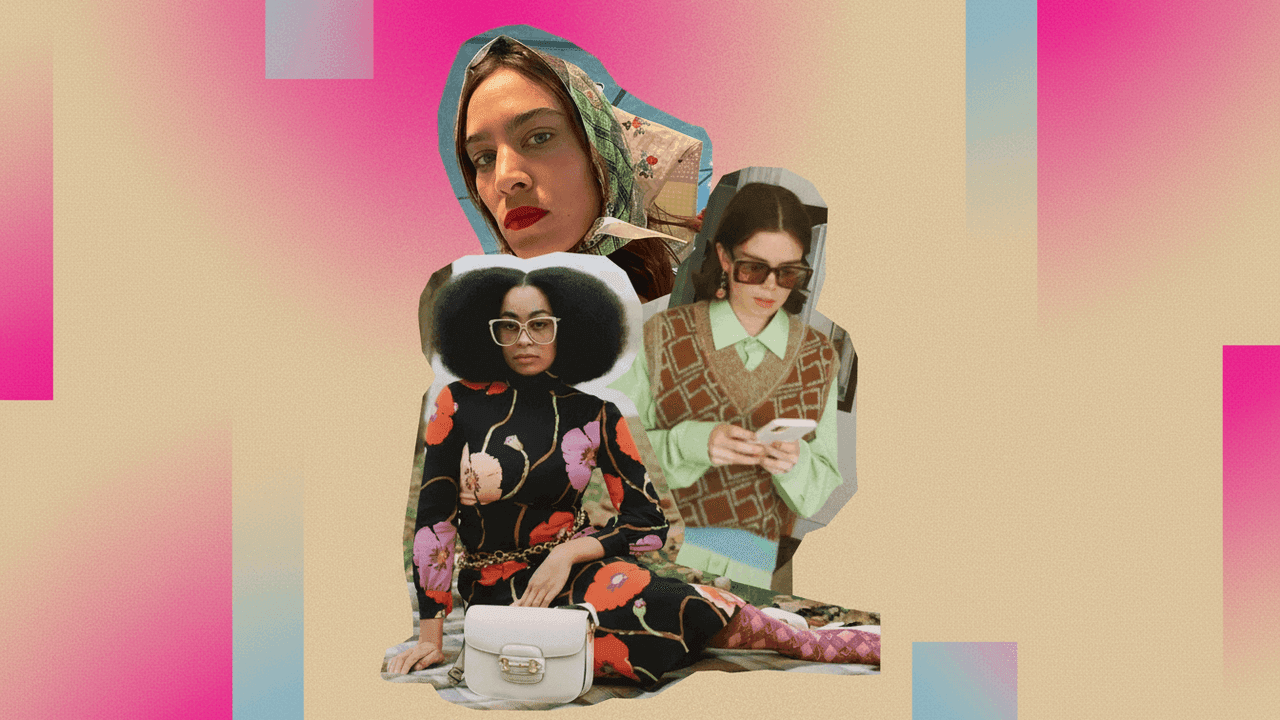
Source: Refinery29
Old Money Aesthetic
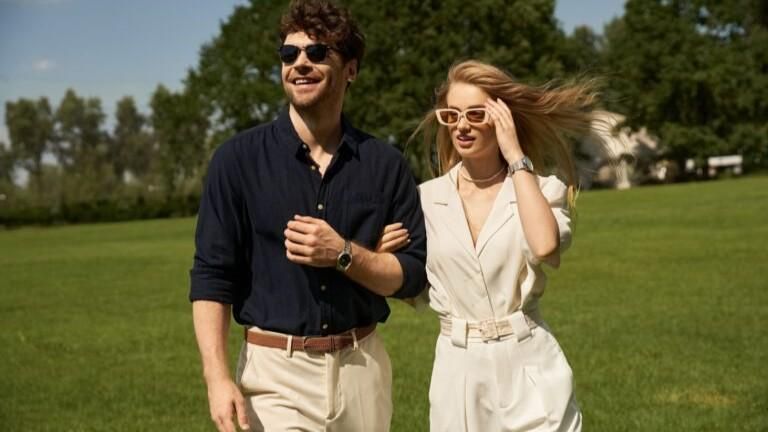
The Old Money aesthetic centers on restraint. Rather than visible logos or trend-driven silhouettes, it prioritizes fabric quality, precise tailoring, and longevity. The appeal lies in what is deliberately understated.
Neutral palettes, classic proportions, and timeless basics—linen shirts, loafers, structured coats—form the visual foundation. The look suggests inherited taste rather than conspicuous consumption, drawing from long-standing associations with established wealth and upper-class lifestyles.
Cultural Reference: Brands such as Brunello Cucinelli and Loro Piana function as aspirational anchors for this movement. Their rise in visibility has been reinforced by pop-culture narratives like Succession, which reframed “quiet luxury” as a form of cultural capital rather than financial display.
The "Why" Behind Aesthetics
Why is Gen Z jumping between these looks so fast? It comes down to three things:
Identity is Fluid
For Gen Z, clothing functions as a modular system. They use different aesthetics to signal their values or moods. According to McKinsey & Company, Gen Z is the "True Gen," valuing individual expression over conforming to a group. An aesthetic is not a uniform; it is a "vibe" they adopt for the day.
Sustainability and Ethics
Sustainability is not a secondary concern. Reports show that over 60% of Gen Z actively explore secondhand options before purchasing new garments, and the global secondhand market could hit $350 billion by 2027—a surge powered largely by young consumers.
Digital Community Influence
Unlike Millennials, who looked to traditional fashion calendars, Gen Z discovers and shapes trends through digital platforms. TikTok, Instagram, and AI tools amplify micro-movements at unprecedented speed, giving rise to ephemeral trends and niche aesthetics that coexist rather than compete.
Implications for Brands: Reaching the Multi-Aesthetic Consumer
For forward-thinking fashion brands, this complexity is an opportunity, not a hurdle. Here’s how to meet Gen Z where they are:
Authenticity Over Hype
Gen Z can sniff out calcified marketing. Brands thriving in this space offer transparent stories, ethical commitments, and real purpose—whether through sustainable sourcing, inclusive representation, or meaningful community engagement. These behaviors reflect not just ethical concern, but a desire for unique, history-rich pieces that stand apart from fast fashion.
Narrative-Driven Collections
Rather than seasonal “trend drops”, successful fashion houses craft narratives that resonate—espousing cultural touchstones like nostalgia, craftsmanship, or creative self-direction.
Fluid Identity Positioning
Brands that embrace aesthetic plurality—offering pieces that work across Y2K, minimalist, and classic wardrobes—gain traction among Gen Z’s eclectic sensibilities.
Digital Engagement as Cultural Dialogue
High-touch digital experiences, community collaborations, and content that reflects Gen Z’s linguistic and aesthetic vocabulary build affinity faster than traditional advertising ever could.
Together, these forces explain why Gen Z fashion feels fragmented on the surface, yet coherent at a value level.
For brands navigating this multi-aesthetic reality, flexibility is no longer optional. The ability to test, adapt, and iterate across different visual languages, without overcommitting inventory, has become a structural advantage in serving Gen Z consumers.
The Bottom Line
Gen Z fashion isn't a straight line—it's a living, breathing ecosystem. From the neon explosion of Dopamine Dressing to the quiet confidence of Old Money, these styles don't compete; they coexist.
For the fashion industry, the goal isn't to "catch" the next trend. It’s to understand the people behind the trends and join the conversation in a way that feels real, inclusive, and—above all—human.
Further reading

No Order Minimums

No Membership Fees

No Unsold Stock

No Quality Concerns
Only Creativity, Satisfaction, and Profits!