
 USD
USD
What Is a Heavyweight T-Shirt? A Complete Guide

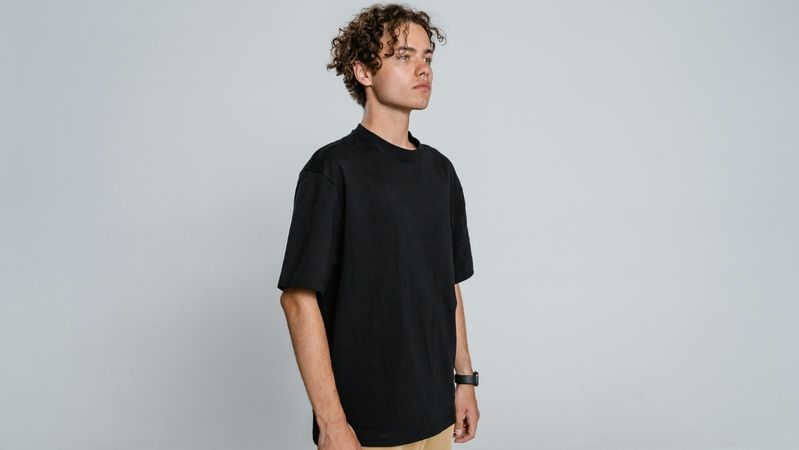
If you've ever worn a t-shirt that felt thicker, sturdier, and premium, you've likely experienced a heavyweight t-shirt. Heavyweight t-shirts are favored by streetwear enthusiasts, fast fashion brands, and generally by people who do not like the flimsy feeling of some clothes.
A question comes to mind: what makes a t-shirt “heavyweight”? Let's break it down and understand if the extra heft is even worth it or not.
What Is Considered a Heavyweight T-Shirt?
The density of fabric, measured on GSM (grams per square meter) or oz/yd² (ounces per square yard) scale, determines if it's heavyweight or not.
A good example of heavyweight fabric is the difference between a thick winter blanket and a thin summer sheet; both have different weights.
Here's how t-shirts are typically categorized :
| Category | GSM Range | Oz/yd² Range |
|---|---|---|
| Lightweight | 120–150 GSM | 3.5–4.5 oz |
| Midweight | 150–180 GSM | 4.5–5.3 oz |
| Heavyweight | 180–250+ GSM | 6–7.5+ oz |
A heavyweight t-shirt weighs 200 GSM (or roughly 6 oz/yd²) and above. Ultra premium fabric goes upto 250+ GSM. The difference is quite noticeable between a standard t-shirt (usually around 150 GSM) and a heavyweight t-shirt. A heavyweight t-shirt can last longer rather than become a rag after six months of use.
Are Heavyweight T-Shirts Better Quality?
A heavier fabric does not mean a higher quality. But with the right combination of other materials and good construction methods, heavyweight t-shirts can outperform their lighter counterparts in many areas.
Fabric Density, Durability, and Longevity
Heavyweight fabric has a denser weave than its counterparts. This gives heavyweight t-shirts a sturdier form. The tight knit makes the fibers less likely to pull out or break over time.
What this translates to in real life:
- Resistance to tears and holes.
- Less pilling.
- Better shape retention, even after repeated use and washing.
- Long-lasting colour, because the dye has more fiber to bond with.
If you are someone who wears the same shirts repeatedly, going for heavyweight t-shirts is better as they outlast the lighter alternatives.
Comfort, Breathability, and Seasonal Wear
Heavyweight T-shirts may not be everyone’s cup of tea. When brand new, the fabric can feel stiff and give off a cardboard-like sensation, which might put some people off. But after a few washes, good quality heavyweight t-shirts soften up beautifully, which can not be compared to a lightweight t-shirt.
The breathability question
Heavier fabric is known to trap more warmth than lighter ones. That is why heavyweight t-shirts are less ideal for the summer season. Heavyweight tees are better suited for:
- When the seasons are changing - spring and fall.
- Heavily air-conditioned places like malls, airports, or even office spaces.
- Layering in winter under jackets.
- Cooler evenings when a regular tee would leave you shivering
What Makes a Good Heavyweight T-Shirt?
The weight of a heavyweight t-shirt is just the starting point; there are other factors that separate a genuinely excellent heavyweight shirt from a merely heavy one.
Fabric Type: Cotton, Combed Cotton, and Blends
The quality of the cotton matters as much as the weight itself.
- Ring-spun cotton is the gold standard for heavyweight tees. The spun pattern creates stronger, longer fibers that result in a softer hand feel as well as good durability.
- Combed cotton ensures that shorter fibers and impurities are eliminated during manufacturing. This results in a smoother, luxurious fabric that feels premium against the skin.
What about blends?
For heavyweight t-shirts, cotton is the go-to fabric choice, but some brands blend in a small percentage of polyester or elastane for certain specific benefits.
- Polyester blends resist shrinkage and wrinkles.
- Elastane (Lycra) adds stretch for improved mobility
- Tri-blends offer softness, but typically at lighter weights
Construction Details That Matter
A quality heavyweight t-shirt should feature:
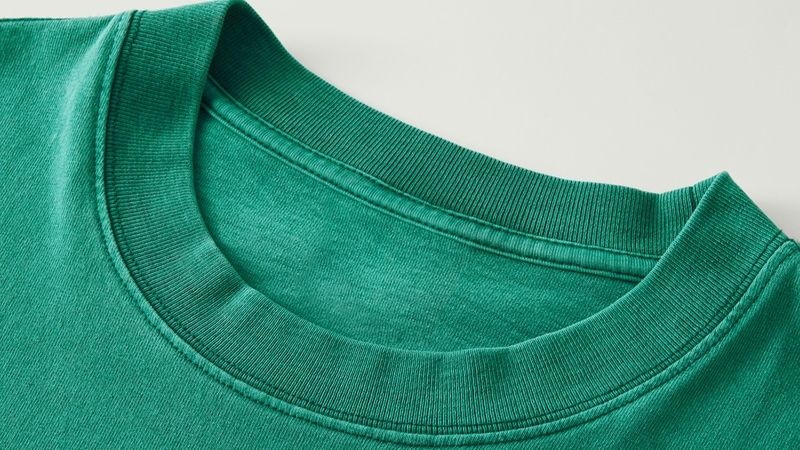
Ribbed collar with reinforcement:
Good quality collars are tightly knit and have Lycra blended in the fabric, which enhances elasticity. These rib knit collars won't stretch out, lose shape, or wave after washing. The best manufacturers use shoulder-to-shoulder tape reinforcement to prevent stretching at stress points.
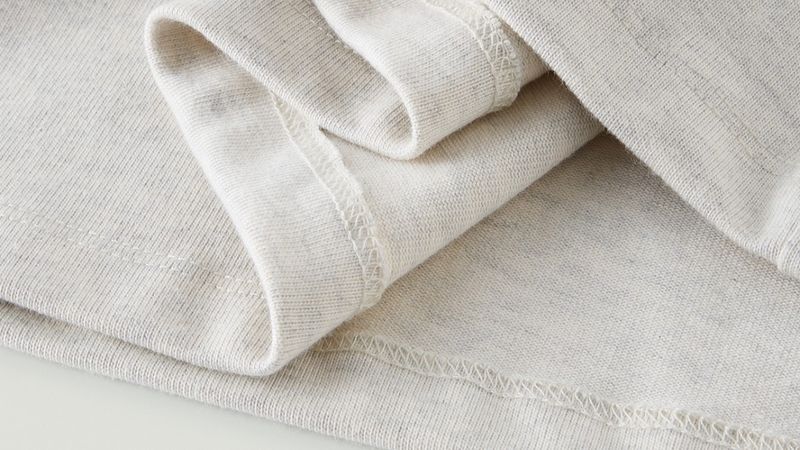
Double-needle stitching:
Check the hemlines on the sleeves and the bottom of the shirt. A good quality heavyweight t-shirt would have double stitching, which makes it stronger. A more durable hem means the heavyweight t-shirt will maintain its shape through many wash cycles.
Preshrunk fabric:
Preshrinking of fabric is a prerequisite for good-quality heavyweight t-shirts. This minimizes post production size changes.
Fit & Silhouette
Heavyweight fabric naturally lends itself to specific silhouettes, and understanding these can help you choose the right style for your preferences.
- Boxy fit: Refers to structured shoulders, a straight torso, and slightly cropped length. It's the classic heavyweight aesthetic.
- Oversized fit: Gives the wearer extra room and has a longer length. Pairs beautifully with slim-fit pants to create visual balance.
- Relaxed fit: Mainly refers to a style that falls somewhere between boxy and oversized. Heavyweight fabric allows for a comfortable fit without looking sloppy.
- Classic fit: It is less common in the heavyweight options, as it is more suited for traditional proportions with a more fitted silhouette.
Heavyweight T-Shirts for Printing & Customization
If you are thinking of making customized apparel for a brand, event, or personal project, it is better to go for heavyweight t-shirts. Their fabric characteristics make it the ideal choice for professional-quality results.
Why Heavyweight T-Shirts Are Ideal for DTG & Embroidery
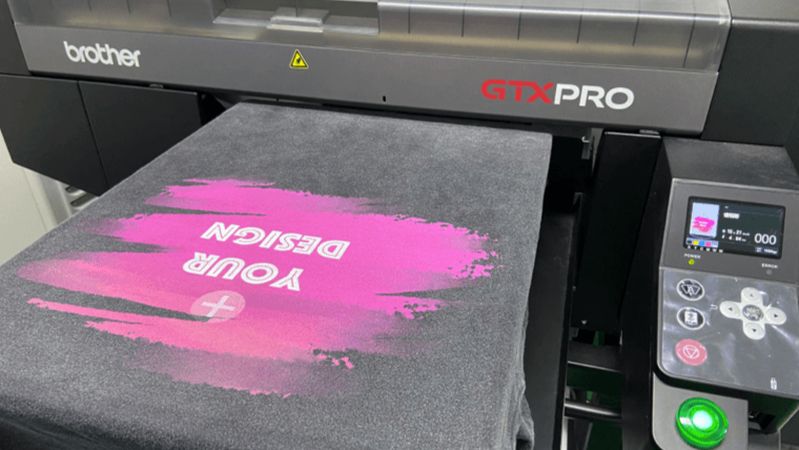
For DTG (Direct-to-Garment) printing
Choosing heavyweight t-shirts, when it comes to direct garment printing, is a good move. The fabric absorbs the ink evenly, which makes for sharper images with good color saturation.
The good quality of the fabric also reduces common printing issues like image distortion.
For embroidery
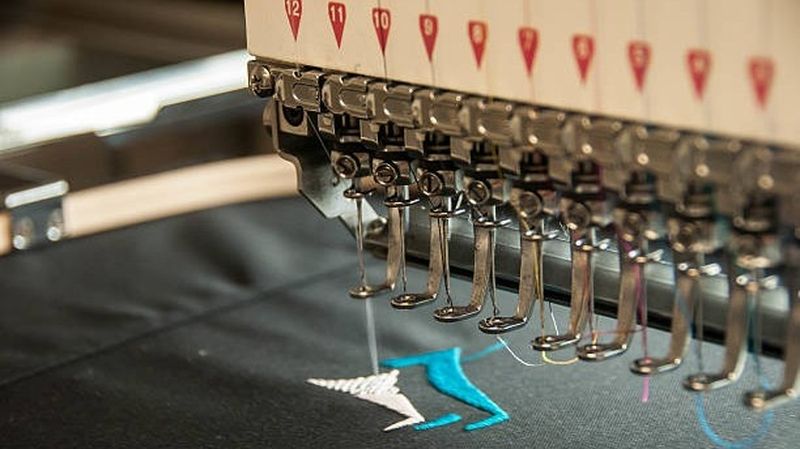
Heavyweight fabric has a more stable and solid foundation that supports the weight of embroidery stitches far better than the lightweight fabric. Embroidering on a heavyweight t-shirt prevents stitch holes, warping, and the fabric prevents puckering.
Finding the Right Platform for Your Custom Heavyweight Tees
To run a print-on-demand business or make a personal project, choosing the right partner matters enormously. You require a partner that will not compromise on the quality, is reliable, and will deliver on the weight specifications of your desire.
PODpartner stands out as a platform specifically designed for creators who prioritize quality.
PODpartner catalog has premium heavyweight t-shirt options that range from streetwear-inspired blanks. The fabric weights (200+ GSM) that today's market demands.

PODpartner also supports customization methods like DTG printing and embroidery, making it easier to find what you want on a single platform. You can create professional-quality pieces without managing inventory.
Conclusion
A heavyweight t-shirt is not like a regular t-shirt; it’s a choice preferred by many. It represents a preference for durability, structure, and a premium feel that other wardrobe pieces cannot deliver.
The choice of a heavyweight t-shirt makes sense for people who value longevity rather than fast fashion. It is also the go-to fabric choice for people who wish to add their own customised prints or embroidery. This is especially true for people living in climates where layering is the best way to fend off the cold.
On your next shopping trip to buy a heavyweight t-shirt, keep in mind to look at the GSM number, the quality of the cotton, and the construction details like collar reinforcement and double stitching. Choose a fit that you prefer and that suits you best.
Further reading

No Order Minimums

No Membership Fees

No Unsold Stock

No Quality Concerns
Only Creativity, Satisfaction, and Profits!