
 USD
USD
An Expert Guide to Selecting High-Quality Garment Fabrics

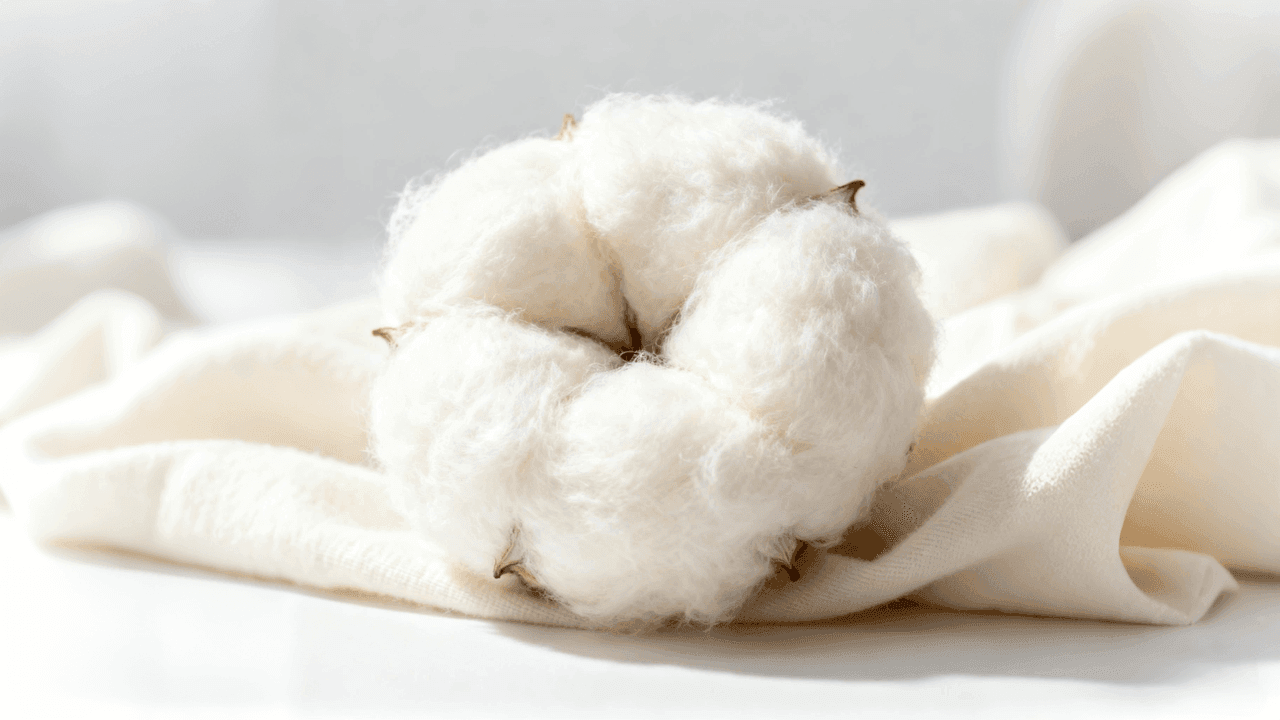
Selecting the right fabric is the single most important technical decision a clothing brand makes. Fabric choice governs how a garment feels, how it wears, how it drapes on the body, and how it presents your design work—long before labels, marketing, or price do. Today’s supply landscape mixes performance innovation and environmental scrutiny with mass-volume synthetics, so choosing wisely requires both material literacy and objective testing.
This guide walks through the critical pillars—fiber, yarn, construction, weight (GSM), dyeing, and finishing—and provides actionable checks and industry data brands can use when evaluating fabric suppliers.
The Foundational Fiber: Understanding the Raw Material
The choice of fiber is the single greatest determinant of apparel quality and positioning. The foundation of a fabric's handfeel, strength, and longevity rests on its molecular structure and linear density. The decision process is governed by two critical axes: the inherent quality factors that separate premium natural fibers from commodity ones, and the modern material trends that integrate comfort, performance, and sustainability. Both axes are essential for building a forward-thinking, high-value brand portfolio.
Long-Staple vs. Standard Cotton
Cotton remains the second most widely used fiber globally (the world’s first is polyester fiber), representing approximately 19% of the total fiber mix. Within this category, fiber length, or 'staple,' is the key quality differentiator.
Long-Staple Cotton (LSC): LSC refers to cotton varieties (such as Pima, Egyptian, or Supima) whose fiber length typically exceeds 1 1/8 inches (approximately 28.57 mm), significantly longer than the widely-used Upland cotton (often referred to as short-staple cotton). This greater linear density and uniformity are the hallmarks of superior quality.
LSC’s fine, long fibers allow for the spinning of a much stronger, smoother, and finer yarn. This results in a finished fabric that offers a luxuriously soft, smooth handfeel, excellent drape, and a natural luster. Crucially for quality apparel, LSC fabric exhibits superior resistance to pilling and breakage compared to products made from shorter, coarser fibers.
Brands that prioritize a soft, durable, and pristine surface for high-resolution Direct-to-Garment (DTG) printing or fine embroidery often rely exclusively on high-grade LSC blends or 100% LSC cotton. This choice ensures the textile surface is less 'hairy' (fewer protruding short fibers), leading to a sharper print resolution and improved longevity.
A core strategy of the PODpartner platform is to vet suppliers that utilize high-quality, long-staple cotton in their blank T-shirt and hoodie base materials, balancing soft comfort with the requisite durability for repeated wash cycles.
The Rise of Preferred and Regenerated Cellulosic Fibers
Beyond cotton, the industry is increasingly transitioning toward Preferred Fibers—defined by Textile Exchange as raw materials that deliver ongoing beneficial outcomes for climate, nature, and people.
TENCEL™ Lyocell and Modal: These are Man-Made Cellulosic Fibers (MMCFs) renowned for their exceptional softness, moisture-wicking properties, and sustainable production. TENCEL™ fibers, in particular, are produced from sustainably sourced wood in a closed-loop system, demonstrating a lower environmental impact compared to generic options. The use of these fibers signals a brand's commitment to both superior comfort and ethical sourcing—a powerful trend among conscious consumers.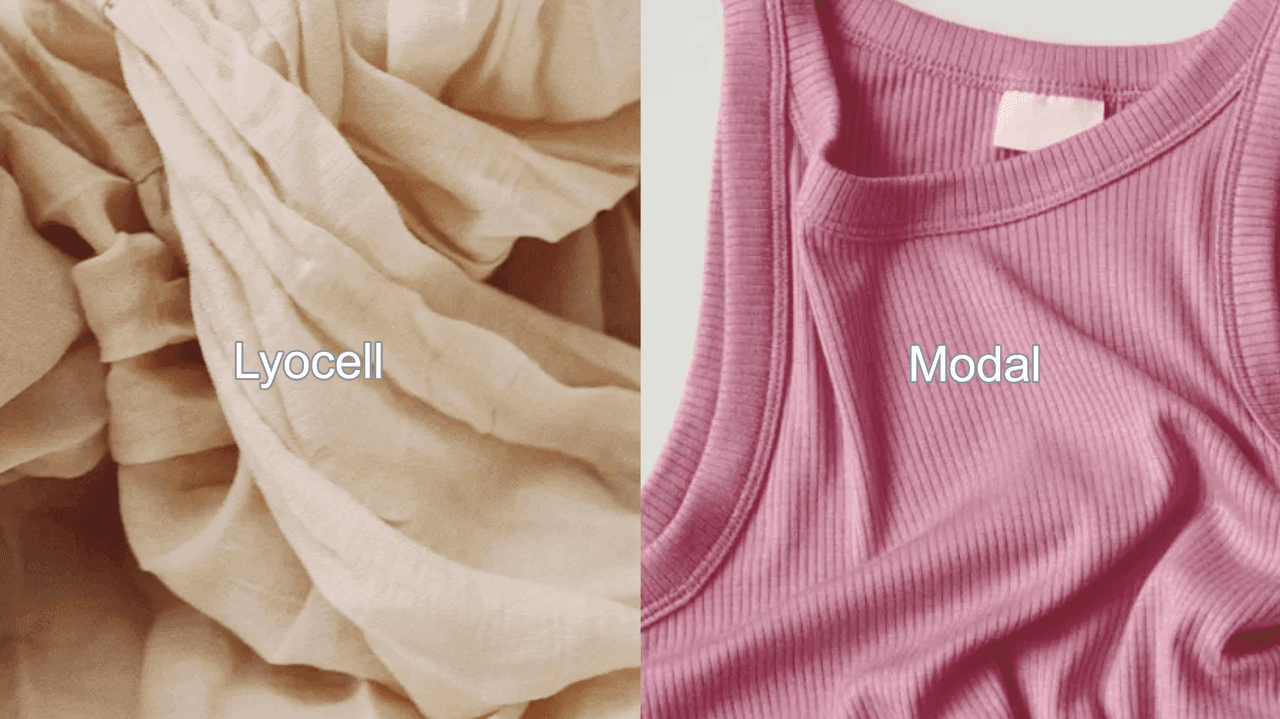
The Art of Construction: Spinning and Fabric Weight (GSM)
The characteristics of the fiber are further amplified or diminished by the spinning process and the subsequent fabric weight.
Yarn Quality: Ring-Spun vs. Open-End
The yarn quality for staple fibers (including cotton and cut regenerated fibers) is fundamentally determined by the spinning method. The technique used to twist these fibers profoundly impacts the fabric's ultimate smoothness and strength.
| Characteristic | Ring-Spun Yarn | Open-End (Rotor) Yarn |
|---|---|---|
| Yarn Texture | Smoother, more uniform, tightly twisted. | Coarser, bulkier, less uniform, lower twist. |
| Fiber Alignment | High: Fibers are tightly aligned and intertwined. | Lower: Fibers are more randomly distributed. |
| Fabric Handfeel | Softer, more comfortable, ideal for printing. | Rougher, slightly stiffer, better suited for utility wear. |
| Cost & Speed | Higher cost, slower production. | Lower cost, faster, high-volume production. |
For brands selling premium, fashion-forward, or printed apparel, Ring-Spun yarn is the gold standard. Its tight, smooth surface provides an optimal canvas for all quality printing techniques. Open-end yarn, while more economical and durable for heavy workwear, can compromise the texture and print vibrancy.
We utilize premium Ring-Spun yarn, but enhance its quality significantly through specialized techniques. This includes advanced combing (to remove more short fibers and impurities) and utilizing Compact Spinning (e.g., Compact Sirospun) technology. By investing in these refined processes, we achieve yarns with significantly lower hairiness and enhanced durability compared to traditional Ring-Spun. This ensures an ultra-smooth surface, which is critical for superior print quality and pilling resistance.
The Critical Metric: Grams per Square Meter (GSM)
GSM, or Grams per Square Meter (g/m²), is the industry standard for measuring fabric weight and density. It directly correlates with the fabric’s perceived quality, opacity, and drape.
Lightweight (120–160 GSM): Ideal for breathable summer T-shirts or undershirts. While comfortable, fabrics below 140 GSM can experience premature wear or lack the structure required for premium streetwear.
Midweight (170–220 GSM): The industry standard for high-quality, year-round T-shirts. This range offers a balance of comfort, durability, and a substantial handfeel. Premium lines often favor the higher end (200-220 GSM) for a more structured, resilient fit.
Heavyweight (300–400 GSM): The optimal range for quality hoodies and sweatshirts. For a cozy, durable cold-weather garment, a GSM between 300 and 400 is typically required to ensure adequate insulation and a plush feel. Garments in this range offer superior resistance to pilling and deformation after washing.
PODpartner offers a variety of GSM weights (from 150 GSM tees to 440 GSM heavy hoodies) to allow brands to precisely match fabric density with their product positioning, ensuring the final garment meets the target market’s expectation of thickness and structure.
Structure and Drape: Knit vs. Woven Fabrics
The final organization of the yarn—whether knitted or woven—defines the fabric's mechanical properties, including stretch, drape, and wrinkle resistance.
| Fabric Type | Structure | Characteristics | Applications |
|---|---|---|---|
| Knitted Fabrics | Formed by interlooping one set of yarn (like a continuous chain). | High elasticity, soft drape, excellent breathability, and flexibility. | Primarily used for T-shirts (Single Jersey), sweatshirts (French Terry or Fleece), activewear, and any garment requiring inherent stretch. The looser structure makes them inherently comfortable. |
| Woven Fabrics | Formed by interlacing two separate sets of yarn (warp/weft) at right angles. | High dimensional stability, strength, and superior structure. Minimal stretch unless elastane is added. | Used for structured garments like button-down shirts (Plain Weave, Twill), jackets, and pants. The stability makes the garments hang more crisply and resist deformation. |
Understanding the difference is fundamental: a brand focused on relaxed, comfortable streetwear will prioritize high-quality knits, while a brand building structured outerwear will rely on robust wovens.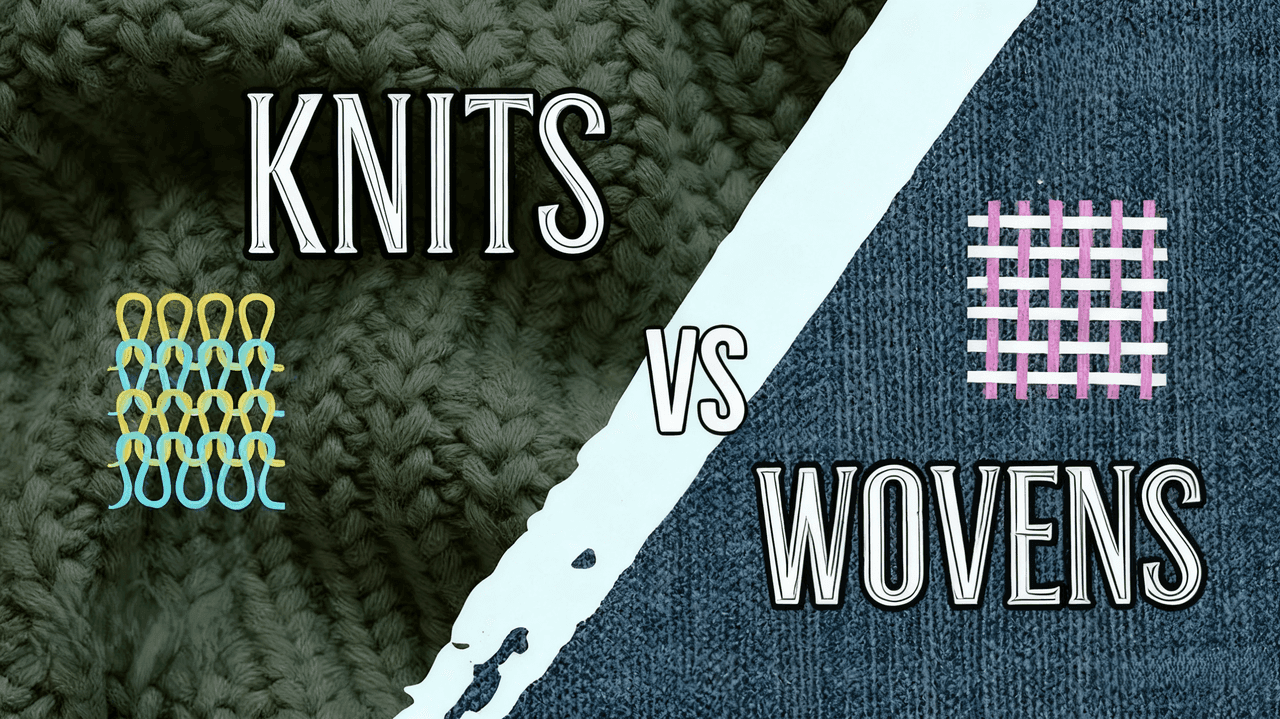
Color, Longevity, and Integrity: Dyeing and Colorfastness
Color stability is a non-negotiable aspect of garment quality. A vibrant design or a rich base color must withstand light exposure, washing, and friction without significant deterioration.
Dye Selection: Reactive vs. Disperse
The dye type must be compatible with the fiber to form a permanent bond:
Reactive Dyes: Best for cellulosic fibers (cotton, rayon, Modal). These dyes form a strong covalent chemical bond with the fiber molecules. This results in excellent wet fastness (resistance to bleeding in water) and high wash-fastness, ensuring deep, vibrant colors that resist fading after repeated laundering.
Disperse Dyes: Primarily used for synthetic fibers like polyester and nylon. These dyes are absorbed into the fiber structure and are known for their high light-fastness and stability on synthetics.
To ensure maximum color vibrancy and wash durability for our cotton-based colored fabric styles, PODpartner exclusively specifies the use of Reactive Dyes. This commitment guarantees superior colorfastness, minimizing the risk of bleeding or fading, which is essential for maintaining product integrity and high customer satisfaction.
The Authority of Colorfastness Testing
High-quality textile production necessitates rigorous testing to ensure consistency and longevity. Colorfastness Testing measures the material’s resistance to changing color characteristics when exposed to various environmental factors (water, light, rubbing, etc.). Compliance with international standards, such as those governed by organizations like OEKO-TEX, ensures the fabric is free from harmful substances and meets strict quality benchmarks for color stability.
To deliver predictable and reliable products, high-standard platforms work only with suppliers who adhere to certified, high-quality dyeing processes, guaranteeing that the final printed or embroidered design will maintain its integrity on a stably colored base fabric.
The Critical Final Touch: Finishing Processes
The final finishing treatments applied to the fabric are crucial for determining its ultimate handfeel and dimensional integrity—the true mark of a premium product.
Pre-Shrunk Treatment (Sanforization)
One of the most common causes of customer dissatisfaction is post-wash shrinkage. Cotton and other natural fibers naturally undergo shrinkage due to the relaxation of tension introduced during manufacturing.
Pre-Shrunk Process: High-quality apparel requires a mechanical and/or chemical treatment (often called Sanforization or a similar process) to force this dimensional change to occur before the garment is cut and sewn. This process involves controlled mechanical compression of the fabric.
Performance Data: Proper pre-shrinking reduces the typical residual shrinkage rate of cotton fabric from an unacceptable 5-8% down to a standardized, tolerable range of 2-3% or less. For an e-commerce brand, this ensures size consistency across orders, minimizing returns and maximizing customer loyalty.
Softening and Anti-Pilling Treatments
Beyond dimensional stability, chemical finishes are applied to enhance comfort and durability:
**Enzyme Washes/Softening:**Treatments like bio-polishing or enzyme washes are used to remove short fiber ends, significantly improving the fabric’s smoothness and reducing its propensity to pill (form small fiber balls) after washing.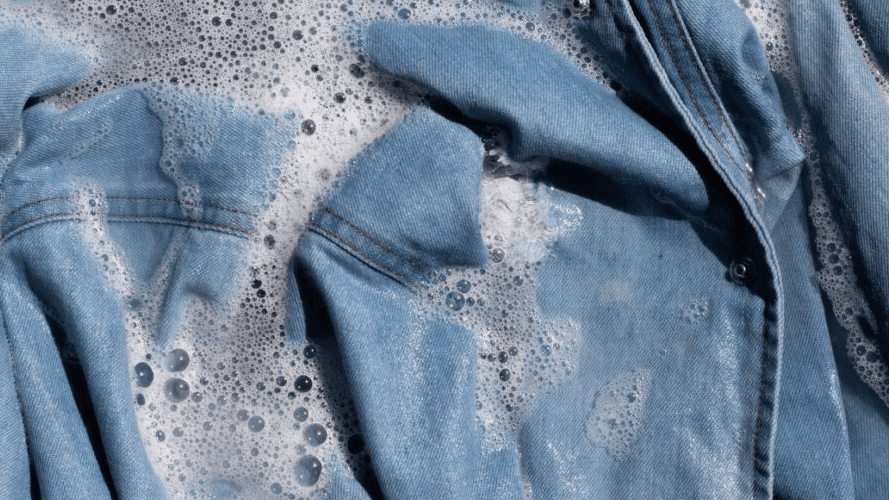
Wicking and Anti-Microbial: For performance-based apparel, specialized finishes can be applied to add technical properties like enhanced moisture wicking or anti-microbial resistance, expanding the fabric's functionality.
By ensuring all base fabrics undergo standardized pre-shrunk treatment and are verified for a high-quality handfeel, PODpartner take the critical burden of textile quality control off the brand owner, ensuring the product delivered to the end consumer is stable, soft, and consistent.
Conclusion
Long-term brand success for e-commerce entrepreneurs is fundamentally driven by product quality and customer loyalty. The key decisions in fabric selection—from choosing LSC fibers and ring-spun yarns to ensuring pre-shrunk finishing—are not technical steps, but strategic investments that define your brand’s premium value. By prioritizing these foundational elements, you elevate your product beyond a basic item. Partnering with an expert platform (like PODpartner) that rigorously manages material quality offers the most reliable path to securing repeat business and sustained market competitiveness.
Further reading

No Order Minimums

No Membership Fees

No Unsold Stock

No Quality Concerns
Only Creativity, Satisfaction, and Profits!