
 USD
USD
10 Hobbies That Make Money for Creatives in 2026


The creator economy continues to accelerate, and 2026 is shaping up to be the biggest year yet for hobby-based income. Digital platforms, social commerce, and accessible creative tools now allow everyday hobbyists to turn their interests into reliable revenue streams. What used to require equipment, upfront investment, or industry connections is now achievable from a laptop or tablet—and often with zero inventory.
This guide expands beyond clothing-only hobbies and explores a wider range of creative fields, including digital illustration, photography, lettering, crafting, fitness content, and design. Many of these hobbies naturally translate into print-on-demand apparel collections—hoodies, t-shirts, sweatshirts, long sleeves, tank tops, shorts, and pants—but they also open doors to digital downloads, freelance services, courses, templates, and more.
Below, you’ll find 10 profitable hobbies expected to thrive in 2026, why they’re earning creators real money, and how you can turn each one into a sustainable income stream.
Why Creative Hobbies Are Becoming More Profitable
Creative income has exploded for several reasons:
Rise of niche communities
Platforms like TikTok, Pinterest, YouTube, and Reddit reward niche creators. Whether you love cozy aesthetics, gaming art, fitness, typography, or photography—there’s a community eager to engage with your content.
Higher demand for unique and personalized products
Consumers want items with meaning, aesthetic appeal, or story-driven design rather than generic retail clothing or mass-produced goods.
More digital marketplaces than ever
Etsy, Shopify, TikTok Shop, and more allow hobbyists to sell globally without needing a traditional business setup.
Print-on-demand revolution
POD removes the biggest barriers: inventory, shipping, and production. Creators only need good designs to start selling apparel or accessories.
Side hustles becoming mainstream
People want flexible income and creative expression—making hobby-based earnings a growing norm.
How to Know If Your Hobby Can Make Money (Validation Checklist)
Before turning your hobby into a business, run this quick validation test:
- Does it solve a problem or entertain a specific audience?
- Can it become a digital or physical product?
- Is there an existing community around this niche?
- Can you create repeatable content (collections, series, episodes, templates)?
- Does it translate well into POD apparel or digital files?
Simple 3-step test:
Create → Share → Measure engagement
If people react positively, comment, or ask questions, you’re on the right track.
10 Hobbies That Make Money for Creatives in 2026
Below are 10 high-earning creative hobbies with strong income potential this year.
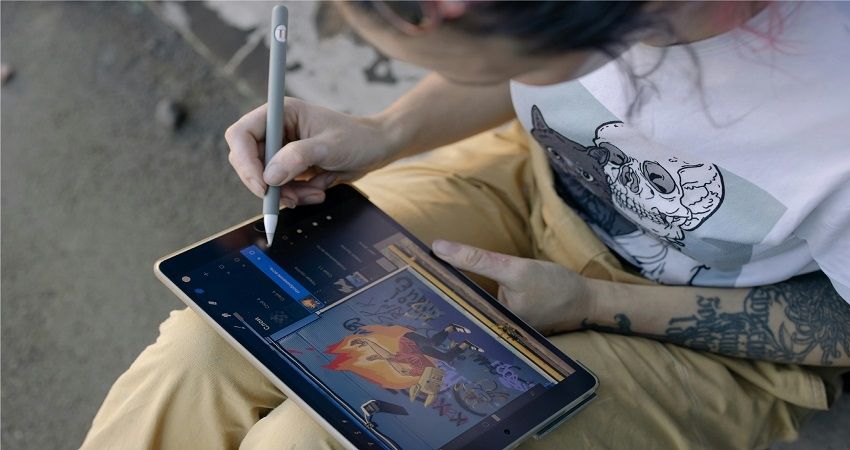
1. Digital Illustration & Character Art
Digital art remains one of the fastest-growing creative hobbies thanks to platforms like Procreate and iPad drawing.
Why it’s profitable:
People love custom characters, unique illustration styles, stickers, wallpapers, and fan-style art (as long as it avoids copyrighted IP).
Where to sell:
- Etsy
- Shopify
- Patreon
- Instagram/TikTok commissions
How it monetizes:
- Digital prints
- Character commissions
- Sticker packs
- Apparel designs (hoodies, tees)
2. Hand Lettering & Typography
Typography-based aesthetics dominate social media and apparel trends.
Why it’s profitable:
Lettering can be turned into wall art, quote-based apparel, logos, journals, and digital font packs.
Where to sell:
- Creative Market
- Etsy
- Your own shop
Best monetization:
- Typography apparel
- Custom fonts
- Printable quote designs
- Minimalist chest embroidery artwork
3. Photography & Aesthetic Editing
From aesthetic content to wall prints, photography remains a top creative side hustle.
Why it’s profitable:
People buy presets, prints, aesthetic wallpapers, and moody edited images.
Where to sell:
- Adobe Stock
- Etsy
- Shopify
Monetization options:
- Photography presets
- Digital print packs
- Apparel featuring landscape or aesthetic photos
- Event or brand photography services
4. Pattern & Surface Design
Creators who enjoy seamless patterns or decorative backgrounds can turn them into multiple revenue streams.
Why it’s profitable:
Patterns can be used on apparel, fabric, wallpapers, packaging, and more.
Where to sell:
- Spoonflower
- Creative Market
- Shopify
Monetization options:
- Pattern licenses
- Pattern-based hoodies and t-shirts
- Digital pattern packs
5. Graphic Design for Merch
Graphic design remains one of the most in-demand creative skills.
Why it’s profitable:
Brands, influencers, and small shops need designs for apparel, logos, and social media.
Where to sell:
- Fiverr / Upwork
- Shopify
- Etsy
Monetization formats:
- Logo packages
- Social media kits
- Merch graphic bundles
- Apparel drops made via PODpartner’s advanced apparel customization tools
6. Content Creation (YouTube, TikTok, Reels)

Short-form and long-form creators can easily turn their influence into income.
Why it’s profitable:
Creators earn through ads, affiliates, brand deals, and merch.
Strong apparel tie-in:
Creators often launch hoodies, t-shirts, or sweat sets to strengthen audience identity.
Best platforms:
- YouTube
- TikTok
- Instagram Reels
7. Crafting & DIY Art
Crafting remains a timeless hobby with endless monetization paths.
Why it’s profitable:
Handmade aesthetics, DIY tutorials, and printable craft templates are always in demand.
Where to sell:
- Etsy
- TikTok Live
- Craft fairs
Monetization ideas:
- Digital patterns
- DIY courses
- Craft-themed apparel (watercolor textures, nature motifs)
8. Gaming & Streaming
One of the biggest online communities—perfect for creative monetization.
Why it’s profitable:
Gaming creators build loyal, engaged audiences.
How to monetize:
- Streaming income
- Coaching
- Selling gaming-culture merch (inside jokes, icons, slogans)
Platforms:
- Twitch
- YouTube
- TikTok
9. Fitness, Wellness & Lifestyle Coaching
Wellness creators can build strong brands around their unique approach to health.
Why it’s profitable:
People constantly look for workout plans, routines, and motivation.
Monetization paths:
- Workout ebooks
- Lifestyle content
- Motivational apparel collections (hoodies, tanks, joggers)
10. Seasonal & Holiday Design Creation
Seasonal designs are a powerhouse for revenue—especially apparel.
Why it’s profitable:
Holidays like Christmas, Halloween, Valentine’s Day, and graduation bring huge sales spikes every year.
Sellable formats:
- Seasonal apparel drops
- Digital templates
- Printables
- Event-themed merch collections
Best Ways to Monetize These Creative Hobbies
No matter which hobby you choose, here are the strongest monetization channels for 2026:
- Print-on-demand apparel (hoodies, tees, sweats, tanks, pants, shorts)
- Digital downloads (templates, fonts, presets, patterns)
- Freelance services (commissions, design, coaching)
- Ecommerce platforms like Shopify and Etsy
- Social commerce through TikTok Shop & Instagram
- Membership income via Patreon or subscription communities
These paths allow creators to scale their income sustainably without needing large upfront investment.
Tips for Turning a Creative Hobby Into Income
- Choose a niche rather than trying to appeal to everyone.
- Build a small collection (3–6 items) rather than dozens.
- Use high-quality mockups to showcase your designs.
- Post consistently on social media.
- Use trend research tools like Pinterest Trends & TikTok Creative Center.
- Order samples to maintain quality control.
- Focus on storytelling and community-building.
Common Mistakes to Avoid
- Copying copyrighted or trademarked concepts.
- Launching too many designs at once without testing.
- Using low-quality product photos or mockups.
- Ignoring search optimization (Etsy, Shopify, Pinterest SEO).
- Trying to serve all audiences instead of one micro-niche.
8. Tools & Platforms That Help Creatives Monetize
Design Tools
- Procreate
- Canva
- Adobe Photoshop & Illustrator
- Figma
POD Apparel Platforms
PODpartner (noted for apparel specialization), plus other POD platforms.
PODpartner is particularly useful for creators wanting advanced apparel customization, multiple print positions, embroidery options, and branding flexibility.
Selling Platforms
- Shopify
- Etsy
- TikTok Shop
Research Tools
- Pinterest Trends
- Google Trends
- TikTok Creative Center
Marketing Tools
- Klaviyo
- Mailchimp
- Later
Conclusion
Creative hobbies have never been more monetizable than they are in 2026. Digital tools, social platforms, and global marketplaces allow illustrators, designers, photographers, gamers, crafters, and lifestyle creators to earn real income from what they love.
Whether your passion leads to digital downloads, design services, apparel collections, or content creation, there is a path to profit—no experience or large investment required.
If your hobby involves apparel-ready designs, PODpartner makes it easy to turn creative ideas into premium clothing products with flexible print and branding options.
Now is the perfect time to pick a hobby, validate your niche, and start building your creative brand.
Further reading

No Order Minimums

No Membership Fees

No Unsold Stock

No Quality Concerns
Only Creativity, Satisfaction, and Profits!