
 USD

How to Launch a Clothing Line 2026 [Complete Roadmap]

Let's be honest: starting any type of business can be quite tough and overwhelming. The apparel industry, especially, has a lot of competition, due to which many people assume that starting a clothing line is difficult. But the truth is completely opposite, thanks to modern print-on-demand services.
In fact, the barrier to starting a clothing brand is lower than ever before because you don't have to worry about the inventory and the manufacturing process yourself. Those days are long gone when a clothing brand had to manage everything in-house from design to manufacturing and shipping.
Print-on-demand services like PODpartner have simplified the process of how to launch a clothing line as they allow you to supply high-quality products while maintaining your brand identity.
In this detailed guide, you'll get to know all about the cheapest way to start a clothing business from home.
Foundation Phase: Defining Your Clothing Brand
The foundation phase of your clothing line sets the stage for long-term success. You should have a clear idea about what kind of business you are establishing and what you hope to achieve with your business.

There are three main aspects you need to take care of on this page:
1. Niche Selection
Research the different clothing niches and pick the one that is in demand and that interests you. Moreover, define your target audience to ensure you are able to create the right products to serve them.
Once you have a clear idea of who you are selling to, it will make it easier for you to make products that cater to your targeted audience. For example, a trendy clothing line would be more suitable for Gen Z and a younger audience, while minimalism is likely to appeal to an older demographic.
2. Create a Solid Brand Identity
Next comes the vital task of creating an engaging brand identity that can stand out from the competitors and help you win over the customers. This process includes everything from naming your brand, designing an appealing logo, to setting the core values of your brand.
Furthermore, you should have a refined brand story as the audience nowadays connects with brands with engaging and authentic brand stories. It will make your business have a memorable brand identity and personality.
3. Complete Legal Requirements
The regulatory requirements of starting a clothing business can vary from region to region. Generally, you can complete basic business registration and trademarks on your own to ensure your designs are protected by copyright regulations. You can start by registering your business as an LLC or sole proprietorship.
Even if you don't want to go through the legal procedures yourself, you can hire a legal consultant to help you through this process of setting up your business legally with all the necessary documents.
The Smart Startup Model: Low-Investment Launch
The traditional setup of a clothing brand involved spending thousands of dollars in upfront investment, setting up production, and managing unsold inventory. Thankfully, that's not the case anymore, as a modern startup powered by a reliable print-on-demand service requires minimal investment.

1. Choosing the Fulfillment Model
Let's compare both POD and inventory-based models in detail:
| Model | Description | Pros | Cons |
|---|---|---|---|
| Print-on-Demand (POD) | You provide designs, and a third party is responsible for printing and shipping the orders. | No upfront inventory, high scalability, minimal risk. | Limited control over shipping speed |
| Inventory-Based | You produce clothes in bulk and handle shipping yourself. | Full control over quality and brand. | High upfront costs, storage issues, warehouse management, and unsold inventory risk. |
The comparison makes it evident that print-on-demand is the cheapest way to start a clothing brand, which more and more people now choose this business model to launch their apparel line.
2. Design Process

Creating appealing fashion pieces is easier with POD services. Here's how you can bring your ideas to life:
- Find inspiration for your clothing line. You can browse social media platforms like Pinterest to analyze new design trends.
- Use user-friendly design tools like Canva or Adobe Illustrator to create designs. Make sure your designs are versatile for different types of apparel, including hoodies, shirts, etc.
- You can easily generate mockups online with Smartmockups or PODpartner to preview your designs.
- Review your finalized design and get feedback from your friends and family before a mass release.
3. Manufacturing and Fulfillment Process
Once your designs are ready, you need to either find a reliable clothing manufacturer or pick a POD partner to handle fulfillment.
Here are some effective steps on how to find a clothing manufacturer:
- Search online marketplaces like Alibaba, Indie Source, and Marker's Row. Pick the one that suits your niche and requirements.
- Never place large orders. Instead, always ask for samples first to test fabric quality and design quality.
- Start with a small production of 50 to 100 pieces to test demand before scaling your clothing business.
- Pick clothing manufacturers that have a low Minimum Order Quantity (MOQ) to keep the cost low.
Recommendation:
The entire process of finding a clothing manufacturer and handling the fulfillment process can be too much for new businesses. So, it is recommended that you partner up with a reliable POD platform like PODpartner
that can handle manufacturing as well as global shipping. It will save you the time and headache involved in the daily fulfillment process.
Building the Online Clothing Store
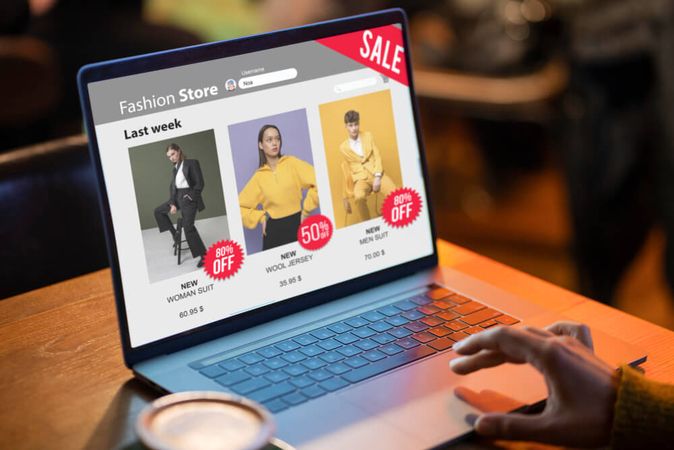
After finalizing your designs and production strategy, you should focus on bringing your brand online with a well-designed online clothing store. This involves:
1. Choosing the Right E-Commerce Platform
The right e-commerce platform is the one that is easy to use, mobile-friendly, and quick to integrate with your fulfillment system.
If you are wondering how to start an online clothing business from home without technical skills, you should go for these platforms:
- Shopify: The most popular e-commerce store for clothing businesses of all types and sizes.
- Etsy: Popular for artistic and smaller clothing lines.
- Wix or Squarespace: Popular for visually appealing brands.
Overall, you should consider factors like integration with POD apps, transaction fees, monthly charges, and customization flexibility to pick the right platform.
2. Add Optimized Product Listings
Just listing your products on your online store is not enough. You also have to optimize your product pages to reach a larger audience. You can do it by including these:
- High-quality images: Add images from angles and showcase fabric details.
- SEO-optimized titles: Include relevant keywords like organic cotton T-shirt to ensure the audience can find your products.
- Detailed descriptions: Provide details about the design inspiration.
- Sizing guide: Help your customers choose the right size.
- Social proof: Add reviews or testimonials.
3. Operations: Running a Smooth Online Store
Some of the key things to consider to ensure your online store keeps running smoothly are:
- Payment Gateways: Integrate popular payment options like Stripe, PayPal, or Shop Pay for quick checkout.
- Shipping: Offer flat-rate or free shipping above a certain order value. You must be transparent about delivery times and fees to build trust.
- Returns & Refunds: Clearly explain your policy in simple terms.
- Customer Service: Offer reliable customer service via chatbots or email support.
Marketing and Scaling Your Clothing Line
Finally, after getting everything in order, you need to focus on marketing your products and scaling your clothing line. You'll need a solid digital marketing strategy to ensure your products reach the target audience.
The key things to consider in this stage are:
1. Generate Pre-Launch Buzz
Start building excitement even before your store goes live. You can do that by creating teaser content, running countdowns, sharing behind-the-scenes clips on social media, and offering early access to your initial email list. Even a simple, but well-designed "coming soon" landing page can create a lot of buzz.
2. Implement an Effective Digital Strategy
E-commerce clothing brands thrive on social media platforms. So, you must have a solid digital marketing strategy in place. Use platforms like Instagram, TikTok, and Pinterest to reach potential customers via engaging visuals. Moreover, optimize your store by following e-commerce SEO best practices and build strong relationships via email marketing.
3. Scale Your Clothing Business
A business's growth does not only come from getting new customers, but also keeping the existing ones happy. So, focus on scaling your clothing line by launching new collections based on best-selling products, offering loyalty or referral programs, and gathering feedback to continually improve your products.
Final Takeaway
This guide to how to launch a clothing line shows that you don't need massive capital or industry connections to build a successful business. With print-on-demand services and the right marketing strategy, you can easily launch your clothing brand online from home and turn it into a global success.
Remember that there is no "perfect time" to launch a business. In fact, perfection is the enemy of progress.
So, start small today, learn fast, and launch your dream clothing business today!
Further reading

No Order Minimums

No Membership Fees

No Unsold Stock

No Quality Concerns
Only Creativity, Satisfaction, and Profits!