
 USD
USD
How to Make a Big Print Shirt for Your Clothing Brand

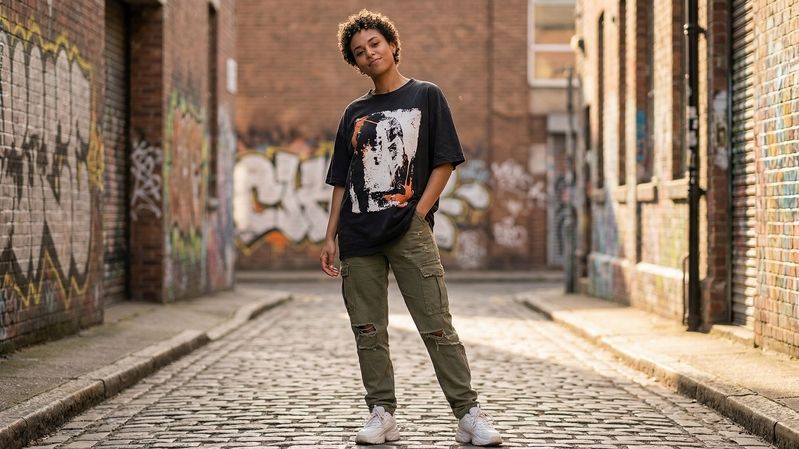
Walk through any streetwear-heavy neighborhood or scroll ten minutes on TikTok and you’ll see the same thing over and over again: massive graphics swallowing the front of tees, murals across the back, vertical prints that run from collar to hem. Oversized artwork is not a trend anymore. It is the default visual language for creator brands, niche labels, and drop-driven streetwear.
There is a reason for that. A big print instantly feels expensive. It signals confidence, production muscle, and design intent. When done right, it turns a plain cotton tee into a billboard for your brand.
When done wrong, it exposes every weakness in your operation.
Most brands that try oversized prints for the first time crash into the same wall. The art looks sharp on screen and muddy in real life. The fabric puckers under heavy ink. The print fades after three washes. The “oversized” graphic gets clipped by conservative POD limits. Suddenly the hero piece of the collection becomes the liability.
This article is about avoiding that destiny. We will be practical regarding how to create for scale, which shirts truly support huge images, which printing techniques withstand strong coverage, and how to introduce these designs in a premium rather than dangerous manner.
Designing Artwork That Works at Oversized Scale
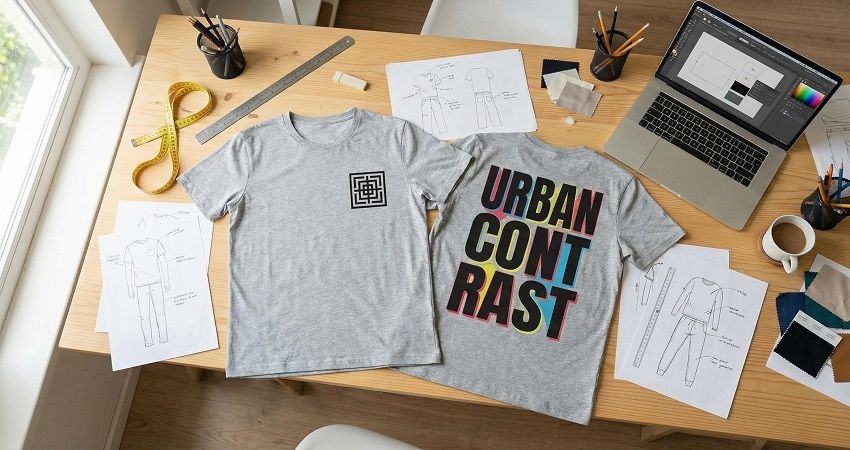
Designing for a 4x4 inch chest hit and designing for a 15 inch wide front panel are two completely different disciplines.
Big-print layouts demand intention. Full-front compositions, oversized backs, wrap-adjacent placements, and vertical stacks all change how the eye moves across the garment. A logo centered on the chest reads polite. A graphic that runs from shoulder seam to mid-torso reads aggressive and editorial. Know which message you are sending before you open Illustrator.
Resolution is not negotiable here. Raster art should live at 300 DPI for jumbo prints, rather than scaled up from a hoodie mockup produced three seasons earlier. Vector files are your best friend, especially for linework and typography, because they stay razor sharp no matter how wide the platen is. If you are using bitmap textures or photographic elements, build them at true print dimensions from day one.
Line weight is another silent killer. What looks bold on a laptop can disappear into cotton grain once it is blown up. Thin outlines collapse. Tiny distress textures turn into gray mush. When you are designing oversized, exaggerate. Thicker strokes. Cleaner shapes. More breathing room.
Negative space is doing more work than you think. Large graphics feel premium when the blank becomes part of the composition. Let the fabric color frame the art. Give elements room to breathe instead of filling every inch just because you can. Oversized does not mean crowded.
The most painful mistakes only reveal themselves after production. Gradients banding across a wide area. Blacks turning dull because of ink saturation limits. Tiny text that becomes unreadable from three feet away. The fix is boring but effective: print test panels. Not mockups. Not digital previews. Physical fabric with your art at full scale before you commit to a drop.
Choosing the Right Shirt Base and Print Method
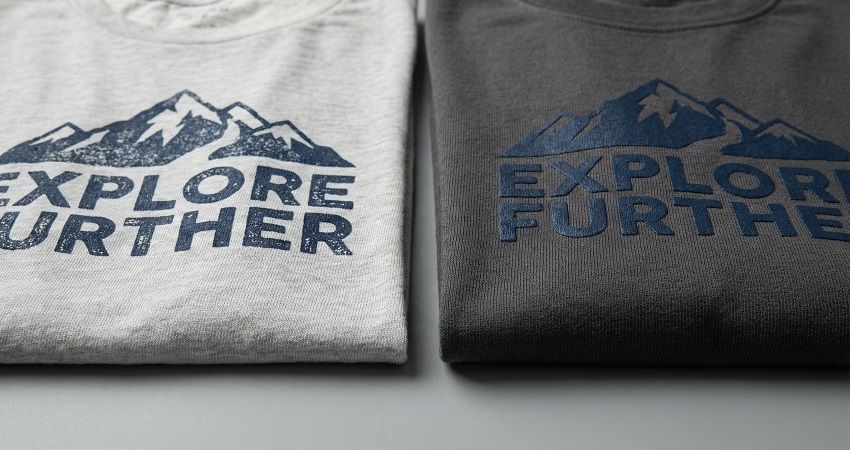
Large prints quickly reveal material grade. Lightweight tees can actually carry large graphics, but seldom does it look great. With a density between 220 and 260 GSM, heavyweight cotton offers the ink a solid base and prevents the item from seeming flimsy after a vast region is soaked.
Smooth surfaces also count. Crisper edges and superior color fill come from tight knit cotton or cotton blends than open, slubby textiles. The more your art fights for clarity, the more the fabric is rugged.
Fit plays into perception more than most brands expect. Boxy or oversized silhouettes are made for big prints. They give you literal square inches to work with and reinforce that contemporary streetwear posture. Standard fits can work, but the art has to be scaled and placed carefully to avoid looking like a stretched chest logo.
When it comes to printing, DTG remains the go-to for detailed jumbo graphics, but it is not magic.
Larger DTG prints cost more. They take longer to cure, need more ink, and call for tighter quality control. Mostly, the accuracy of curing and pretreat quality define durability. Performance sags when those stumble. The shirt seems cheap because of cracking, fading, or that hated rough hand-feel.
High-coverage prints need dialed-in machines and operators who know how to adjust profiles for massive ink loads. Not every POD facility is built for that reality.
Producing Big Print Shirts at Scale: Comparing POD Platform Print Size Limits
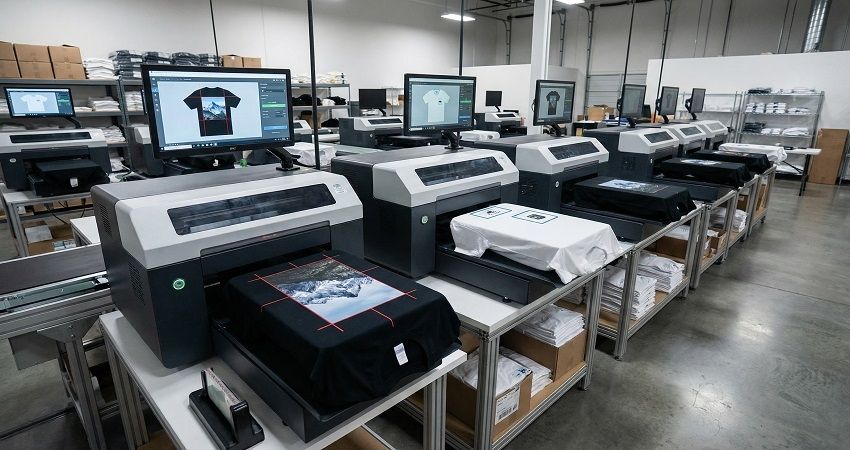
Here is the quiet truth in print-on-demand: most platforms are optimized for standard placements. Ten to twelve inches wide on the chest. A tidy rectangle on the back. That is where their equipment, templates, and workflows live.
Industry “maximum” sizes often sound generous until you try to run a true jumbo graphic. Suddenly your art is getting resized. Edges are clipped. Or you are told the placement is not supported on that blank.
Oversized prints demand tighter production control than typical POD runs. Registration matters more when coverage is huge. Color consistency is harder when ink density spikes. Fabric variation shows up faster when half the garment is printed.
Multi-print-position support becomes a serious weapon here. Being able to run an oversized front plus a back hit, or combine a jumbo DTG graphic with embroidery on the chest, lets brands build layered, retail-grade products instead of single-note tees.
This is where platforms like PODpartner lean into their strengths. With jumbo DTG capability (up to 24″ × 24″ print area), in-house manufacturing, heavyweight blank programs, and the ability to combine print and embroidery on the same garment, they remove much of the ceiling that typically limits POD-based brands.
Extended print zones mean designers are no longer forced to shrink bold concepts to fit restrictive templates. Instead of designing around limitations, brands can design at full scale — front graphics that feel like murals, oversized back pieces, or wrap-style compositions that command attention.
Having production under one roof also tightens quality control and consistency, which becomes critical when pushing print dimensions beyond what most shops attempt. When scale increases, so do the risks of misalignment, color variation, and fabric handling issues — centralized manufacturing helps keep those variables in check.
At larger-than-standard sizes, testing becomes non-optional. Wash trials. Stretch tests. Repeated production runs to confirm color stability. The brands that scale oversized graphics successfully treat quality control like a design phase, not an afterthought.
Launching and Marketing Big Print Shirts Successfully
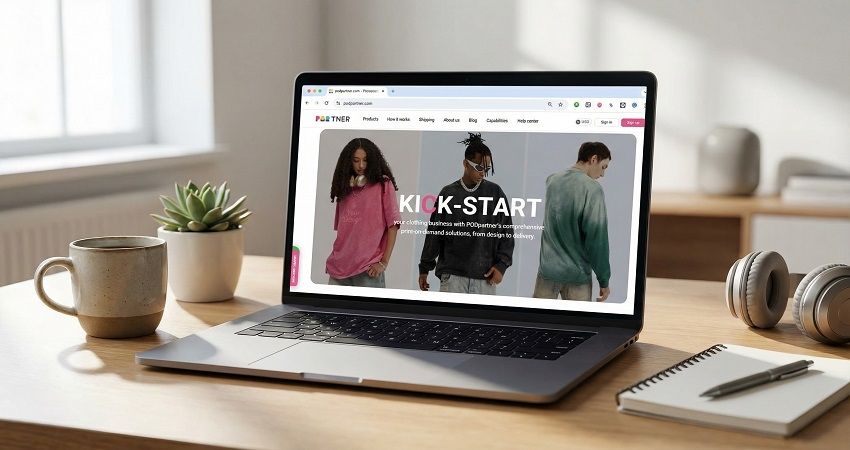
Oversized graphics were made for modern content platforms. They read instantly on TikTok and Reels. They pop in lookbooks. They stop thumbs mid-scroll.
But only if you photograph them properly.
Show scale. Shoot models moving so the print bends and drapes. Get close-ups of texture and ink density. Let customers see how the artwork sits across the body instead of floating on a flat lay. Lighting should rake across the surface to highlight coverage and fabric weight.
Drops are crucial as well. Big-print shirts have greater perceived value, hence if the quality backs it up you have pricing room beyond your logo tees. Lean into that with numbered releases, limited runs, or colorway capsules rather than keeping them permanently stocked.
One more lever is grouping. Match the tee with a hoodie in the same color. Provide a full set for a small reduction. Increase the average order value while highlighting the collection idea instead of only selling individual products.
Conclusion
Big print shirts continue to be among the strongest visual instruments in current fashion. They signal desire. They fix collections. They transform clients into walking billboards.
They only function, though, when design, fabric, and printing are created from the start.
Real brands distinguish themselves from hobby stores by means of testing and iterative process. Print examples. Destroy them in the washing machine. Redesigning. Run them again. Although not glamorous, that method is how huge visuals evolve from dangerous experiment to signature product line.
Platforms that support jumbo prints, heavyweight garments, and multi-technique production make that journey dramatically easier, which is why more brands are building their statement pieces through partners like PODpartner rather than forcing bold ideas into small-box limitations.
Oversized graphics reward precision. If you treat them with the respect they demand, they will return the favor in attention, margin, and brand heat.
Further reading

No Order Minimums

No Membership Fees

No Unsold Stock

No Quality Concerns
Only Creativity, Satisfaction, and Profits!