
 USD
USD
How to Start a Small Fashion Business at Home: Step-by-Step Guide

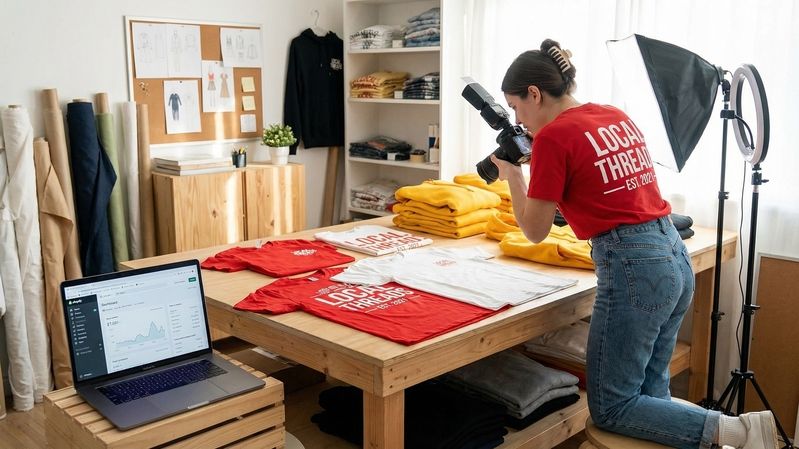
Neglect the traditional route of launching a clothes line. Paris doesn't need a runway show, a warehouse crammed with boxes, or a scary loan from the bank.
Home-based clothing companies are winning right now since the rules have altered. There are no more gatekeepers here. Flexible manufacturing methods made possible by technology have evened the playing field and let you compete with big labels from your spare room.
But let us get clear on what starting little entails. It does not equate to thinking little. Being intelligent defines it. It's testing concepts before you spend money. It implies running lean such that you can change direction faster than the dinosaurs in the sector.
Your roadmap is this manual. We'll go over the steps to create a genuine brand, not only a pastime.
Research, Niche Selection, and Business Planning

Most aspiring businesspeople fail here. Before they find out whether anyone really wants it, they become enthusiastic over a logo or a t-shirt design. Do not make that error.
The Market's Reality
The internet fashion sector is huge. Though that amount is deceptive, it is approaching $1.2 trillion. The market is busy. You will lose if you try to run a general store offering beautiful clothes for everyone. You shouldn't try to compete on price with the fast fashion juggernauts; you simply can't.
Pick a Lane
You want a specialty. One in particular. For women, fitness is not a niche. A niche is high-performance lifting equipment for ladies under 5'4. You have to locate a group of people the major companies are now ignoring.
- Find the gap: Seek subcultures or interests with awful merch.
- Stalk the competition: Visit the websites of your rivals and peruse the one-star reviews to stalk them. What irritates consumers? Bad fit? Not good material? - Flat tones? That is the chance for your company.
The Numbers Matter
You need a plan, but you do not need a 50-page document nobody reads. You need to know your math.
- Pricing: Most beginners price too low. They want to be the cheapest option. This is a race to the bottom that you will lose. Calculate your product cost, shipping, platform fees, and marketing. Then add a margin that actually allows you to grow. You are building a brand, not a discount bin.
Brand Creation and Production Setup

This is where reality sets in. Only your brand keeps consumers from purchasing a less expensive Amazon knock-off of your goods.
Identity is Everything
Your brand needs a personality. It needs a specific voice. You will come off monotonous if you aim for a professional and corporate tone. Be humorous, be serious, be rich, or be disruptive. Just try not to be dull.
Production: Don’t Buy Inventory Yet
There are three fundamental choices for you to create your clothing.
1. Manufacturing: You engage a factory to produce 500 units. This could backfire. Should nobody buy them, boxes of shirts await you in your garage.
2. Dropshipping: Dropshipping is when you sell inexpensive, pre-made goods from outside of the country. Shipping usually takes forever, and the quality is typically low. If you want repeat customers, stay away from this.
3. Print on Demand (POD): The wise move for starting off is print on demand, or POD. The supplier only prints and delivers the goods once a consumer makes a purchase. You don't have any stock.
Quality is Your Lifeblood
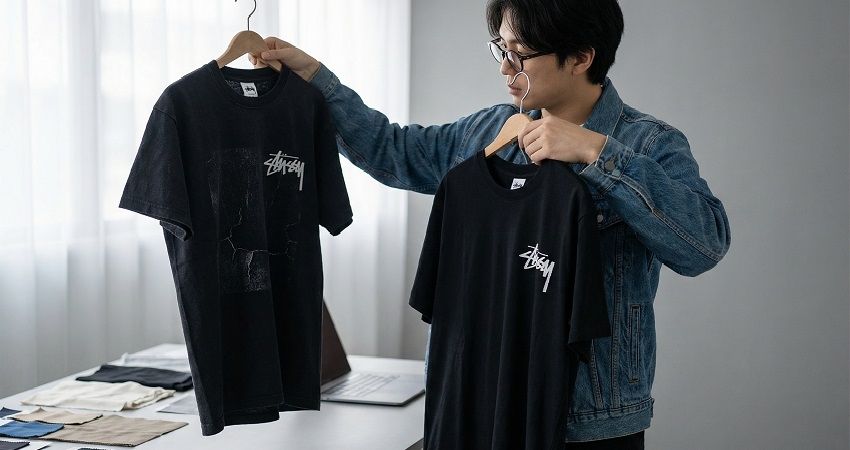
The biggest downside of POD is usually quality control. Many generic print shops use stiff, cheap shirts that feel like cardboard. You cannot build a fashion brand on a bad product.
You need a supplier that specializes in apparel. Platforms like PODpartner are a strong choice here because they focus on the fashion side of things. They offer higher quality garments and better prints than the generalist "merch" printers. If you want to sell premium streetwear or heavy-weight hoodies without buying inventory, you need a partner that understands fabric weight and fit.
Rule #1: Always order samples. Never sell something you haven't washed and worn yourself.
Storefront, Sales Channels, and Launch Strategy
You have the product. Now you need the shop.
Own Your Land
Marketplaces like Etsy are fine for testing, but you are renting space on someone else's land. They can change their fees or ban your shop overnight.
- The Goal: Build your own site using Shopify or WooCommerce. You want to own your customer list and control the experience.
- The Look: Your website needs to look professional. Blurry photos are a dealbreaker. If your site looks sketchy, people won't put their credit card info in.
The Launch
Don't just open the doors and hope people show up. They won't.
- Soft Launch: Open the store to a few friends first. Make sure the checkout works. Make sure the shipping notifications go out.
- The Drop: Create urgency. Instead of having everything available all the time, release products in "drops" or limited collections. It gives people a reason to buy now.
Marketing, Customer Growth, and Scaling
You are now a marketer first and a designer second.
Organic Marketing
Social media is non-negotiable. But stop trying to be everywhere. Pick one platform where your customers actually hang out. If you sell to Gen Z, go to TikTok. If you sell to professionals, maybe it's LinkedIn or Instagram. Post content that adds value or entertains, don't just post pictures of your product saying "buy this."
Influencers and Seeding
People are more likely to trust other people than they are to trust companies. Locate minor influencers who really match your taste. Give them some free stuff. Immediately avoid requesting something in exchange. Should the goods be excellent, they will wear them. Should they wear it, their fans will inquire where they purchased it.
Customer Service
This is your secret weapon. Big companies have terrible, robotic customer service. You can be human.
- Answer emails fast.
- Fix problems without arguing.
- Treat every customer like a VIP.
When to Scale
Not rush. Develop at a rate you can manage. Think about paid advertisements or mass production once you have a constantly winning product. Do not, nevertheless, pay for advertisements until you are certain your goods sells naturally.
Conclusion
Starting a fashion company from home is absolutely doable but requires guts. The low entry threshold translates to fierce rivalry.
Being exact gets you win. You win by valuing quality more than the next person. Treating your clients like gold will win for you.
Quit counting on the ideal design or the ideal moment. It doesn't exist. Carry out the study, request the samples, then debut the website. To understand this company, one has to be in it.
Further reading

No Order Minimums

No Membership Fees

No Unsold Stock

No Quality Concerns
Only Creativity, Satisfaction, and Profits!