
 USD
USD
Jumbo DTG vs. All-Over Print: The Strategic Choice for High-End Streetwear Brands

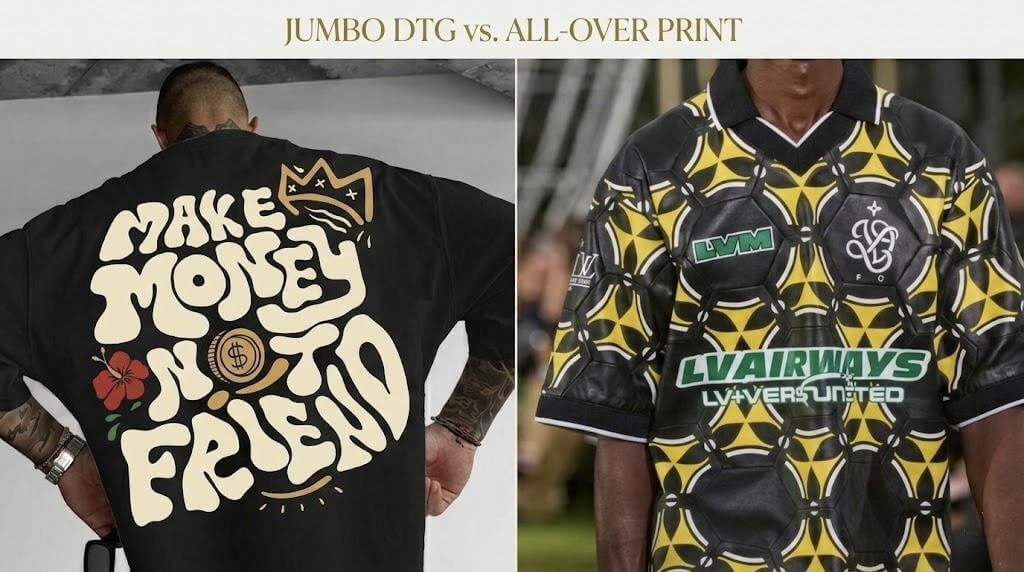
Streetwear is a war of visions. The fabric weight you choose is your foundation. Your fit is your silhouette. But it is the print that stops the scroll and causes the double-take.
In the landscape of modern fashion, oversized designs have become the uniform of the street. Massive front prints, inflated logos, and highly detailed artwork that overwhelm a 240 GSM tee are the new standard. Simultaneously, All-Over Prints (AOP) have found their niche in the more daring, avant-garde corners of the industry.
However, selecting between All-Over Print and Jumbo DTG is not merely choosing a decorative technique. You are specifying how your brand will feel in the hand, how it will scale, and how quickly you can release fresh heat to the market.
At PODpartner, we have made a strategic decision to focus exclusively on Jumbo DTG. This was not a choice made lightly; it was a choice made based on the data, the trends, and the undeniable shift toward heavyweight luxury cotton.
Let's dive into the industrial reality of these two methods.
I. The Technical Divide: Panel Dominance vs. Seamless Wrap
To understand which method aligns with your brand, you must first understand the mechanical reality of how the ink meets the fabric.
The Mechanics of Jumbo DTG
Direct-to-Garment (DTG) printing has evolved. People are no longer talking about small, A4-sized prints centered on a chest. PODpartner has launched Jumbo DTG.
At PODpartner, we have pushed this technology to its absolute limit, offering a massive 24″ × 24″ (61cm x 61cm) print area—3 times larger than industry competitors (who typically offer sizes of 12″ × 16″).
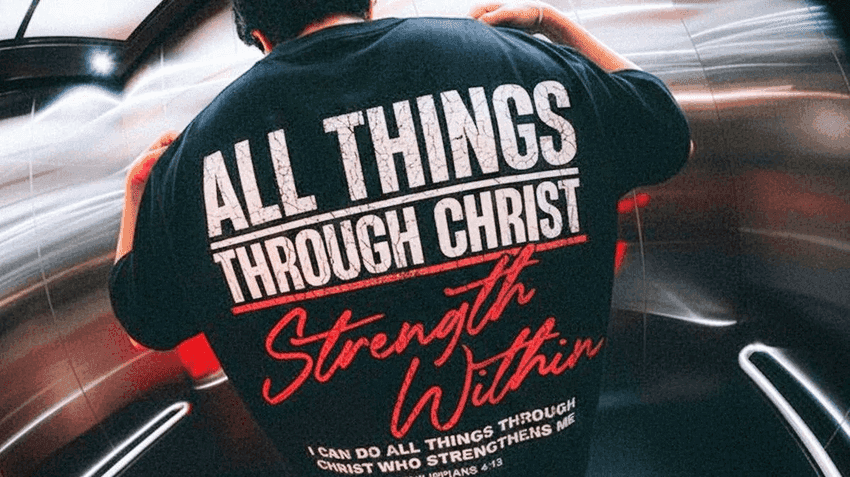
This isn't just "large"; it is a canvas that covers the entire back or front panel of even our largest oversized hoodies. This industry-leading scale is achieved using the Brother GTX600, the gold standard in mass-production DTG technology. Unlike entry-level machines, the Brother GTX600 is engineered for industrial throughput and precision. It utilizes advanced print heads that can lay down a high volume of water-based ink with microscopic accuracy.
The process is fast, precise, and chemically advanced. The cloth is pretreated, laid on a platen, printed digitally by the GTX600, and heat-cured. Because the inks are water-based, they adhere into the fibers rather than sitting on top of them like a plastic shield (screen print) or dyeing the fabric synthetically (sublimation).
The Mechanics of All-Over Print (AOP)
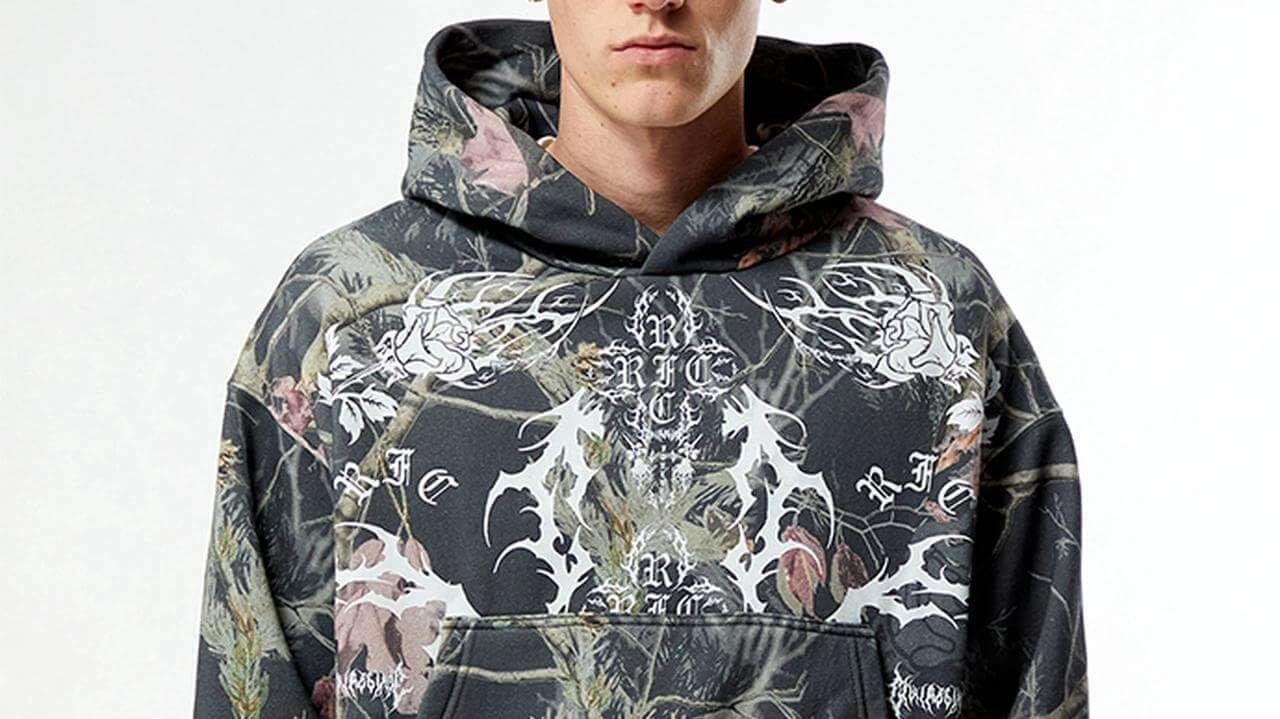
All-Over Printing is fundamentally a "Cut-and-Sew" method. In this workflow, the artwork is printed onto a massive roll of white fabric before the clothing is even constructed. The pattern pieces (sleeves, body, hood) are then cut from this printed fabric and stitched together.
This allows the design to flow continuously across seams, over the shoulders, and around the body. It provides thorough coverage and full saturation. However, it introduces a massive layer of production complexity that often forces a compromise on the fabric itself.
II. The Fabric Ecosystem: Cotton Purity vs. Synthetic Necessity
This is where the battle is won or lost for most luxury streetwear brands. The "hand feel" of the garment is the single most important factor in customer retention.
The Cotton Supremacy of Jumbo DTG
Jumbo DTG is the natural ally of heavyweight cotton. It thrives on the very fabrics that define the genre.
At PODpartner, our entire supply chain is built around the "400+GSM Ecosystem." We knit our own heavyweight cotton fabrics in China's Premier Textile Hub.
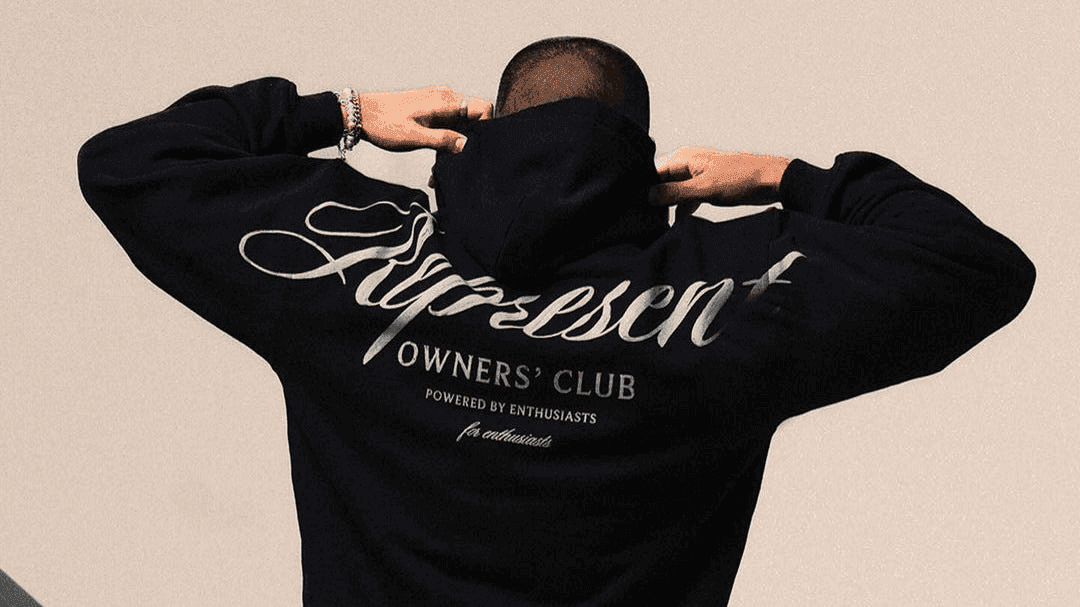
Because PODpartner utilizes the Brother GTX600, we can take these premium, ultra-dense cotton blanks and apply massive 24″ × 24″ graphics without sacrificing the fabric's integrity. The machine's advanced Innobella Textile inks are water-based and Eco-Passport certified. This means the garment remains breathable. The print does not feel like a sticker; it feels like part of the shirt. This alignment between the print method and the raw material is why Jumbo DTG has become the standard for luxury streetwear.
The Polyester Trap of AOP
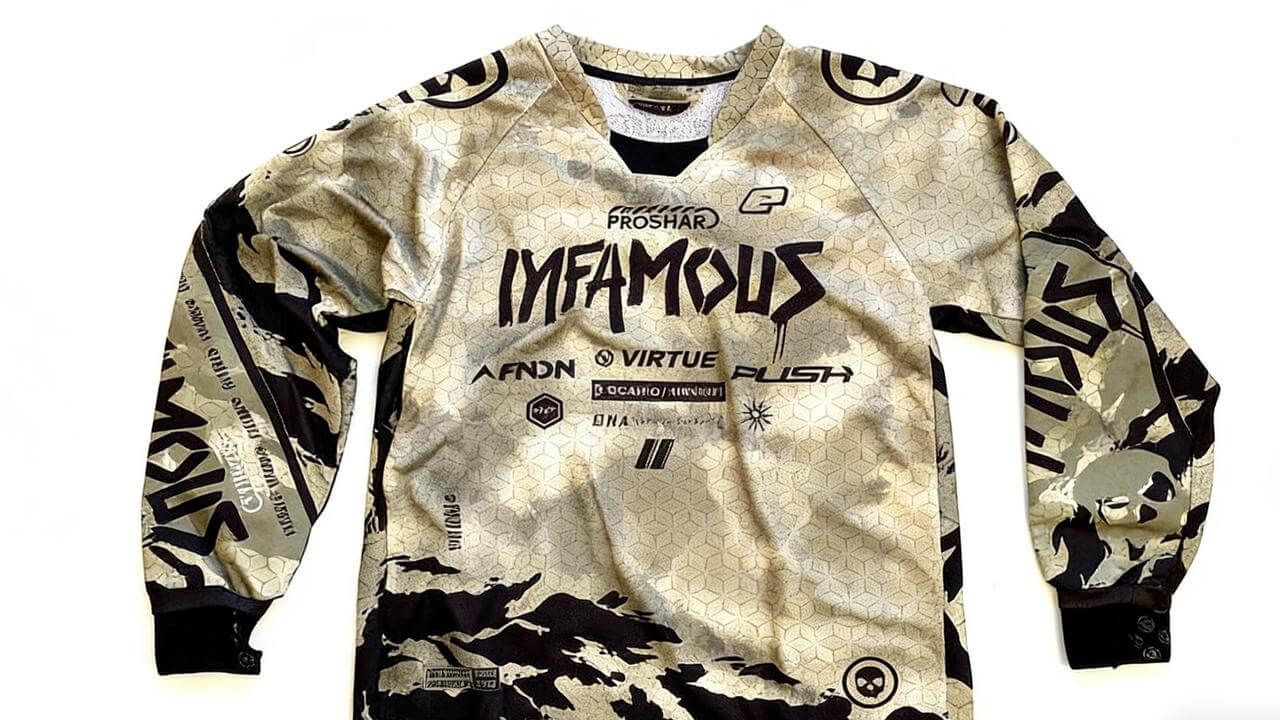
The most common method for All-Over Print is dye sublimation. Sublimation is a chemical process where heat turns ink into gas, which then bonds with the fabric. The catch? It only bonds effectively with polymers.
This means that to get a vibrant, true-to-color All-Over Print, you are almost forced to use 100% polyester or a high-poly blend.
For a performance brand like Nike or a jersey manufacturer, this is fine. But for a streetwear brand trying to compete with Stussy, Fear of God, or Supreme? It is a death sentence.
Streetwear enthusiasts demand cotton. They want the weight, the drape, and the natural aging process of a 400+GSM French Terry or Fleece. AOP garments often feel "slippery," "shiny," or "athletic," which immediately signals a lower perceived value in the high-end street market.
III. Visual Philosophy: The Statement vs. The Pattern
Beyond the technical specs, there is a design philosophy at play.
The "Billboard" Effect (Jumbo DTG)
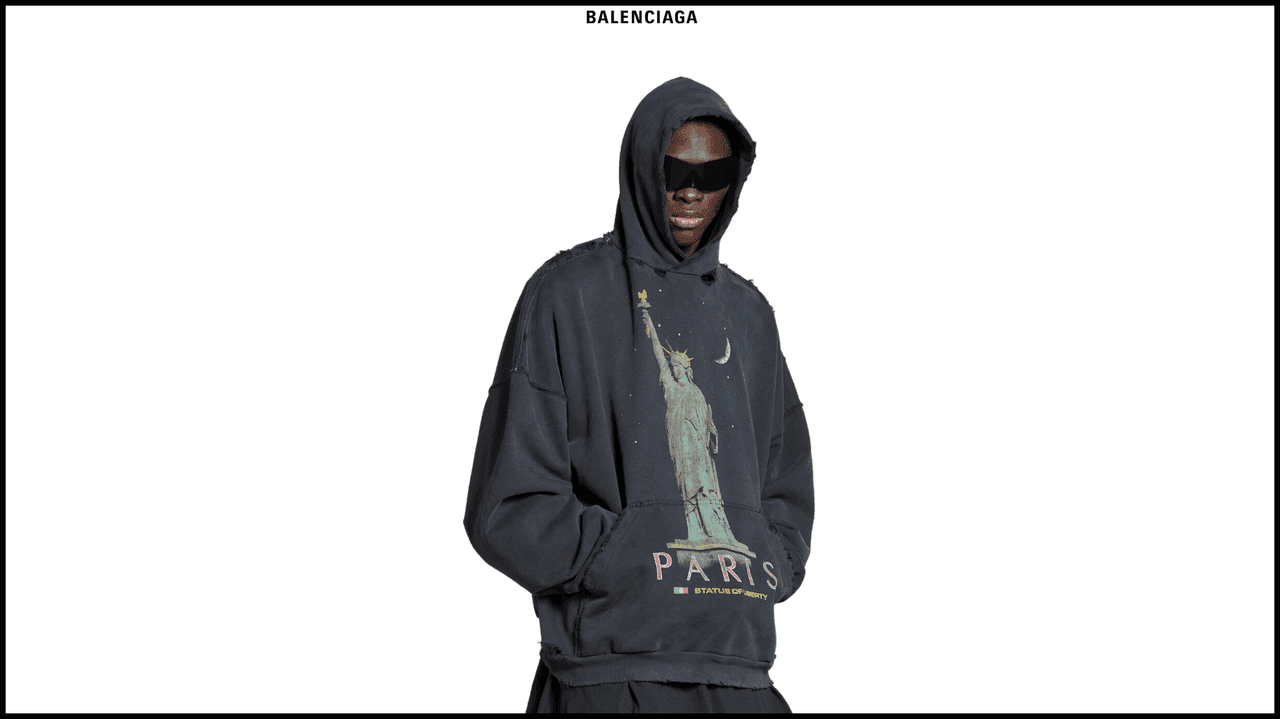
Big, huge front graphics are not just a fad; they are the language of streetwear. A giant print on a structured cotton tee creates an instant impact. It takes pictures well, it appears brash, and it is deliberate.
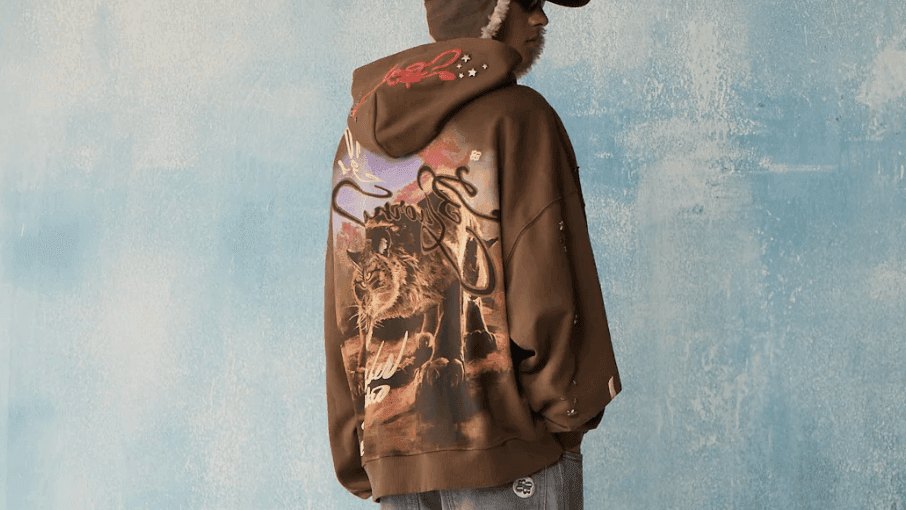
With a 24″ × 24″ canvas, you have the freedom to create a "Billboard" effect on the back of a hoodie that is visible from a block away. This is the aesthetic Jumbo DTG champions. It allows you to take scale to the limit without losing softness. You can print detailed art, stacked gradients, textured drawings, and complicated typography. It frames the artwork like a painting on a canvas. The constraints of the panel (front or back) actually help focus the eye, creating a strong central visual hierarchy that is the hallmark of brands like Off-White or Balenciaga.
The "Immersion" Effect (AOP)
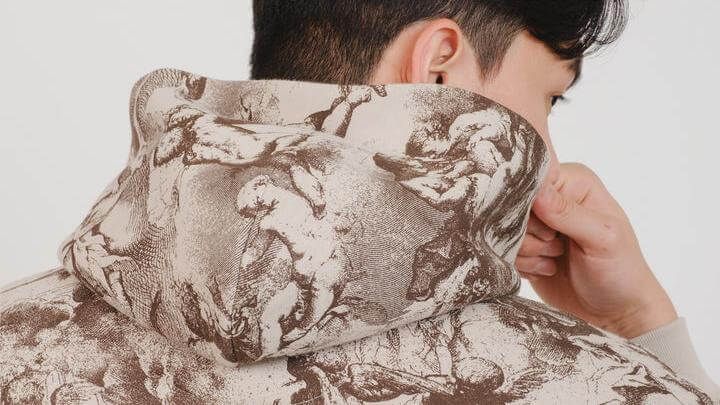
All-Over Print is the choice when you want to develop an idea based on repetition or total immersion. Think of BAPE's camo or chaotic collage art. It removes the boundaries of the panel.
However, there is a reality check needed here. Many AOP pieces look incredible in a digital mockup on Instagram but are disappointing in real life. When the seams don't align perfectly (which is incredibly difficult to do in mass production), the illusion breaks. Furthermore, the "busy" nature of AOP can sometimes limit the wearability of the garment, turning it into a "costume" rather than a daily staple.
IV. The Supply Chain Advantage: Agility in the Era of Fast Drops
In 2026, speed is currency. The ability to react to a trend, create a design, and ship it within days is what separates the winners from the losers.
The Sluggishness of AOP
AOP requires heavy coordination. You are not just printing; you are manufacturing a garment from scratch for every order.
- Print the fabric roll.
- Laser cut the pattern pieces.
- Sort and bundle the pieces.
- Sew the pieces together.
- Quality check the alignment.
This process is slow. It is expensive. And it usually requires high Minimum Order Quantities (MOQs) to make financial sense. If you spot a trend on TikTok today, you might not be able to get an AOP collection out for weeks or months.
The Velocity of Jumbo DTG
Jumbo DTG is agile. At PODpartner, we keep a massive inventory of our pre-manufactured, self-owned heavyweight blanks (hoodies, tees, joggers) ready to go.
When an order comes in, or when you decide to launch a "shock drop," we simply pull the blank and print.
There is no cutting. There is no sewing. There is just high-speed, industrial printing.
This allows for "Just-in-Time" manufacturing. You can launch small batches. You can try new graphics without committing to a large-scale cut-and-sew run. This freedom is not just a luxury; for a startup or a scaling brand, it is survival.
V. The PODpartner Difference: Vertical Integration as the Equalizer
Why does PODpartner exclusively concentrate on Jumbo DTG? Because we are not a broker; we are a manufacturer.
The "Broker" problem in the industry is that most print shops are just buying blank t-shirts from a distributor and printing on them. They have no control over the fabric.
We built a Vertically Integrated Supply Chain in China's Premier Textile Hub.
We own the knitting machines that make the fabric.
We own the dyeing house that creates the color.
We own the Brother GTX600 machines that print the art.
Because we control the fabric production, we have engineered our cotton specifically to be the perfect canvas for Jumbo DTG. We use a specific enzyme wash to smooth the surface of the cotton, removing microscopic fuzz that could interfere with the print head. This results in a print clarity and vibrancy that generic print shops simply cannot achieve.
In the AOP world, you are often at the mercy of the fabric supplier. In the PODpartner Jumbo DTG world, the fabric and the print are engineered together.
VI. Durability and The "Vintage" Factor
A common misconception is that AOP lasts longer because it is dyed into the fabric. While sublimation is durable, the garment itself (usually polyester) often degrades in quality, pilling and snagging over time.
Jumbo DTG, when executed correctly, ages like fine wine.
We use industrial tunnel dryers to cure our prints. This ensures the ink creates a permanent bond with the cotton fibers.
As the customer washes and wears the hoodie over months and years, the print will not crack like cheap plastisol. Instead, it will gradually soften and distress, acquiring that sought-after "vintage" character.
This is the "Stussy Standard"—a garment that looks better the more you beat it up. This emotional connection between the wearer and the garment is only possible with natural fibers like cotton, and Jumbo DTG is the only way to print big on cotton.
VII. How to Select the Right Choice for Your Brand
It is not a case of Jumbo DTG vs. All-Over Print in a vacuum. It is about alignment with your brand identity.
Choose PODpartner Jumbo DTG If:
- Your brand is positioned as "Luxury Streetwear" or "Essentials."
- You prioritize heavyweight fabrics (300GSM Tees, 440GSM Hoodies) and 100% cotton composition.
- Your design aesthetic relies on strong, central graphics, typography, or photo-realism.
- You need the maximum visual impact of a 24″ × 24″ print area.
- You need the agility to test designs quickly and scale without inventory risk.
Choose All-Over Print If:
- Your brand is positioned as "Avant-Garde" or "Performance Wear."
- You are willing to use synthetic blends or polyester fabrics.
- Your designs are pattern-based, chaotic, or require seamless continuity across the body.
- You have the budget and timeline to manage a complex cut-and-sew supply chain.
VIII. Frequently Asked Questions
Q1: Why do luxury streetwear brands prefer Jumbo DTG over All-Over Print?
A: Luxury streetwear brands prioritize fabric quality above all else. They demand heavyweight, 100% cotton garments (often 400+GSM) for their structure and hand-feel. All-Over Print (AOP) typically requires polyester or synthetic blends for the sublimation process to work, which results in a cheaper, athletic feel. Jumbo DTG allows brands to print massive, impactful graphics directly onto premium cotton without sacrificing the luxury quality of the fabric.
Q2: What is the maximum print size for PODpartner's Jumbo DTG?
A: PODpartner offers an industry-leading maximum print size of 24″ × 24″ . This massive print area allows for full-back or full-front coverage on even the largest oversized garments, creating a visual impact that standard A3 printers cannot match.
Q3: What equipment does PODpartner use for Jumbo DTG?
A: PODpartner utilizes the Brother GTX600, the most advanced industrial DTG printer on the market. This machine is specifically designed for mass production, delivering higher resolution, better color vibrancy, and faster speeds than standard commercial printers.
Q4: Is Jumbo DTG durable for heavyweight hoodies?
A: Yes. When manufactured in a vertically integrated facility like PODpartner's, Jumbo DTG is extremely durable. The water-based inks are heat-cured in industrial tunnel dryers, bonding them to the cotton fibers. Unlike screen printing which can crack, or vinyl which can peel, Jumbo DTG prints move with the fabric and develop a desirable vintage aesthetic after repeated washing.
Q5: Can I do All-Over Printing on 100% Cotton?
A: It is technically possible using reactive printing, but it is prohibitively expensive and requires massive Minimum Order Quantities (MOQs) that are out of reach for most brands. The standard "Print-on-Demand" AOP is almost exclusively done on polyester. For brands that want the look of a large print on cotton without the massive MOQs of reactive printing, Jumbo DTG is the only viable commercial solution.
Conclusion: The Power of Focus
The best brands do not pursue all techniques that are offered. They double down on what sustains their identity.
If you are building a brand in 2026, you are likely building it on the back of the "Heavyweight Trend." You are selling structure, comfort, and status.
All-Over Print belongs to the immersive, patterned design niche. It has its place.
But Jumbo DTG is the precise instrument for the modern streetwear titan. It aligns with the fabric you need. It aligns with the speed you need. And when you partner with a manufacturer like PODpartner, you obtain consistency, scalability, and a system customized to oversized street aesthetics.
Do not fight the fabric. Let the cotton breathe, and let the Jumbo print speak.
Further reading

No Order Minimums

No Membership Fees

No Unsold Stock

No Quality Concerns
Only Creativity, Satisfaction, and Profits!