
 USD
USD
How Made-to-Order Branding Turns POD Products into Real Brands

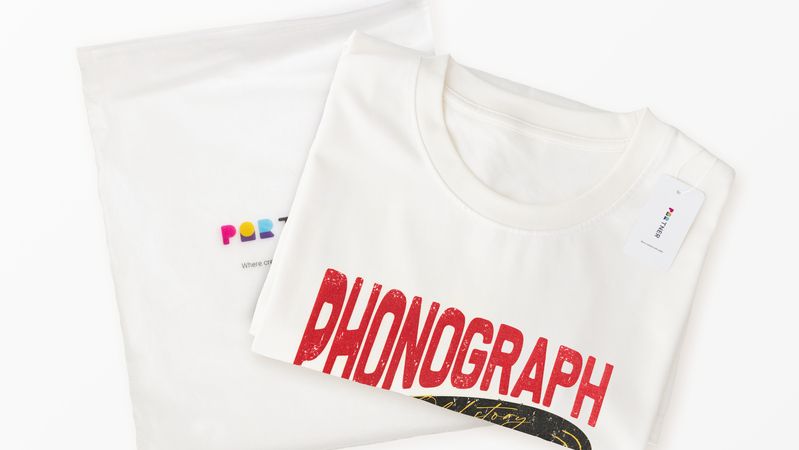
In the rapidly evolving print-on-demand industry, building a distinctive brand identity has become more crucial than ever for business success. Your hang tags, labels, and packaging aren't just functional necessities – they are powerful, tangible brand ambassadors. These physical touchpoints create the first and most lasting impression on your customers, transforming a generic product into a recognizable brand experience.
While traditional POD platforms have revolutionized product customization, they often fall short when it comes to enabling truly personalized, accessible, and risk-free brand materials like these essential components. The difference between a successful POD business and one that struggles to stand out often lies in the details – the small but significant branding elements that communicate quality, professionalism, and brand values at every customer touchpoint.
The Hidden Limitation of Traditional POD Platform
Most established POD companies like Printful and Printify do offer custom branding solutions, but they operate on a pre-purchase model. Brands must order their custom tags, inserts, and packaging materials in bulk quantities (typically 500+ units) and send them to the POD platform's warehouse for storage. When orders come in, the platform's fulfillment team picks and combines these pre-stocked brand materials with the printed products.
The Cost of Pre-Purchase of Brand Materials
The traditional POD's bulk pre-purchase approach creates several challenges for growing businesses:
- High upfront investment - Large minimum orders tie up capital before seeing any sales. For a startup testing multiple product lines, this could mean investing thousands of dollars in branding materials before understanding which products will actually sell. This upfront cost barrier prevents many entrepreneurs from implementing professional branding from day one.
- Storage and handling fees - Ongoing warehouse costs for storing your brand materials add up quickly. Most POD platforms charge monthly storage fees, and these costs continue whether your products are selling or sitting idle. Over time, these fees can significantly eat into profit margins, especially for seasonal businesses or those with fluctuating demand.
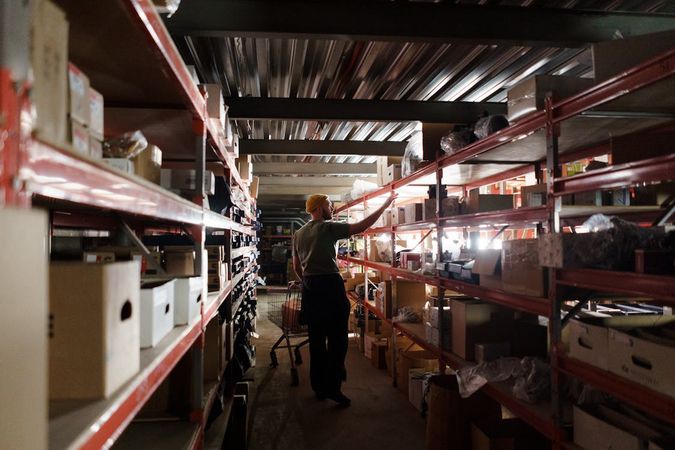
- Market adaptation challenges - When trends shift or brand strategies evolve, pre-purchased materials can become obsolete, resulting in significant waste costs. In the fast-moving fashion and lifestyle markets, what resonates with customers today might be outdated in six months. Brands often find themselves stuck with hundreds of irrelevant hang tags or packaging materials that no longer align with their evolved brand message.
- Cash flow pressure - Money locked in inventory that may sit unused for months creates serious cash flow challenges. This is particularly problematic for small businesses that need flexibility to respond to market opportunities or invest in marketing and product development.
A Revolutionary Approach: True Made-to-Order Branding
The fundamental difference lies in when and how branding materials are produced. Traditional POD requires pre-production and storage, while true made-to-order branding produces every element only when an actual order is placed.
True Made-to-Order vs. Traditional POD Branding
| Aspect | Traditional POD | Made-to-Order Branding |
|---|---|---|
| Production Timing | Pre-production required | Produced only when ordered |
| Sourcing supplier | Required; Order in bulk | Supplied in-house; No MOQ |
| Minimum Orders | 500+ units typical | Single unit capable |
| Inventory Risk | High - materials can become obsolete | Zero - no pre-production |
| Cash Flow | Capital tied up in inventory | Cash remains liquid |
| Design Flexibility | Limited by existing inventory | Unlimited variations possible |
| Speed to Market | Weeks to months | Days |
| Storage Costs | Monthly warehouse fees | No storage required |
| Waste Risk | High - unused materials | Zero waste |
Why Made-to-Order Branding is the Future of Your Brand Success
1. Break Free from Inventory Prison: Zero-Risk Brand Building
- Complete Inventory Elimination: No pre-production of any brand components means your cash stays liquid and available for growth opportunities. Instead of tying up capital in materials that might become obsolete, you can invest in marketing, product development, or expanding your product line.
- No Minimum Order Quantities: Single unit branding production capability allows you to test new designs, seasonal variations, or market-specific adaptations without financial commitment. You can launch a new product line with complete branding for just one unit, validating market demand before scaling.
- Financial Freedom: Test multiple brand variations without upfront investment. Want to try different hang tag designs for different product categories? No problem. Considering seasonal packaging variations? Test them immediately. This freedom accelerates innovation and reduces the fear of making branding mistakes.
- Rapid Brand Evolution: Change branding strategies without wastage. As your brand matures and your understanding of your target market deepens, you can evolve your branding materials instantly. No more being stuck with outdated materials that no longer represent your brand vision.
- Global Scalability: Deploy new brand elements worldwide instantly. Whether you're expanding to new markets or adapting your message for different regions, made-to-order branding allows immediate global deployment without the complexity of managing multiple inventory locations.
2. Unlimited Creative Freedom
- Unlimited Design Variations: Test different label and tag designs per product line without inventory constraints. A streetwear brand might use edgy, bold designs for their urban collection while employing minimalist, clean designs for their premium line – all without ordering separate inventory batches.
- Trend Responsiveness: Move from brand concept to market in days, not months. When new trends emerge or cultural moments create opportunities, you can adapt your branding immediately rather than waiting for inventory cycles to complete.
- Personalization at Scale: Individual customer branding becomes possible. Imagine offering customers the option to personalize their hang tags with their names or custom messages – something impossible with pre-ordered materials but seamless with made-to-order production.
- A/B Testing Freedom: Compare different branding approaches risk-free. Split-test different packaging designs, hang tag messages, or color schemes to see what resonates most with your customers. This data-driven approach to branding optimization was previously only available to large corporations.
3. Data-Driven Brand Development and Real-Time Optimization
- Live Performance Metrics: Track which brand elements drive conversions and customer satisfaction. Modern made-to-order platforms provide analytics showing how different branding choices impact customer behavior, return rates, and review scores.
- Customer Feedback Integration: Iterate branding based on actual user response rather than guesswork. When customers provide feedback about packaging or branding elements, you can implement changes immediately for future orders.
- Market Testing Capability: Validate new brand directions without inventory risk. Planning a rebrand? Test new designs with small customer segments before committing to a complete brand overhaul.
- Seasonal Adaptability: Adjust branding for different campaigns instantly. Holiday-themed packaging, back-to-school messaging, or summer collection branding can be implemented and removed as needed without inventory considerations.
- Regional Customization: Adapt brand elements for different markets per order. International expansion becomes much more feasible when you can customize branding for local preferences, languages, or cultural considerations without managing separate inventory streams.
The most obvious advantage is complete inventory elimination. With no pre-production of any brand components, your cash stays liquid and available for growth opportunities. Instead of tying up thousands of dollars in materials that might become obsolete, you can invest in marketing, product development, or expanding your product line. This single-unit capability means you can launch a new product line with complete branding for just one unit, validating market demand before scaling.
Consider a streetwear brand that wants to test different aesthetics. With traditional POD, they'd need to order 500+ hang tags for their urban collection and another 500+ for their premium line, tying up capital before knowing which resonates with customers. Made-to-order branding allows them to use edgy, bold designs for urban pieces and minimalist, clean designs for premium items without any inventory commitment.
This flexibility extends to trend responsiveness. When new trends emerge or cultural moments create opportunities, you can adapt your branding immediately rather than waiting months for inventory cycles to complete. The recent surge in sustainability messaging, for example, allowed quick-moving brands to update their packaging instantly while competitors were stuck with outdated materials.
Perhaps most importantly, this approach enables real-time optimization based on actual customer behavior. When customers provide feedback about packaging or branding elements, you can implement changes immediately for future orders. Planning a rebrand? Test new designs with small customer segments before committing to a complete overhaul. This data-driven approach to branding optimization was previously only available to large corporations with massive budgets.
Branding Touchpoints That Define Your Brand Identity
Essential Branding Touchpoints
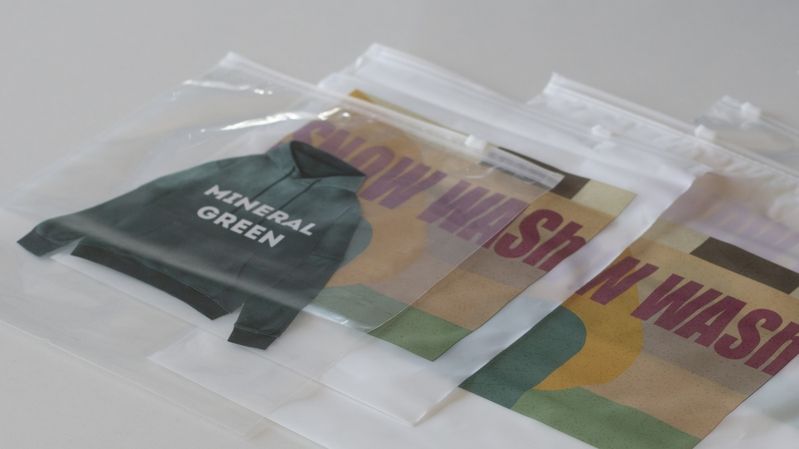
Packaging Bags: The First Impression Maker
Your packaging bag is often the first physical interaction customers have with your brand. It sets expectations for everything that follows and can single-handedly elevate the perceived value of your product.
What typically goes on packaging bags:
- Brand logo and tagline
- Website or social media handles
- Care instructions or brand messaging
- Sustainable packaging information
- Return/exchange information
Brand impact: Professional packaging immediately communicates quality and attention to detail. It transforms the unboxing experience from mundane to memorable, encouraging customers to share their experience on social media and creating organic marketing moments.
How PODpartner supports customization: PODpartner allows you to upload custom designs for packaging bags in various sizes and materials. You can create different designs for different product categories or seasonal collections, with each bag printed on-demand to match your current branding strategy.
Hang Tags: The Brand Story Teller
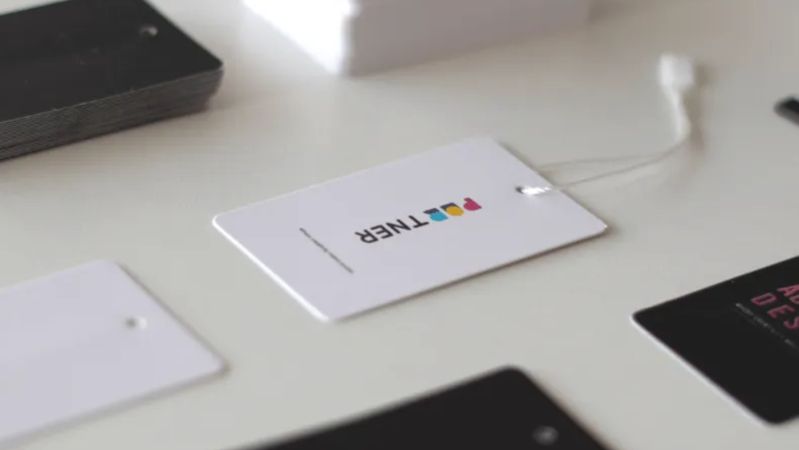
Hang tags serve as miniature billboards for your brand, conveying not just product information but your brand personality, values, and story in a small but impactful format.
What typically goes on hang tags:
- Brand logo and product name
- Size, material, and care information
- Brand story or mission statement
- Sustainability credentials
- QR codes linking to digital experiences
- Social media handles for community building
Brand impact: Well-designed hang tags communicate professionalism and build brand recognition. They're often kept by customers as bookmarks or reference materials, extending your brand's presence beyond the initial purchase. High-quality hang tags also justify premium pricing by suggesting superior product quality.
How PODpartner supports customization: Create hang tags in multiple sizes and materials, from eco-friendly kraft paper to premium cardstock. Design different hang tags for different product lines, seasonal collections, or target demographics. Include variable data like product-specific information or personalized messages.
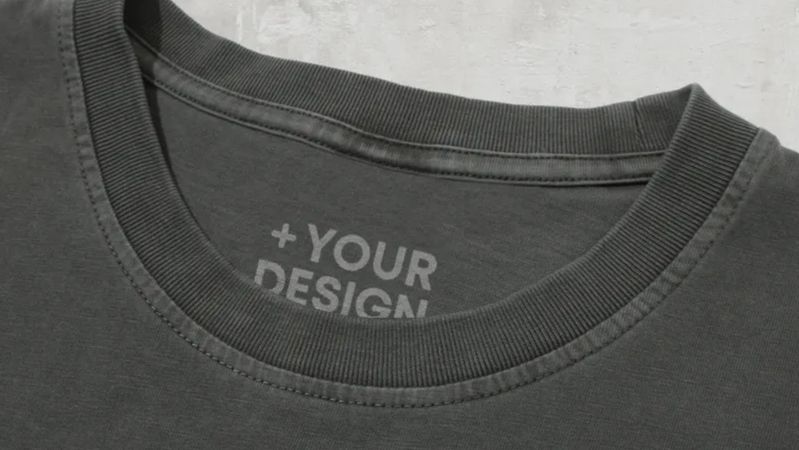
Neck Label: Your Silent Brand Ambassador
Neck labels are perhaps the most intimate brand touchpoint, staying with the garment throughout its lifetime and serving as a constant, subtle reminder of your brand.
What typically goes on neck labels:
- Brand logo (often simplified for small format)
- Size designation
- Care symbols and instructions
- Country of origin
- Fabric composition
- Brand website or contact information
Brand impact: Custom neck labels eliminate the generic POD provider branding that can cheapen the perceived value of your products. They create a seamless brand experience and build long-term brand recognition every time the customer wears the item.
How PODpartner supports customization: Design neck labels that complement your hang tags and packaging for consistent brand experience. Choose from various materials and printing techniques to match your brand aesthetic. Create size-specific designs or include care instructions in multiple languages for international markets.
Proven Results of Made-to-Order Branding Implementation
1. Standing Out in a Crowded Marketplace
The print-on-demand market has seen explosive growth, with thousands of new sellers entering the space monthly. Market research indicates that over 80% of POD products lack distinctive branding, creating a massive opportunity for brands that invest in professional presentation.
The Commoditization Trap: Without distinctive branding, POD products become commodities competing solely on price. This race to the bottom destroys profit margins and makes long-term business sustainability nearly impossible. Products with strong branding can command 15-40% higher prices than identical unbranded alternatives.
Breaking Through the Noise: Professional branding creates instant differentiation in crowded marketplaces. When customers scroll through hundreds of similar products, branded items with professional packaging and presentation immediately stand out, increasing click-through rates and conversion rates.
2. Building Loyalty That Drives Repeat Business
The Psychology of Brand Attachment: Consistent, professional branding creates emotional connections that transcend the product itself. Customers begin to associate positive experiences with your brand identity, making them more likely to return for future purchases and recommend your products to others.
The Trust Factor: Consistent branding across all touchpoints builds credibility and trust. Customers perceive branded products as more reliable and higher quality, reducing return rates and increasing customer satisfaction scores.
Retention Rate Impact: Studies show that branded POD products enjoy 2-3x higher customer retention rates compared to generic alternatives. The investment in branding pays dividends through increased lifetime customer value and reduced customer acquisition costs.
3. Commanding Higher Margins Through Perceived Value
Price Elasticity and Brand Premium: Professional branding allows you to charge premium prices by shifting the conversation from price to value. Customers willingly pay more for products that feel special, exclusive, or aligned with their personal identity.
Justifying Higher Margins: Quality branding signals quality products, allowing you to position your offerings in higher price tiers. The cost of adding professional branding is minimal compared to the pricing premium it enables.
Long-term Value Creation: While generic products compete in a commoditized market with shrinking margins, branded products build lasting value that compounds over time. Strong brands become assets that appreciate, creating sustainable competitive advantages.
Conclusion
PODpartner's made-to-order branding represents a fundamental shift in how POD businesses can build powerful brand identities. By eliminating inventory risk, upfront costs, and storage fees, this approach democratizes professional branding and makes it accessible to businesses of all sizes. The ability to test, iterate, and optimize branding elements in real-time creates unprecedented opportunities for brand development and customer connection.
Your hang tags, labels, and packaging are not just functional necessities – they are your brand ambassadors, working 24/7 to communicate your values, build trust, and create memorable experiences. In a marketplace flooded with generic products, professional branding is no longer a luxury; it's a necessity for survival and growth.
The future belongs to brands that can move quickly, adapt constantly, and create meaningful connections with their customers. Made-to-order branding provides the tools and flexibility to build that future, one perfectly crafted touchpoint at a time.
Ready to transform your POD business with professional branding that grows with you? The revolution starts with your next order.

No Order Minimums

No Membership Fees

No Unsold Stock

No Quality Concerns
Only Creativity, Satisfaction, and Profits!