
 USD
USD
Streetwear Brands Can Use Customization to Build a Participatory Culture

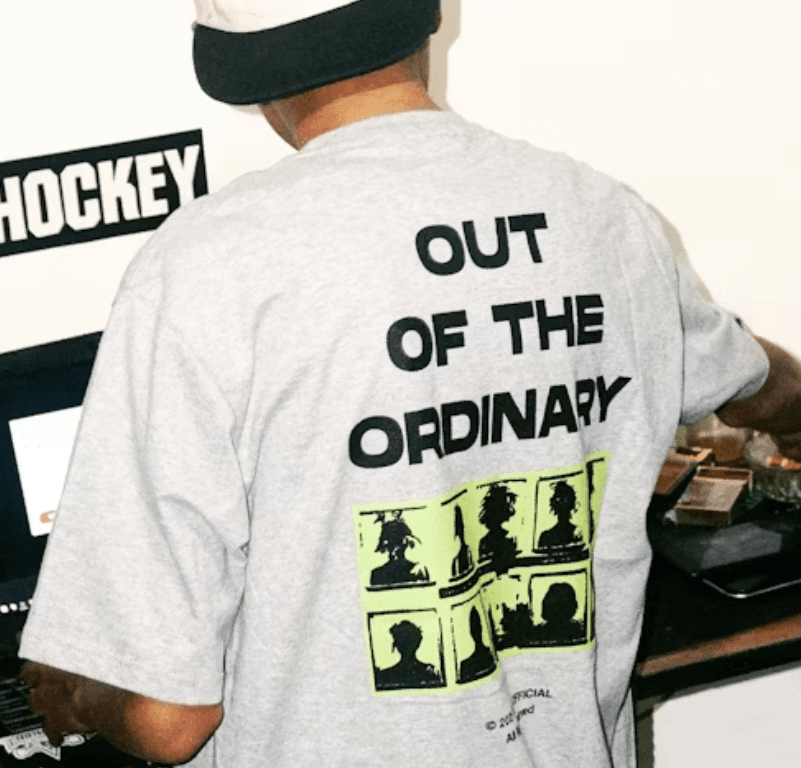
For years, brands saw consumers as passive receivers of their products and marketing. But a fundamental shift is happening. The rise of a culture of participation is turning consumers into active creators, contributors, and evangelists for the brands they love. This new model is especially effective for streetwear, as its culture is built on a foundation of individuality and community.
A culture of participation offers immense value. It forges a stronger brand identity. When consumers feel they're part of a brand's story, their emotional connection transcends a simple transaction. They develop a sense of belonging that dramatically boosts loyalty. This loyalty isn't fragile; it's rooted in shared values and creative collaboration. Ultimately, these engaged users become your most powerful marketers. Their spontaneous, enthusiastic sharing on social media generates authentic word-of-mouth that money can't buy.
Customization as the Entry Point for Consumer Participation
In 1994, Supreme founder James Jebbia didn't just open a skate shop in NYC. He tapped into the raw energy of skate culture, transforming buyers into a vibrant community. People didn't simply wear the iconic box logo; they lived the brand by skating in it, showcasing it on forums like NikeTalk, and sharing their stories. This culture of participation turned a niche label into a beloved streetwear icon, proving that when fans own the vibe through engagement, loyalty becomes a legend. Ultimately, they didn't just want to buy a brand; they wanted to use it to express their identity.
Today, as the market gets more crowded, customization has become the new game-changer. This shift is particularly urgent for Gen Z, a demographic that makes up a significant portion of today's streetwear buyers. Raised in an era of infinite choice and constant digital connection, like the original Supreme community, they don't just want a brand; they want to use it to express their identity.
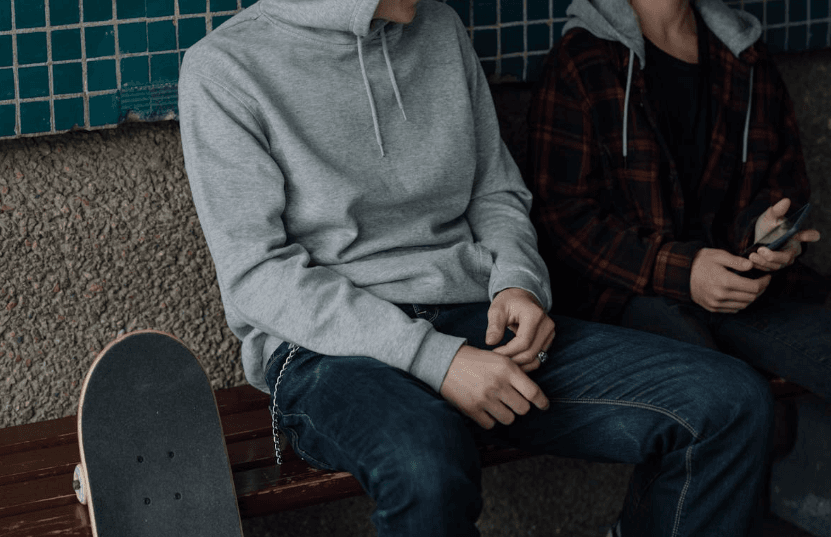
Customization meets this demand directly. Supreme's early success grew from a tight-knit community that embraced the brand's skate culture, fostering a sense of belonging through shared passion. Customization, by contrast, builds on this by offering personal ownership and self-expression, providing a scalable model for creating strong emotional connections. For example, Nike's long-running Nike By You program has thrived in streetwear because it lets consumers design sneakers and apparel with their own colors, graphics, and even text—transforming each item into a statement piece. Many designs from this program have gone viral, proving that when fans can personalize products, they proudly showcase them as part of their identity.
As a 2025 report by DemandSage indicates, 76% of consumers prefer personalized brands, a demand that directly fuels engagement in the streetwear space. By choosing unique colorways, adding personal graphics, or arranging patches on a hoodie or jacket, customers are able to create a personal statement. It's no longer just a purchase; it's an act of storytelling.
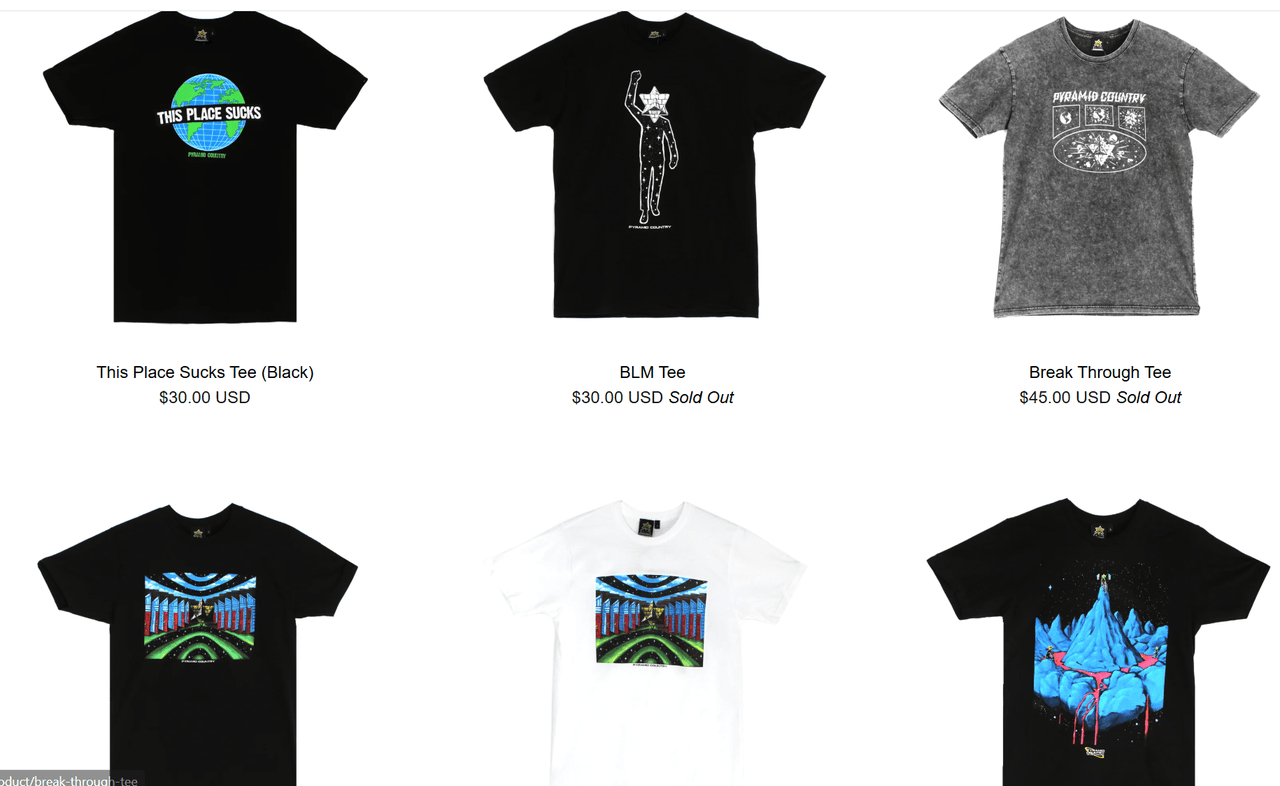
In the streetwear market saturated with "hype drops" and limited editions, true success lies in building a culture of participation that goes beyond a single transaction. While brands like Supreme have built empires on a foundation of scarcity, this approach remains the exception. Few brands can sustain demand through rigid drops alone, as their growth is tied to a select number of limited releases. By contrast, customization offers a repeatable and more democratic path to participation. For many vibrant but smaller brands, such as Pyramid Country, the struggle isn't a lack of cultural significance, but an operational challenge: their appeal rests on irreplaceable creative output that is difficult to maintain as a consistent growth engine. Customization provides a model that invites broader participation, offering a scalable way for these brands to build a sustainable, engaged community.
Using a POD Platform to Implement a Customization Strategy
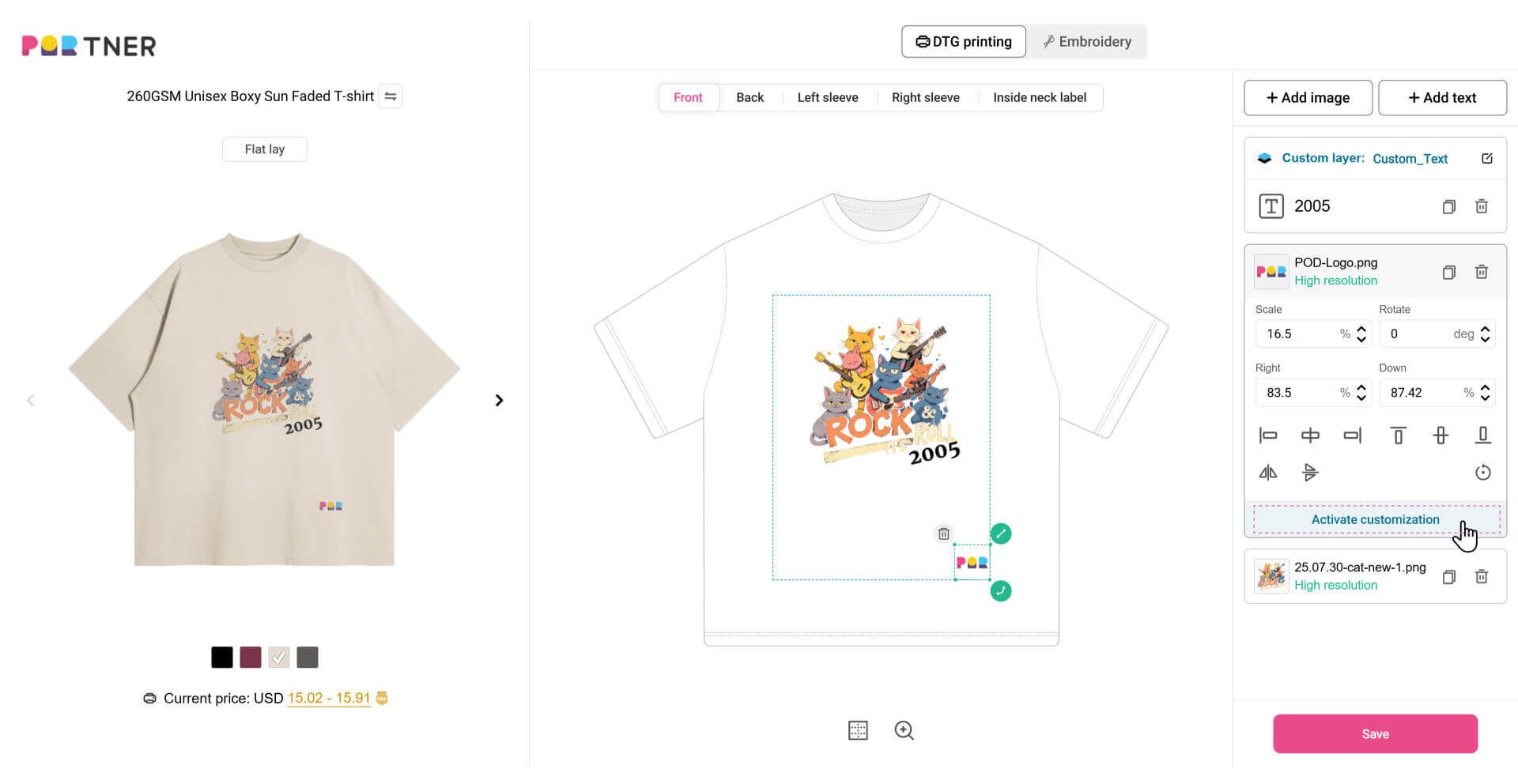
Customization is no longer just a brand strategy. It's a hands-on experience for consumers. Today's streetwear fans want to choose colors, add graphics, or even upload their own designs, making every piece a statement of identity. The challenge for brands is delivering this level of personalization without draining budgets or overloading operations. That's where POD platforms step in, turning consumer-driven customization into reality with tools tailored for independent creators.
Among them, PODpartner stands out, offering a streamlined setup that helps streetwear entrepreneurs scale co-creation with their buyers.
With PODpartner's built-in customization feature, you can pre-activate customized layers up to 14 different places. Inviting your customers to join in your brand's story, meanwhile protecting your branded design.
Strategies for Building a Culture of Participation with Customization Features
You can transform your brand from a product you buy into a platform for identity. The core of this strategy is using customization to strengthen the sense of self-expression your clothing provides, which in turn deepens emotional connection and builds lasting loyalty.
This collaboration turns every piece into a personal story, making your brand a tool for self-expression. Encourage fans to weave in life moments, like Palace's 2023 milestone tees where birthdates drove repeat purchases, or Stüssy's Fur Fam caps where pet photos sparked a viral Reddit thread. By allowing customers to use your products to express their identity, you strengthen their emotional connection to the brand.
To seal the deal, leverage user-generated content. Fear of God's 2021 Discord drop built loyalty through shared ownership, while Supreme's early forums elevated fan tweaks into resale legends. Off-White's 2020 Instagram "Wear It" campaign showed how identity-driven participation fuels lasting engagement, turning your most loyal users into powerful advocates.
Conclusion
In the dynamic world of streetwear, customization is more than a trend; it's a powerful tool for building a deeper connection with your audience. Customization turns customers into active creators, using products for personal expression and storytelling. This builds authentic loyalty rooted in participation rather than hype. By embracing customization, brands empower fans as collaborators and create a scalable, engaged community that extends far beyond a single transaction.
Further reading

No Order Minimums

No Membership Fees

No Unsold Stock

No Quality Concerns
Only Creativity, Satisfaction, and Profits!