
 USD
USD
Personal Brand Examples & Strategies for Creative Success

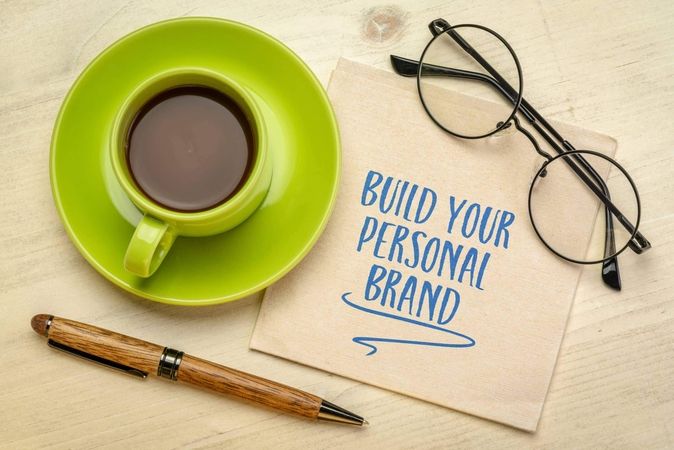
As an entrepreneur, creator, or expert in your field, having a personal brand is a must-have in today's era. With the widespread use of social media platforms, having your own personal brand gives you a competitive edge among your peers.
By looking at personal brand examples of successful individuals and using them as a blueprint, you can create your very own personal brand that will help you stand out and not be overlooked.
You will find common traits among these personal brands, such as authenticity, consistency, and a very clear proposition. A personal brand having these traits helps convey that the work is personalized and focused on specific niches.
In this article, we will go through proven strategies of well-known and established personal brands, and go through the steps of how you can build your own personal brand from scratch.
Top-Tier Personal Brand Examples for Diverse Industries
Before going through the steps of building a personal brand, let us look at the examples of personal brands of some successful individuals.
1. Gary Vaynerchuk – Entrepreneurship & Marketing
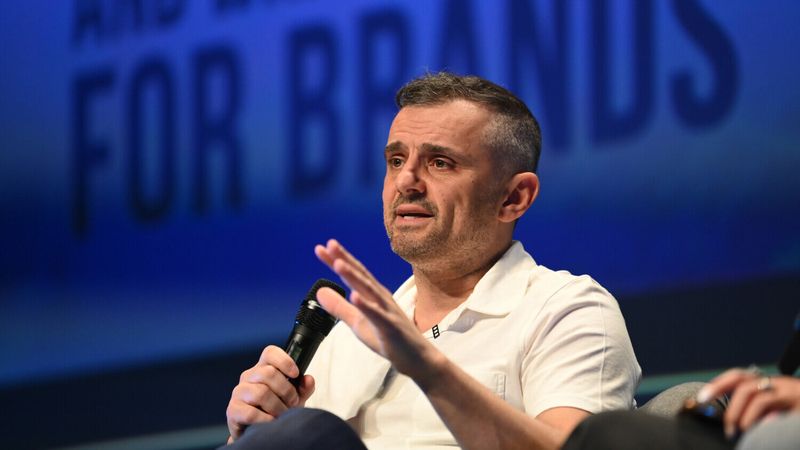
Gary Vaynerchuk, a well-known wine retailer, created a personal brand through video content on social media. What drew the masses to his personal brand was the authenticity and the reality of what goes on behind the scenes of running a business.
2. Marie Forleo – Coaching & Education
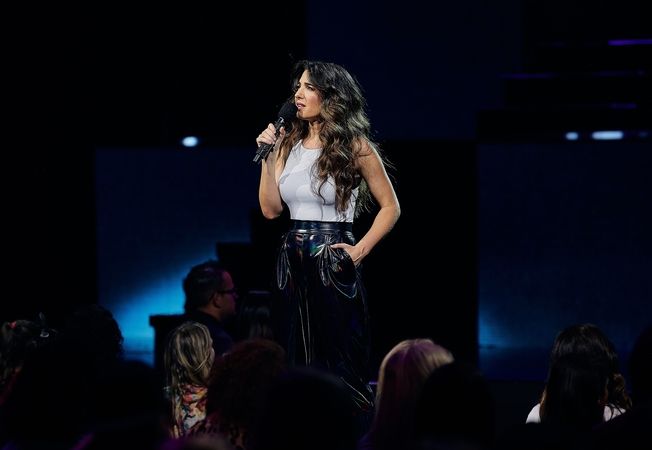
If we look at the example of a personal brand of Marie Forleo, it revolves around personal development and intersectional business. Her educational content is not stiff but rather entertaining and informative as well.
3. Chris Do – Design & Creative Education
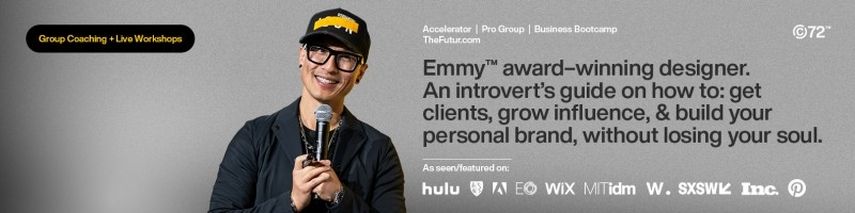
Looking at the design world, how can we not talk about Chris Do? He refined creative entrepreneurship as the CEO of The Futur. His personal brand positions him as a go-to resource for creative artists as he focuses on uplifting new artists, transparency, and education.
4. Ali Abdaal – Productivity & Knowledge Creation
Ali Abdaal, a former doctor, rebranded himself as a productivity expert. His personal brand revolves around uplifting others through consistent content creation and genuineness.
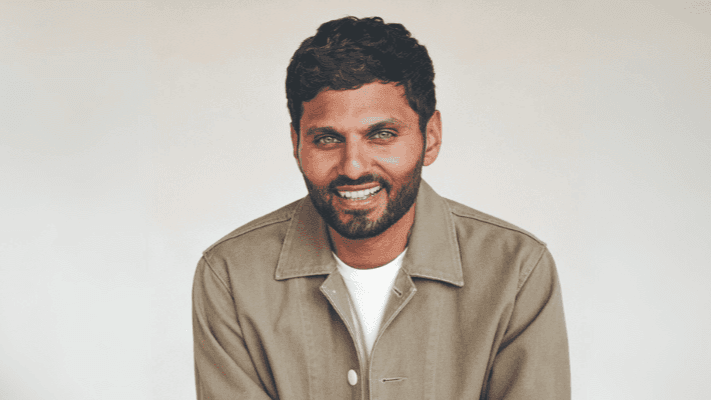
5. Jay Shetty - Personal Development
Jay Shetty, a renowned name now, used his experience of being a monk to create a unique personal brand that blends ancient wisdom with the modern lifestyle.
All these examples of personal brands share one trait among them, and that is that they not only identified a lack of content in a niche but also created content that is appealing to the audience. Hence, it is vital that you focus on building a personal brand around something that you care about and something that the audience is looking for to make a strong connection with them.
Monetizing Your Personal Brand: From Influence to Revenue
Creating your very own personal brand is fulfilling, but this influence needs to be transformed into a sustainable revenue for the long run. Some creators struggle with it, but by looking at successful personal brand examples, one can deduce that monetization works better when the brand aligns with the innate values of the creator.
Personal brands can take many forms, including digital products and physical goods, offering different avenues for growth and monetization.
Let’s explore some of the channels through which you can monetize your personal brand:
Digital Products
The most common example of a digital product is a course or an e-book. There is margin to scale these products without increasing the workload. Once created, a course or ebook can generate revenue while you sleep, travel, or create your next product.
Physical Goods & Merchandise
Physical products are good to turn your personal brand into something tangible rather than just having a digital presence. Physical products can also reach a wider audience in the form of merchandise.
Your audience becomes a walking advertisement for your personal brand. It's like hitting two birds with one stone. Creating products that align with your personal brand and connect with your audiences is the key.
Print-on-Demand
POD platforms are a great place to start before committing to physical products. Print-on-demand services like PODpartner help you streamline the production of physical products without managing the inventory yourself, as the entire order fulfillment process is handled by the experts.
You won’t have to worry about renting out a warehouse, managing complex delivery logistics, or making any huge investment, as professional POD services of PODpartner will handle everything from start to finish.
How to Build Your Personal Brand from Scratch (Step-by-Step)?
Creating a personal brand from scratch might seem like a daunting task at first, but breaking it down into steps will help you make a roadmap to make the process manageable.
Step 1: Audit Your Current Presence
The very first step towards making your personal brand is to assess your current standing. What is the best way to do that? Google yourself.

Look through your social media profiles from the perspective of an outsider and consider questions like:
- Is your brand easy to access?
- Does it tell a coherent story?
This self-assessment will help you look at your personal brand from the perspective of the consumer. Make a list of everything you feel can be changed. This baseline helps you track progress and identify areas that need immediate improvement.
Step 2: Define Your Unique Value Proposition (UVP)
The next step in creating a personal brand is adding your personal touch. This is when your Unique Value Proposition steps in.
Your UVP answers a critical question: why should someone pay attention to you rather than others in your space?
You must be familiar with the saying: “Focus on tasks that match your skills, always play to your strengths.” Connect with your audience with clear mission statements rather than something generic. It does not have to be something original, but it should be clear enough to carry your point across to the millions looking at your personal brand.
Test your UVP with a small cohort unfamiliar with your brand and see if the message you want to convey comes across. If it doesn’t, refine it.
Step 3: Content Pillars
When we look at some successful personal brand examples, one thing that is common among their creators is having content pillars.
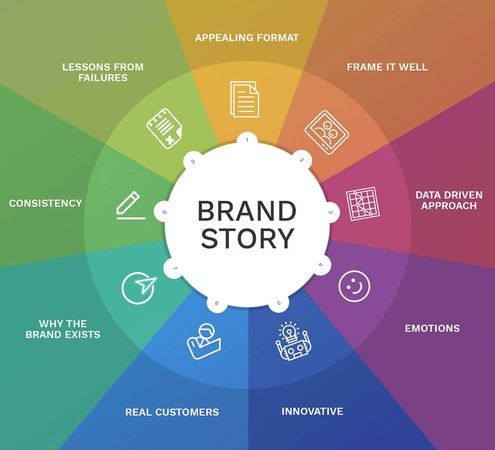
As the term suggests, these are the themes or niches that support and align with your personal brand. It gives your brand a structure and ensures your content is purposeful rather than haphazardly put together.
For example, a personal brand focused on fitness might choose these pillars: strength training, functional workouts, nutrition tips, and mental wellness. Every piece of content fits within these pillars, creating a cohesive and focused brand message.
Step 4: Networking and Collaboration
Lastly and most importantly, networking is essential to grow your personal brand. It allows you to connect to bigger audiences, sometimes even reaching people from other niches.

Your brand does not exist in isolation; engage with creators whose own personal brands align with your vision. Propose a collaboration only when you think it will add value to your personal brand. Both parties can gain exposure and go through podcast interviews, Instagram Lives, and connect to bigger audiences. For example, a fitness coach and a nutritionist collaborating reach both audiences with aligned but distinct value propositions.
Conclusion
Just as Rome wasn’t built in a day, creating a personal brand is not a one-day task. It requires consistent commitment to improvement and strategic effort to self-assess and redefine yourself.
Look through the successful personal brands examples and then start with where you are with what you have by self-assessing, identifying your strengths, and working on your very own content pillars, and collaborating with others strategically.
The key is to be authentic and genuine to connect with your audience; monetization naturally follows once you’ve established authority and trust. The strategies outlined here provide your blueprint.
Now it's time to execute. Start building your brand and work with reliable services like PODpartner if you choose to expand into physical products to maximize your returns.
Overall, clarity of purpose, consistency of message, and genuine value delivery are key to successfully building a personal brand.
Further reading

No Order Minimums

No Membership Fees

No Unsold Stock

No Quality Concerns
Only Creativity, Satisfaction, and Profits!