
 USD
USD
From Dropshipping to Brand Empire: Creating Scarcity with the "Drop Model"

Imagine walking into a store that is completely empty, except for one spotlight shining on a single, folded hoodie. A line of people waits outside just to buy it. Now, imagine a massive warehouse filled with 10,000 different t-shirts, gathering dust. Which one feels more valuable?
This is the fundamental difference between a General POD Store and a Streetwear Brand.
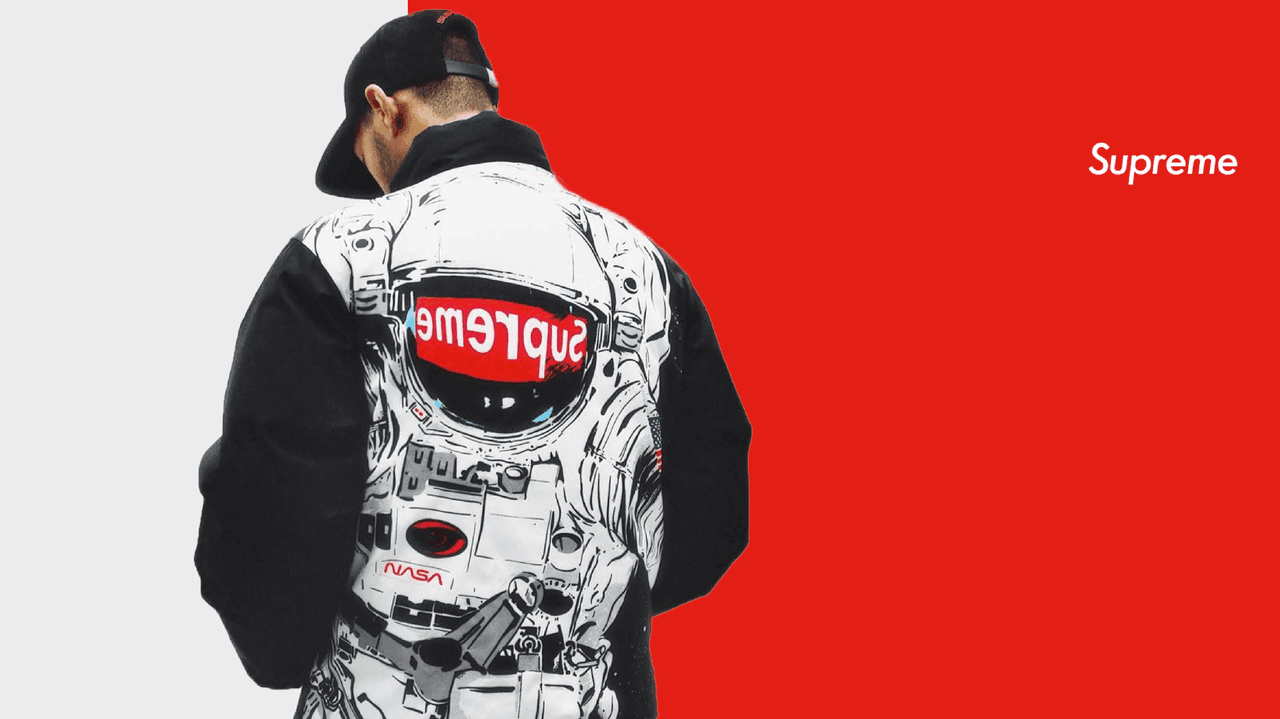
Many Print-on-Demand sellers fall into the trap of "SKU Bloat." They upload hundreds of designs, hoping one sticks, creating a cluttered, low-value shopping experience. Meanwhile, giants like Supreme, Palace, and Kith have mastered the "Drop Model"—releasing limited products at specific times, creating a frenzy of demand.
The good news? You don't need a million dollars to do this. You just need to shift your strategy from "Always Available" to "Get It Before It's Gone." Here is how to apply the Drop Model to your POD business.
The Psychology of Scarcity: Why "Less" Sells "More"
In economics, value is determined by supply and demand. In the traditional POD model, supply is infinite. A customer knows they can come back in a month, a year, or five years, and that t-shirt will still be there. Where there is no urgency, there is no action.
The Drop Model artificially constrains supply to trigger FOMO (Fear Of Missing Out).
- The Window: "Available for 72 hours only."
- The Quantity: "Only 50 units will ever be made."
When a customer knows a product might disappear forever, the purchasing decision shifts from "Do I need this?" to "Can I afford to miss this?" This psychological trigger is the engine of modern streetwear.
The Blueprint: How to Execute a "Drop" with POD
You don't need inventory to do a drop. You just need discipline. Here is the 3-phase execution plan:
Phase 1: The Hype (Pre-Launch)
You cannot drop a product to an empty room. You must build anticipation.
- Tease, Don't Show: Post close-up shots of the fabric texture (heavyweight cotton), the print details, or the embroidery.
- The "Lookbook": Instead of flat mockups, use high-quality lifestyle photos. Show the vibe, not just the product.
- Data Collection: Do not just post on Instagram. Direct traffic to a landing page: "Drop goes live Friday at 12 PM. Sign up for early access." SMS and Email lists are your goldmine.
Phase 2: The Release (The Event)
- The "Password" Tactic: Lock your Shopify store with a password page 24 hours before the drop. This builds massive curiosity.
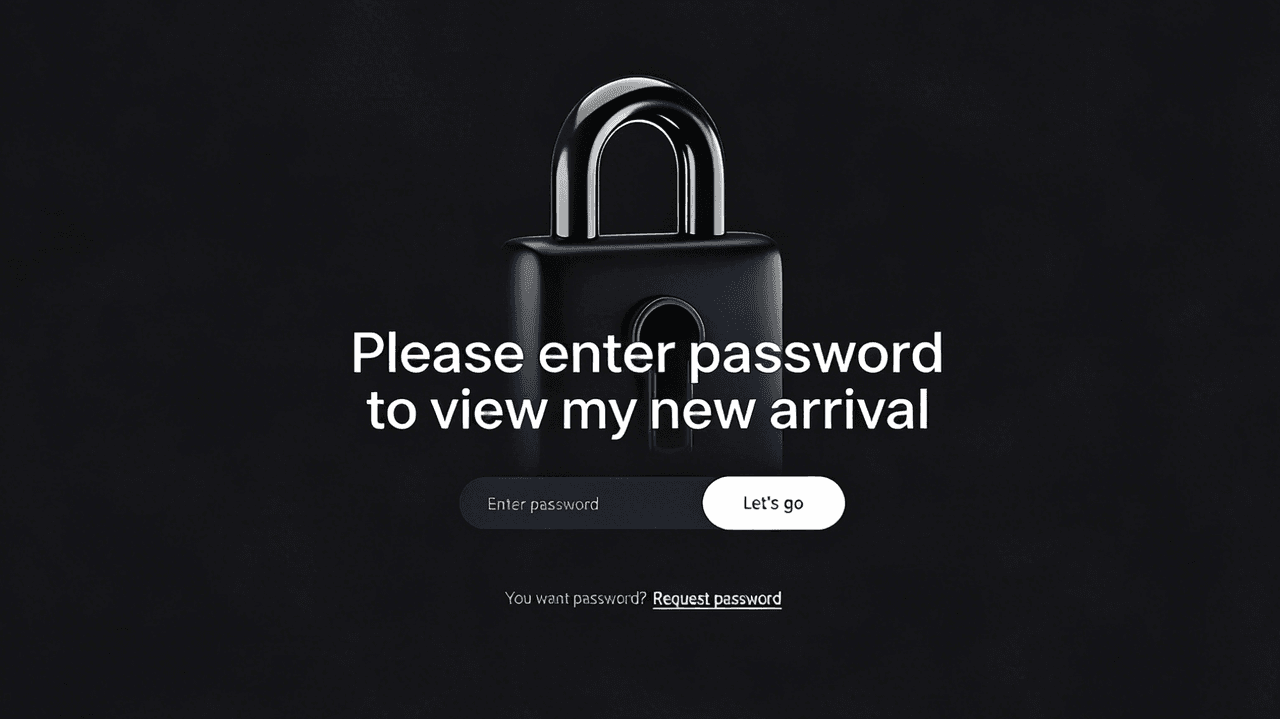
- The Go-Live: At the exact time, remove the password and blast your email/SMS list.
- Scarcity Indicators: Use apps that show "5 people are viewing this item" or a countdown timer for when the cart closes.
Phase 3: The "Vault" (Post-Launch)
This is the hardest part for POD sellers: You must actually stop selling it.
Once the 72 hours are up, or the 50 units are sold, remove the product. Mark it as "SOLD OUT" or move it to a "Vault" section.
- Why? It proves you aren't lying. If customers see the "limited" shirt still available a week later, you lose all credibility.
- The Secondary Market: When people see "Sold Out," they want the next drop even more. You are training your customers to act fast.
The Foundation: Hype Needs Quality
Here is the harsh truth: You can trick a customer into buying once with hype, but you can only build a brand with quality.
If a customer fights through a digital queue to buy a "Limited Edition" hoodie for $80, and it arrives printed on a thin, rough, tubular 150gsm blank, your brand is dead. They will feel scammed.
To run a successful Drop Model, your product must feel like a "collectible," not a commodity. This is where your supply chain choice becomes strategic.
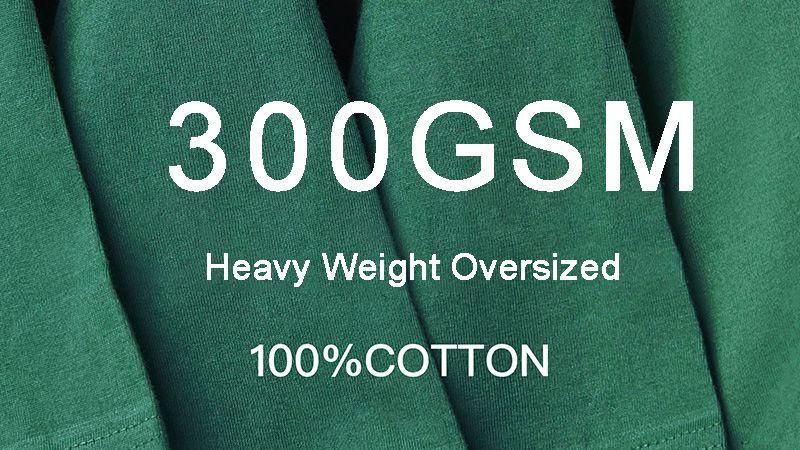
- Heavyweight Fabrics: Streetwear demands structure. You need 300gsm+ t-shirts and 400gsm+ hoodies (like those offered by PODpartner) to justify the price and the hype.
- Premium Details: Pre-shrunk fabrics, reactive dyeing, and tear-away tags are non-negotiable.
- The "Unboxing" Experience: Since you are saving money on holding inventory, invest in custom packaging. A branded poly mailer or a sticker pack adds to the "exclusive" feeling.
From "Merchant" to "Curator"
The Drop Model forces you to become a curator. Instead of throwing spaghetti at the wall, you focus on releasing one perfect design every two weeks.
- Higher Conversion Rates: Concentrated traffic meets high urgency.
- Better Cash Flow: You get a surge of revenue in a short period.
- Brand Equity: You transform from a "t-shirt seller" into a "cultural participant."
Conclusion
The era of the "Everything Store" is fading. The future belongs to brands that create moments, not just products. By leveraging the strategic scarcity of the Drop Model, and relying on partners like PODpartner to provide the premium heavyweight fabrics and consistent quality needed to back up the hype, you can build a brand empire that commands attention, loyalty, and high profit margins.
Remember: Don't sell t-shirts. Sell the opportunity to own a piece of the moment.
Further reading

No Order Minimums

No Membership Fees

No Unsold Stock

No Quality Concerns
Only Creativity, Satisfaction, and Profits!