
 USD

The Secret Weapon for Print-on-Demand (POD) Brand Premium


While the entry barrier for POD suppliers is low, few truly dedicate themselves to helping merchants build a high-end brand identity. From printing technology to fabric selection and quality control, every step shapes how customers perceive a brand's sophistication and value.
The POD model has transformed e-commerce by eliminating inventory pressure and lowering startup costs, allowing creators to launch with minimal risk. Yet this same convenience has led to a new challenge — product sameness. When countless sellers use the same blank garments and similar designs, differentiation no longer comes from the print itself but from the product behind it.
The key to breaking through this uniformity and building a premium brand lies in high-quality fabric. It's more than a cost; it's a strategic investment that defines brand perception, enriches customer experience, and turns everyday POD products into something truly distinctive.
Part 1. How High-quality Fabrics Establish a Sensory Connection with Users
High-quality fabric is the cornerstone of any premium POD brand, for it transcends mere appearance and directly establishes a sensory and emotional connection. Customers aren't simply buying a print or design; they are investing in comfort, texture, and lasting durability.
Even those unfamiliar with different fabric types can feel the difference the moment they first touch the garment. When a customer opens a package and feels the density and smoothness of a high-weight, well-made fabric, that first impression delivers instant satisfaction and immediately validates their sense of value.
This tactile experience doesn't end after unboxing. High-quality fabrics continue to prove their worth over time. They resist fading, shrinking, or distortion even after many washes. The result: customers are far more likely to return and eagerly recommend your brand to others.
In a market saturated with generic, lookalike products made from cheap materials, choosing premium fabrics is your most powerful way to stand out. It separates you from competitors locked in price wars, shifting the conversation from how much to quality and craftsmanship. By consistently delivering garments that feel refined and durable, your brand carves out a distinct position in the customer's mind. The trust and appreciation that grow from each wear strengthens both their perceived value and emotional bond, steadily turning one-time buyers into loyal advocates.
Leading non-POD brands powerfully illustrate this principle. Take Patagonia, whose enduring success is built on a foundation of highly durable, often technical or recycled fabrics. This commitment to quality and longevity not only justifies their premium price but is central to their powerful brand narrative, earning them customer loyalty and word-of-mouth promotion that few can match. Similarly, Toad&Co focuses on sustainable, comfortable natural fibers, cultivating a dedicated following who value the garment's hand-feel and ethical sourcing as much as its design. For POD brands aiming for the premium segment, adopting this fabric-first mentality is the non-negotiable step to shifting from a transactional model to a truly valuable, enduring brand.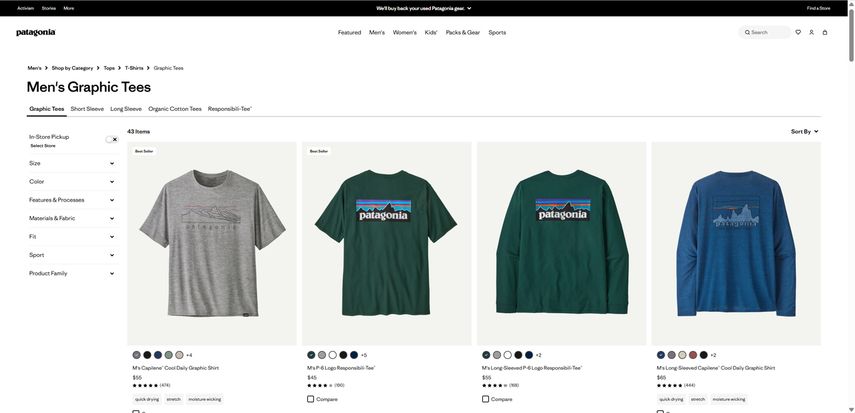
Part 2. How to Select and Apply High-Quality Fabric
When you're hoosing premium fabrics for your POD products, you're not just picking materials, you're defining your brand's voice. The range of options is huge, each offering its own unique texture and personality.
Think about it: you can choose from cotton, functional polyester, cozy fleece, elegant linen or silk, or modern sustainable fibers like bamboo and Tencel.These fabrics are all wildly different in weight, feel, and performance. It allows you to perfectly match the material to the customer's intended experience, whether you're going for a soft, breathable everyday basic, a structured streetwear piece, or a highly refined, premium collection. Selecting these materials thoughtfully isn't just about avoiding a cheap feel; it's about elevating your product far beyond standard offerings. This crucial step is how you build a distinctive, enduring brand that customers can instantly recognize and feel.
The key to nailing your product lies in understanding the DNA of each fabric. You already know that cotton means comfort, polyester boosts strength and keeps color locked in, and materials like bamboo or Tencel offer that coveted soft, sustainable touch. But it goes deeper than that. Even within the same fiber, factors like GSM (grams per square meter) fundamentally change everything: the feel, the drape, and the overall impression.
Take cotton as the perfect example: A lighter 120–160 GSM carded cotton gives you a breezy, naturally soft texture—ideal for effortless summer tees; But jump to a 260–300 GSM combed or ring-spun cotton, and you instantly get a smooth, skin-caressing surface, that's your everyday luxury right there. The same rule applies to specialty fibers. A 160 GSM modal feels fluid and silky, perfect for loungewear. Scale that up to 220 GSM or higher, and the modal suddenly carries a dense, elegant drape that elevates it from lingerie softness to refined streetwear.
As a merchant, your job is to align the GSM, fiber composition, and surface finish with your brand's core identity. But selecting the right fabric is only half the battle. The final, critical step is how you talk about it. You must stop using generic descriptions and start using vivid language that captures the tactile and emotional quality of the material. Instead of just listing the specs, tell the customer what it feels like:
- Crafted from 260 GSM combed cotton for a soft, skin-friendly feel.
- Made with modal fiber for a silky-smooth, breathable touch.
- Constructed from 440 GSM heavyweight cotton for a dense, structured drape that exudes premium craftsmanship.
When you couple this thoughtful material selection with evocative storytelling, you help customers visualize quality before they even buy it. This is how you foster lasting consumer trust and solidify your brand's premium status in the crowded POD market.
| Fabric | Hand Feel Description | Premium Positioning |
|---|---|---|
| Classic Cotton: 100% Cotton (120–250 GSM) | Lightweight, naturally soft, and classically breathable, with a slight texture. Best for summer wear or high breathability basics. | ★★★☆☆ – Functional Core |
| Combed Cotton (180–300 GSM) | Cotton-candy soft, ultra-smooth, skin-caressing with zero irritation – gets softer with every wash. Enhanced smoothness via refining process. | ★★★★☆ – Everyday Luxury |
| Organic Cotton (150–220 GSM) | Cloud-like natural softness, baby-skin tender, emphasizing chemical-free purity and ethical sourcing value. | ★★★★☆ – Pure & Premium |
| Heavyweight Cotton (300–450 GSM) | Thick and structured, providing a significant sense of weight and durability. High GSM is the hallmark of streetwear quality and resilience. | ★★★★★ – Ultimate Structured Luxury |
| Polyester (130–200 GSM) | Silky-cool and lightweight, non-cling, stays fresh after fast drying | ★★☆☆☆ – Functional Entry |
| Tri-Blends (~125–160 GSM) | Butter-melt softness, silky drape, vintage heathered texture | ★★★★★ – Streetwear Luxe |
| French Terry / Fleece (250–350 GSM) | Plush teddy-bear hug inside, smooth outer face, pill-resistant warmth | ★★★★☆ – Cozy Premium Casual |
| Bamboo Viscose (160–220 GSM) | Cool-to-touch silkiness, baby-soft, naturally antibacterial, stays soft when damp | ★★★★★ – Eco-Silk Level |
| Tencel™ Lyocell (140–200 GSM) | Botanical true-silk smoothness, cool and flowing like water | ★★★★★ – Sustainable Luxury |
| Modal (180–220 GSM) | Lingerie-grade micro-smooth, intimate-skin caress, irresistibly refined | ★★★★★ – Intimate Indulgence |
| Recycled Polyester (rPET) (120–180 GSM) | Lightweight and sleek with subtle sheen, eco without sacrificing feel | ★★★☆☆ – Green Performance |
| Linen Blends (180–250 GSM) | Natural slub texture, crisp yet breathable, relaxed elegance after wash | ★★★★☆ – Resort-Chic Premium |
| Denim (10–14 oz) | Rugged yet structured, softens beautifully with wear, timeless weight | ★★★★☆ – Heritage Workwear |
| Performance Knits (with spandex, 200–280 GSM) | Second-skin fit, silky 4-way stretch, stays smooth and dry in motion | ★★★★☆ – Pro Athletic Comfort |
Part 3. How to Drive Brand Marketing with Quality Fabrics
Premium fabrics are much more than a comfortable component; they are a strategic branding asset that actively shapes your brand's image, drives powerful storytelling, and builds lasting value. When you treat your fabric as the core differentiator, you can develop material-driven collections that have a distinct emotional and functional identity.
Look at industry leaders. Lululemon, for example, used its SenseKnit collection, a high-gauge modal-spandex blend, to deliver a true second-skin fit, perfectly solving the needs of yoga enthusiasts craving lightness and flexibility. Meanwhile, Uniqlo's U Series uses simple 260 GSM ring-spun cotton to create structured silhouettes that instantly communicate Japanese minimalism and everyday durability.
These material-led narratives ensure customers remember the fabric before they even recall the brand name, anchoring recognition in tangible quality rather than fleeting aesthetics.
Fabric selection also serves as a powerful device for conveying your brand's deeper values and purpose. Patagonia offers a masterclass here: they openly disclose their Tencel® Lyocell's closed-loop production process, transforming every jacket into a shareable symbol of environmental commitment under the ethos of wearing sustainability. Similarly, Everlane uses its Radical Transparency approach to detail the GSM and tactile characteristics of its bamboo fabrics. By sharing this measurable data, they educate consumers and elevate the perception that understanding the fabric means understanding the brand.
Through promotion and value-driven narratives about high-end fabrics, your brand can convert material choices into strong trust signals, elevating quality, craftsmanship, or unique comfort into differentiators that truly connect and shape your premium brand identity on an emotional level.
Beyond storytelling, the lived experience of the fabric is the most persuasive proof of quality you have.
Here's the simple truth: People naturally love to share things that feel great. When a T-shirt feels like you're wrapped in a cloud, or leggings move like a true second skin, users instinctively snap a photo or video to share as part of their daily life. Sometimes, it's not even a planned endorsement. A stylish photo taken for any reason just happens to feature your product, yet its texture, drape, and comfort speak volumes on their own. This subtle visibility allows high-quality apparel to circulate organically through social media. People see it, they admire the way it hangs, and they ask, "Where did you get that?" Featuring this top-tier UGC on your product pages or in newsletters reinforces this effect, creating a powerful, self-sustaining loop of credibility and desire. This mirrors exactly how Lululemon built a passionate community around its "sweat life" philosophy. For them, seamless comfort and high-performance fabrics weren't just clothes; they became synonymous with both movement and mindset.
When fabric stops being just a functional component and evolves into a language of trust, emotion, and brand philosophy, it fundamentally changes its role, which is a continually compounding source of long-term brand value.
Part 4. High-Quality Fabric is an Investment
High-quality fabric should never be seen as just another expense; it's a calculated, long-term investment in your brand's financial equity and Customer Lifetime Value. While the upfront Cost of Goods Sold is higher, the sustained quality immediately supports a higher Average Order Value and boosts Unit Margin, e.g., to a 45%-60% target(A gross margin of 45% to 60% means the retail price is approximately 1.8 to 2.5 times the Cost of Goods Sold. For brands emphasizing high quality and opting out of price wars, this represents the minimum target range for achieving sustainable profitability. Many successful Direct-to-Consumer and premium brands aim for gross margins of 65% or even 70% and above), setting the stage for a self-reinforcing financial cycle. This superior quality directly reduces post-sale complaints regarding durability, lowering operational costs like customer service overhead and Warranty/RMA expenses. The resulting drop in the Return Rate and rise in the Repeat Purchase Rate significantly extends the Customer Life Cycle and compounds Customer Lifetime Value, driving superior financial health. Furthermore, this tangible quality fuels organic User-Generated Content and Word-of-Mouth referrals, translating into a lower Customer Acquisition Cost and an exponentially improved Marketing Efficiency Ratio. Ultimately, brands prioritizing quality materials establish a resilient structure for sustainable, high-margin growth, positioning superior fabric quality as the invisible strategic asset that protects them from margin-eroding price wars. It is precisely because your clothing is of high quality and users are satisfied that they will naturally discuss and recommend your products on social media or with friends, bringing you free traffic and new customers. Consequently, you do not need to spend as much money on advertising, and your marketing efficiency is naturally much higher.
Using PODpartner as an Example
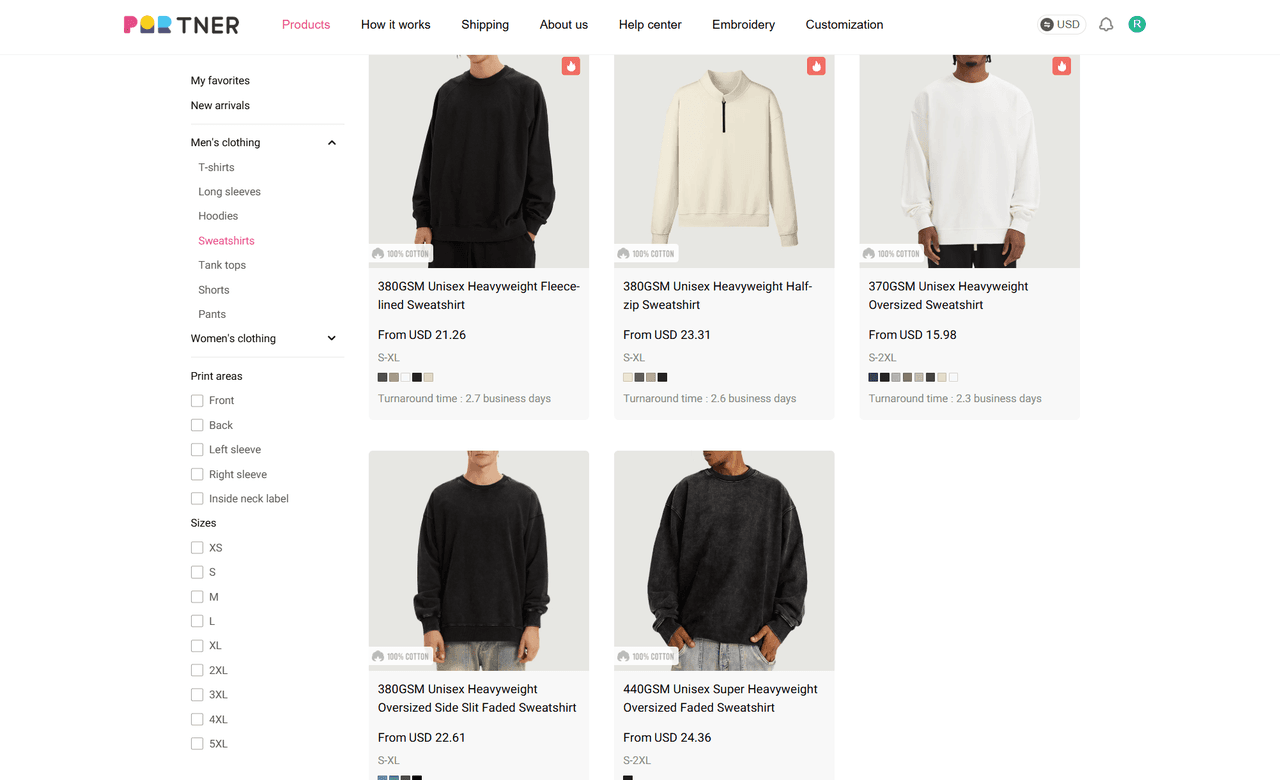
PODpartner embodies this philosophy through its deep-rooted focus on cotton apparel and dedication to quality craftsmanship. The brand uses Direct-to-Garment printing, a method that keeps the natural softness and breathability of cotton intact. Unlike DTF printing, which can leave a slightly plastic finish, DTG maintains a smooth, lightweight touch that feels gentle and comfortable.
When combined with heavyweight cotton, this printing approach gives each piece a structured, refined shape without sacrificing comfort. The fabric feels substantial and durable, yet remains airy and pleasant to wear so customers can notice the moment they open the package.
For PODpartner, choosing cotton isn't just a design decision; it's a long-term commitment to material excellence. By focusing on durability, softness, and timeless texture, the brand builds trust with every product it delivers. Every stitch speaks to the same belief that real value comes not from cutting corners, but from creating clothes people want to reach for again and again.
Conclusion
In the competitive and look-alike world of Print-on-Demand, premium fabric is one of the most vital factors in achieving genuine brand differentiation. It's not a short-term expense but a long-term investment that lifts your brand above price wars. Premium fabric works on three key levels: emotional trust, core differentiation, and financial health.
Though it raises initial costs, premium fabric unlocks higher margins, lowers return rates, increases customer lifetime value, and drives organic growth through user-generated content and word-of-mouth advocacy.
In the end, fabric is more than what you print on — it's what your brand stands on: the quiet foundation of credibility, satisfaction, and lasting profitability.