
 USD
USD
Printful vs Printify (2026): Costs, Quality & the Ceiling Both Share

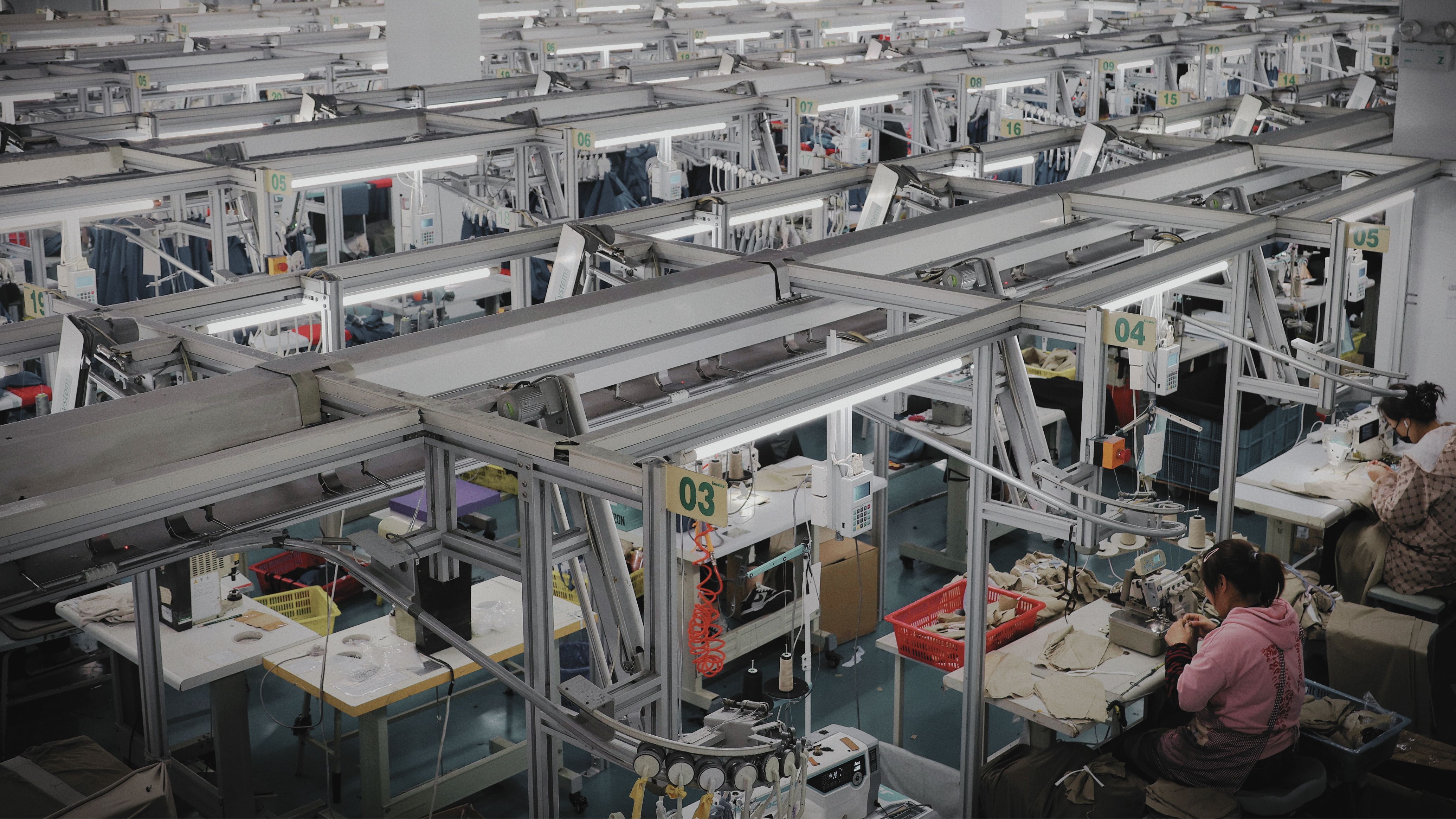
You're not searching "Printful vs Printify" because you're just starting out. You're searching it because you've already used one and you're wondering if the other will fix the problem.
Maybe it's Printful's catalog feeling thin once you've outgrown the basics. Maybe it's Printify's quality lottery getting worse as your customer base gets pickier. Maybe it's the slow, suffocating realization that aggregator POD platforms are starting to cap your brand instead of carry it.
This is the comparison you'll find written for everyone. This article is for the founder who is serious about quality.
Quick Answer: Printful vs Printify in 2026
Choose Printful if: you need fast US shipping (3 to 5 days door-to-door), in-house fulfillment with relatively consistent quality, and a tight curated catalog of around 340 SKUs. Premium pricing tier.
Choose Printify if: you need maximum product variety (900+ SKUs via marketplace), lowest base pricing, and you are willing to vet print providers yourself for quality consistency.
Consider a third option if: you have outgrown both and need real-brand results with print-on-demand flexibility. Vertically integrated POD platforms like PODpartner offer 7-stage quality control from yarn intake to final shipment, oversized decoration (Jumbo DTG up to 24 inch by 24 inch), and stacked Hybrid techniques (DTG + Embroidery, DTG + Heat Transfer Vinyl, or all three on a single garment). Trade-off: shipping is 7 to 12 business days to the US, and the catalog is narrower (around 150 curated SKUs).
The rest of this article is for founders considering option three.
Key facts in 5 bullets:
- Printful: ~340 SKUs, in-house US fulfillment, 3 to 5 business days US shipping, premium pricing tier, 30+ platform integrations, MOQ 1.
- Printify: 900+ SKUs via independent provider marketplace, variable quality across providers, 3 to 5 business days US shipping (provider-dependent), lowest base pricing, 25+ integrations, MOQ 1.
- PODpartner (vertically integrated POD): ~150 curated SKUs,7-stage in-house QC, 48-hour typical dispatch with a 3-business-day SLA, 7 to 12 business days US shipping standard or 3 to 5 express, 5 platform integrations (Shopify, Etsy, WooCommerce, Wix, Squarespace), MOQ 1.
- Decoration ceiling: PODpartner offers Jumbo DTG up to 24" x 24", 15-color embroidery, 6 Heat Transfer Vinyl finishes, and stacked Hybrid techniques (DTG + Embroidery, DTG + Heat Transfer Vinyl, or all three on one garment) — unavailable at aggregator scale.
- Best fit by founder stage: Validation and discovery means Printful or Printify. Past validation, building for real-brand results means vertically integrated POD.
Printful vs Printify: Honest Side-by-Side
Before reframing the comparison, the straight numbers:
| Dimension | Printful | Printify |
|---|---|---|
| Model | In-house US fulfillment plus international | Marketplace of independent print providers |
| Catalog size | ~340 SKUs | 900+ SKUs |
| Quality consistency | Higher (single provider) | Variable (depends on which provider per SKU) |
| Base pricing | Higher (premium tier) | Lower (provider-dependent) |
| US production | Yes, multiple in-house facilities | Yes, via US-based providers |
| US shipping | 3 to 5 business days | 3 to 5 business days |
| Decoration depth | DTG, embroidery, basic AOP | DTG, embroidery, AOP varies by provider |
| Integrations | 30+ platforms | 25+ platforms |
| Minimum order | 1 | 1 |
Both pass the basics: MOQ 1, multiple integrations, US fulfillment options, recognizable brands.
What neither table cell captures is the structural issue underneath.
Five Ceilings Aggregator POD Quietly Puts on Every Brand
Printful and Printify are different flavors of the same model: Aggregator POD (also called Standard POD in some industry framing). They aggregate decoration capacity onto blanks they do not manufacture, fulfilled by facilities they (in Printify's case) do not own.
Not all five ceilings hit at once. But one of them finds you, every time.
1. The Quality Ceiling: Batch drift.
Unit 50 doesn't match unit 500. On Printify, your t-shirt is printed by whichever provider you selected for that SKU, and providers vary widely in dye uptake, print durability, and pack quality. On Printful, you have more consistency, but transfer-style DTG on stock blanks still has a hard ceiling on hand feel and wash durability that no fulfillment center can engineer around. You cannot QC a black box. You can only QC what comes out of it.
2. The Fabric Ceiling: 240 GSM hoodies.
Corporate-event weight. Not retail weight. The aggregator catalog optimizes for cost-per-unit at volume, which pushes blanks toward mid-weight commodity fabric: 180 to 240 GSM for most hoodies, 140 to 180 GSM for most tees. That's fine for promotional merch. It's not fine for the brand that's competing on garment feel against retail-quality competitors.
3. The Design Ceiling: 12 × 16 in.
Chest or back only. Edge-to-edge is off the table. Standard DTG print area at the aggregator level is roughly 12 to 14 inches wide by 14 to 16 inches tall. No oversized prints. No wraparound designs. No sleeve-to-hem placements. The decoration window dictates what designs you can sell, and what designs your customers will mentally categorize as "real brand" vs "POD merch."
4. The Copycat Ceiling: One craft.
DTG-only product. Any POD seller replicates it overnight. When your entire catalog is one decoration technique on stock blanks, your moat is your design, and designs get copied within 24 hours of going viral. The brands that don't get commoditized are the ones building production-side differentiation (fabric weight, finish, stacked techniques), not just visual differentiation.
5. The Retail Ceiling: $50 retail.
You can't sell what you can't make. Aggregator unit economics constrain your retail price ceiling. Provider markup plus platform fee plus your retail margin equals compressed unit economics. Most aggregator-built brands cap around $35 to $50 retail. Going higher requires garment quality that the aggregator stack structurally cannot deliver.
None of this means Printful or Printify are bad products. It means they are optimized for a different problem than yours.
Ask yourself these three questions before continuing.
- Are your customers buying your brand, or buying your design on a generic blank?
- Would your fabric pass a 20-wash durability test that customers will actually run?
- Can you state your blank's fabric weight in GSM, where it is manufactured, and at how many production stages it was inspected before shipping?
If you answered yes / yes / yes, aggregator POD is starting to underserve you. Keep reading.
If you answered no / not sure / not sure, you are probably still better served by Printful or Printify for now. Save this article for when you outgrow them.
The Third Option: Vertically Integrated POD
There is a category emerging that does not show up cleanly in Printful-vs-Printify comparisons, because it is not playing the same game: vertically integrated POD.
PODpartner's brand promise is "Print-on-demand flexibility, real-brand results. Both, finally." The production model that makes that promise deliverable is yarn-to-shirt vertical integration: fabric weaving, dyeing, cutting, sewing, decoration, branded labeling, and packaging all under one roof, in our own facilities in China.
The distinction comes down to who owns the production chain.
Aggregator POD (Printful, Printify): Aggregates external blanks and external (or partially internal) decoration capacity. Your brand quality depends on whoever is at the other end of the API call.
Vertically Integrated POD (PODpartner): Operates the full production chain from yarn intake through 7 quality control stages to final shipment. Your brand quality depends on one chain you can verify, document, and hold accountable.
What this looks like at PODpartner specifically:
- ~150 curated SKUs. Narrower than Printify's 900+. Each SKU is internally produced and quality-locked, with fabric weight visible in GSM on every product page (280gsm boxy tee, 440gsm super heavyweight hoodie, and so on).
- **7-stage quality control. Every order is inspected at 7 production stages: yarn intake (fiber composition ratio, evenness, fiber length), greige fabric (weaving defects and GSM weight), post-dye (color matching and dyeing defects), cutting (fabric surface spot check before the cutting bed, plus 100% full inspection of cut pieces), sewing (in-line spot checks for stitch quality, dimensions, technique and symmetry, plus a full inspection before garments leave the sewing facility), print production (full intake inspection on arrival at the print facility, plus mid-print checks covering design and color confirmation, print alignment, ink density, embroidery thread, and Heat Transfer Vinyl), and final pre-shipment (full garment inspection with photo documentation). Marketplace POD typically has 1 QC stage (final pack), or none, depending on the provider.
- 48-hour typical dispatch, 3-business-day SLA. 98% of orders are produced and dispatched within 48 hours, well inside the 3-business-day production SLA we commit to in writing.
- Decoration ceiling raised significantly. DTG up to 24 inch by 24 inch (Jumbo DTG). 15-color embroidery versus the aggregator standard of 6 to 12. Stacked Hybrid techniques: DTG + Embroidery on one garment, DTG + Heat Transfer Vinyl on one garment, or all three (DTG + Heat Transfer Vinyl + Embroidery) layered on a single design. 6 premium Heat Transfer Vinyl finishes: glitter, velvet, glow, metallic, sparkle, premium matte.
- 5 platform integrations. Shopify, Etsy, WooCommerce, Wix, Squarespace, covering the channels most independent brand founders actually use.
Compensation Commitment
PODpartner backs its production timeline with a written SLA: not standard in the aggregator POD model, where delays are common and compensation is case-by-case at best.
- Speed SLA: Production within 3 business days (orders $800+ require customer service confirmation due to volume handling).
- Late delivery compensation: 1% of order value per business day late, capped at 20%.
- Extended delay protection: Delays exceeding 20 business days beyond the promised duration are eligible for free reshipment OR full refund, plus an additional 10% compensation either way.
The honest trade-offs you should know:
- Shipping is slower to the US. Production is faster than aggregator (48-hour typical dispatch vs. 2 to 7 days), but no US warehouse means standard shipping is 7 to 12 business days, or 3 to 5 with express. Total door-to-door is 10 to 15 business days versus 5 to 12 for in-country aggregators. If shipping speed is your conversion mechanic (event merch, paid ads with tight timelines), aggregators win this dimension.
- Catalog is narrower. ~150 SKUs versus Printify's 900+. We curate; aggregators stock. If your business model depends on a 500+ SKU range, vertically integrated POD is the wrong fit.
This model is not trying to be Printful's replacement at retail-velocity speed. It is trying to be the manufacturing partner you would choose if you were building a real apparel brand without funding a real apparel factory.
Quick Reference: PODpartner at a glance
- Production model: Vertically Integrated POD (yarn-to-shirt in-house)
- Location: China
- SKU count: ~150 curated apparel SKUs across men's and women's categories
- QC stages: 7 (yarn intake, greige fabric, post-dye, cutting, sewing, print production, final pre-shipment)
- Production time: 48 hours typical dispatch / 3 business days SLA (orders $800+ confirmed separately)
- US shipping: 7 to 12 business days standard / 3 to 5 business days express
- Platform integrations: Shopify, Etsy, WooCommerce, Wix, Squarespace
- Decoration techniques: DTG, Jumbo DTG (24" x 24"), 15-color embroidery, 6 premium Heat Transfer Vinyl finishes (glitter, velvet, glow, metallic, sparkle, premium matte), stacked Hybrid techniques (DTG + Embroidery, DTG + Heat Transfer Vinyl, or all three on one design)
- Minimum order quantity: 1
- SLA-backed compensation: Up to 20% of order value for delays, plus 10% bonus for delays exceeding 20 days
- Brand promise: Print-on-demand flexibility, real-brand results.
5 Questions to Ask Any POD Vendor Before You Switch
Specifications you can verify, not promises in marketing copy.
1. At how many production stages is QC performed?
One stage (final pack only) is the marketplace default. Multi-stage QC across yarn, fabric, dye, cut, sew, print, and ship is the apparel manufacturing standard: the industry benchmark is 7 stages. The gap shows up in your return rate, not in the brochure.
2. Are advanced decoration options available at MOQ 1?
Oversized prints, stacked Hybrid techniques (DTG + Embroidery, DTG + Heat Transfer Vinyl, or all three on one garment), premium finishes (glitter, velvet, metallic), 15-color embroidery. If these are gated behind bulk orders, you are paying single-unit prices for restricted single-unit options.
3. Who owns the production chain: you, or a rotating roster of providers?
Marketplace POD swaps providers without notification. Your January 2026 customer and your January 2027 customer may be wearing the same SKU produced at two different facilities with two different fabric specs. This is not theoretical. This is what creates the negative reviews you cannot trace and the returns you cannot prevent.
4. Is the fabric weight visible in GSM, and is the QC stage count published?
"Mid-weight," "premium," "heavyweight": these are marketing words. 280gsm, 320gsm, 440gsm: these are specifications. "Quality controlled": marketing. "7-stage inspection from yarn intake to final pre-shipment": specification. The presence or absence of these disclosures tells you whether you are working with a manufacturer or a reseller.
5. Which platforms can you actually sell on?
If POD integrations stop at Shopify plus one or two others, you are locked into Shopify's economics and Shopify's customer-acquisition math. If a vendor supports Shopify plus Etsy plus WooCommerce plus Wix plus Squarespace, you have the channel flexibility to test where your audience actually buys, not just where your platform tells you to sell.
When You Should Stay with Printful or Printify
Vertically integrated POD is not the answer for everyone. Stay where you are if:
- You need US 3 to 5 day total shipping for time-sensitive drops, event merch, or paid ad campaigns where speed-to-customer is the conversion mechanic. Aggregators with US warehouses still win this on raw delivery speed.
- You sell low-ticket promotional merch ($15 to $25 retail) where margin compression matters less than catalog variety and aggregator pricing fits the unit economics.
- Your catalog strategy requires 500+ SKUs across product categories aggregators dominate (mugs, phone cases, all-over-print apparel, footwear, accessories). In-house factories curate; if you need the spread, marketplaces win.
- You are still validating product-market fit. Do not optimize manufacturing before you have confirmed customer demand. Aggregators are excellent at the discovery phase, and switching production models before you have buyers is premature optimization.
We are not built for everyone. The brand-tier shift is for founders past validation, past discovery, into the "I want this to last five years" phase. If that is not where you are yet, save this article for when it is.
Frequently Asked Questions
What are the top alternatives to Printful and Printify in 2026?
The most-mentioned alternatives for apparel-focused brand founders are: PODpartner (vertically integrated yarn-to-shirt, around 150 curated SKUs, 7-stage QC), Apliiq (US-based, brand-focused with custom labels), Gelato (global production network with regional fulfillment), and Custom Ink (large-scale custom orders, not optimized for single-unit POD). The right alternative depends on whether your bottleneck is quality consistency, catalog breadth, geographic fulfillment, or production model itself.
Is PODpartner cheaper than Printful?
Base prices vary by product. PODpartner tends to be competitive on heavyweight and premium-fabric items where aggregators charge upcharges, and similar on basic-weight items. The bigger pricing factor is what you avoid paying for: aggregator platform fees, provider markups, and the soft cost of returns from inconsistent quality.
Why is vertically integrated POD production slower to the US than Printful US fulfillment?
Printful operates US-based warehouses, so a t-shirt ships from California or North Carolina to your customer in 3 to 5 days. PODpartner produces every garment in our own facilities in China, so shipping to the US is 7 to 12 business days standard, or 3 to 5 with express. Production itself is actually faster (48-hour typical dispatch with a 3-business-day SLA vs. 2 to 7 days for aggregators); the time differential is shipping, not making.
Can I sell PODpartner products on platforms other than Shopify?
Yes. PODpartner integrates with Shopify, Etsy, WooCommerce, Wix, and Squarespace. Most aggregators support more total integrations (Printful is at 30+), but for the 5 platforms most independent brand founders actually use, the coverage is direct.
What is the difference between aggregator POD and vertically integrated POD?
Aggregator POD platforms (Printful, Printify) coordinate external blanks and external or partially internal decoration capacity. Vertically integrated POD (PODpartner) owns the full production chain from yarn intake through 7 quality control stages to final shipment. The trade-off is variety (aggregators have more SKUs) versus consistency and decoration depth (vertically integrated has tighter quality control and broader technique support on each SKU).
Does PODpartner offer the same product variety as Printify?
No. Printify offers 900+ SKUs through its marketplace; PODpartner offers around 150 curated SKUs across men's and women's apparel categories (t-shirts, long sleeves, hoodies, sweatshirts, tank tops, shorts, pants). We curate fewer SKUs to maintain in-house manufacturing standards on every product. If your strategy depends on a 500+ SKU catalog, Printify is the better fit.
How does in-house QC differ from Printful or Printify quality control?
Marketplace POD typically performs QC at the final-pack stage, or relies on individual provider standards in Printify's marketplace case. PODpartner performs QC at 7 distinct production stages: yarn intake inspection (fiber composition, evenness, length), greige fabric inspection (weaving defects, GSM weight), post-dye inspection (color matching, dyeing defects), cutting inspection (pre-cut spot check plus 100% full inspection of cut pieces), sewing inspection (in-line spot checks for stitch quality, dimensions and symmetry, plus a full inspection before leaving the sewing facility), print-stage inspection (greige garment intake at the print facility, plus mid-print checks covering design and color confirmation, print alignment, ink density, embroidery thread, and Heat Transfer Vinyl), and final pre-shipment inspection with photo documentation. This is the apparel manufacturing industry standard, not the POD platform standard.
What decoration techniques does PODpartner offer that aggregators do not?
Jumbo DTG up to 24 inch by 24 inch (vs. aggregator standard around 12 to 14 inch by 14 to 16 inch), 15-color embroidery (vs. 6 to 12-color standard), 6 premium Heat Transfer Vinyl finishes (glitter, velvet, glow, metallic, sparkle, premium matte), and stacked Hybrid decoration techniques: DTG + Embroidery on a single garment, DTG + Heat Transfer Vinyl on a single garment, or all three (DTG + Heat Transfer Vinyl + Embroidery) layered on the same design. All available at MOQ 1.
Is Printful better quality than Printify?
Generally yes, on average. Printful operates in-house fulfillment centers with consistent quality control across its catalog, while Printify's marketplace model means quality depends on which print provider you select for each SKU. However, "better than Printify" does not automatically mean "good enough for premium brands." Both platforms rely on transfer-based DTG on stock blanks, which has a hard ceiling on hand feel and wash durability. For founders past validation looking for real-brand results, vertically integrated POD platforms like PODpartner offer multi-stage QC (7 production stages vs. 1 typical aggregator stage) that operates in a different consistency category entirely.
Why is Printify cheaper than Printful?
Printify operates as a marketplace, so independent print providers compete on price within the platform, and many providers run at lower base cost than Printful's in-house facilities. Printify itself does not operate the manufacturing; it takes a transaction fee. Printful charges higher base prices because it controls production directly and bundles in tighter quality consistency. The trade-off in choosing Printify for cost: you accept variable quality across providers, with no single party accountable for what arrives at your customer. If consistent quality is non-negotiable, neither aggregator model fully solves the problem; vertically integrated POD becomes the next category to evaluate.
Which is faster: Printful or Printify?
Printful is generally faster for US orders because most fulfillment happens at US-based in-house facilities. Printify's speed depends on which provider you selected: US providers typically ship in 3 to 5 days, but international providers may take longer. Both platforms produce in 2 to 7 business days plus shipping. Vertically integrated POD platforms like PODpartner achieve 48-hour typical dispatch with a written 3-business-day production SLA (faster production than aggregator averages), but ship from China, extending total US delivery time to 7 to 12 business days standard or 3 to 5 with express. Production speed and total delivery speed measure different things, so the right answer depends on which one is your conversion bottleneck.
The Real Question Behind "Printful vs Printify"
If you have read this far, you are not actually choosing between Printful and Printify. You are trying to figure out whether either platform can carry your brand the next 5 years.
Printful and Printify are excellent for what they are built for: low-friction validation, fast US shipping for time-sensitive drops, and high-variety dropshipping at single-unit MOQ. They are not built for retail-grade quality at single-unit flexibility, because that is a different production model entirely.
If your customers are starting to expect more from your garments than the aggregator stack can deliver, that is the signal it is time to look at vertically integrated POD.