
 USD

Nowadays Printing Technologies Guide: How to Choose the Best Method for You


The printing technologies have developed significantly and it provides numerous methods of printing a design on clothes, paper and other substrates. Every system has its merits, demerits and applications. To make the appropriate decision with regard to the project, it is best to understand how these printing techniques work whether you are running a business or doing it solo. This tutorial explains the five most popular approaches to printing, provides their advantages and drawbacks, and suggests fabrics and surfaces that each are practiced on.
The History of Printing Technologies
Printing has played an important role in sharing ideas and designs for hundreds of years. From the oldest woodblock plates to modern high precision machines, each stage has new possibilities. These changes have allowed people to reproduce text and images with higher quality and consistency. Over time, printing has shifted from manual to machine-based, further evolving with the adoption of advanced ink.

1. Early Printing Methods
The oldest known printing technology is woodblock printing developed in ancient China around 200 years ago. Craftsmen carved designs and letters into wood plates, inked on the surface, pressed on cloth and paper to print. This technology required patience and skill, and each wood plate could only print one design. It was a time-consuming method, but it was possible to print repeatedly without having to rewrite it by hand.
2. Printing Press Era
In the 15th century, Johannes Gutenberg had invented a printing press and this marked a watershed in communication. The printing press also utilizes metal movable characters in order to enable fast rearrangement of letters in order to print various pages. This allows books, newspapers, and pamphlets to be produced faster and more than before.
3. Modern Printing Development
New machines can apply ink more precisely, and technologies such as screen printing, thermal transfer and sublimation printing have become popular. These technologies enable detailed design, vivid colors, and printing on materials other than paper.
Screen Printing Technologies
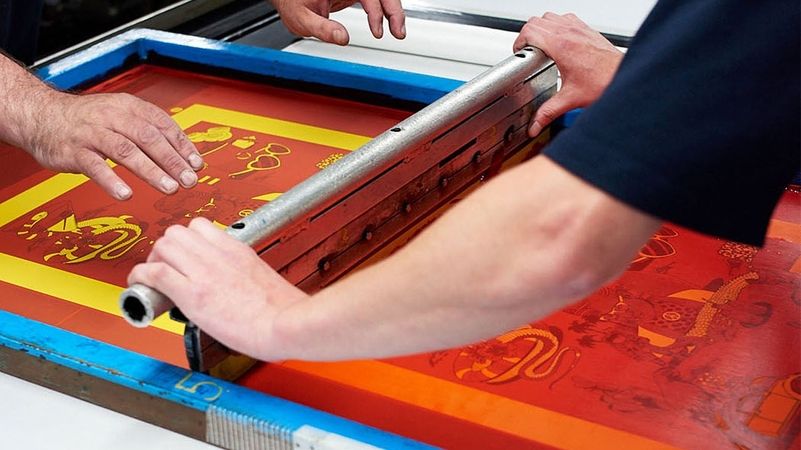
Screen printing is a printing method that uses mesh stencils to transfer ink to cloth or other surfaces. Different colors need different stencil and ink is pushed through the mesh with the help of squeezy. It is an appropriate technique when one needs to produce beautiful and permanent designs.
| Pros | Cons |
|---|---|
| Produces bright and bold colors | Setup can be time-consuming |
| Works on many materials | Not ideal for complex designs |
| Durable and long-lasting prints | Each color needs a separate screen |
| Cost-effective for large orders | Less efficient for small quantities |
| Can print large designs | Requires space and equipment |
DTG Printing Technologies
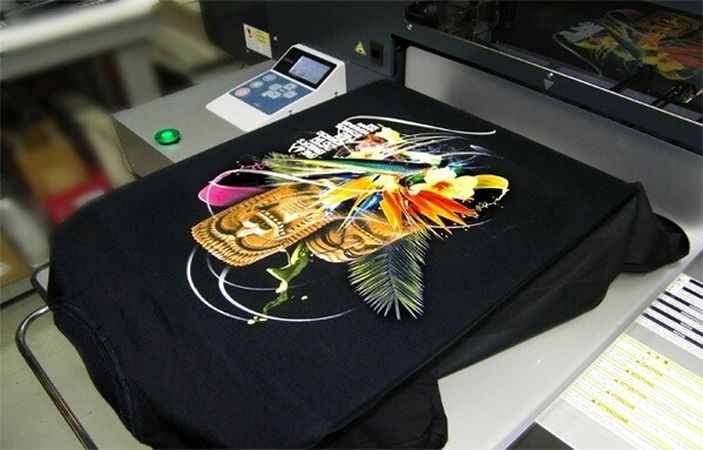
Direct to garment (DTG) printing is a method in which a printer prints ink directly on the fabric, similar to the mechanism that a general printer prints on paper. This process uses special inks that penetrate the fibers to reproduce a crisp and colorful design. DTG is suitable when you need to minimize setup time in detailed image, gradient and small lot production.
Apply for: 100% cotton, cotton blends.
| Pros | Cons |
|---|---|
| Can print complex designs | Slower for large orders |
| High-quality and detailed | Works best on light fabrics |
| Soft print finish | Ink can fade over time |
| Good for small batches | Higher cost per item |
| Easy to customize | Requires special pre-treatment |
DTF Printing Technologies
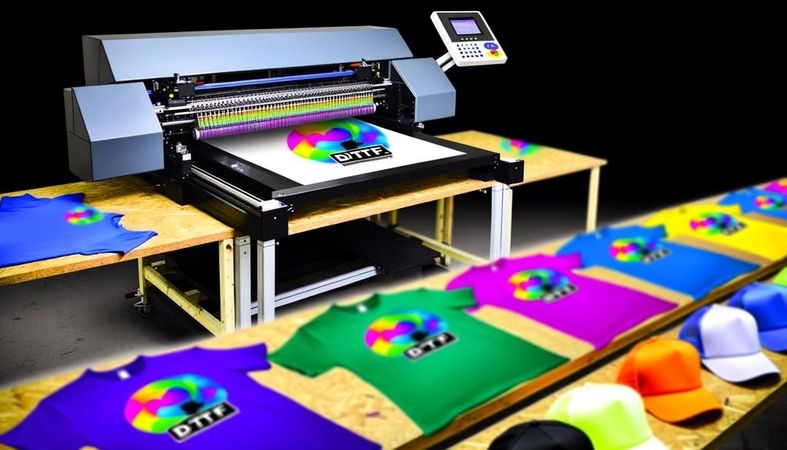
Direct to Film (DTF) printing is the process of printing the design onto a special film and then transferring it to the fabric using heat and pressure. It is appreciated that it can produce durable and colorful prints and that it can handle various materials. This method is frequently selected for clothing that requires detailed design and long-term durability.
| Pros | Cons |
|---|---|
| Works on multiple fabric types | Requires heat press equipment |
| Bright and colorful prints | Setup can be complex |
| Durable and flexible | Slightly thicker print texture |
| Good for small batches | Film costs add extra expense |
| Can print detailed designs | / |
Heat Transfer Printing Technologies
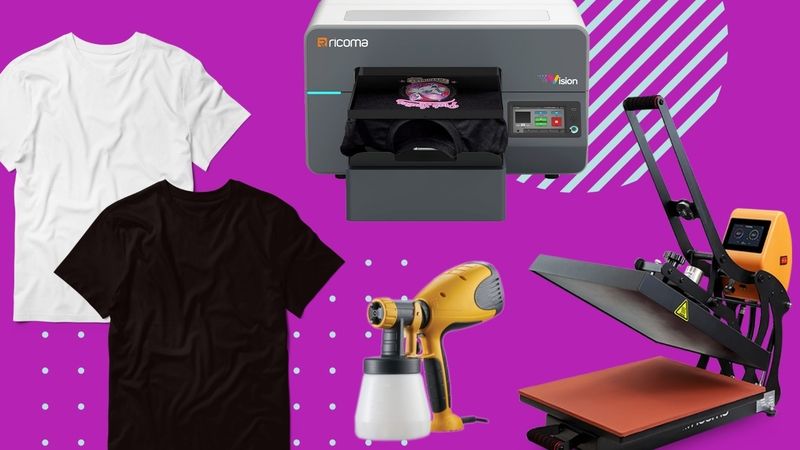
Thermal transfer printing employs the usage of heat and pressure to put printed images on paper and film into cloth. The technique is highly employed in customizing clothing and sportswear and in making promotional products. It does not require any complicated process added to the fact that it may fit very well in small businesses and homes.
| Pros | Cons |
|---|---|
| Works with full-color designs | Prints may peel over time |
| Easy for small orders | Less durable than screen printing |
| Fast and simple process | Not ideal for large production |
| Works on different surfaces | Limited feel and texture |
| Good for personalized items | May require special paper |
Sublimation Printing Technologies
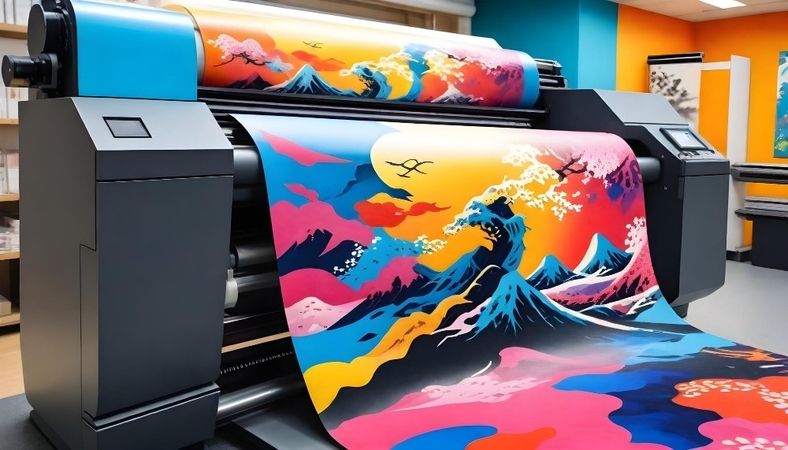
Sublimation printing converts solid ink into gas without going through the liquid stage and fuses the design into polyester fabric. This method reproduces vivid and permanent colors, without cracking or peeling. Sublimation printing is ideal for full color design and detailed patterns, but can only be applied to bright color polyester materials.
| Pros | Cons |
|---|---|
| Produces vivid colors | Works only on polyester or coated items |
| Long-lasting and durable | Not suitable for dark fabrics |
| Smooth print finish | Equipment can be expensive |
| Good for complex designs | Limited material options |
| Ideal for personalized items | Cannot print on cotton |
Bonus: Elevate Clothing Brand with PODpartner
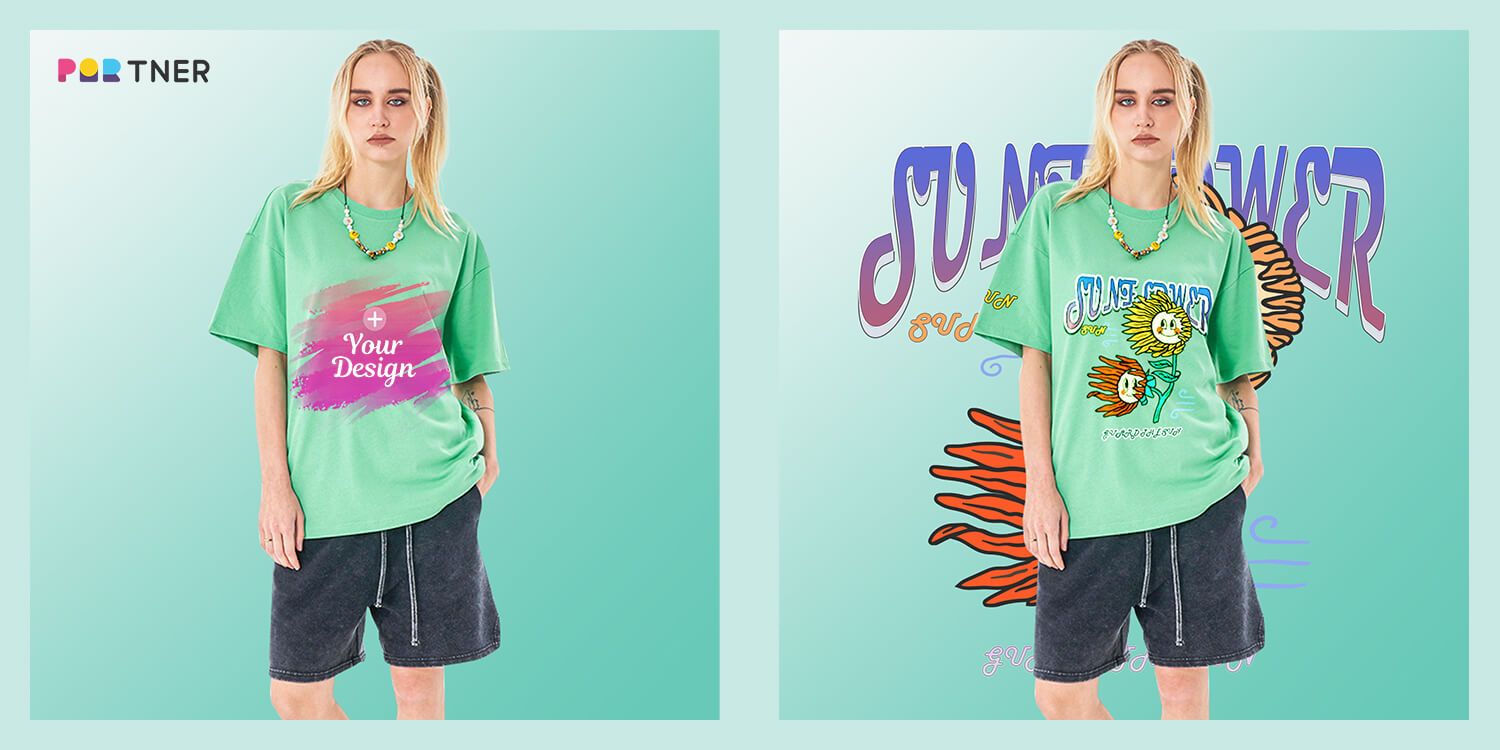
PODpartner is a print-on-demand service that provides all major printing methods in one place. We can respond to any needs such as custom embroidery and DTG printing for unique designs. By using PODpartner, you can leave printing and delivery to them while concentrating on design creation. This allows apparel brands to offer a variety of products without having to inventory, making them the best choice for new and growing brands.
Key Features of PODpartner
- Outstanding customization feature, use for free.
- No inventory or equipment investment required. The design is printed only when the customer confirms the order, thus reducing financial risk.
- Orders are processed and shipped quickly, thus maintaining customer satisfaction and facilitating repeat purchases.
- From simple text-based graphics to full-color artwork, you can create as many designs as you want without any restrictions.
- Uses high quality materials and printing technology to ensure a long-lasting and vivid finish.
- Set up the store and start selling immediately. No long setup times or complex steps required.
- Offers a variety of apparel options including custom T-shirts and sweatshirts to expand your customer choices.
Summary Comparison Table
There exist advantages related to each of the printing methods and they are fit to a certain purpose. This table outlines the best uses, key strengths and possible weaknesses of each of the printing technologies.
| Printing Method | Best For | Pros | Cons |
|---|---|---|---|
| Screen Printing | Bulk orders, bold designs | Bright colors, durable, works on many fabrics | Long setup, not for detailed images |
| DTG Printing | Small orders, detailed prints | High detail, many colors, no setup screens | Slower for bulk, best on cotton |
| DTF Printing | Versatile fabric printing | Works on many fabrics, durable, colorful | Requires special equipment |
| Heat Transfer | Custom short runs | Simple process, versatile | Less durable than others |
| Sublimation | Polyester products | Permanent colors, high detail | Only works on polyester, light colors |
Summary:
Each printing technology is suitable for different needs. Screen printing is ideal for bulk orders, DTG is suitable for small lot production, DTF is compatible with various fabrics, heat transfer is fast delivery production, and sublimation printing is ideal for polyester products. If you want to use these methods easily in one place, PODpartner provides reliable services for printing and order management of clothing and accessories.
Further reading

No Order Minimums

No Membership Fees

No Unsold Stock

No Quality Concerns
Only Creativity, Satisfaction, and Profits!