
 USD
USD
Private Label Apparel: What It Is and How to Start A Clothing Brand

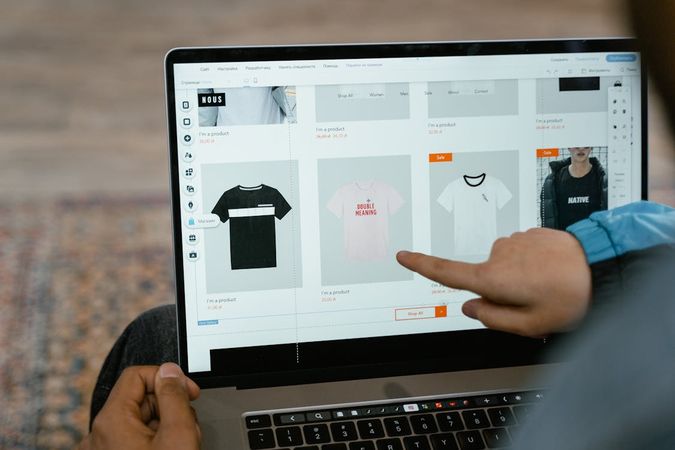
The clothing industry has changed a lot in recent years. Social media, online stores, and print-on-demand services have made it easier than ever for people to start their own clothing brands. You don’t need a big factory or a huge budget to get started anymore.
One popular way new brands launch today is by opening private label apparel companies. This means you sell clothes with your own brand name, but a private label manufacturer takes care of making the clothing for you.
Here we will explain what is private label apparel, what is the difference between private label vs white label products and how to start your own private label clothing brand step by step.
What Is Private Label Apparel?
Private label apparel means clothes are made by a manufacturer but sold under a brand or name of store. Private label apparel is a smart and easy way to build your own clothing brand without all the hassle of making everything yourself.
In this setting, the private label manufacturer makes the clothing. The brand decides how the product looks and feels in the market. This includes things like labels, packaging, logos, and how they promote it.
Usually, the process goes like this:
- A brand picks the styles they want like t-shirts, hoodies, or workout clothes.
- The manufacturer makes the clothes.
- The brand adds its own labels and branding.
- The clothes are sold with the brand’s name on them.
Small businesses can start their own clothing line without needing to build or run a factory this way.
Why Do Brands Choose Private Label Apparel?
Many people choose private label apparel because it gives them more control compared to selling regular, generic products. Here is why:
- Build Your Own Brand
Private labeling lets you create a unique brand with your own story and style. Customers get to know your brand, not just the maker behind it. - Make Your Products Stand Out
You can pick fabrics, colors, labels, and packaging to make your clothes different and special in the market. - Keep Customers Coming Back
When people like the style and message of your brand, they are more likely to become loyal customers who buy from you again and again.
Because of these benefits, many new clothing brands start by using private label apparel.
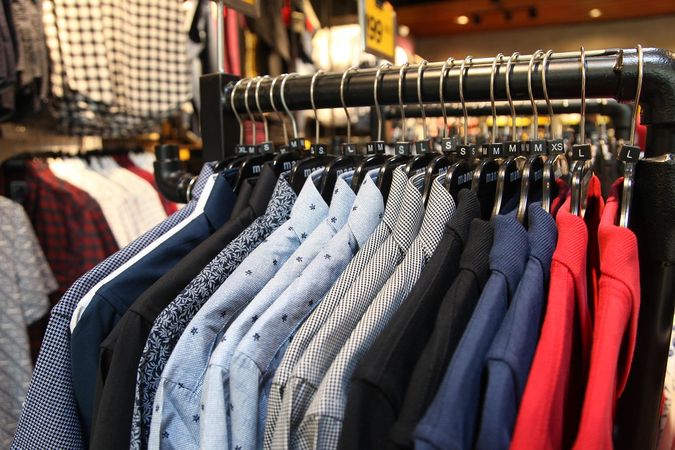
Private Label vs White Label: What’s the Difference?
A lot of people get confused between private label and white label products. Both mean that a manufacturer makes products for different brands, but the key difference is how much you can customize them.
- White label products are basic, ready-made items made in large quantities. Many companies sell these same products with only small changes, like adding their logo.
- Private label products give you more control. You can customize the design, materials, packaging, and other details of your products to fit the unique style of your brand.
In short, white label products are more generic. On the other hand, private label products are made to match the identity of your brand.
What Are the Four Types of Private Labels?
Private labels come in different styles depending on what the brand wants to do and who they want to sell to. Here are the four main types:
Generic Private Label
These are simple products with very little branding. They are usually affordable and compete mostly on price. Stores often use this type to offer cheaper options compared to big-name brands.
Copycat Private Label
Copycat private labels copy popular products from well-known brands. The branding might be different, but the style and use are very similar. This is common in fashion, where brands create clothes inspired by current trends.
Premium Private Label
Premium private labels focus on better materials, unique designs, and strong branding. These brands want to compete with top fashion labels, not just offer cheaper choices. They often tell a story about their brand and highlight quality.
Niche or Specialized Private Label
Niche private labels target specific groups of people. For example, fitness clothes made just for yoga lovers, or t-shirts designed for pet owners. This helps brands to connect closely with their audience and build a strong identity around shared interests.
How to Start a Private Label Clothing Line?
Here is a step by step guide on how do you start a private label clothing line. The process usually involves a few steps which are:
Define Your Brand and Niche
Before you pick what clothes to sell, it is important to know what your brand is all about. Ask yourself:
- Who do I want to sell to?
- What style or lifestyle does my brand represent?
- What problem or need does my clothing solve?
Having a clear focus helps your brand stand out. For example, instead of selling all kinds of clothes, you might focus on streetwear, gym gear, or simple everyday outfits. When you know your niche, it also makes marketing easier. This is because you know exactly who you are talking to.
Design Your Products
After you have figured out the style of your brand, it is time to design your clothes. Think about:
- Fabrics: cotton, polyester, or special performance materials
- Fit: loose, slim, oversized, or athletic cuts
- Styles: t-shirts, hoodies, jackets, or workout clothes
Your brand look also comes from details like logos, labels, and packaging. These small touches help create your brand’s personality and affect how customers see you.
Test Your Brand with Low-Risk Production
Usually, private label clothing requires buying a lot of items upfront, which can be expensive and risky if you are new.
A smarter way to start is with made-to-order or print-on-demand services. These let you create clothes only after someone orders them. Platforms like PODpartner help you launch your branded apparel without big upfront costs. You can test your designs and build an audience before investing in large production runs. Once your brand grows, you can switch to bigger private label orders.
Choosing the Right Private Label Apparel Companies
Picking the right manufacturer is super important for your clothes quality and your business success. Here is what to look for:
- Product Quality
Good quality means happy customers. Therefore, it is important for private label apparel companies to always ask for samples first to check the fabric and stitching. - Customization Options
Some manufacturers offer more ways to add your brand’s touch, like:
✓ Custom neck labels
✓ Embroidery or printing
✓ Special packaging
These help make your brand look professional and unique.
- Minimum Order Quantity (MOQ)
Many manufacturers ask for big order amounts. However, you will want lower MOQs so you can test your products without too much risk as a new brand. - Communication and Reliability
Choose manufacturers who communicate clearly and respond quickly. This helps to avoid mistakes and keeps production on track. - Production Location
Where the clothes are made affects shipping time and costs. Some brands like local factories for faster delivery. On the other hand, others pick overseas to save money. Think about what fits your business best.
Final Thoughts
Private label apparel gives entrepreneurs the ability to build unique clothing brands without owning factories or managing large production operations. By working with a private label apparel manufacturer, brands can control labels, branding, and product identity while focusing on marketing and growth.
Compared with white label products, private labeling provides stronger brand control and greater opportunities for differentiation. Many founders begin with made-to-order production models and later move into larger manufacturing runs as demand grows.
Further reading

No Order Minimums

No Membership Fees

No Unsold Stock

No Quality Concerns
Only Creativity, Satisfaction, and Profits!