
 USD
USD
More Than a Logo: Elevating Unboxing Experience with Custom Neck Labels, Hangtags, and Packaging

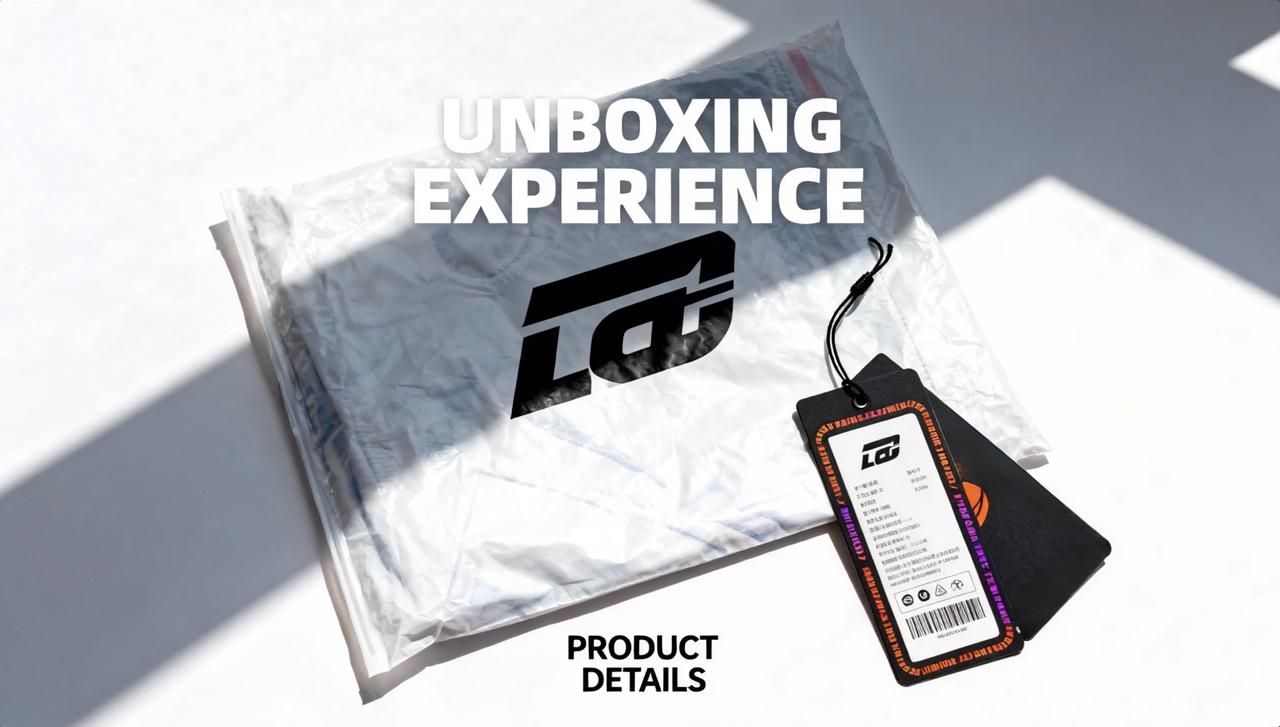
In the world of e-commerce, the physical touchpoint between a brand and a customer is rare.
Unlike a brick-and-mortar store where lighting, music, and sales staff contribute to the atmosphere, an online brand has only one guaranteed moment to make a physical impression: the unboxing.
Imagine the scenario: A customer discovers your streetwear brand on Instagram, falls in love with your design, and pays a premium price of $60 for a hoodie. They wait a week for delivery with high anticipation.
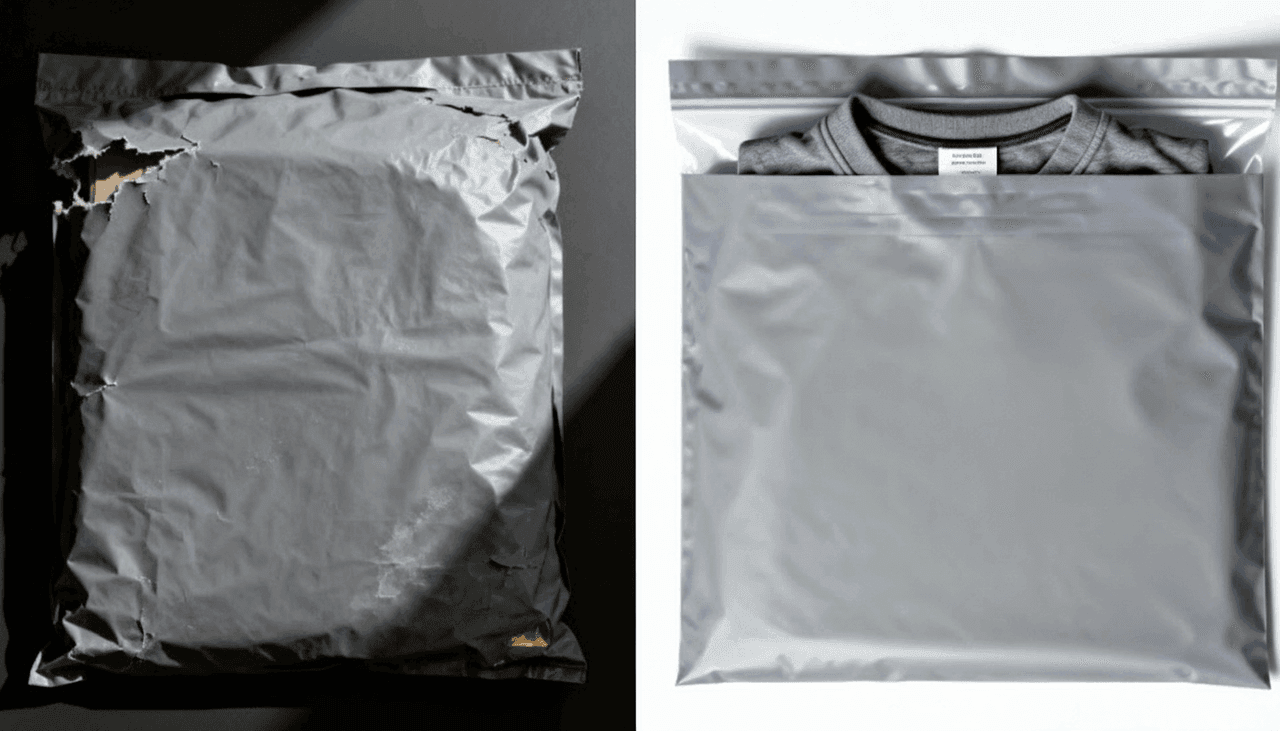
The package arrives. It’s a flimsy, dirty grey plastic bag that looks like it came from a discount warehouse. They tear it open, pull out the garment, and the first thing they see is a generic, scratchy manufacturer’s tag that says "Heavy Cotton."
In that split second, the magic breaks. The illusion of a unique, high-end brand collapses into the reality of a commodity. The customer realizes they haven't bought a "brand"; they've bought a print on a generic blank.
This article explores the critical importance of Private Labeling. We will dissect how the simple act of customizing your Neck Labels, Hangtags, and Packaging can psychologically transform customer trust, elevate perceived value, and turn a simple purchase into a loyal relationship.
The Psychology of Private Labeling: From Reseller to Brand Owner
Private Labeling is not just an aesthetic choice; it is a declaration of ownership. In the POD (Print-on-Demand) industry, the barrier to entry is low, which means the market is flooded with sellers. To stand out, you must transition from being a "design reseller" to a legitimate "brand owner."
1. The Trust Anchor
When a customer sees your logo on the neck label, it signals accountability. It tells the consumer, "We made this. We stand behind this quality." A generic tag signals, "We just printed on this." This subtle distinction is massive for building trust. If you are willing to put your name on the fabric itself, the customer subconsciously believes the product is of higher quality.
2. The Endowment Effect
Psychologically, custom branding triggers the "Endowment Effect"—the idea that people value things more when they feel a sense of unique ownership or exclusivity. A garment that looks like it was mass-produced for everyone feels less valuable than one that feels curated. Custom tags remove the "mass-market" stigma and replace it with a boutique feel.
The Packaging: The First Impression
Before the customer touches the fabric or sees the hangtag, they interact with the package. This is the "Cover of the Book."
1. Building Anticipation
A generic grey poly mailer is forgettable and often associated with cheap goods. A Customized Package (such as a branded poly mailer or a logo sticker on a high-quality bag) instantly builds excitement. It transforms the walk from the mailbox to the house into an event. The customer knows exactly who the package is from before they even read the label.
2. Professionalism and Protection
Custom packaging does more than look good; it signals that the brand cares about the product's journey. It implies that the item inside is valuable enough to warrant a specialized container. This "protective" psychology enhances the perceived value of the garment inside. It tells the customer: "This isn't just a t-shirt; it's a [Your Brand Name] product."
The Hangtag: Your Brand’s Business Card
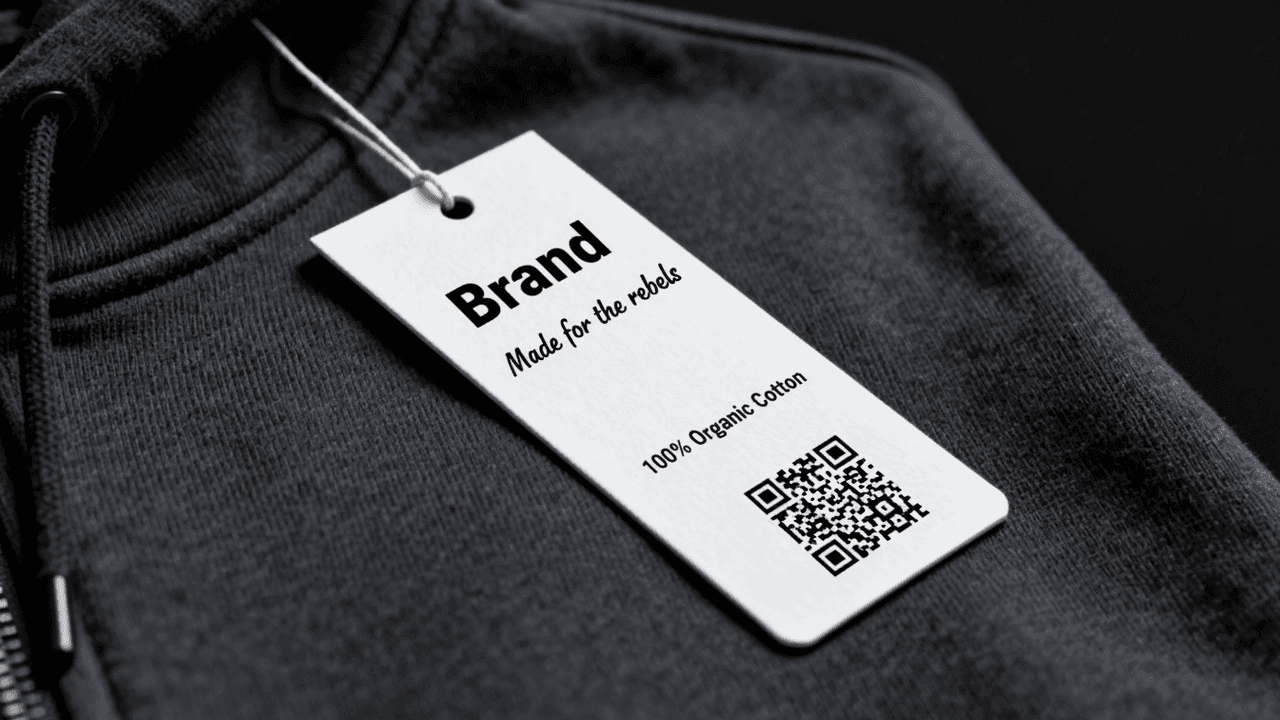
Once the package is opened, the hangtag is often the first thing a customer touches before they even unfold the garment. It serves as the bridge between the packaging and the product.
1. Elevating Perceived Value (The Pricing Power)
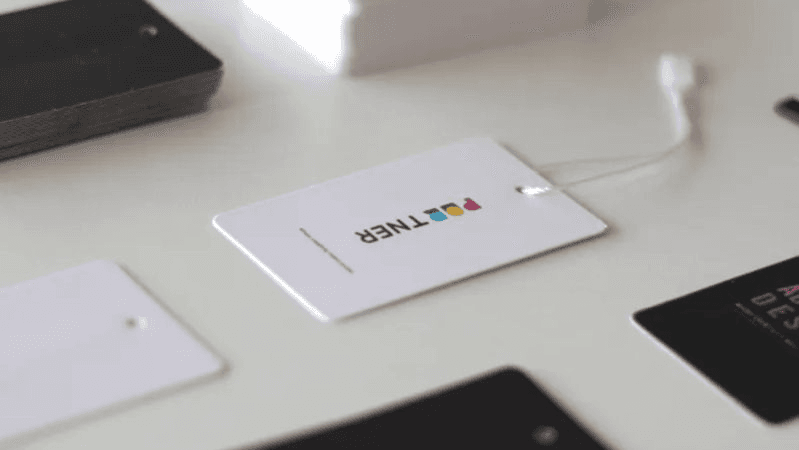
There is a tangible correlation between the weight of a hangtag and the perceived price of a garment. A thick, matte-finish hangtag with a high-quality string signals "luxury." It creates a psychological buffer that justifies a higher price point. A t-shirt with a premium hangtag feels like it belongs in a boutique; the same shirt without one feels like it belongs in a discount bin.
2. Storytelling Canvas
A hangtag is real estate for your brand story. Since you cannot be there to speak to the customer, let the tag do the talking.
- Mission Statement: "Made for the rebels."
- Sustainability: "100% Organic Cotton."
- Connection: A QR code leading to your Spotify playlist or Instagram community. This turns a disposable piece of paper into a touchpoint for engagement.
The Neck Label: The Mark of Identity
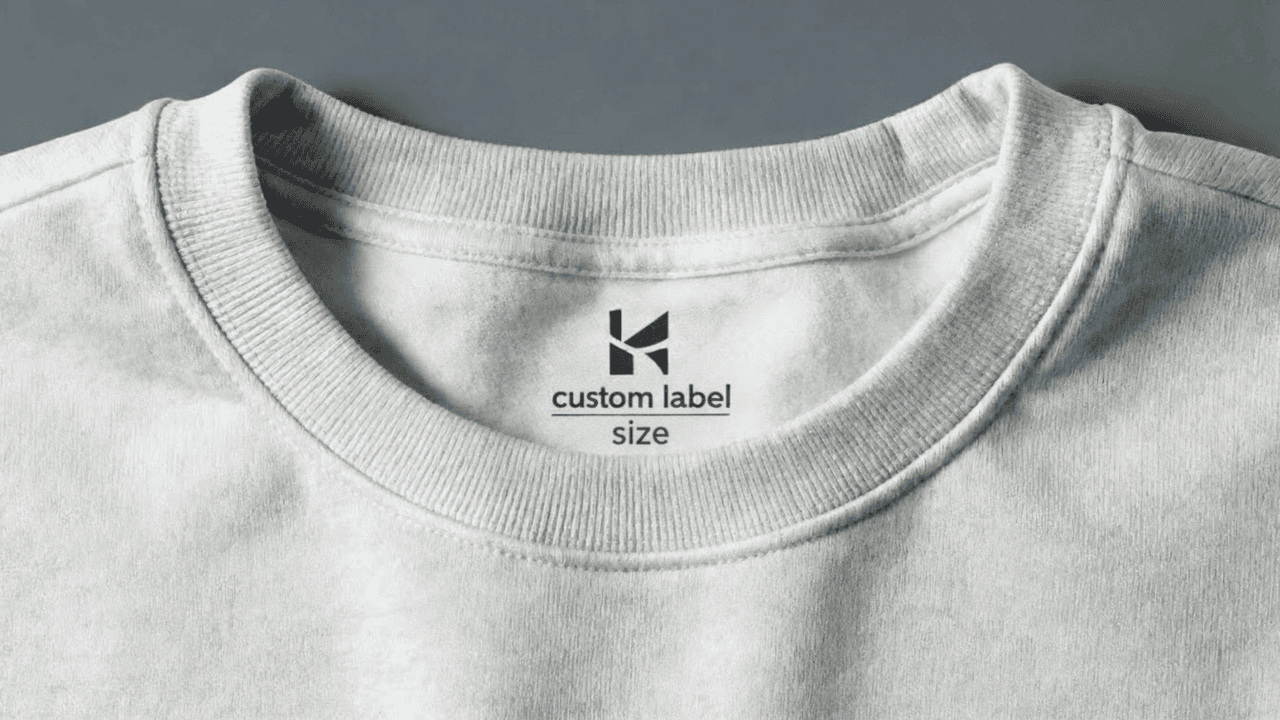
Finally, we reach the most intimate part of the garment—the neck area. It touches the skin; it is the first place a user looks to check the size; it is what they see every time they fold the laundry.
1. Removing the "Middleman"
The first step in Branding Services is the removal of the manufacturer's tear-away tag. Leaving a wholesale tag is the equivalent of a chef serving a meal with the supermarket price sticker still on the ingredients. It breaks the immersion. By removing it, you erase the supply chain transparency that might lead customers to price-check the blank garment, keeping the focus entirely on your brand's value.
2. Tagless Comfort and Professionalism
Modern premium brands often opt for tagless, heat-transferred neck labels. This serves a dual purpose:
- Functional: It eliminates the itchiness of woven tags, improving comfort.
- Aesthetic: It looks sleek and integrated. Your custom neck label should include your logo, size, material composition, and care instructions. But more than that, it reinforces brand recall. Every morning when the customer puts that shirt on, they see your logo, not the blank supplier's. This repetition builds "mindshare."
The Unboxing Experience as a Retention Tool
In the era of social media, Unboxing is content. Customers love to share their purchases, but they only share things that make them look good.
1. Social Currency
A package that arrives with a custom poly mailer, a branded hangtag, and a neat neck label is "Instagrammable." A plain grey bag with a generic shirt is not. By investing in branding services, you are essentially paying for user-generated content (UGC). When a customer posts your product, the visible hangtag serves as a physical watermark, advertising your brand to their followers.
2. Reducing Returns
Surprisingly, better branding can reduce return rates. The "Halo Effect" of premium packaging makes the product itself seem better. When a customer sees the effort put into the labels and tags, they are more forgiving of minor discrepancies and more likely to cherish the item. It signals that the brand cares, which makes the customer care.
Conclusion: An Investment, Not a Cost
Many POD sellers view custom labels and hangtags as an unnecessary extra cost—something that eats into their margin. This is a short-sighted view.
In a crowded market, your brand is your only defensible asset. Anyone can copy a design; no one can copy your brand. By utilizing Branding Services from partners like PODpartner to implement Private Label solutions, you are not just selling clothes; you are building an experience.
Crucially, PODpartner revolutionizes how this is done. Unlike competitors who require you to pre-purchase thousands of hangtags and pay for storage and pick-and-pack fees, PODpartner supports on-demand production for branding materials. Your hangtags, labels and packaging are produced with your order, meaning zero upfront cost, zero inventory risk, and zero storage fees.
The transition from a generic tag to a custom identity is the defining line between a side hustle and a serious fashion business. It tells the world that you have arrived, and more importantly, it tells your customer that they have made the right choice.
Further reading

No Order Minimums

No Membership Fees

No Unsold Stock

No Quality Concerns
Only Creativity, Satisfaction, and Profits!