
 USD
USD
20+ Product Mockup Prompts for Midjourney for Your Store

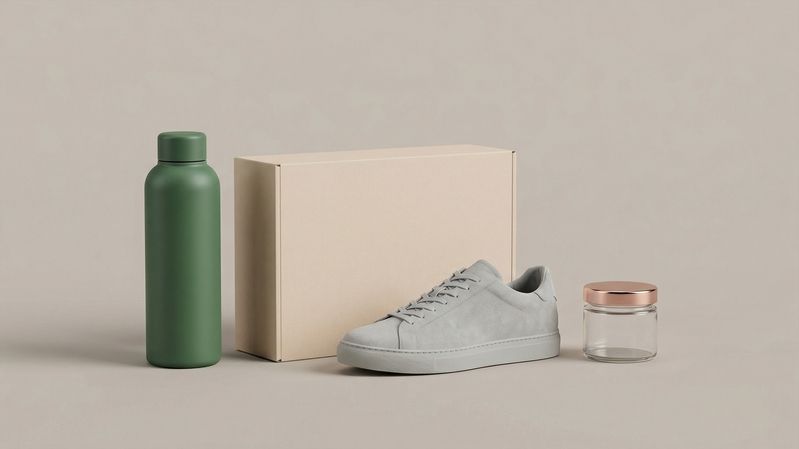
If you run an online store, you already know the bottleneck is not always design. It is visuals. Product pages live or die by the first image. That is why more store owners are leaning heavily on product mockup prompts for Midjourney. They want to move faster, test ideas earlier, and avoid wasting money on physical samples that may never sell.
Traditional Photoshop workflows still have their place. But let's be honest. Building realistic scenes from scratch takes hours. Stock photos rarely match your product. And compositing apparel designs onto blanks can quickly look fake if your lighting and shadows are off by even a little.
AI mockups now dominate early-stage visual development because they compress that timeline. Instead of waiting for a sample, you can generate a realistic preview in minutes.
For print-on-demand sellers, this is especially powerful. Before sending anything into production through platforms like PODpartner, sellers can validate colorways, embroidery placement, print scale, and overall aesthetic using mockups. You are not guessing anymore. You are testing.
What Makes a Good Product Mockup Prompt
The biggest mistake people make with Midjourney is writing prompts like they are writing poetry. That approach looks cool. It does not sell products.
Specificity wins. You need to define lighting, camera angle, environment, and surface materials clearly. "Minimalist hoodie mockup" is weak. "400gsm heavyweight cotton hoodie, front view, soft studio lighting, neutral beige backdrop, subtle floor shadow, 85mm lens, shallow depth of field" is strong.
Commercial realism is the goal. Not concept art. You want images that could pass as ecommerce photography.
Prompt length matters too. Too short and Midjourney fills in gaps with chaos. Too long and you create conflicting signals. Structure your prompts cleanly. Product first. Setting second. Camera and lighting third. Style modifiers last.
How These Prompts Help Sell Products
Fast mockups mean faster launches. You can test five colorways in an afternoon. That is impossible with traditional sampling.
They also make A/B testing easier. Swap hero images. Compare studio shot versus lifestyle scene. Measure click-through rates before you commit to ad spend.
Concept validation becomes practical. Before manufacturing through a fulfillment partner like PODpartner, you can gauge audience reaction using realistic visuals.
For Shopify stores and marketplaces, optimized listing images are not optional. Clean lighting, consistent framing, and platform-friendly aspect ratios directly influence conversion.
How to Structure Midjourney Mockup Prompts
Start with the product and setting. Always.
Then layer in camera details. Lens type matters. An 85mm lens creates flattering compression for apparel. A 35mm lens feels more environmental. Depth of field controls realism.
Add style modifiers and realism tags at the end. Terms like "ultra realistic," "commercial photography," or "high resolution product photography" help push the output away from illustration territory.
Aspect ratios should match storefront needs. Square for Instagram. 4:5 for product listings. 16:9 for banners.
Use negative prompts to eliminate clutter. Add instructions like "no distorted logos, no warped text, no extra hands, no messy background." It saves hours of reruns.
Categories of Product Mockup Prompts for Stores
Apparel Product Mockups
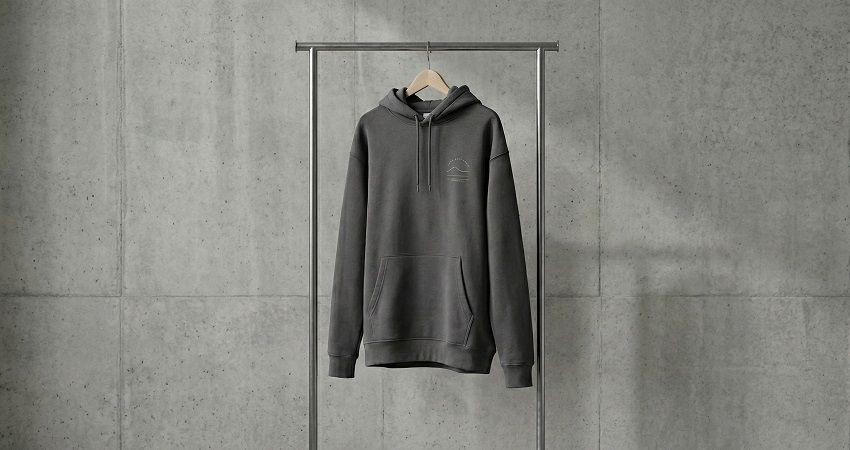
Flat lays for tees and hoodies. Lifestyle shots for streetwear brands. Clean studio setups for basics.
As brands grow, consistency becomes the real competitive advantage. Platforms like PODpartner focus on dependable production workflows that help sellers maintain quality across repeated orders and expanding product lines.
Packaging and Label Mockups
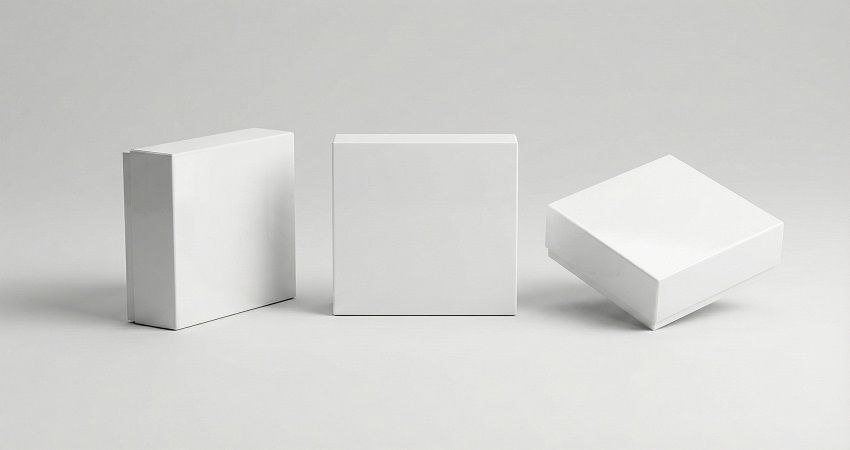
Subscription boxes on textured surfaces. Cosmetic bottles with controlled reflections. Food jars lined up on grocery shelves.
Packaging is branding. Mock it properly.
Digital Device Screens
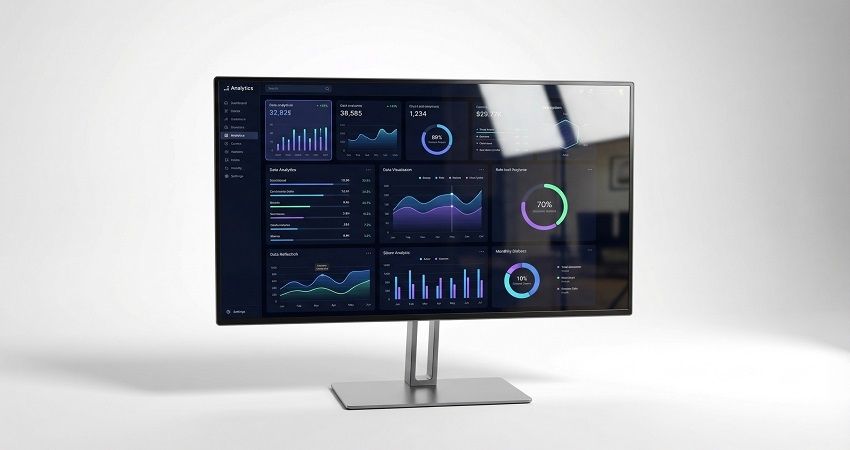
Laptop dashboards. Smartphone UI previews. Tablet layouts.
These need accurate perspective and clean screen glare effects. Otherwise they look like floating rectangles.
Print and Paper Goods
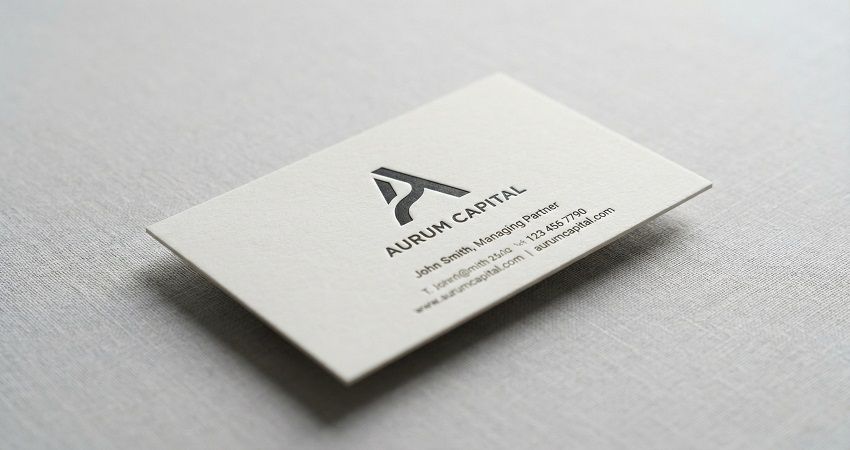
Flyers on textured desks. Greeting cards in soft daylight. Stickers scattered naturally.
Paper texture realism is critical. Too smooth and it feels digital.
Retail and Advertising Displays
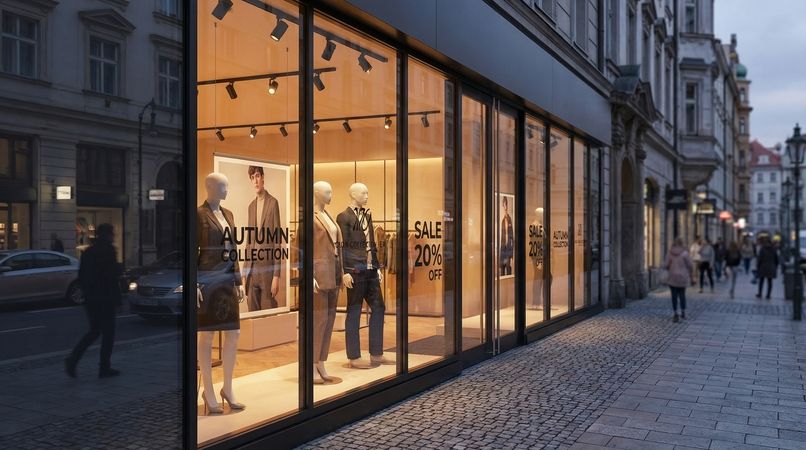
Window posters. Trade show booths. Outdoor banners on buildings.
Scale and environmental context matter here. A poster should feel integrated into the space, not pasted on.
Home and Lifestyle Products
Mugs on kitchen counters. Pillows on linen sofas. Framed wall art above neutral couches.
The background should support the product, not steal attention.
Luxury and Premium Branding Scenes
Perfume bottles on marble. Watch boxes under directional lighting. Jewelry cases on black velvet.
Reflections and shadow control are everything in premium scenes.
Social Media and Marketing Graphics
Carousel ads. Influencer flat lays. TikTok thumbnail scenes.
These mockups should feel native to the platform while still highlighting the product clearly.
20+ Product Mockup Prompts for Midjourney
Below are structured prompts you can adapt directly. Replace bracketed text with your brand specifics.
- Ecommerce-ready heavyweight cotton t-shirt mockup, front view, neutral beige studio background, soft diffused lighting, subtle floor shadow, 85mm lens, shallow depth of field, ultra realistic product photography --ar 4:5
- Luxury rigid packaging box with embossed logo on white marble surface, soft natural window light, delicate shadow falloff, editorial commercial photography --ar 1:1
- Smartphone app interface displayed on modern phone floating above minimalist oak desk, soft daylight, realistic screen glare, 35mm lens --ar 4:5
- Skincare bottle on stone pedestal, cinematic side lighting, textured concrete wall background, high-end cosmetic campaign aesthetic --ar 4:5
- Natural canvas tote bag held by faceless model in outdoor city setting, golden hour lighting, street style photography --ar 4:5
- Branded coffee cup on café counter, warm interior lighting, shallow depth of field, realistic condensation details --ar 1:1**
- Poster mockup framed in modern apartment living room, neutral walls, soft indirect light, interior design magazine style --ar 4:5
- Hardcover notebook flat lay on textured wooden desk, soft overhead lighting, subtle shadow realism, macro product photography --ar 1:1
- Jewelry case opened on black velvet surface, dramatic spotlight, luxury brand campaign style, high contrast shadows --ar 1:1
- Billboard mockup in urban downtown setting, overcast lighting, realistic scale perspective, street photography realism --ar 16:9
- Business card macro photography on concrete surface, shallow depth of field, sharp logo focus, professional studio lighting --ar 1:1
- Shipping box with branded tape on warehouse packing table, industrial lighting, realistic cardboard texture --ar 4:5
- Heavyweight hoodie worn by faceless model walking city street, natural daylight, 85mm lens compression, authentic streetwear photography --ar 4:5
- Minimal desk setup with laptop, branded stationery, ceramic mug, soft window light, productivity lifestyle aesthetic --ar 4:5
- Premium gift box with ribbon on neutral fabric surface, soft diffused lighting, luxury ecommerce photography --ar 1:1
- Grocery shelf packaging lineup, realistic supermarket environment, fluorescent store lighting, commercial photography realism --ar 16:9
- Product label macro close-up on glass bottle, sharp focus, textured paper detail, studio lighting --ar 1:1
- Influencer overhead flat lay with skincare products, neutral props, soft daylight, social media campaign aesthetic --ar 1:1
- Book cover mockup on retail shelf display, bookstore lighting, realistic depth and perspective --ar 4:5
- Restaurant menu board mounted on brick wall, warm ambient lighting, realistic typography rendering --ar 4:5
- Outdoor vinyl banner signage attached to metal frame, windy urban setting, natural daylight, commercial realism --ar 16:9
- Social media advertisement displayed inside smartphone UI, modern app interface, realistic hand holding phone, soft natural light --ar 4:5
Add negative prompts when needed: no distorted text, no warped logos, no extra fingers, no unrealistic reflections.
Advanced Prompt Techniques for Better Results
Add camera metadata style details. For example: "shot on full-frame DSLR, 85mm lens, f/2.8 aperture." It nudges Midjourney toward photographic realism.
Control mood with lighting language. "Soft morning window light" creates a very different atmosphere than "dramatic studio spotlight."
Use environmental storytelling carefully. A tote bag near a train platform tells a commuter story. A mug beside a laptop suggests productivity.
Weight critical elements. If your logo matters most, repeat or emphasize it clearly in the prompt. And always include negative prompts to reduce warped hands or distorted branding.
Common Mistakes to Avoid
Vague prompts produce vague results.
Conflicting descriptors confuse the model. Do not ask for "minimalist maximalist luxury grunge."
Ignoring aspect ratios leads to awkward cropping on storefronts.
Unrealistic textures break trust. If cotton looks plastic, customers notice.
Backgrounds that overpower products kill conversions. The product must remain the focal point.
Where to Generate Mockups Besides Midjourney
Midjourney is powerful, but it is not the only option. Testing alternate AI image generators can give you different lighting interpretations or sharper typography.
Advanced teams even train brand-specific models to maintain consistent aesthetics across campaigns.
For ecommerce operations, batch generation pipelines are becoming standard. Generate multiple mockups, filter the strongest visuals, test them in ads, then push winning designs into fulfillment systems like PODpartner for production.
Conclusion
Mastering product mockup prompts for Midjourney is not a creative flex. It is a competitive advantage.
Brands that move fast from concept to listing win more testing cycles. POD-integrated workflows shrink the distance between design, validation, and fulfillment.
Great mockups do not happen by accident. They come from precision. The sharper your prompt, the sharper your store looks.
Further reading

No Order Minimums

No Membership Fees

No Unsold Stock

No Quality Concerns
Only Creativity, Satisfaction, and Profits!