
 USD
USD
Top 15 Profitable Side Hustles in 2026


After sitting in enough coffee shops with founders and freelancers who were looking to supplement their income outside the conventional 9-to-5 job,
I have seen how modern side hustles quietly offer a real chance to achieve financial freedom by transforming late night hobbies into real profit, unlocking surprisingly creative opportunities that most people ignore.
This article highlights the best ideas for 2026, ranging from freelancing and print-on-demand ventures to other innovative options, helping you discover the ideal direction that actually fit your interests, and start building a serious path toward long term success.
What a side hustle means in 2026
After years in the trenches watching people test, break, and rebuild income strategies, I have learned that a side hustle in 2026 is not about burning yourself out, it is about smart, flexible work outside your main job that fits real life. The best ideas run from home, slot into a few focused hours each week, and slowly grow into something profitable enough to challenge the nine to five instead of becoming a second exhausting career.
The most successful hustlers come from every background imaginable, parents working during nap times, students editing between lectures, professionals stacking income streams after hours, and the right path always comes down to your skills, the time you actually have, whether you enjoy the grind, and how fiercely you protect your sleep.
Stick with us as we break down 15 high potential side hustle ideas for 2026.
1. AI-enhanced freelancing services

In my experience, working with consultants, designers and solo operators, the freelancers that succeed are those who view AI as a junior partner and not a party trick and use it to write copy, sketch graphics, analyse data, automate outreach, and pack hours (spent) of work into tight, billable sprints that clients are happy to pay. Artificial intelligence-based freelancing has snuck its way to be among the most potent offers in the contemporary side hustle economy.
The true competitive advantage is judgment, the ability to make timely prompts, polish coarse productions, add human taste to it, and package the product into high-end services that can be delivered by the business solely on the basis of templates.
Freelancing in the year 2026 begins to resemble scramble to find a gig and run a one car at a time business model less often with lean overheads and fat margins, writers become content systems, marketers become funnel designers, and developers become one-car-at-a-time scale-able product studios.
2. Content Creation
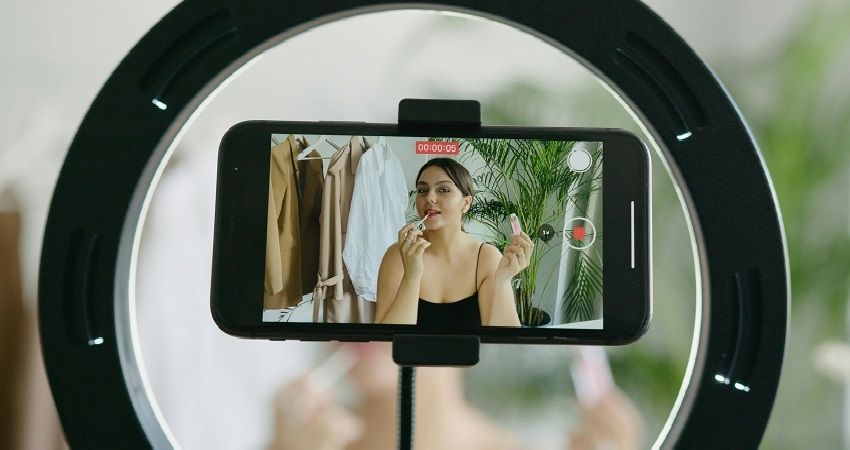
This has turned it into a literal business in 2026, and once the creators learn to be game changers and have shifted to posting content to simply posting it, making every post with gain and revenue in mind is now the model, with all this across platforms like YouTube, Tik Tok, Instagram, and X.
The vast majority of them start with advertisements and brand offers, then layer on affiliate links, product, online courses and in-person classes, and tools like Substack and Patreon allow them to own their following rather than have to rely on the fluctuating algorithms.
The last thought process of creators is that of a product builder, who is obsessive with analytics, perfecting formats, reinvesting in the production quality, and developing recognizable voices that compound over time such that a channel becomes a brand instead of just another disposable feed.
3. Online Tutoring

Online tutoring has emerged as a high-skill-to-earnings gambit in 2026, with the winners of the game no longer conceptualizing teaching as 1-hour lessons, but rather as systems that students will be drawn to along marketplaces such as Wyzant, Preply, and Superprof, or as classroom operators using Teachable and Kajabi.
Breaking up knowledge into specialized meetings, defined learning journeys, and replicable structures and then automating and recording tutorials enabled by application features such as Zoom and Calendly, instructors can grow both in terms of revenue and speed.
The most aggressive growers market tutoring as a brand during the first year, and invest back into curriculum and marketing to such an extent that a few calls a week become a sustainable education model that continues to bring in new students even after the initial group of students develops.
4. Newsletter

Newsletter enterprises have already become media brands instead of weekend projects, and winning the newsletter business is simple to identify: they find one niche, release once a reliable schedule, and take distribution and monetization nearly as seriously as the writing.
Owning their email lists, rather than being at the mercy of their algorithms, a number of creators expand free weekly sends into paid plans, sponsorships, research drops, and closed communities on products such as Substack, Beehiiv, ConvertKit, Ghost and Revue.
The most astute publishers are already making one voice, one laptop, their enduring publishing machines by wrapping up archives, playbooks, job boards and exclusive briefings into a subscription that grows each and every month rather than pursuing the transient attention span.
5. Podcast Monetization

The monetization of podcasts is going to be a serious business plan in 2026, and having seen hosts rise out of bedroom microphones to professional media enterprises, the trend is self-evident: the victors will continue to publish, will be in a strict lock-out schedule, will be obsessed with serving the sharply-defined listener as opposed to mass appeal.
The bulk of shows are sponsored and advertised using services such as Spotify Podcasters, Apple Podcasts Subscriptions, Patreon, and Supercast before moving on to paid feeds, bonus episodes, live recordings, and premium interview series based on the level of loyalty.
The most intelligent podcast hosts bundle money with merchandise, consulting, newsletters and digital offerings and plow the earnings back into sound quality and reach to ensure that each episode of the show enhances the audience connection and makes a single show a long-lasting media enterprise instead of a brittle marginal undertaking.
6. App & website testing
Testing apps and websites has become an under-the-radar profitable side business as software development teams compete to launch a new version faster and squash bugs, and I have observed testers generate more consistent revenue by specialising in usability reviews, onboarding, and accessibility review of websites on platforms such as UserTesting, Trymata and PlaytestCloud.
Best-paid consultants turn this into a form of consulting, writing down sharp walkthroughs, finding conversion leaks, and having reputations that open the doors to premium studies and repeat invitations.
Others go a step higher and package the startup audit or start up research agencies, transforming brief or short sessions into service businesses as opposed to one off gigs.
7. Selling Digital Products
The sale of digital products has now become one of the whitest of leveraged positions in the side hustle sector, and I have seen solo creators earn more than freelancers by selling expertise as templates, prompts, design kits, spreadsheets, and short courses sold via platforms like Gumroad, Podia, and Shopify.
The winning operators are obsessed with positioning and iteration, researching what works, refining designs, and reinvesting initial sales in bundles, advertisement, email lists such that every release is improved over the previous.
Consumer-friendlies The most powerful companies layer products into systems, small downloads which can be upgraded into premium programs or subscriptions, making a single file a compounding revenue machine rather than a revenue spurt.
8. Print-on-demand
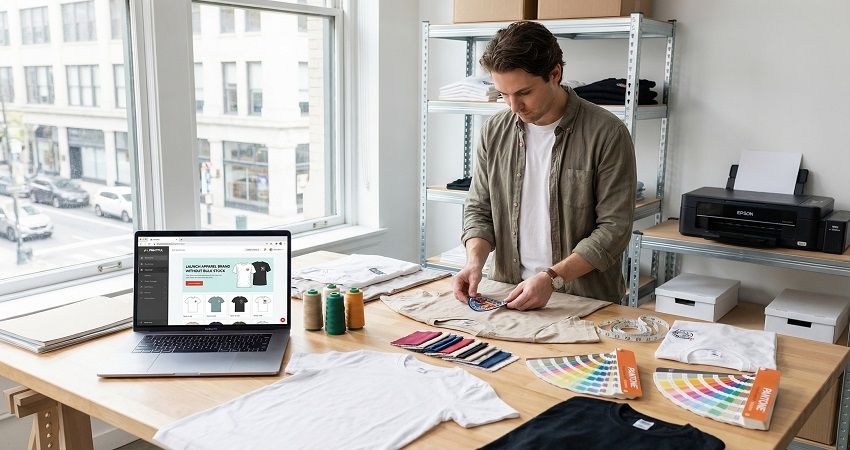
Print-on-demand is one of the smarter ways to enter brand building in 2026, particularly to creators who would like to launch apparel without placing a bet on bulk stock, and I have seen founders execute faster by working with apparel-specific manufacturing solutions like PODpartner, which is purpose-built around clothing and does not risk placing a bet on anything before orders are placed, and creators can test colors, fabrics, embroidery, and multi-placement prints first and scale later.
Speed and iteration, uploading design, observing what sells, cutting off bad sellers early, and further investing in the winners with storefronts on sites such as Shopify, which transform small experimental drops into data-driven collections instead of guessing which styles might find favor with the buyer make modern POD work.
The winning operators who do not succeed in a short term-oriented mindset approach to POD are more like fashion startups, investing early on brand identity, packaging, and customer experience, reinvesting revenue in marketing and product development, and slowly transforming few successful designs into recognizable brands with returning customers and defensible positioning.
9. Etsy Side Hustle
An Etsy side hustle is among the quickest methods to transform creativity into revenue in 2026 and has seen sellers grow their business by starting with weekend tests to niche labels by leveraging what Etsy does best 7 linking unique handcrafted, personalized and vintage items with potential customers worldwide who already seek out those products.
The winners remain concentrated, drill down to narrow niches, high-quality photography, listings loaded with keywords, and nitpicky review management, usually matching handmade products with print-on-demand or exclusive drops to test concepts within no more than risky timeframes.
Starting with a storefront might become a real business when the sellers think in brands, create signature styles, develop email lists off-platform, reinvest in packaging and advertisements, and transform one winning niche into a defensible shop with repeat buyers.
10. Graphic design
In 2026, graphic design is one of the most adaptable skill-based side jobs, and I have seen lone designers make serious money anytime people find spare evenings by packaging logos, social templates, and brand packages to customers on sites like Fiverr and Upwork where speed and specialization is vital over impressive resumes.
The products offered by the fastest growers are productized as they include launch packages and monthly content delivery systems, streamlining the work with the help of Adobe and Canva.
What begins as freelancing will tend to escalate into a studio type arrangement, where designers develop recognizable styles, gather testimonies, and re-invest in marketing and referrals rather than going after the one-off jobs.
11. Photography

In 2026, photography has become a very strategic side hustle, and I have seen shooters size up the weekend gigs into an actual business by niching down to product work, lifestyle branding, events, or drones and licensing the images through Shutterstock, Getty images, and Adobe Stock and direct-booking clients.
Best earners manage their portfolios like storefronts and select narrow collections, upgrade the gear, insure the work on contracts, and re-invest in editing and marketing so that each shoot yields numerous revenue streams.
What begins as a project turns into a household name with recurring clients, licensing fees, and high-end campaigns and a camera becomes a long-lasting creative enterprise rather than an occasional job.
12. Reselling collectibles
In 2026, the resale of collectibles has become a treasure hunt based on data and operators have optimized weekend sourcing into an actual business, learning to exploit scarcity, authentication and buyer psychology on sites such as eBay, Whatnot and StockX, where timing and presentation are more important than the item itself.
The quickest growth operators follow obsessively, have niche interests such as trading cards, sneakers, or vintage toys, have sourcing networks locally, and sells inventory that generates cash fast rather than tying up cash in slow-moving items.
What begins as flipping can quickly develop into a brand when the sellers gain the trust, make publicly known finds, create personal lists of buyers and reinvest into bigger deals making arbitrage a lasting business and not a one-time miracle.
13. Content Writing
Content writing has remained one of the most reliable side jobs in 2026, and I have seen writers of freelance articles turn evening off-time into a regular revenue stream by focusing on SaaS blogs, ecommerce copy, newsletters, and SEO pages purchased via a platform like the Upwork, Fiverr and LinkedIn, where snappy positioning outsmart generic spreadsheets every time.
Those who run quickest cease selling volume of words and begin selling results, site improvement, conversions, and authority, refocus research apparatus, perfect the strategy of keywords, and change tone across brands in such a way that clients can witness actual business effect.
A pitching of articles may easily become a literal business when authors start their own newsletters/blogs, assemble their own case studies and reinvest in both tools and distribution, transforming freelance work into retainer work instead of the monthly scramble.
14. Virtual Bookkeeping
Virtual bookkeeping is among the most reliable remote side hustles in 2026 and I have seen bookkeeping-savvy operators generate reliable monthly revenues by maintaining small business books using applications such as QuickBooks, Xero, and FreshBooks and keeping overhead down.
The highest earning individuals transcend data entry into payroll, expense optimization, tax coordination, forecasting, and advisory to become a trusted financial partner and command higher retainers.
What begins with a handful of clients may grow into a boutique company as the operators automate onboarding, systemize operations, get testimonials and hire more staff and transform the routine ledger work into a recurrent-revenue company, rather than the brittle-pins-on-a-needle operation.
15. Personal training

Personal training is a hybrid, brand-driven side hustle by 2026 with coaches shrinking gym-floor work into real businesses by combining in-person work with online programs and accountability systems on platforms such as Trainerize and TrueCoach that allow them to manage workouts, nutrition plans, and client progress in large numbers.
The highest-earning segment focuses on results such as fat loss, mobility, or strength in busy professionals, bundle multi-week transformations and be marketed to inbound traffic via content on apps like Nike Training Club rather than just using gym traffic.
What begins as freelancing ends up becoming a familiar coaching brand as trainers professionalize onboarding, accumulate evidence, invest back in marketing, and add group programs or online courses on top, transforming sessions into sustainable businesses instead of having time limits on side jobs.
Conclusion
2026 will prefer builders, as opposed to incidental side-gig workers. Those who are winning are those who design systems, own distribution, and reinvest early profits in systems that scale without wearing them out because the best hustles of today are those that do repeat customer, name recognition, and monthly improving processes. The best bet is to choose one model that is gaining traction, get in-depth, learn its platforms and perfect the offer and not to jump ship to all the glittering ideas before any of them can compound.
The only thing that leads to actual progress is unceasing consistency, shipping speed, testing pricing and positioning, learning what works, and creating a brand by making dozens of little improvements rather than having a perfect launch. The most lucrative hustles will not become an overnight sensation, they will mutually compound as they grow following larger and larger audiences, superior offers, referrals, and automation, and will slowly build leverage until a side project becomes a sustainable business generator, long after the initial grind dies.
Further reading

No Order Minimums

No Membership Fees

No Unsold Stock

No Quality Concerns
Only Creativity, Satisfaction, and Profits!