
 USD
USD
Screen Printing: A Comprehensive Guide

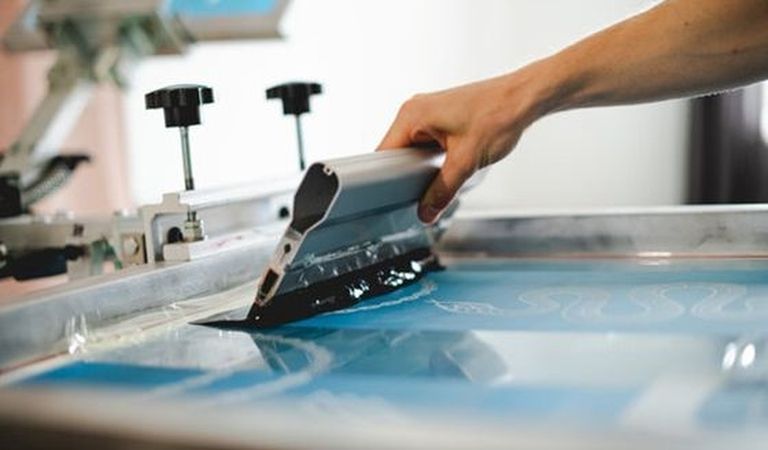
Screen printing is a common way to design clothing and other products vivid and long lasting. This method works by extruding the ink through the mesh screen with the design cut out. A dedicated screen is required for each color, so setup may take some time. Many T-shirt shops, sports teams and brands adopt this method to keep the prints crisp even when washed many times. This guide explains what screen printing is, its benefits and disadvantages, DTG printing vs screen printing, and when to choose.
What is Screen Printing
Screen printing is a method of printing designs on fabrics and other materials using mesh screens, ink, and squeezy. The screen is prepared to expose only the specific area through which the ink passes, thus forming the design. Each color in the design requires a dedicated screen. This technology is very much applied in T-shirts, hoodies, posters, promotional products etc.
How the Process Works
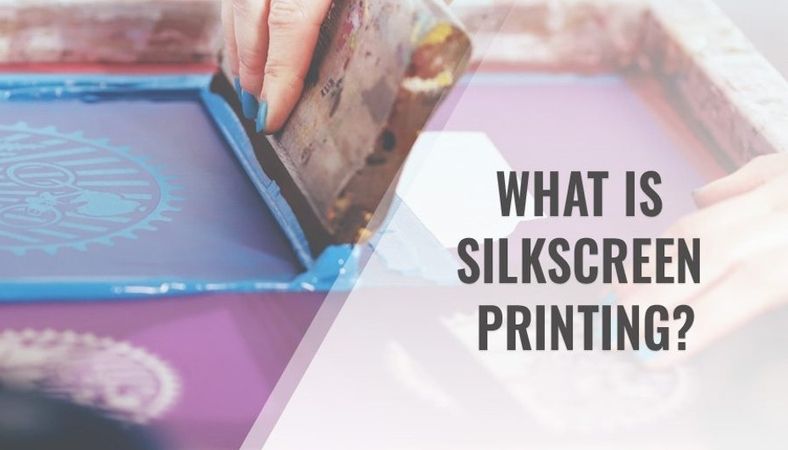
Screen printing is a printing method that uses mesh screens, ink and squeezy to transfer designs to cloth and other materials. By blocking a part of the screen, the ink passes through a specific area only and forms a design. Each color in the design requires a dedicated screen.
Step 1: Create your design and print it on a transparent acetate film. This film will later be used to transfer the design onto the screen or stencil.
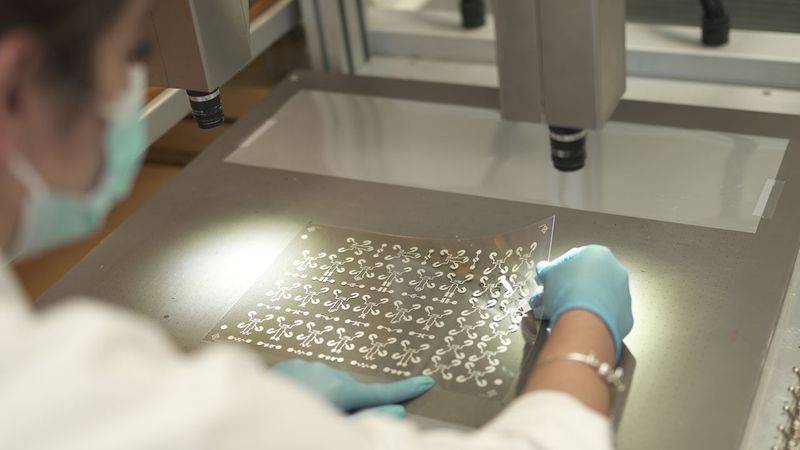
Step 2: Choose a screen with the right mesh count high for fine detail, low for more ink flow. Coat the mesh with Diazo, SBQ-based, or Dual-cure emulsion.
Step 3: Place the acetate film on the coated screen under bright light. The light hardens the emulsion, and separate screens are used for each color.
Step 4: Wash away any unhardened emulsion to reveal the design. Let the screen dry and fix minor details to match the original artwork.
Step 5: Lay the material flat on the printing board. Position the prepared screen carefully over the area to be printed.
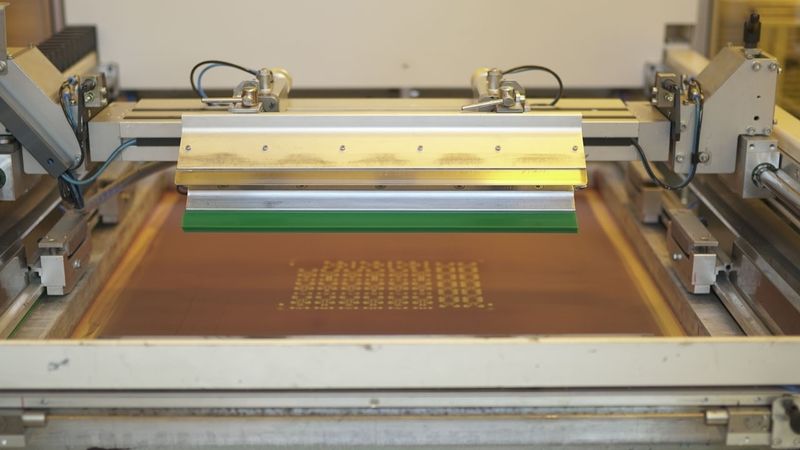
Step 6: Lower the screen, add ink, and spread it evenly with a squeegee. The ink passes through the stencil, printing the design, and the screen can be cleaned for reuse.
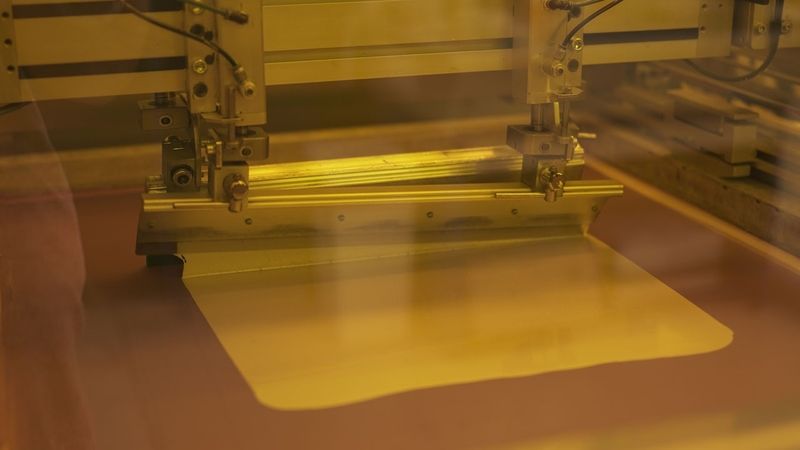
Step 7: Run the printed item through a dryer to cure the ink. This ensures the design stays vibrant and resists fading over time.
The result is a vibrant and durable print, perfect for large runs. This is one reason why DTG printing vs screen printing debates often end with screen printing winning in terms of longevity.
The Pros and Cons of Screen Printing
As other forms of printing, screen printing has its benefits as well as its downsides. It is possible to make clear and long-lasting designs, although the latter can be time-consuming and it can be inappropriate to such kind of artworks. Knowledge of advantages and disadvantages enables you to form the right decision whether to use it or not in your project or business.
Pros and Cons
Pros of Screen Printing
- Bright, bold colors that last
- Works well on many fabrics
- Durable prints after many washes
- Ideal for large print runs
- Inks can be layered for special effects
- Can print large areas easily
- Works on dark and light fabrics
Cons of Screen Printing - High setup time for each design
- Not cost-effective for small orders
- Limited detail for photo-like images
- Each color needs a separate screen
- More space and equipment needed
- Slower turnaround for complex designs
- More labor compared to other methods
Screen Printing vs. DTG Printing: Which Method is Right for You?
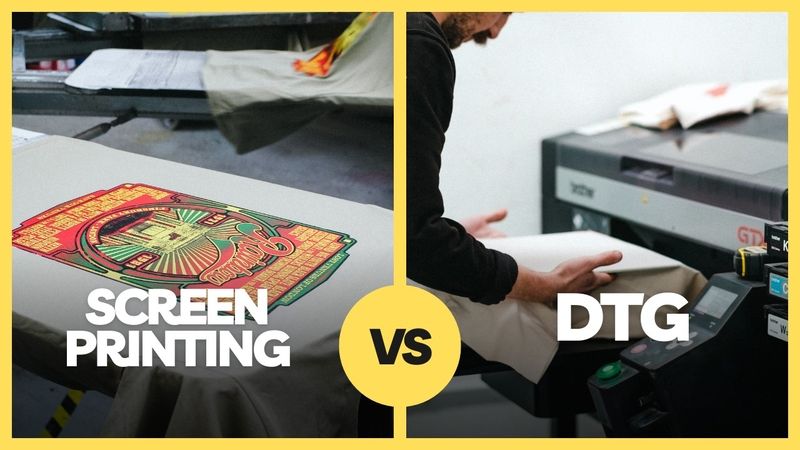
When comparing DTG printing vs screen printing, both can produce excellent results — but they shine in different situations. Screen printing is capable of working well with bright monochromatic, large quantity printing, whereas DTG is good in producing small multiple color and high-detailed image printing.
Factors That Influence Print Quality
The printing quality relies on various factors ranging on the kind of fabric to the ink. DTG vs screen printing also responds differently to material textures and color brightness. There is a chance that the results can also be influenced by environmental conditions like trade humidity and temperature.
Cost Considerations for Each Option
Cost is often the deciding factor in DTG printing vs screen printing. Each process has its own cost factor, from setup cost to ink cost to production speed. Screen printing is cost-effective and usually requires large orders, but DTG is suitable for small lot production.
Bonus: Try POD Business with PODpartner
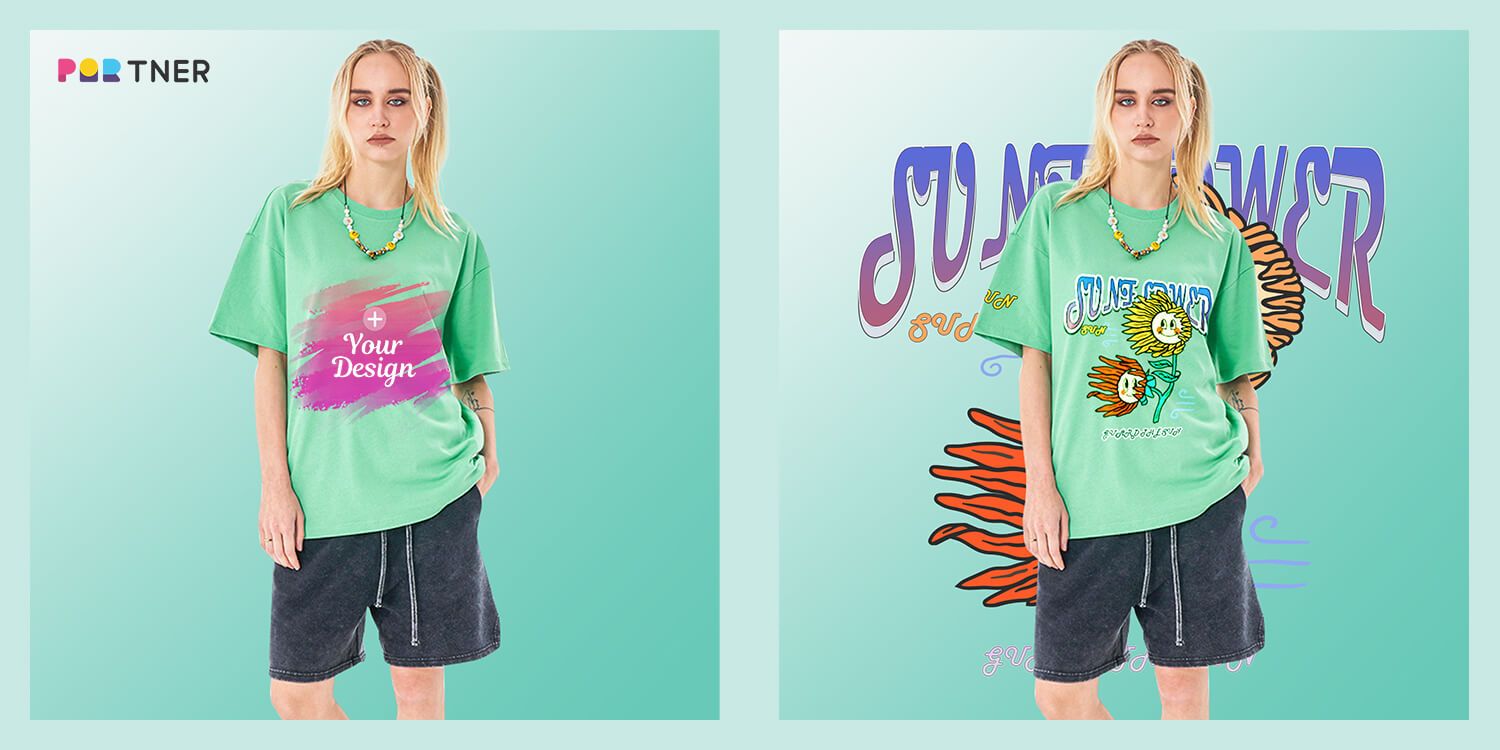
Print on Demand (POD) is a service that prints products only after the customer has confirmed the order. This eliminates the need to store excess inventory and does not require any advance cost for mass printing. A low-risk way to test new designs and sell them directly to customers. PODpartner is a reliable choice for POD services specializing in clothing. We offer both high quality fabrics, crisp printing, DTG (direct to garment) printing and embroidery services. Simply upload your design and select the product you want to sell. What's more, PODpartner provides free customization feature for all pod stores in Shopify.
What is POD? — Using DTG or Screen Print
POD (print on demand) is a service that prints only after the order is confirmed. DTG and DTF are popular in apparel PODs.
- DTG print vs screen print: DTG is suitable for detailed design because it injects ink directly into the fabric.
- DTF prints the design on a special film and then transcribes it to the fabric, so it can handle many materials.
- Both avoid expensive screen-printing setup costs.
How to Decide Whether to Choose Screen Printing?
When choosing between screen print vs DTG, think about your order size, design complexity, and fabric type. Take into account plenty of reasons such as the size of the order and type of design, type of fabric and durability of the printing. With these facts in hand, it is more convenient to decide whether the screen printing is a result of your request or not.
FAQs about DTG Printing vs Screen Printing
Q: Can screen printing be used on dark clothing?
A: Yes. Printers often apply a white base layer so colors stay vivid, a big advantage in the DTG vs screen printing discussion.
Q: Can screen printing be used to print photos?
A: It can, but DTG handles photographic detail better. This is why the screen print vs DTG choice matters for image-heavy designs.
Q: Is screen printing environmentally friendly?
A: Depending on the type of ink and material used. Water soluble inks are environmentally friendly compared to some traditional plastisol inks.
Conclusion
Screen printing is a powerful and reliable way to create strong designs. The DTG printing vs screen printing decision comes down to your needs. Screen printing continues to have a significant position in the manufacturing of custom clothing since DTG (Direct to Garment) and DTF (Direct to Film) focus on small and detailed work. With Printing-on-demand (POD), You can then test your product design, sell online and select the mode in which your product will be produced.
Further reading

No Order Minimums

No Membership Fees

No Unsold Stock

No Quality Concerns
Only Creativity, Satisfaction, and Profits!