
 USD
USD
Not Just Sizing Up: Deconstructing the Fit Code of the Perfect Oversized T-Shirt

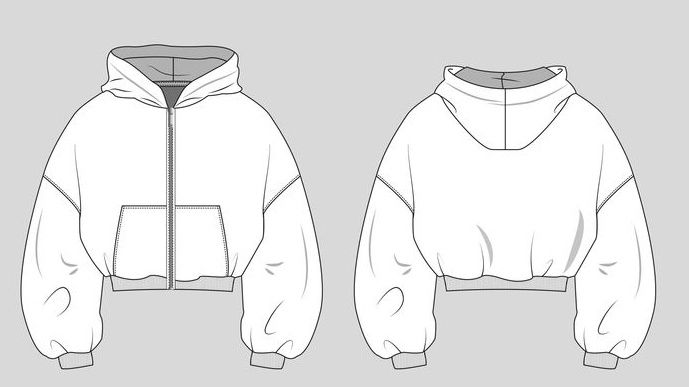
Core Concept: Debunking the myth that "sizing up" equals Oversized. By deconstructing unique proportions and design details, we help brands master the method of creating trendy items that are "voluminous yet structured, draping without being sloppy."
False Oversized vs. True Oversized: Why Sizing Up Isn't Style
At the intersection of streetwear and high fashion, "Oversized" has become a cultural symbol rather than a mere size choice. However, a fundamental misconception persists among many emerging brands and consumers: the belief that simply sizing up two sizes (e.g., from L to XXL) will achieve that lazy, effortless trendy look.
The reality is often harsh. Simply enlarging a standard fit results in a neckline that is too wide and slips, a length that resembles a nightgown, and shoulder lines that bunch awkwardly on the arms. True Oversized is precisely calculated engineering—it requires increasing dimensions while adjusting the cut to maintain visual balance on the human body. It is not about hiding the body, but reshaping the silhouette.
The Soul of the Fit: The Style Code of Drop Shoulder Design
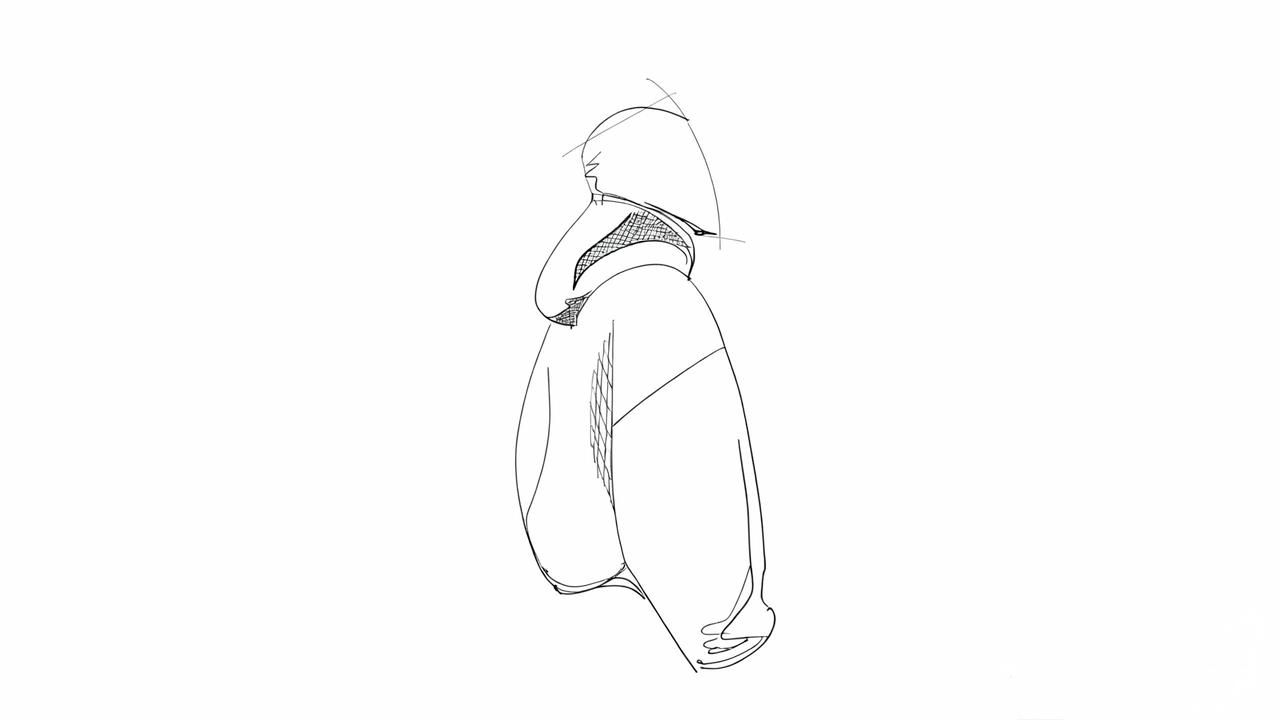
The most significant watershed between an Oversized T-shirt and a traditional one lies in the position of the shoulder seam. In a standard fit, the shoulder seam should sit at the acromion point. In oversized design, the seam is intentionally moved to the upper arm. This "Drop Shoulder" design determines the stylistic tone of the entire garment.
| Drop Type | Shoulder Drop | Style Characteristics | Best For |
|---|---|---|---|
| Micro-Drop | 2-3 cm | Retains moderate formality, comfortable yet sharp | "Relaxed Fit" commuter style |
| Standard Drop | 5-8 cm | Softens shoulder silhouette, creates robust yet casual look | Streetwear "Boxy Fit" foundation |
| Extreme Drop | 10+ cm | Creates ultimate lazy, decadent aesthetic | Avant-garde designer brands |
Drop shoulder design is not just about moving the seam. As the shoulder point moves down, the curve of the armhole and the shape of the sleeve cap must be remodeled. Copying the sleeve cap curve of a standard fit will result in excessive fabric bunching under the armpit, severely affecting aesthetics and comfort. PODpartner's pattern library has specifically optimized armhole curves for different degrees of shoulder drops.
The Art of 3D Balance: How to Avoid the "Sack" Effect
Many brands fall into the "wider is better" trap when developing Oversized styles, resulting in a product that looks like a lifeless sack. The perfect oversized requires a subtle geometric balance between body width, length, and sleeve shape.
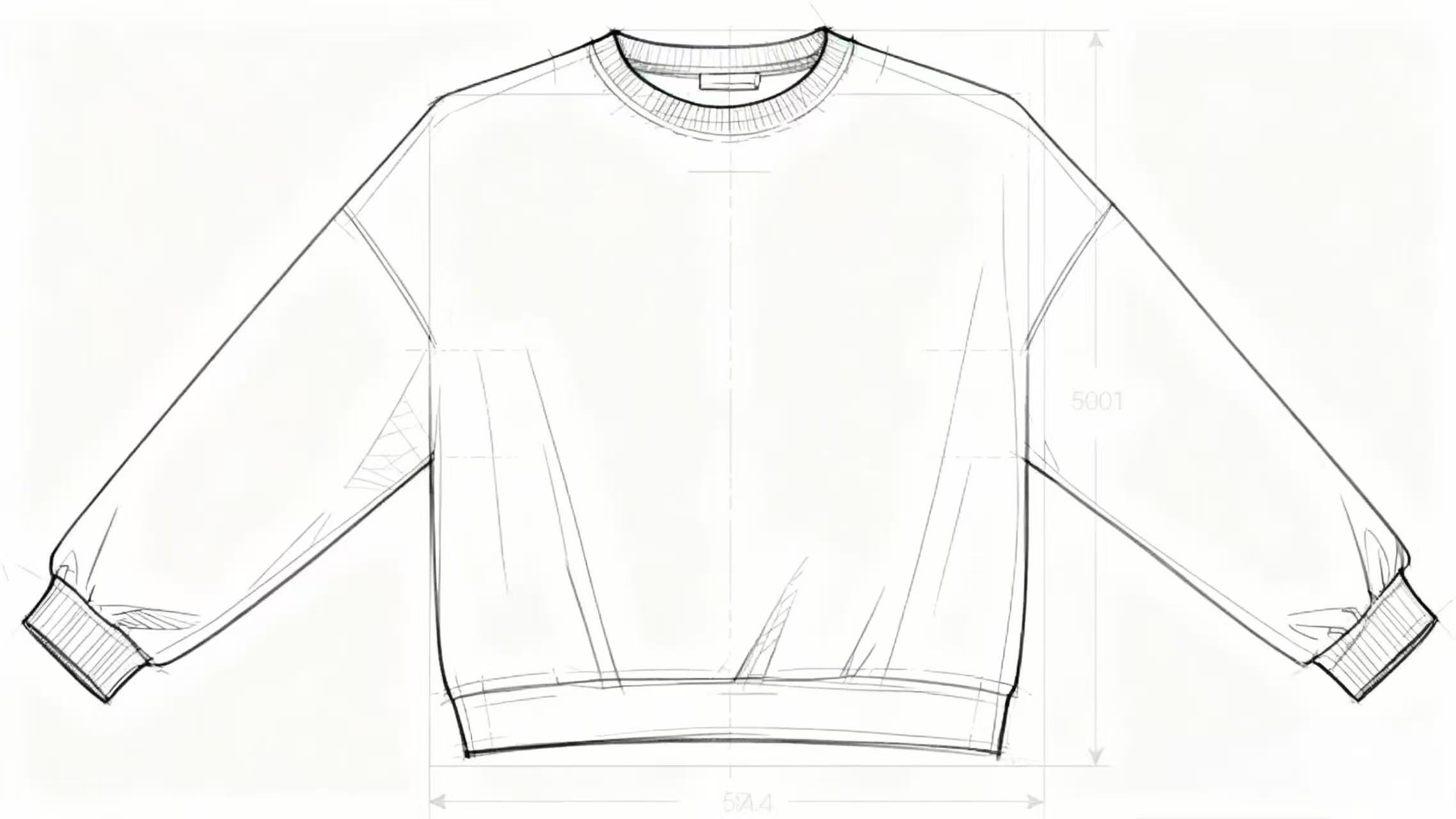
The Width-to-Length Ratio
Traditional T-shirts are rectangular, while modern trendy Oversized (especially Boxy Fit) tends towards a square shape. To avoid the "pajama look," while significantly increasing the chest circumference (body width), the length increase must be restrained, or even shortened. This "wide and short" structure raises the waistline, optimizes body proportions, and creates a sharp sense of volume.
Reshaping the Sleeve
The sleeve is the expression of the oversized look. Sleeve length typically extends to or slightly past the elbow, with a wide cuff that no longer hugs the arm. This design not only echoes the relaxation of the drop shoulder but also visually adds horizontal weight to the upper body, appearing more structured.
Side Seams and Hem Details
To address the potential bulkiness of a widened hem, the Side Vent is a key structural detail. It breaks the continuity of the fabric, adds fluidity during movement, and facilitates pocket access styling. A "shorter front, longer back" design further enhances layering.
PODpartner's Fit Philosophy: Providing "Ready-to-Use" Best-Selling Fits
For small and medium-sized brands, developing an oversized fit from scratch is a high-cost, high-risk investment. Every tweak by a pattern maker requires sampling, fitting, and correction, taking weeks.
PODpartner views "Fit R&D" as a core part of our service. We are not just manufacturers, but builders of a fit database.
- Data-Driven Iteration: We analyze best-selling data from top global streetwear brands to extract the most popular Boxy Fit and Relaxed Fit parameters.
- Real-Human Fitting Verification: Our fits undergo repeated fitting and fine-tuning on models of different body types to ensure they look structured when standing still and stylish when moving.
- Fabric-Fit Matching: We understand that oversized fits must be paired with heavyweight fabrics (e.g., 240gsm-300gsm) to support the silhouette. PODpartner's pre-set Oversized blanks all use high-count, high-density fabrics to ensure they are "wide without being sloppy."
Brands no longer need to pay expensive trial-and-error costs for fits. Through PODpartner, you can directly select mature, market-proven oversized fits, focusing your energy on graphic design and brand marketing. This is the "silent quality guarantee" we provide for you.
Conclusion: True Oversized is a Victory of Design, Not a Compromise of Size
In the competitive apparel market, consumers are becoming increasingly savvy. They can instantly distinguish the difference between a meticulously tailored oversized T-shirt and a cheap shirt that was simply bought too big.
Choosing the right fit is the first step in building a brand's premium pricing power. By understanding the logic of drop shoulders, mastering the balance of 3D proportions, and leveraging the supply chain advantages of professional platforms like PODpartner, you can easily infuse this sophisticated silhouette aesthetic into your brand DNA. Remember, high quality stems not only from the fabric but also from the precise control of every inch of the cut.
Further reading

No Order Minimums

No Membership Fees

No Unsold Stock

No Quality Concerns
Only Creativity, Satisfaction, and Profits!