
 USD

Trending Ideas for Designs on T-Shirts Selling Now


Most T-shirts don’t fail because the artwork is bad. They fail because the design doesn’t mean anything to the person seeing it.
Scroll through any marketplace and you’ll see technically “good” designs sitting unsold next to simple text tees that have moved thousands of units. The difference isn’t artistic talent. It’s relevant. Designs that sell tend to tap into emotion, identity, or utility. They give the buyer a reason to wear the shirt beyond “it looks cool.”
That’s also why trend alignment matters more than trend chasing. Trends aren’t about copying what’s popular this week. They’re about understanding what people are responding to right now and translating that into something that fits your audience and product.
This guide isn’t a list of slogans to steal. It’s a breakdown of why certain types of T-shirt designs are converting in 2026, and how creators can adapt those ideas into designs that feel timely instead of disposable.
Identity & Belonging: Designs People Wear to Signal Who They Are
Why identity-driven designs sell consistently
People don’t wear T-shirts in a vacuum. They wear them in public, around peers, at work, at events, and online. Every shirt becomes a signal, whether intentional or not. Identity-based designs work because they help people express belonging without having to explain themselves.
In 2026, this will only intensify. Online communities bleed into offline life. Niche interests aren’t hidden anymore; they’re celebrated. The strongest-performing identity tees aren’t generic statements about personality. They’re specific enough that the right person feels seen.
Humor That Actually Connects (Not Just Gets a Laugh)
Why humor remains one of the highest-converting categories
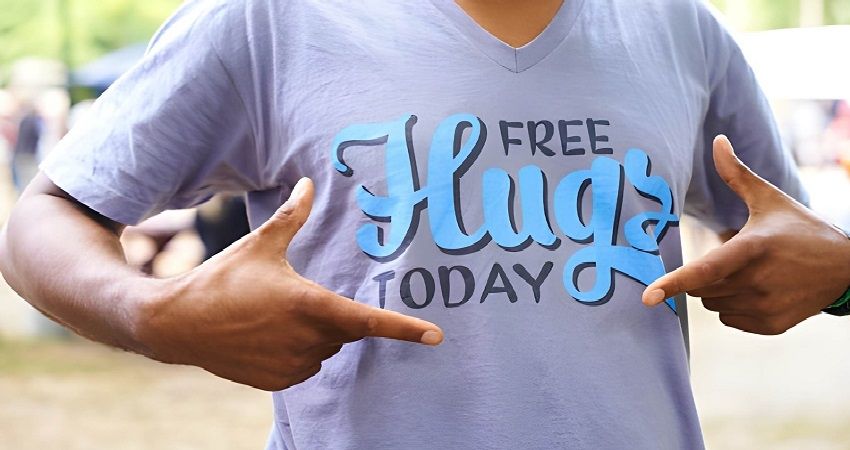
Humor lowers friction. A funny shirt is easier to buy, easier to give, and easier to share. But the humor that sells today isn’t random jokes or loud punchlines. It’s recognition. The buyer isn’t laughing at the shirt; they’re laughing because the shirt articulated something they already feel.
That’s why simple, text-based humor continues to outperform elaborate illustrations. It’s fast to read, easy to understand, and instantly relatable.
What kind of humor is working right now
Designs selling best tend to lean into:
- Everyday life humor tied to work, routines, or social behavior
- Clever wordplay that rewards a second glance
- Meme-adjacent phrases that feel familiar without being dated
The difference between a shirt that sells and one that expires in a month often comes down to how universal the insight is.
How to approach humor without burning out your designs
The biggest mistake creators make is chasing memes too literally. Overused formats age quickly, and buyers can sense when humor feels forced. Humor performs best when it’s tailored to a subculture that already shares context. Inside jokes travel further than generic punchlines.
Visual Narrative & Storytelling: Shirts That Feel Like Moments
Why storytelling works on apparel
Humans are wired for stories. Even a single image can suggest a narrative if it’s designed thoughtfully. Story-driven T-shirts work because they invite interpretation. The wearer becomes part of the story, not just a billboard for a graphic.
These designs often feel more “artful” without being abstract, which helps them appeal to buyers who want something expressive but wearable.
How visual narrative shows up in trending designs
Some of the strongest storytelling tees right now use:
- Sequential elements that imply movement or progression
- Single-frame visuals with emotional context baked in
- Illustrated scenes that feel like a paused moment
These designs don’t need long explanations. The story is communicated visually, which makes them ideal for fast-scrolling environments.
Making narrative designs wearable
The challenge with storytelling tees is restraint. Overloading a shirt with detail kills readability. The best designs balance intrigue with clarity. One strong visual idea almost always outperforms three competing ones.
Aesthetic & Minimalist Expression: Quiet Designs With Strong Pull
Why minimalism hasn’t gone away
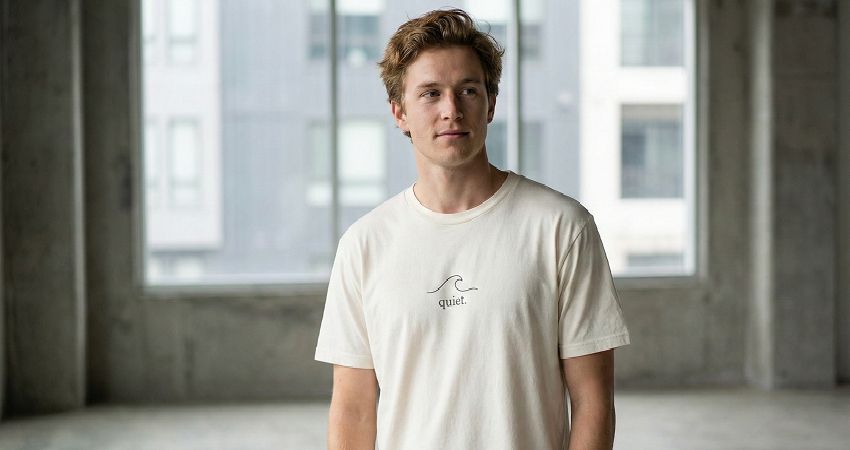
Not every buyer wants a loud graphic. In fact, a growing segment actively avoids them. Minimalist designs sell because they fit into everyday wardrobes without demanding attention. They feel intentional, not trendy.
Minimalism also signals confidence. A clean design suggests the brand knows exactly what it’s doing and doesn’t need to shout.
What minimalist designs look like now
Current minimalist trends lean toward:
- Simple line illustrations with breathing room
- Carefully spaced phrases using refined typography
- Single icons that carry symbolic weight
These designs perform best in lifestyle and fashion-oriented markets where the shirt is meant to complement an outfit, not dominate it.
Why minimalism feels premium
Minimal designs are harder to execute well than complex ones. Every spacing decision, line weight, and placement choice matters. When done correctly, minimalism reads as deliberate and elevated, which translates directly into perceived value.
Cause-Driven & Value-Aligned Graphics: When Meaning Drives Conversion
Why values-based designs are converting more reliably
Shoppers increasingly care about what brands stand for, not just what they sell. Cause-driven T-shirts work when the buyer feels their purchase aligns with their values and has impact beyond aesthetics.
However, this category is unforgiving. Authenticity matters more here than anywhere else.
What’s working—and what isn’t
Designs that perform well tend to:
- Address environmental or social themes with nuance
- Avoid generic slogans in favor of thoughtful visuals
- Clearly communicate where proceeds go when tied to charity
Cause-based designs fail when they feel performative or disconnected from the brand’s actual actions.
Execution matters more than intention
A strong cause-based design is supported by clear product-page storytelling. Buyers want to understand why the design exists and how their purchase contributes. Without that context, even well-meaning designs fall flat.
Matching Trends to Your Audience and Products
Trends don’t exist in isolation. The best-selling designs often combine elements across categories. A minimalist identity tee. A humorous narrative graphic. A cause-driven design executed with subtle typography.
Choosing which trends to explore should start with customer behavior, not inspiration boards. Look at what your audience already responds to, what they save, what they comment on, and what they actually buy.
Placement and execution matter just as much as concept. Front-chest designs feel intimate. Back prints create impact. Sleeve details reward attention. These choices affect how a design is perceived before a single word is read.
Technical Considerations That Quietly Decide Quality
Even the best idea can fall apart if execution doesn’t match intent. Color palettes, typography, and fabric choice all influence how a design translates from screen to shirt.
For creators using apparel-focused platforms like PODpartner, advanced printing and embroidery options—such as multiple placement capabilities and rich color detail—make it easier to execute today’s trending design styles with consistency across sizes. Control at the production level allows creative decisions to show up as intended, not compromised.
Trends Are Tools — Not Templates
Trends aren’t blueprints. They’re signals. The designers and brands winning right now aren’t copying what’s popular; they’re adapting it to their audience, voice, and product strategy.
The T-shirt designs that sell are built on relevance, clarity, and resonance. They feel timely without feeling temporary. And most importantly, they give the buyer a reason to care.
That’s what turns a design into a product—and a product into sales.
Further reading

No Order Minimums

No Membership Fees

No Unsold Stock

No Quality Concerns
Only Creativity, Satisfaction, and Profits!