
 USD

Types of Cotton Fabric: A Practical Guide for Brands

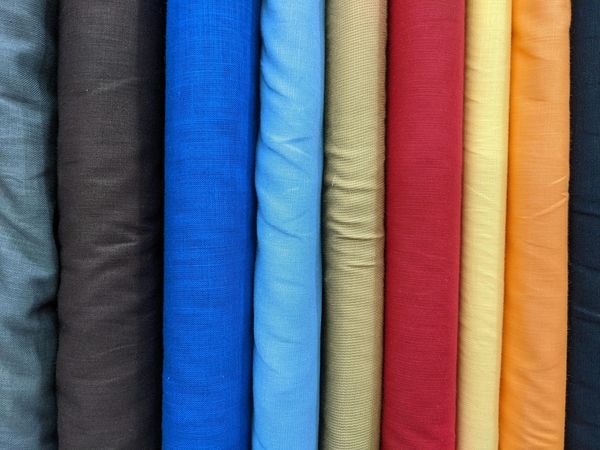
Cotton has remained the world's most popular natural fiber for centuries. Various factors like comfort, breathability, and versatility have contributed to such massive popularity. Moreover, cotton adapts beautifully to every type of clothing.
Whether you are creating casual tees or crisp formal shirts, you can find a suitable type of cotton fabric to achieve your goal. Understanding the different types of cotton fabric is essential to make the best out of them.
In this guide, we'll explore different types of cotton fabric for clothing and analyze their key aspects and uses to help you choose the right one.
Common Types of Cotton Fabric
Let's go through the common types of cotton fabric one by one:
1. Jersey
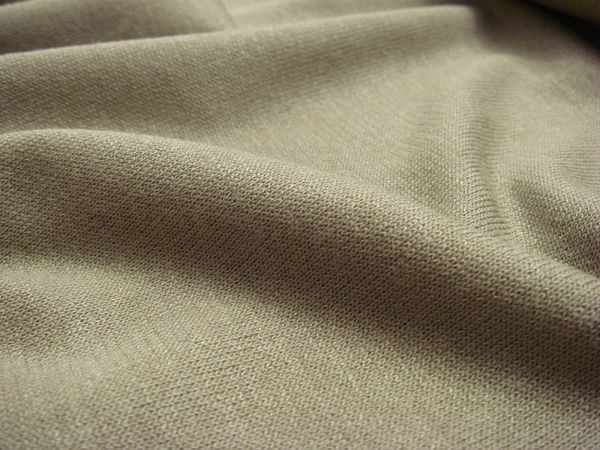
Best for: T-shirts, casual dresses, babywear
Jersey is definitely among the most popular types of cotton fabric for t-shirts. It is a soft and stretchy knit fabric that drapes well and gives a smooth feeling against the skin. The elasticity and breathability of jersey also make it perfect for everyday and athletic wear.
Key Characteristics of Jersey:
- Soft and stretchable
- Exceptional breathability
- Available in both single and double knits
2. Poplin
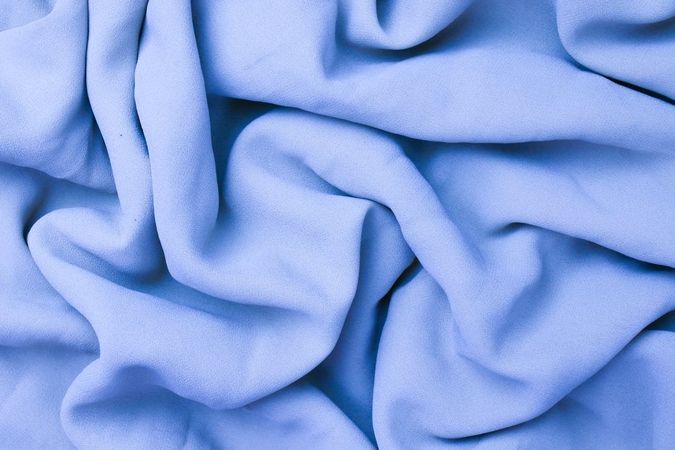
Best for: Shirts, blouses, dresses
Poplin is a great type of cotton that is a smooth and tightly woven fabric. It has a fine horizontal rib texture and is also quite lightweight and crisp. These traits are the reasons why poplin is often preferred for shirts and dresses that need high breathability with solid structure.
Key Characteristics of Poplin:
- Smooth texture
- Wrinkle-resistant
- Slight sheen with a professional look
- Ideal for formal shirts
3. Oxford

Best for: Casual and semi-formal shirts
Oxford cloth comes with a unique basketweave structure that gives it a soft texture and subtle sheen. This type of cotton fabric is thicker than poplin, but still highly comfortable to wear. Generally, smart casual shirts or uniforms use it.
Key Characteristics of Oxford:
- Textured weave
- Highly durable and soft feel
- Ideal for button-down shirts
4. Twill / Canvas
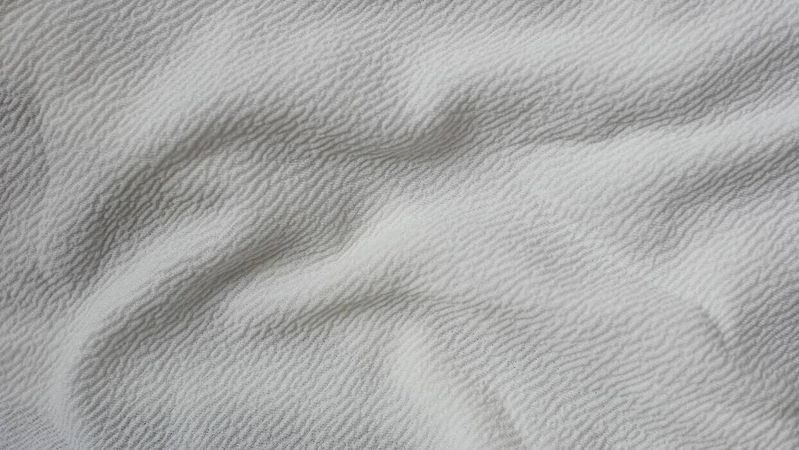
Best for: Pants, jackets, bags, uniforms
If you are looking for heavier types of cotton fabric for clothing, you'll find twill and canvas to be great choices. Twill is slightly smoother than canvas. Both of these types are ideal for outerwear, workwear, and accessories.
Key Characteristics of Twill / Canvas:
- Strong and durable
- High resistance to wear and tear
- Wrinkle-resistant
- Perfect for structured garments
5. Muslin / Voile
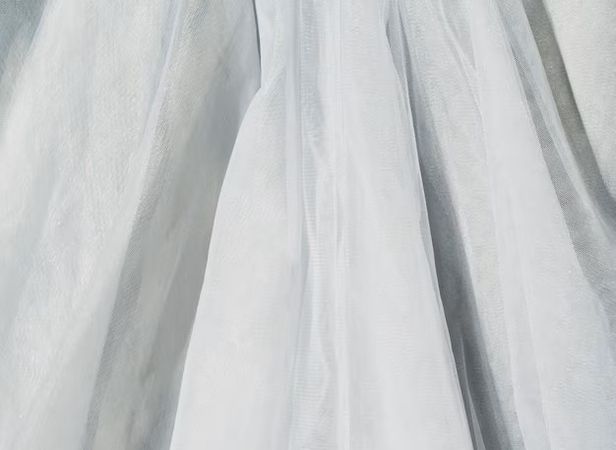
Best for: Lightweight summer clothing, linings, baby garments
Muslin and voile are also popular types of cotton fabrics for light and breathable clothing. Muslin is loosely woven, while voile is softer and semi-transparent. Both of them are great for summer wear.
Key Characteristics of Muslin / Voile:
- Extremely breathable and soft
- Ideal type of cotton for warm climates
6. Percale / Sateen
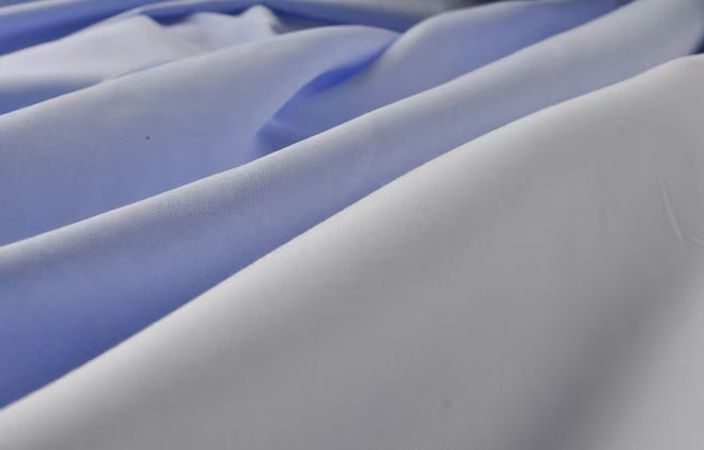
Best for: Premium shirts, bedding, dresses
Percale and sateen are smooth, woven cotton fabrics. They are commonly used in premium clothing and home textiles. Percale has a matte finish, which gives it a crisp feel. Sateen, on the other hand, is silky and glossy.
Key Characteristics of Percale / Sateen:
- Luxurious look and feel due to high thread count
- Sateen is silky and warm, while Percale is matte and cool
- Ideal for high-end shirts and bedding
7. Pima / Egyptian Cotton
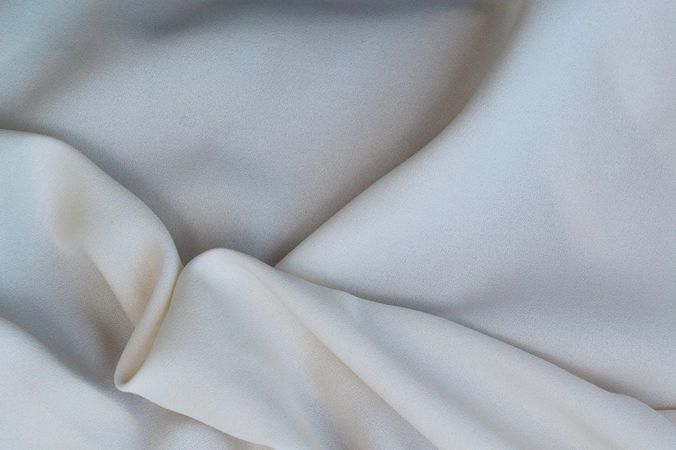
Best for: Luxury shirts, premium t-shirts, high-end bedding
Pima and Egyptian cottons are long-staple varieties of cotton. They are known for excellent softness, durability, and sheen. Both pima and Egyptian are among the most luxurious types of cotton fabrics. They are often used in upscale garments and linens.
Key Characteristics of Pima and Egyptian Cotton:
- High durability and excellent color retention
- Long and fine fibers that give it a smooth texture
- High wrinkle-resistance
8. Chambray / French Terry
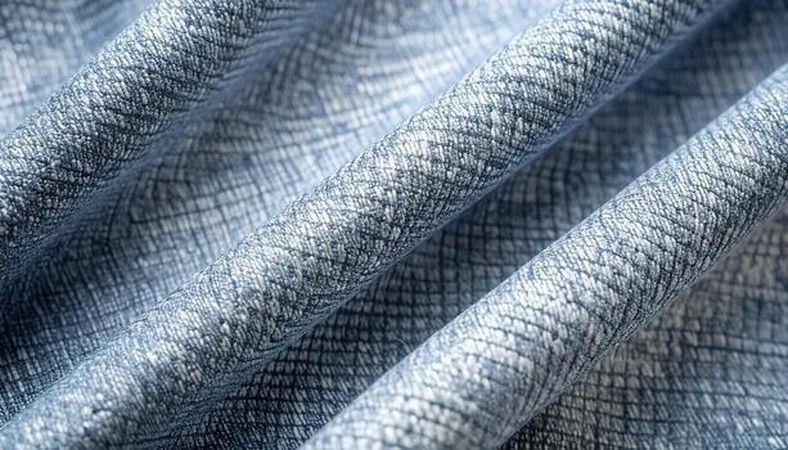
Best for: Casual shirts, hoodies, sweatshirts
Chambray has a look similar to denim, but with a lighter feeling. It is ideal for casual shirts or summer wear. On the other hand, French terry has small loops on one side, which makes it a soft and cozy cotton type. It is an excellent choice for loungewear and hoodies.
Key Characteristics of Chambray / French Terry:
- French terry is soft and has moisture-absorbing traits
- Chambray has a lightweight denim look
- Both types of cotton fabric for shirts are suitable for comfortable and casual clothing
These are the main eight types of cotton fabric that cater to different types of clothing. Now that you are familiar with their key characteristics, let's see how exactly you can pick the right type.
How to Choose the Right Type of Cotton Fabric?
Consider the product type, weight, and climate to choose the right type of cotton fabric. Every fabric type serves a different purpose, so it is important to pick the right one that provides maximum comfort and durability.
Match Fabric to Product Type
Here are the tried-and-tested recommendations to match fabric to different types of apparel:
- Jersey or Pima cotton for T-shirts and casual wear for maximum softness and flexibility
- Poplin, Oxford, or Percale for formal shirts to have a crisp appearance
- Twill or canvas for workwear and outerwear for optimum durability
- Muslin, voile, or chambray provides breathability, which makes them ideal for summer clothing
Consider the Fabric Weight and Climate
GSM (grams per square meter) represents fabric thickness, density of a fabric. High GSM means the fabric is heavier and more durable. In addition to considering the GSM, you also have to consider the climate where you are selling your clothes. Lighter weaves are best for hot regions, while types of cotton fabric with thicker weaves are ideal for cooler weather.
The following table summarizes the recommended types of cotton fabric for different GSM ranges and uses:
| Cotton Fabric Type | GSM Range | Ideal Uses |
|---|---|---|
| Muslin | 100–120 GSM | Summer dresses, linings, baby clothes |
| Voile | 100–130 GSM | Blouses, scarves, lightweight shirts |
| Lawn Cotton | 110–140 GSM | Summer shirts, skirts, layering pieces |
| Chambray | 120–150 GSM | Casual shirts, summer tops |
| Poplin | 120–160 GSM | Formal shirts, blouses, and dresses |
| Jersey (Lightweight) | 130–150 GSM | Basic t-shirts, summer wear |
| Oxford | 150–200 GSM | Casual and semi-formal shirts |
| Percale | 180–220 GSM | Premium shirts, bedding |
| French Terry | 200–250 GSM | Sweatshirts, hoodies, joggers |
| Twill (Light) | 200–240 GSM | Chinos, uniforms, jackets |
| Canvas | 250–350 GSM | Jackets, bags, workwear |
| Brushed Cotton | 250–350 GSM | Winter shirts, jackets |
| Heavy Jersey | 260–320 GSM | Hoodies, sweatshirts, structured t-shirts |
| Loopback Terry | 300+ GSM | Premium hoodies, athletic wear |
Cotton Fabric Quality and Care Tips
Let's examine how you can evaluate the quality of different types of cotton fabrics and also care for them.
Key Quality Indicators
The quality of cotton fabric is dependent on several factors, including:
- Staple length: Longer fibers, such as in Pima or Egyptian cotton, result in smoother and stronger fabric
- Thread count: Higher thread counts mean finer fabric. But too high a thread count can reduce breathability
- GSM: It reflects fabric density, so it has to be balanced with the use case and climate
- Finishing: Pre-shrunk or brushed finishes improve fabric appearance and performance
Organic Cotton and Certifications
More and more brands are preferring organic cotton nowadays because of a greater focus on sustainability. Using certified types of cotton fabric for shirts ensures no harmful chemicals are being used in the growth and processing. Two of the most popular certifications for organic cotton are:
- GOTS (Global Organic Textile Standard) ensures organic and ethical production
- OEKO-TEX Standard 100 ensures the fabric is tested for harmful substances
Remember that using certified cotton fabric is beneficial for the environment and also useful to improve your brand's reputation and reach eco-conscious customers.
Practical Tips to Care for Cotton Fabric
Generally, cotton is easy to maintain. Here are some key tips you can follow to ensure durability and color retention:
- Wash cotton clothes in either cold or lukewarm water to prevent shrinkage
- Avoid tumble drying because air drying can maintain fiber strength
- Use medium heat to iron. You can also iron the clothes when they are slightly damp for best results
- Use a gentle detergent for delicate types of cotton fabrics, like voile or sateen
FAQs about Cotton Fabric
How many types of fabric are in cotton?
There is no exact number of types of cotton fabric. Many different types are derived from varieties of cotton. Some of the most common ones are: jersey, poplin, Oxford, twill, muslin, percale, sateen, and chambray. Each of these types differs in terms of weave, weight, and finishing.
What is the best cotton fabric?
The "best" cotton depends on the purpose and end-product. Generally, Pima and Egyptian cotton are considered the best choices for luxury garments, while jersey and Oxford are ideal for everyday wear.
What is the softest type of cotton?
Pima and Egyptian cotton have extra-long fibers, which give them an excellent soft and silky texture.
What is the most luxurious cotton fabric?
Egyptian cotton is the most luxurious cotton fabric. Sea Island cotton is also a highly luxurious and rare type of cotton fabric with extra-long and strong fibers.
Conclusion
Cotton is undoubtedly the foundation of the global textile industry. It is known for its comfort, versatility, and classic appeal. Whether it is making soft jersey t-shirts or luxurious Egyptian cotton shirts, every type of cotton serves a different purpose in clothing.
By understanding the different types of cotton fabric discussed above, brands and designers can make smart choices when it comes to choosing the perfect fabric for excellent product quality, comfort, and sustainability.
Further reading

No Order Minimums

No Membership Fees

No Unsold Stock

No Quality Concerns
Only Creativity, Satisfaction, and Profits!