
 USD
USD
Classic 90s Streetwear Revival

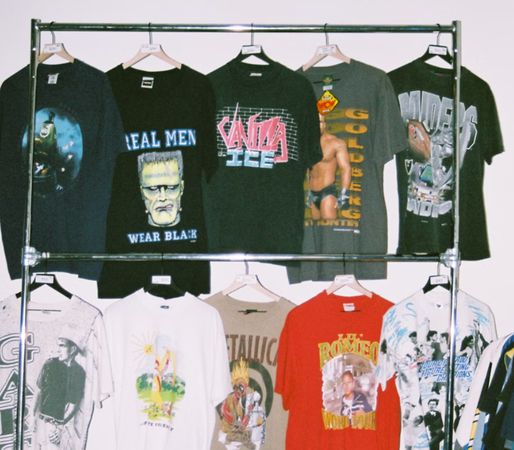
Everyone remembers the 90s, right? It wasn't just a decade that passed by. It was a huge cultural shift. It played out right in the clothes people chose to wear. Fashion stopped being serious. The streets—not the stuffy runways—became the source of all style. This is when 90s fashion streetwear became global. Everything got louder: the logos, the fit, the attitude. The whole point was to look completely effortless. You wanted to look too cool to care. This shift was massive. After the tight and sleek tailoring and the sharp lines of 80s fashion, the 90s arrived in a distinctly different way. They demanded comfort over everything. It was all about volume and utility. It was a comfortable rebellion.
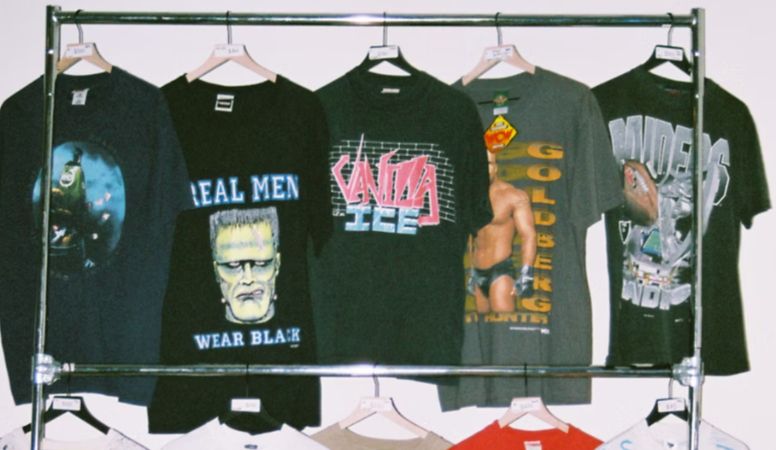
It signaled that you valued ease over being perfectly tailored. People wanted clothes they could freely groove in. It wasn't just about fashion, but it was more about how people perceived lifestyle. Due to the rise of hip-hop and grunge fashion, 90s Streetwear became the heart of everyone. Where's the catch? The same authentic 90s streetwear era is now back. No, it's not just a trend. It's a template for modern clothing. If you're launching an apparel line, you need this DNA. It's your blueprint for hitting nostalgia and current demand.
The Core Elements of Authentic 90s Streetwear
What made the 90s look so unique? It was a bold rejection of the past. It favored simplicity, utility, and visible brand loyalty. It was the decade of the uniform. But it was a self-chosen, personal uniform.
The Oversized Fit (The Silhouette is King)
This is the main rule. Everything was looser. Seriously, baggy jeans were mandatory. T-shirts were wide-cut and long. Hoodies looked massive. The silhouette was relaxed and often boxy. It rejected restrictive clothing. It felt authentic and comfortable. It also served a practical purpose in skate and hip-hop culture, providing ease of movement and protection.
Athletic Logos as Luxury (Brand as Identity)
You didn't need high couture for status. You needed a huge logo from an athletic brand. Think prominent, unapologetic branding. It went right across the chest of a windbreaker. This display wasn't just decoration. It signaled belonging to a tribe. It signaled belonging to a tribe. It showed where your loyalties were. The brand was the design.
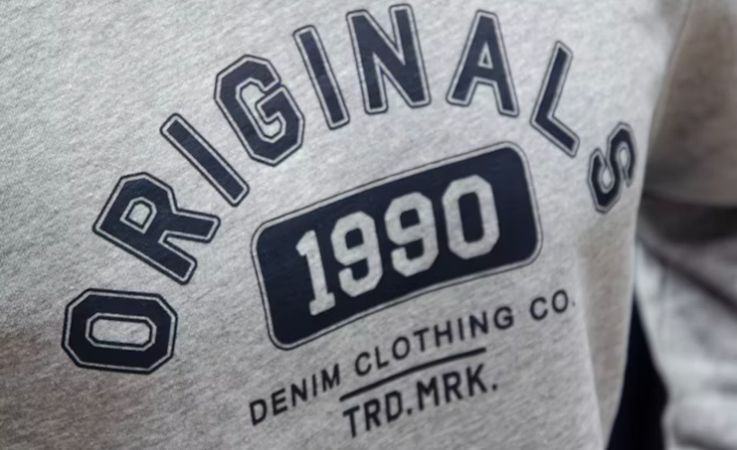
Chunky Footwear (The Literal Foundation)
Shoes got huge. They moved past sleek runners. They became literal tanks. The chunky sneaker trend started here. It had thick soles and heavy construction. These weren't subtle shoes; they demanded attention and provided a heavy base for the flowing fabric of the pants and tees. They looked substantial and practical. They grounded the entire outfit.
Utility, Grunge, and Layering
The decade mixed athletic wear with utility clothing. That's why you saw so many deep-pocketed cargo pants and durable tracksuits. Layering was essential. A graphic tee under a flannel was common. This specific layering created texture and depth. It was also practical for unpredictable weather, but more importantly, it allowed individuals to mix subcultures—a little bit of skater, a little bit of athlete.
90s Streetwear Outfit: Gender-Specific Styling
The core rule was volume. But how that volume was handled varied. This created distinct looks for men and women.
Streetwear 90s Outfit Men
The men's look focused on maximizing volume. It used heavy, often solid-colored layering. The goal was to look effortlessly cool, conveying confidence through comfort.
- The Bottoms: Extremely baggy jeans or wide-legged trousers were mandatory. They were worn low on the hip. They had to "stack" over the shoes. This paid homage to early hip-hop style. The heavy denim fabric was key to achieving that desirable, stiff drape.
- The Top Layer: This was about brand projection. Athletic jerseys were common. The huge logo tees now went under flannel shirts. This layering was feasible and easy to pull off. However, it required quality materials that don't look awkward together.
- Fabric Choices: Heavy cotton, thick fleece, and solid nylon were favored. They needed density and resilience.
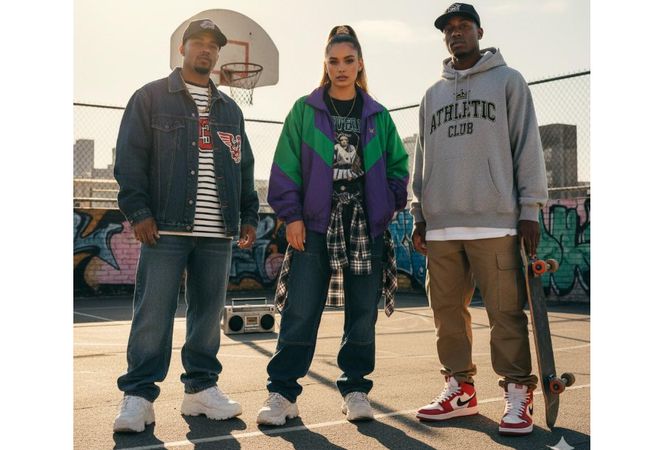
90s Streetwear Female
The women's look used sharp contrasts. It balanced the decade's volume with a touch of femininity. This came from grunge and club culture. The look often played with the idea of stolen or borrowed clothes.
- Contrasting Silhouettes: It was popular to pair small, tight crop tops with massive, volume-heavy bottoms. This provided a visual break in the torso, which was crucial with the oversized pants.
- The Bottoms: High-waisted mom jeans or utility cargo pants were staples. They gave a relaxed leg fit. But they still cinched the waist. This kept the look grounded. The cargo pockets, often functional, emphasized the utility theme.
- Layering: 90s streetwear female converted formalwear to something bold yet comfy. A light slip dress was worn over a plain white T-shirt. This blending defined the anti-fashion attitude. It took something precious and made it casual.
- Footwear & Accessories: Platform sneakers, chunky work boots, or simple canvas shoes were standard. Accessories were minimal: small nylon backpacks or chokers.
Top 90s Streetwear Brands
The biggest influence came from brands that mastered the oversized logo and the athletic fit. Nike, Adidas, and Puma dominated the market. They turned sports apparel into daily uniforms. Outside of pure athletics, Tommy Hilfiger and Polo Ralph Lauren used bold logos and primary colors. They became symbols of 90s Streetwear. Brands like Stussy and Fila defined the underground aesthetic.
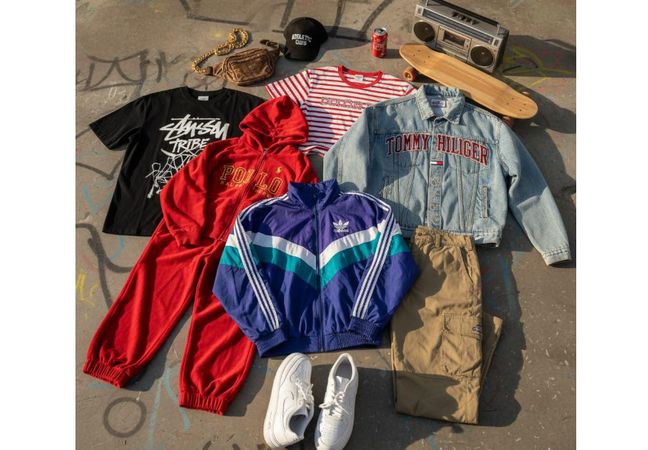
The appeal of vintage 90s Streetwear is simple. It's about authenticity and material quality. Modern items often use lighter, thinner materials. The original vintage pieces were built heavily. They used superior, dense cottons and thick fleece. They had a physical weight and a "drape" that designers struggle to match today. People want the original because it feels durable. It gives a tangible sense of substance. Culturally, these clothes represent a time before digital overload. Wearing true vintage signals appreciation for that original era.
For more information, you can refer to custom vintage T shirts
Creating Modern 90s Fashion with PODpartner
If you're launching a line today, you must channel that 90s spirit. The oversized fit and the loud logo are crucial. But you need modern quality control. Trying to get that heavy vintage feel on a cheap, thin T-shirt is a huge print on demand mistake.
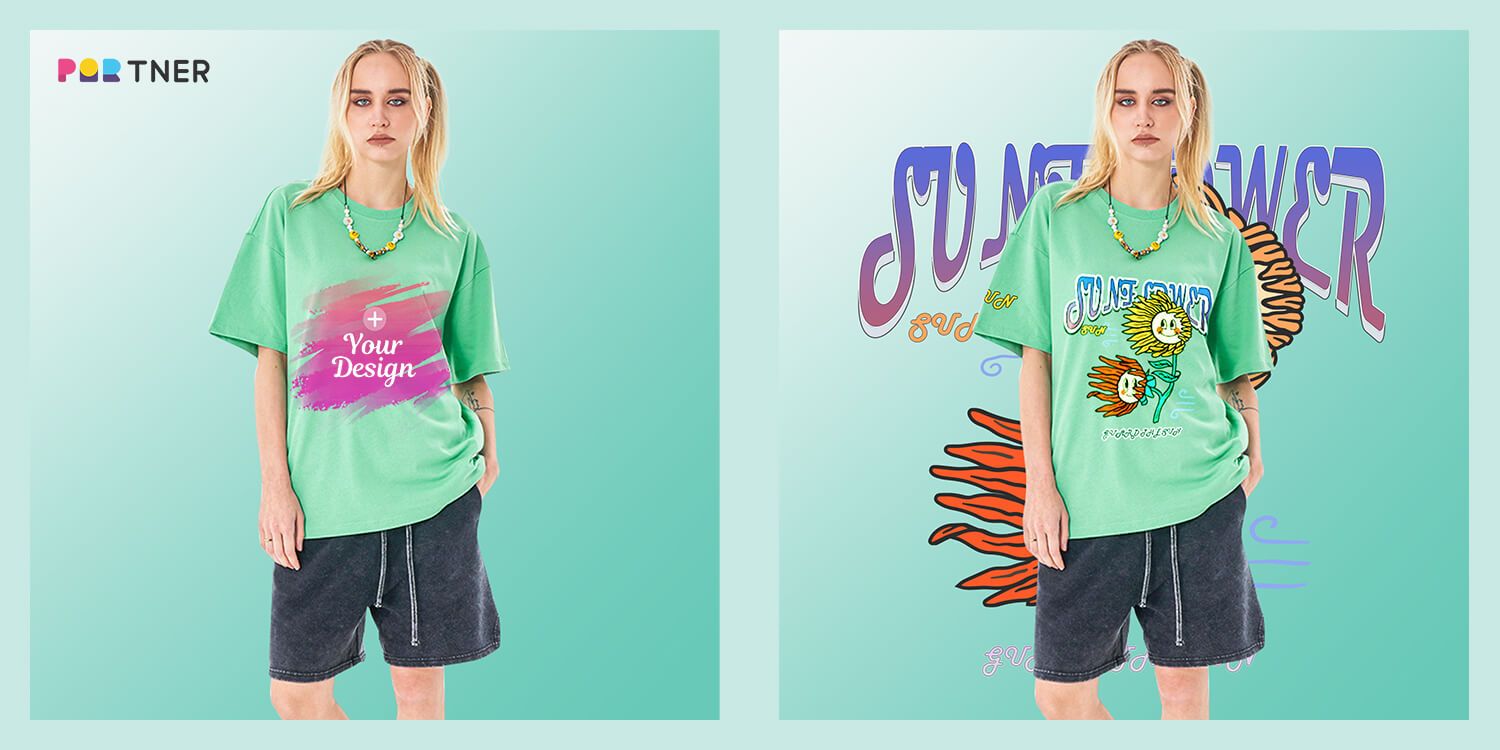
The key is material and execution. You need suppliers who can handle heavier fabrics. With a service like PODpartner, you get that quality control.
- Custom Brand Consistency: The brand experience is essential. PODpartner provides made-to-order labels, hangtags and packaging. This makes your brand look established right from the start.
- Creative Freedom: PODpartner allows designers to add their designs to 18 different design zones. This way, you can customize the clothing to the fullest.
- Sourcing Oversized Pieces: PODpartner gives you access to blanks that have that generous, boxy cut. This avoids forcing a baggy design onto a modern, tailored shirt.
- Free Customization: PODpartner offers free customization feature for your customers.
The Closure!
The power of 90s Streetwear is its commitment to comfort and rebellion. The street dictated the style. To capture this energy, you must prioritize the oversized silhouette and the bold logo. You have to execute them with professional quality. Using a reliable service like PODpartner allows you to leverage modern print on demand capabilities. You can successfully launch a cohesive line that channels that truly vintage 90s streetwear vibe.